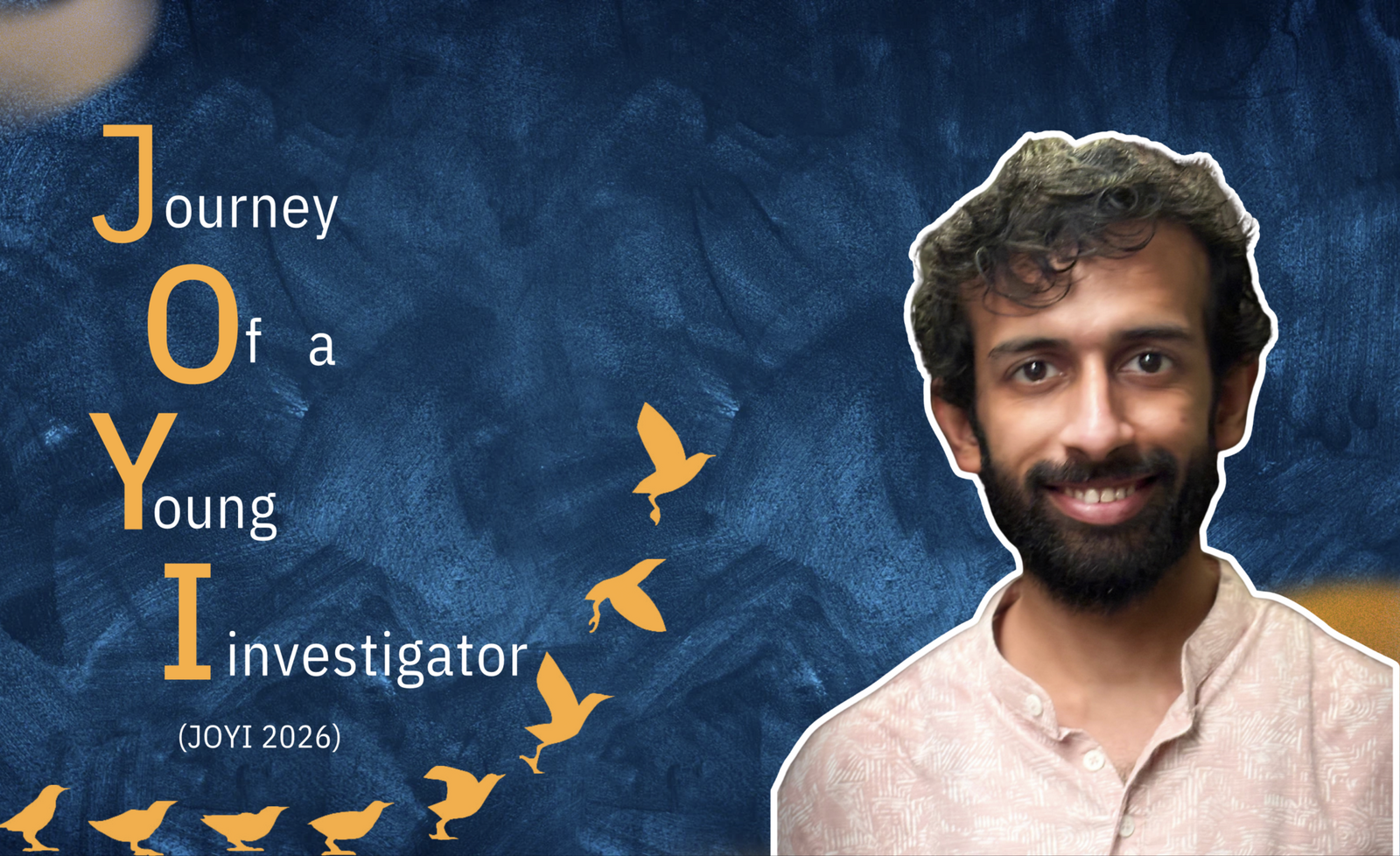
Part of the Journey of a Young Investigator 2026 series, this story traces how an early academic rejection redirected Chintan Bhavsar’s path toward interdisciplinary cancer research, global collaborations, and eventually building a translational research lab in India. Shaped by strong mentorship, persistence, and risk-taking, his journey highlights the power of unconventional beginnings in scientific careers.
Most research careers don’t begin with freedom; mine began with a rejection.
June 2015. I stared at my GRE scores and knew what they meant: no MS programmes in Immunology in the United States – a dream I had always wanted to pursue. Instead, I enrolled in a Master of Pharmacy programme at my alma mater, trying to convince myself that this was the end of my research ambitions! Looking back, I realise that this rejection was, in fact, a blessing in disguise.
An Unconventional Choice
The system had assigned me a supervisor whose primary focus was teaching, with limited research experience. One thought kept recurring: – ‘perhaps this was all I could expect, given my academic record.’
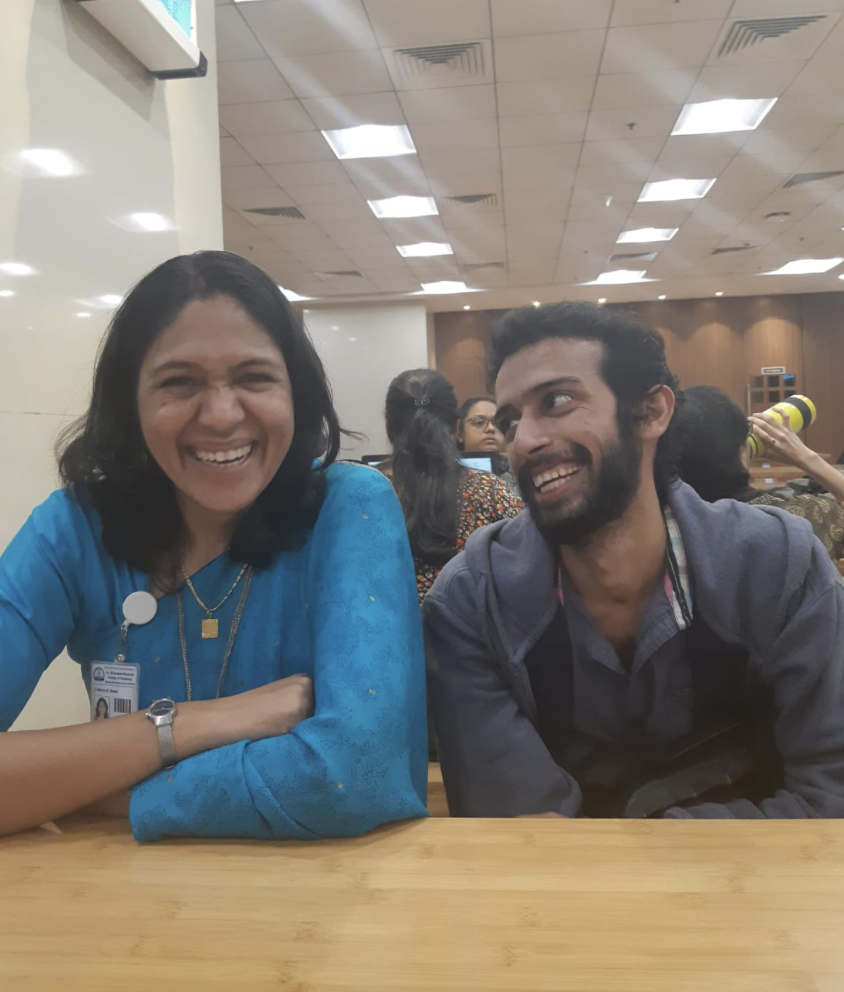
Then Munira Momin made an unconventional decision. Although I had already been allocated a supervisor, she offered to mentor me instead. That single phone call changed everything.
At the institute, students rarely switched supervisors after allocation. I felt grateful, overwhelmed, surprised, and uncertain, wondering whether I would be able to live up to her expectations.
The institute itself was young, just a decade old, primarily teaching-focused, with limited research infrastructure. Most faculty concentrated on coursework and examinations. Munira offered me something I had not expected within Indian academia: the freedom to explore interdisciplinary work combining basic cancer biology and pharmaceutics. This was a direction the institute had not attempted before.
That freedom came with responsibility. No established protocols. No previous work to build upon. I had to identify approaches independently, learning largely through trial and error. Some days I wondered if the project was really achievable. Yet she expected experimentation to be part of the process, and over time, this expectation built my confidence.
Building collaborations
One day, Munira handed me a contact at the Advanced Centre for Treatment, Research and Education in Cancer (ACTREC) in Mumbai. “Reach out”, she said.
I sat at my laptop and drafted a research proposal, unsure whether this was even worth a shot. With little expectation, I reached ACTREC. The initial meeting did not go as planned. However, in an unexpected turn, Raghumani Singh Ningthoujam from the Bhabha Atomic Research Centre (BARC), Mumbai, extended his support.
I was taken aback. A scientist from a premier institute under the Government of India was willing to collaborate with us.
This experience reinforced an important lesson: curiosity, resilience, and persistence matter more than institutional pedigree. The collaboration gave me access to facilities and expertise I wouldn’t have had otherwise. It also taught me how to communicate across institutional hierarchies, sustain collaborations over time, and navigate academic ecosystems.
Over the years, this collaboration trained more than fifteen students, creating a lasting impact. Watching other students benefit from something I had helped establish was unexpectedly rewarding.
Writing grants
With collaborative projects underway, we took a leap and wrote our first extramural grant, followed by another within a few months. I took responsibility for the process and taught myself the intricacies of grant writing. Munira, Tabassum and I worked intensively to draft coherent applications which were submitted to DST-SERB (now ANRF) and BRNS.
I still remember imagining what I would do if the grant came through, and it did. These grants were the first extramural grants the institute had received, fifteen years after its inception. The grants amounted to 60 lakhs INR and motivated other faculty members to pursue external funding.
For me, this moment affirmed that persistence had paid off. What began as an unconventional journey, had led to outcomes I could not have anticipated.
Australia and COVID-19
Being selected as a Junior Research Fellow on the DST-SERB project offered a stable path within India. At the same time, receiving a scholarship from the School of Biomedical Sciences at the University of Queensland represented an opportunity I thought was impossible.
Choosing between the two paths was difficult. Munira, like the ideal guru she is, asked me to take the leap. “Go”, she said and gave me the freedom I needed.
Then COVID-19 disrupted everything.
My PhD involved a clinical component requiring human ethics committee approval, which came to a standstill. Uncertainty again hit. During this period, Sherry Wu, my PhD advisor, supported me. With her guidance, I restructured my project and used the lockdown period productively. Although delayed, I was able to finish the clinical component of my work.
The guidance I received from both Munira and Sherry, emphasising persistence, patience, and resilience, continued to shape my PhD and postdoctoral journey.
Their mentorship reinforced how important supervisors are in a researcher’s development. Having learned through observation and experience, it was now time to pass these values on to the next generation.
Returning to India
Life as a scientist in Australia offers considerable stability, supported by better funding and infrastructure. Staying on, however, meant working in another country, which wasn’t India.
Returning was not easy. Re-entering Indian academia meant navigating a competitive funding landscape and institutional complexities that I was not familiar with. However, I was determined to give back what I had received.
I now find myself exactly where I began — my alma mater, SVKM’s Dr Bhanuben Nanavati College of Pharmacy (Autonomous), Mumbai. Since returning, I have been fortunate to work in a research conducive environment alongside students eager to learn beyond academia, students willing to face uncertainty, like I once did.
What stayed with me
Looking back, I realise that my journey was not shaped by exceptional talent. It worked because I had the right mentors who trusted me with freedom, and because I was persistent. The combination of persistence and resilience makes navigating academia both possible and meaningful.
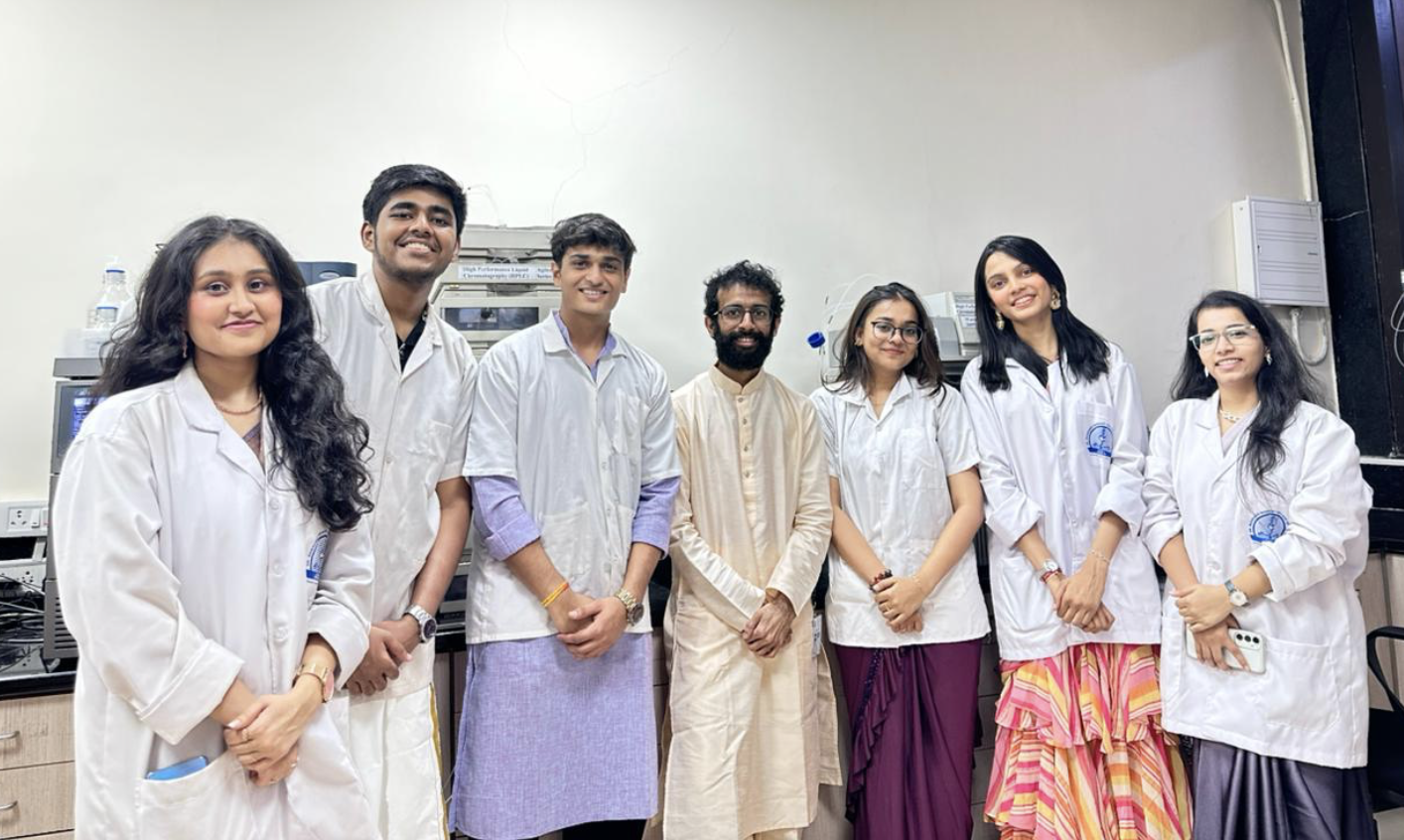
Today, my laboratory, L‑TRH: Laboratory of Translational Research in Healthcare, is working to design tools and kits for early detection of cancer and nanoparticulate systems for precise delivery to tumours. The interdisciplinary path that I pursued from my Master’s degree to my PhD is central to what L‑TRH does now, bridging basic cancer biology and translational science to build something tangible.
At every decisive moment, I ensure that my team gets the same support as I did. The voices of Munira, Raghumani, Tabassum, and Sherry continue to guide me, reminding me that freedom, when met with persistence, can shape enduring scientific journeys.