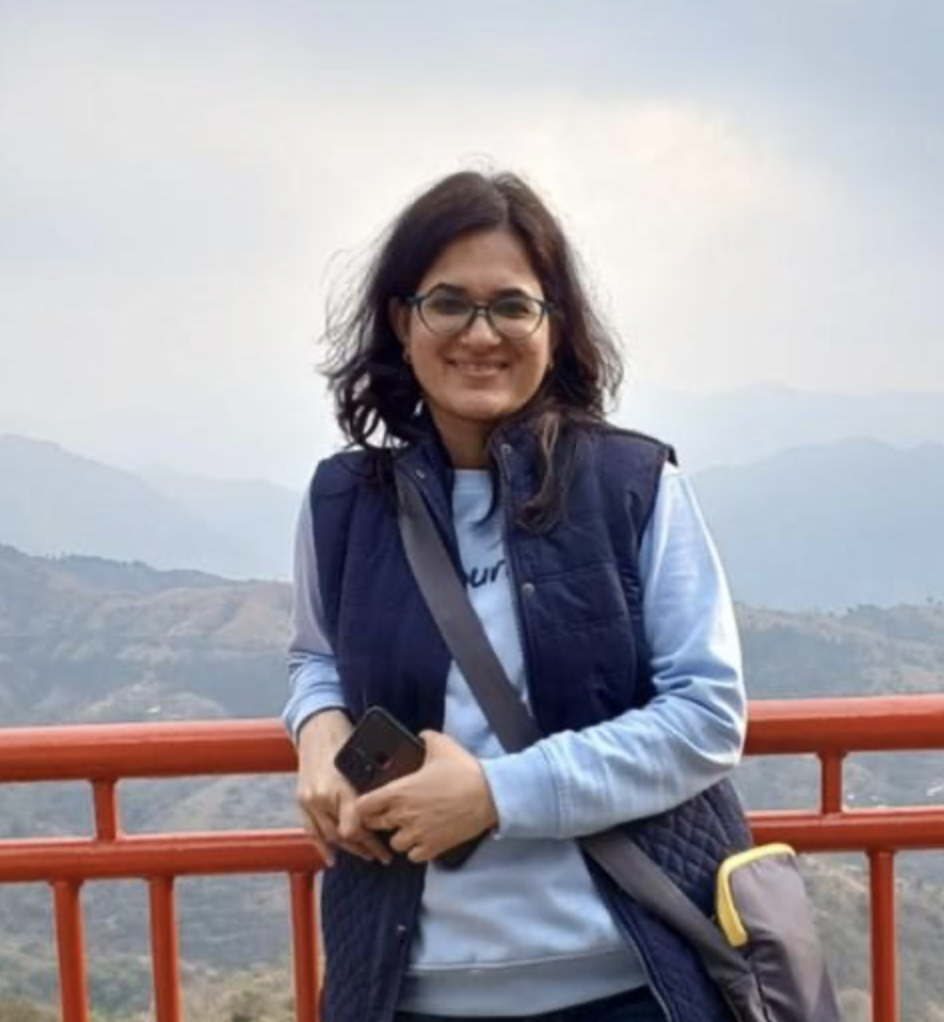
Pooja Choudhary is an Assistant Professor in the Department of Biotechnology at the Jaypee Institute of Information Technology (JIIT), Noida. In this Journey of a Young Investigator (JOYI) 2026 series, she reflects on how her scientific career has grown alongside motherhood — two strands she describes as a “dual helix” shaping her identity. From her early training at NIPGR to building her lab and mentoring students, Pooja highlights how resilience, mentorship, and institutional support can help women scientists thrive — without having to separate life from the lab.
Science is often portrayed as an objective and neutral pursuit, where the search for knowledge is a focused and dedicated endeavour. For many women in academia, this journey is a deeply meaningful integration of professional ambition and lived experience. My own career as a scientist in India has been a “dual helix” — a journey where my scientific identity and my personal life act as inseparable strands, strengthening and shaping one another at every turn.
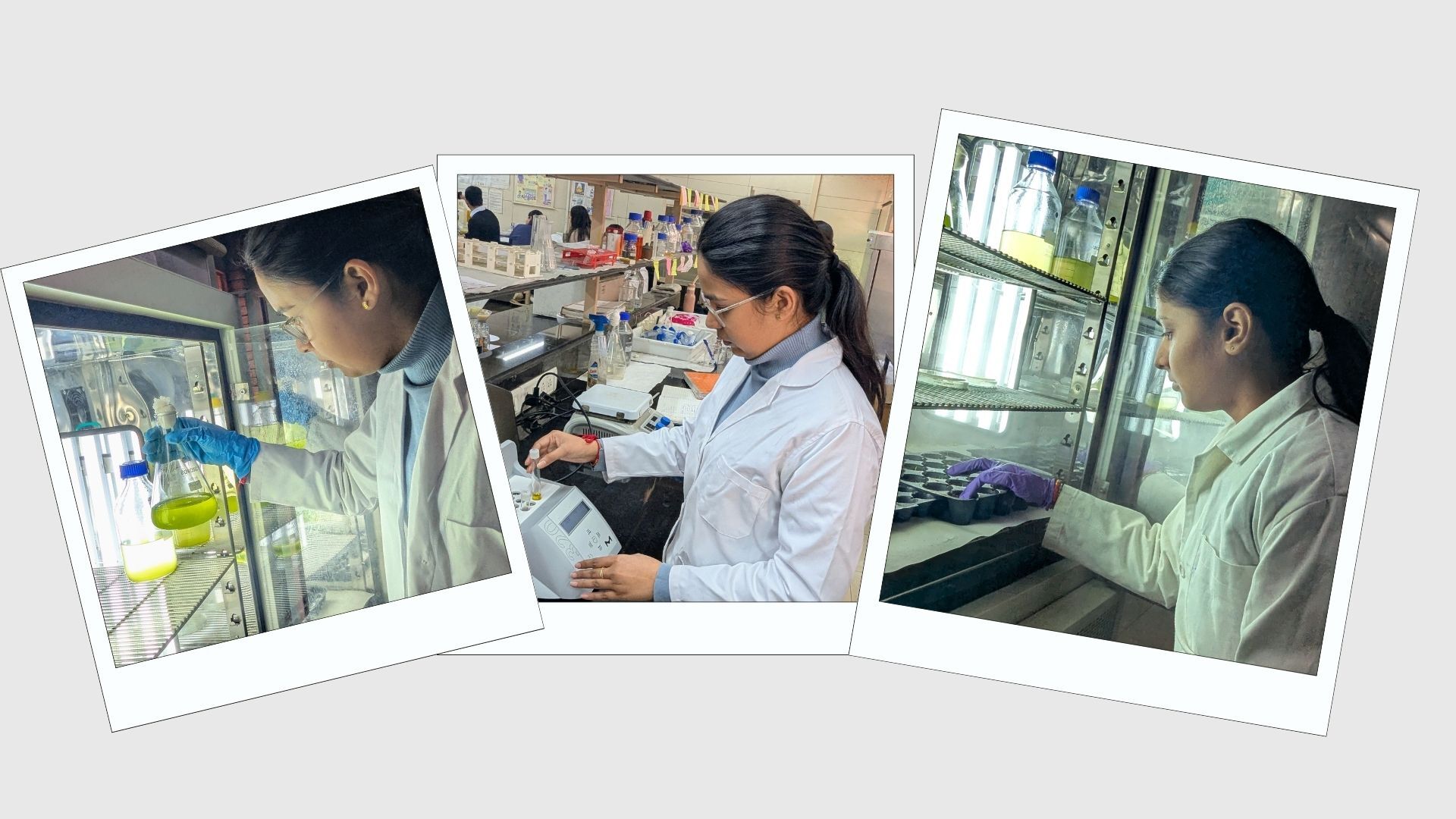
My academic path began at the National Institute of Plant Genome Research (NIPGR) in New Delhi, an institution that instilled in me a deep sense of intellectual rigour. Driven by a fascination with plant biotechnology, I immersed myself in understanding the complexities of biological systems. This period was defined by the rewarding pursuit of research goals, where I developed the discipline and technical expertise necessary to contribute to the field of plant science.
Midway through my PhD, my life took a beautiful and transformative turn with the birth of my first child. This moment marked the beginning of my journey at the intersection of motherhood and science. I found that these roles coexisted in a way that significantly enhanced my professional perspective. Early motherhood brought a new sense of purpose and a refined focus to my research. The precision required in research work, where meticulous detail is paramount, complemented the patience and adaptability I was practicing at home. During this phase, I discovered a newfound level of professional resilience. I learned to work with heightened intention, planning my experiments with a level of efficiency and clarity that enriched my scientific output. Completing my PhD during this time was a significant milestone. It affirmed that scientific excellence and a rich personal life are not mutually exclusive; instead, they thrive together when we embrace our multiple roles as a unified identity.
This foundation was further strengthened during my postdoctoral journey. My mentor played a transformative role in my life, teaching me to understand plant science through an entirely different perspective. His mentorship extended far beyond the bench, fostering my development as a holistic academician. It was during this time that I truly transitioned from student to peer, as I learned to see the bigger picture of my research and navigate the professional scientific world with clarity and confidence.
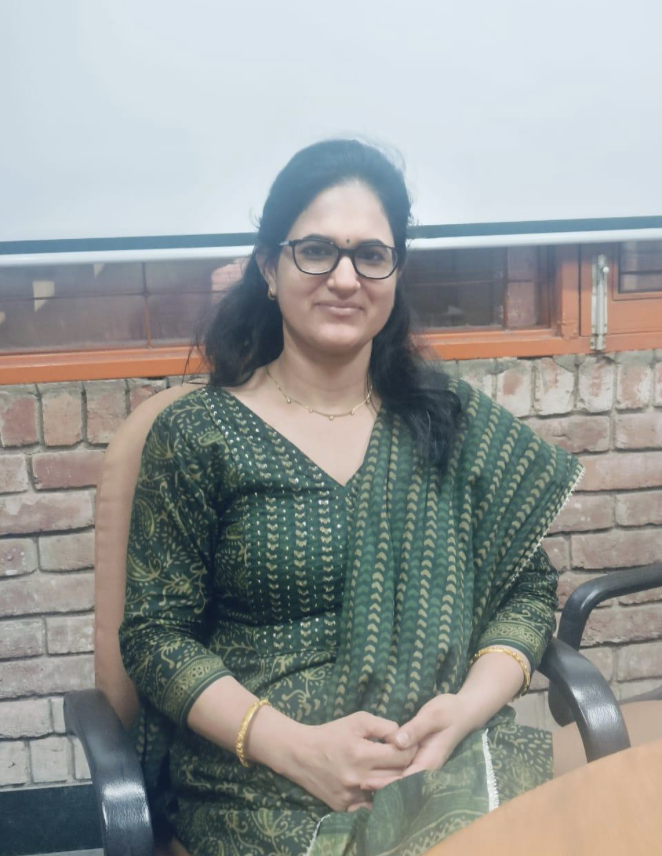
As I transitioned into my role as an Assistant Professor at Jaypee Institute of Information Technology (JIIT), Noida, my responsibilities grew to include teaching, mentoring, and leading independent research in biotechnology. The birth of my second child added another positive dimension to this path. I found that parenthood actually refined my professional skills, improving my ability to multitask, manage complex projects with composure, and lead with empathy. These qualities have been invaluable in my interactions with students and in building a collaborative research environment.
Institutional support has been a vital partner in this progress.
For a woman scientist, growing in “all directions” requires an ecosystem that values holistic development. When institutions provide flexible environments, robust maternity support, and proactive mentorship, they don’t just help women stay in science; they empower them to lead it.
Such support allows us to balance the rigours of the lab with the responsibilities of caregiving, ensuring that our professional trajectory remains upward and expansive.
Today, I see my identity as a whole: I am a biotechnologist, an educator, and a mother. Because of the learnings from my supervisors and the resilience built through my personal journey, I can perform these roles with a sense of confidence and purpose. For women in science, the journey of balancing caregiving and research cultivates essential academic qualities: persistence, ethical responsibility, and inclusive leadership. My journey serves as a testament to the fact that personal milestones are a profound source of professional strength. When we weave these different parts of ourselves together, we become more than just technically skilled researchers; we become scientists who are deeply rooted and prepared for a lifetime of growth.
I am sharing my journey with the IndiaBioscience community because I believe we need to celebrate a version of success that values the person as much as the publication. We should live in a world where personal happiness and scientific breakthroughs go hand in hand. To the next generation: your life outside the lab is what gives you your edge. Never hide it. Those lived experiences are the very things that will give your research its heart and your scientific voice its strength.