As part of the Journey of a Young Investigator (JOYI) 2026 series, Neha Bokey reflects on a non-linear scientific path shaped by research, caregiving, and entrepreneurship. Trained in biotechnology, she moved from academia to translational work, built resilience through fellowships and grants, and now advances gut microbiome research while mentoring students and driving innovation in India.
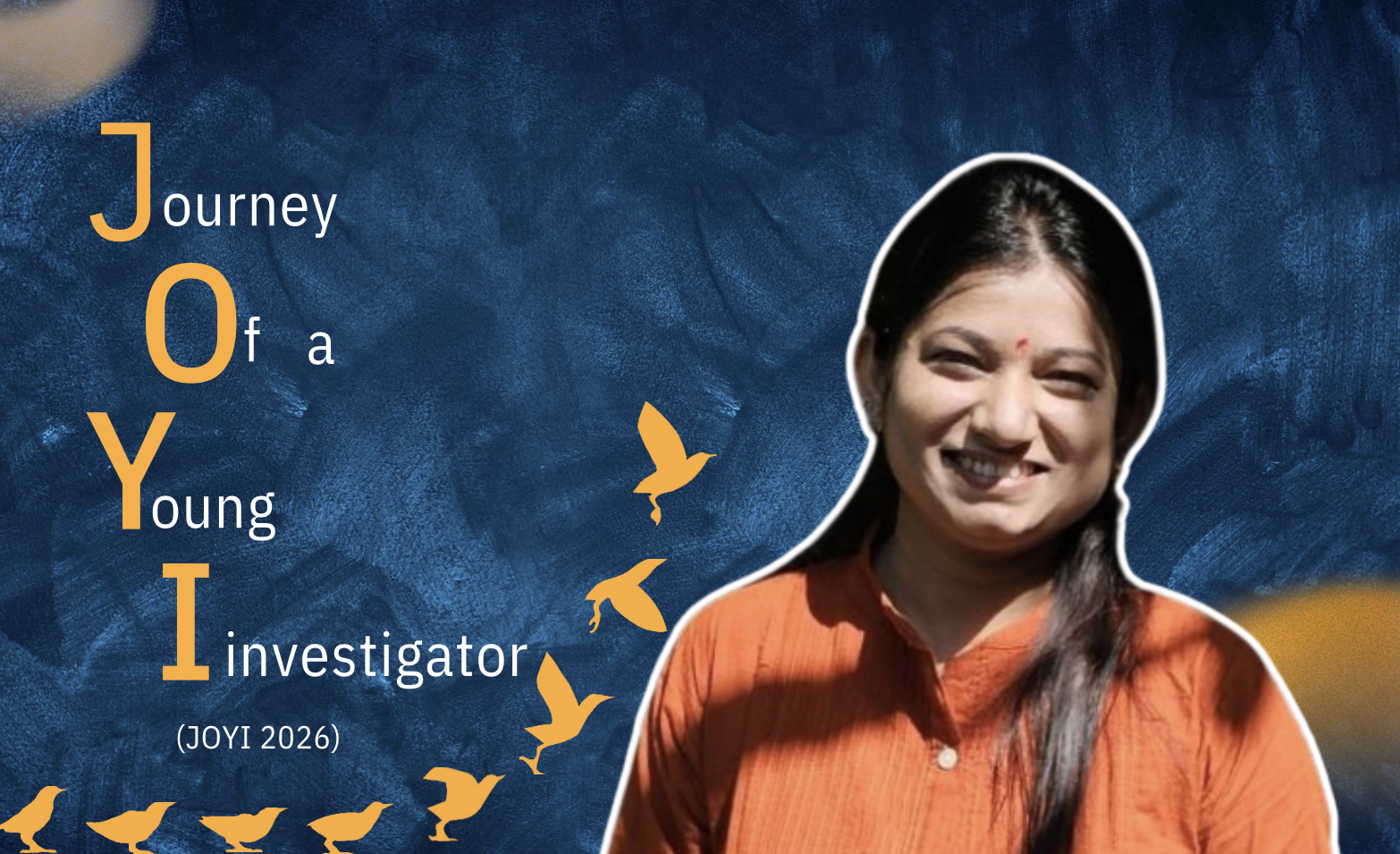
My journey in science has not followed a straight line. It has curved, paused, restarted, and reshaped itself many times, with defining moments that helped me grow not only as a researcher, but also as a person navigating science, caregiving, and entrepreneurship in India.
I began my professional life with a conventional academic foundation. I completed my postgraduation and PhD in Biotechnology, specialising in plant molecular biology and microbiology. Like many young researchers, I was driven by curiosity and a strong belief that science and technology could create real-world impact. My doctoral training gave me technical depth, critical thinking skills, and an appreciation for experimental discipline.
After my PhD, I joined a private research organisation, where I was introduced to animal tissue culture and industry-oriented research. This phase was important because it shifted my perspective from purely academic questions to translational science. I learned how research timelines, regulatory expectations, and real-world applications intersect. It was also my first exposure to working in multidisciplinary teams outside the university environment.
In 2019, my life changed in a way that no career plan can fully anticipate — I became a mother. Shortly afterwards, the COVID-19 pandemic disrupted professional ecosystems across the world. With an infant at home, restricted mobility, and limited access to laboratory facilities, continuing my scientific work through conventional routes as a biotechnologist was no longer possible. What followed was an involuntary career pause, a phase that many women in science experience.
This pause was not just professional; it was deeply personal. In the Biosciences field stepping away from the laboratory forced me to confront questions about self-worth, relevance, and the fear of being left behind. Like many early-career researchers in India, I found myself grappling with uncertainty, both about my career and my identity as a scientist.
Rather than seeing this interruption as an endpoint, I slowly began to reimagine what my scientific career could look like. I asked myself a simple but powerful question: How could I continue to grow intellectually, even if I could not physically be in the lab? This mindset shift became my first major turning point.
I actively sought learning opportunities that allowed remote engagement, and this search led me to the Technology Entrepreneurship Program at the HTIC MedTech Incubator, IIT Madras. The six-week programme introduced me to startup ideation, grant writing, and entrepreneurial thinking — areas I had never formally explored before. For the first time, I saw how my research training could extend beyond experiments and papers into problem-solving, innovation, and impact.
More importantly, the programme gave me confidence. Mentors and peers treated my ideas seriously, even though I was navigating motherhood and career uncertainty. That validation mattered. It helped me see that scientific rigour and entrepreneurship are not opposites, but complementary tools for translating knowledge into solutions.
In 2022, I reached another significant milestone when I was awarded the DST NIDHI Entrepreneur in Residence Fellowship through the same incubator for a gut microbiome-based startup concept. This fellowship marked a new chapter — one where I could combine my scientific background with structured entrepreneurial support. During this period, I refined both the scientific and commercial aspects of my idea and conducted a case study involving obese subjects.
The fellowship was demanding but deeply rewarding. Regular mentoring, ecosystem exposure, and accountability helped sharpen my thinking. By the time I completed the fellowship in 2023, I felt a renewed sense of clarity-not just about my research direction, but about the kind of scientist I wanted to be.
Parallel to this journey, I persisted with grant writing, despite multiple rejections and revisions. That persistence paid off when I was selected for the second round of the Biotechnology Ignition Grant, where I pitched my proposal to national-level reviewers. Although competitive funding environments can be intimidating, these experiences strengthened my resilience and communication skills.
The next defining achievement came in October 2023, when I received the DST NIDHI PRAYAS Grant. For the first time, I was working independently as a principal investigator. Initiating the proof-of-concept study tested every aspect of my patience and perseverance. Ethical approvals, coordination with hospitals, and conducting observational studies required sustained effort, repeated negotiations, and extensive fieldwork.
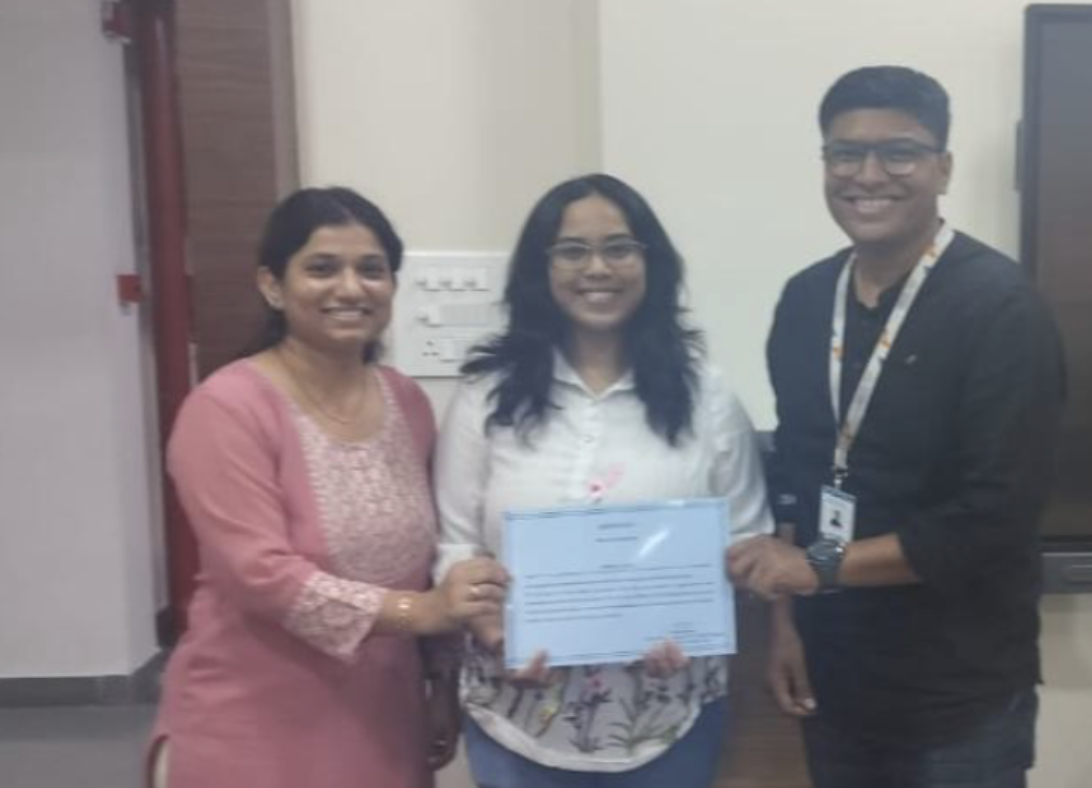
This phase opened new research avenues for me, particularly in personalised medicine, food-health interfaces, and human microbiome studies. One of the most fulfilling outcomes was the opportunity to create employment for four postgraduate students from biotechnology and microbiology backgrounds. Watching young researchers gain hands-on exposure to translational research reminded me why mentorship and representation matter so deeply in science.
In 2024, I joined Dr Vishwanath Karad MIT World Peace University as an Assistant Professor in the Department of Biosciences and Technology. Establishing an independent research programme within an academic setting came with fresh challenges. Initiating gut microbiome research required addressing biosafety concerns, navigating social taboos around sample handling, and sensitising students in shared laboratory environments.
Support from departmental leadership and approval from the Institutional Biosafety Committee (IBSC) played a crucial role in enabling this transition. A supportive ecosystem made it possible to introduce emerging research domains while maintaining ethical and safety standards. This experience reinforced an important lesson: institutional openness can significantly accelerate scientific innovation.
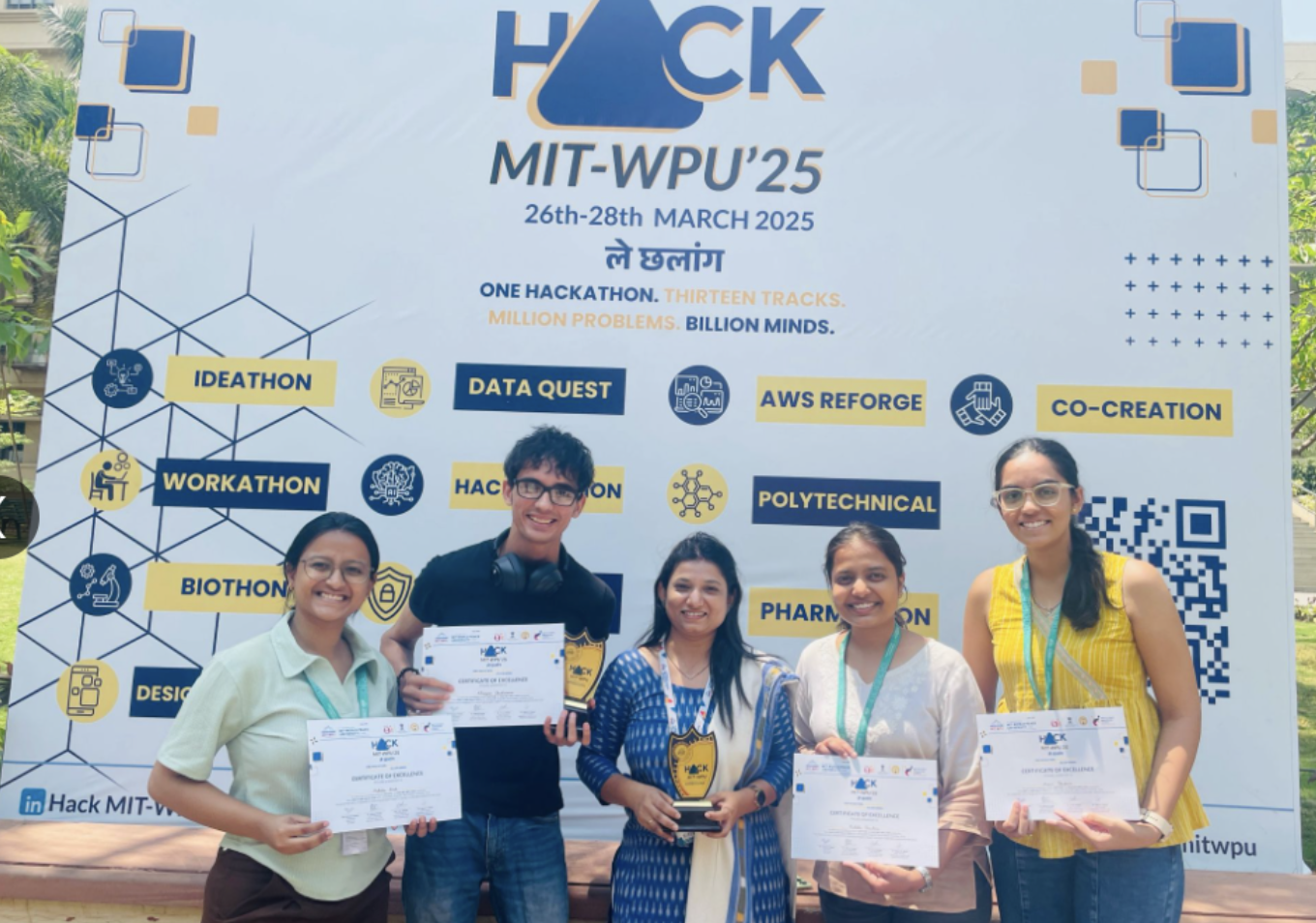
Alongside teaching and research, I took on the role of coordinator for Research, Innovation, Design and Entrepreneurship initiatives and Hackathons. This role allowed me to integrate my entrepreneurial experience into student mentoring, encouraging innovation-driven problem solving. In 2025, my team received an appreciation award, a recognition that affirmed the value of interdisciplinary collaboration and structured mentorship.
Today, I am the founder of Onegutwell Innovations Pvt Ltd., a startup focused on gut health-based diagnostic solutions, and a co-founder of Ember Bytes LLP, which develops technology-driven food products. These ventures represent the convergence of years of scientific training, lived experience and consistent effort.
Consistency turns perseverance into progress and effort into achievement”.
As a woman navigating science and entrepreneurship in India, my journey has been shaped by caregiving responsibilities, systemic barriers, and moments of self-doubt. It has also been shaped by mentors who believed in me, institutions that offered flexibility, and students who brought energy and curiosity into shared spaces.
If there is one lesson my journey has taught me, it is this:
Resilience is not built through dramatic breakthroughs, but through consistent decision-making, even in uncertainty. Progress often looks quiet and fragmented while it is happening.
My story is not unique, but it is honest. It stands as a reminder that career breaks do not erase capability, and that non-linear paths can lead to meaningful innovation.
With clarity of purpose, sustained effort, and the courage to adapt, pauses can become platforms-and consistency can quietly transform perseverance into progress.