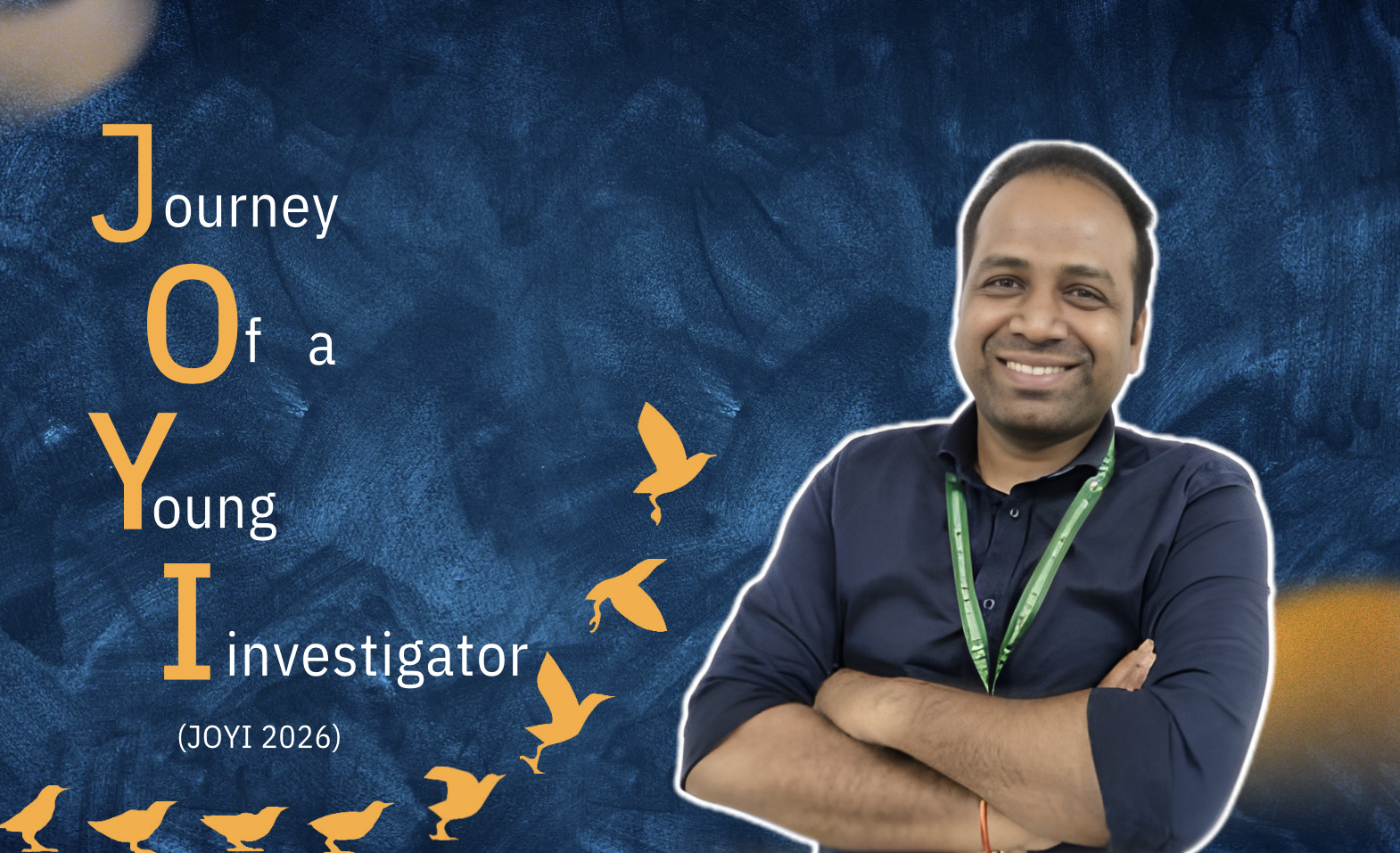
As part of the Journey of a Young Investigator 2026 series, Piyush Agarwal’s story highlights that building a scientific career in India extends beyond research outputs. It involves navigating funding gaps, infrastructure limits, and uncertainty. Through patience and persistence, he focuses on creating enabling ecosystems for science, showing that meaningful progress often grows from long-term commitment.
My scientific journey began at the bench, during my undergraduate training in Microbiology at the University of Delhi, where biology meant petri plates, cultures, and carefully timed experiments. A late exposure to bioinformatics during my bachelor’s degree quietly altered that trajectory, leading me to shift from wet-lab biology to computational science during my master’s. What followed was an unconventional and often uncertain path shaped by limited resources, delayed fellowships, and repeated rejections.
A defining challenge came after my master’s degree, when I spent nearly a year waiting for my DST-INSPIRE fellowship certificate to formally begin a PhD. During this period, I faced twelve consecutive interview rejections, forcing me to confront doubt, vulnerability, and questions about belonging in science. Persistence eventually led me to a PhD at CSIR-Institute of Microbial Technology (CSIR-IMTECH), where strong mentorship and a collaborative environment helped rebuild my confidence and scientific foundation.
My postdoctoral journey at the National Cancer Institute, National Institute of Health (NIH), brought a new set of challenges, including field transitions, isolation during the COVID-19 lockdown, and slow initial productivity. Yet, this phase also highlighted the importance of community, collaboration, and patience, culminating in meaningful scientific contributions and recognition.
Returning to India as an independent investigator, I now navigate the realities of building a lab, mentoring students, securing funding, and developing infrastructure. This story is meaningful because it reflects the non-linear, often invisible struggles behind scientific careers in India. It speaks to early-career researchers who feel delayed, uncertain, or out of place, and reminds them that persistence, community, and thoughtful decision-making matter as much as speed or early success.
When biology met programming: Late, but just in time
I did not grow up imagining myself as a bioinformatician. My scientific journey began when I joined Microbiology (Hons.) programme at Ram Lal Anand College, University of Delhi, where biology lived at the bench among pipettes, gels, and petri plates. Until the final year of my bachelor’s degree, I had never encountered the field of bioinformatics at all. Like many students trained in the life sciences, I believed that biology only existed at the bench among pipettes, gels, and culture plates. That belief shifted quietly when I was introduced to bioinformatics. What struck me immediately was the possibility that biology could be explored through logic, algorithms, and simulations, and that meaningful questions could still be asked when physical resources were limited.
That realisation arrived late in my undergraduate training, but it arrived decisively. I chose to pursue a master’s degree in bioinformatics, stepping away entirely from the wet lab. Around the same time, I discovered something unexpected: I genuinely enjoyed programming. Writing code, debugging late into the night, and watching a model finally run felt deeply satisfying. It was the first time science felt both creative and self-driven.
A lab that fit in a backpack
The transition from wet lab to purely computational work, however, was far from easy. Resources were scarce. Access to high-end computing was minimal, and formal training in computational methods was limited. At one point, I made a decision that now feels symbolic of that phase: I spent my personal savings to buy a laptop capable of running simulations. That laptop became my laboratory.
Most of my learning happened independently, teaching myself programming languages, running small simulations, breaking things repeatedly, and fixing them again. There were no clusters, no GPUs, and no safety net. Yet, paradoxically, this constraint gave me freedom. I learned to be resourceful, patient, and precise. More importantly, I learned to trust my ability to figure things out.
The year nothing moved and everything did
After my master’s degree, progress stalled abruptly. I had been selected for the DST-INSPIRE fellowship because I was the university topper in my subject, but the formal certificate, essential to joining a PhD programme, took nearly a year to arrive. That year was one of the most destabilising periods of my life. With no institutional affiliation and no active project, I found myself in academic limbo. I attended fourteen PhD interviews during that time. The first twelve ended in outright rejection, often quick, sometimes without explanation. Each rejection chipped away at my confidence. I began questioning whether I had chosen the wrong field, whether bioinformatics was too risky, or whether I simply was not good enough.What kept me going was not confidence, but persistence. I continued studying, refining my skills, and applying, sometimes more out of habit than hope.
A door finally opens
That persistence eventually led me to CSIR-IMTECH, where I began my PhD under the mentorship of G P S Raghava. That acceptance felt like more than an admission, it felt like permission to believe in myself again. My PhD years were foundational. I was fortunate to work in an environment shaped by strong mentorship, generous seniors, collaborative peers, and enthusiastic juniors. I learned how to think independently, frame meaningful questions, and translate ideas into publications. More importantly, I learned what a healthy research ecosystem looks like. Those years did not just strengthen my CV; they shaped my scientific identity.
Leaving comfort behind, again
As my PhD came to an end in 2019, I began applying for postdoctoral positions. Once again, rejections and silence dominated the early phase. Eventually, I received multiple offers and made a deliberate choice to join Sridhar Hannenhalli at the National Cancer Institute (NCI), NIH, USA, selecting a project that pushed me far outside my comfort zone.
Just as plans were finalised, the COVID-19 pandemic shut the world down. Travel bans, visa uncertainty, and global fear defined early 2020. After discussions with Sridhar, we proposed a COVID-19, focused project that allowed travel under exceptional circumstances. Against the odds, my visa was approved, and in August 2020, I travelled to the United States during one of the most uncertain moments in recent history.
Alone in a new country, together in small ways
The first year at NIH was isolating. Lockdowns were strict, and I lived alone in a single room in an Airbnb, working remotely for months. Even when laboratory access resumed, it was limited. Learning an entirely new domain, unfamiliar techniques, and a different research culture was overwhelming. By traditional metrics, the first two years were slow and unproductive, but they were years of deep learning.
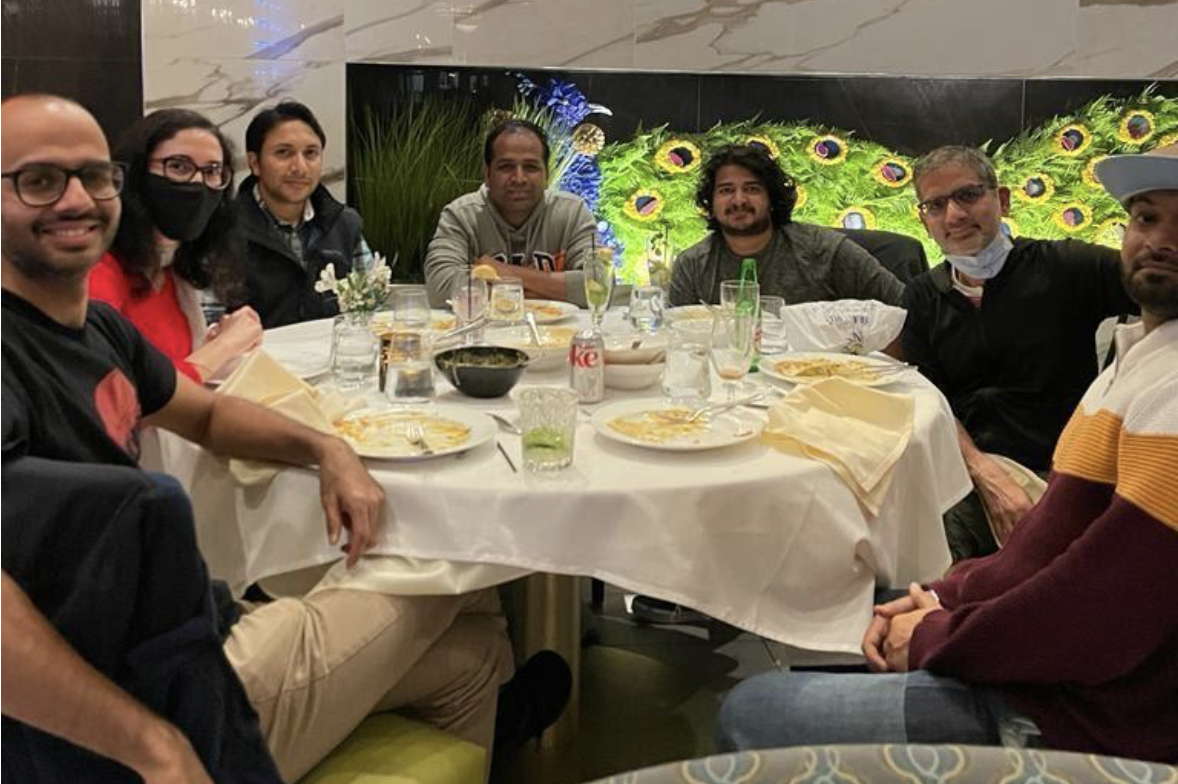
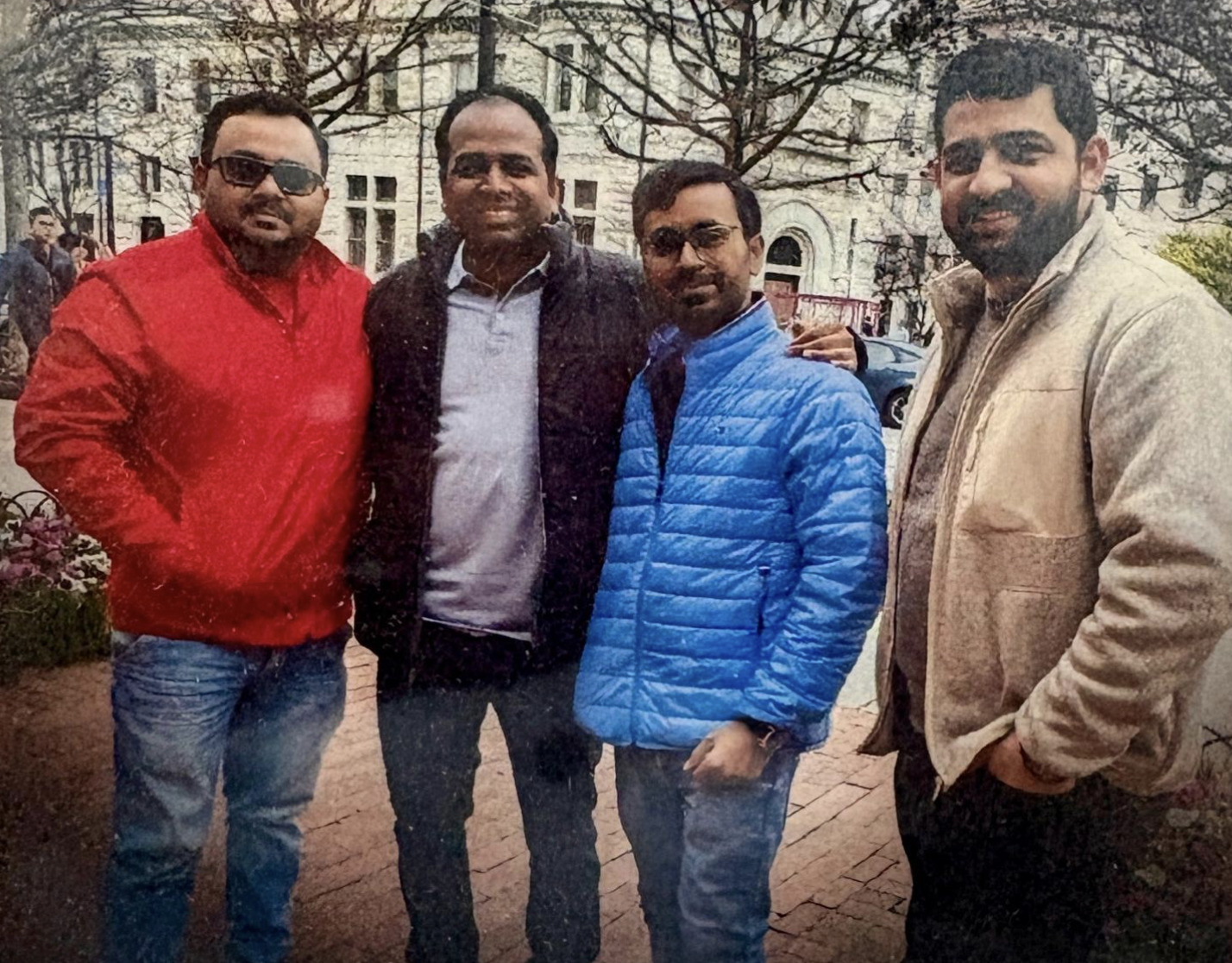
What made this phase survivable were the people. My friends during my postdoc years became my extended family. We cooked together, shared frustrations, laughed at failed experiments, explored the city when restrictions eased, and showed up for one another during difficult days. Those moments of joy and companionship anchored me when imposter syndrome felt loud.
Scientifically, collaboration mattered just as much. Working closely with students Navami and Ilana across several projects was particularly formative. Together, we navigated new datasets, built analytical pipelines, and learned how to translate computational outputs into biological insight. These collaborations reminded me that science is rarely a solitary pursuit, even when it feels that way.
When patience finally pays
Gradually, the pieces began to align. The ideas connected, productivity improved, and manuscripts took shape. One of my papers received the NIH Fellows Award for Research Excellence (FARE) in 2023, the highest recognition for a postdoctoral fellow at NIH. The award was meaningful not because of the accolade itself, but because it affirmed a lesson I had learned repeatedly: growth is often delayed but rarely wasted.
Choosing home, choosing continuity
By 2023, personal priorities began to reshape professional decisions. My family pulled me back toward India. I attended the Sci-ROI annual meeting at St. Jude Children’s Research Hospital, where my profile was shortlisted by several Indian institutions. Soon after, SRM Institute of Science and Technology reached out. After multiple rounds of discussions, I accepted the offer and transitioned from NIH, USA to SRM Institute of Science and Technology, Chennai in April 2024.
Learning to build, not just research
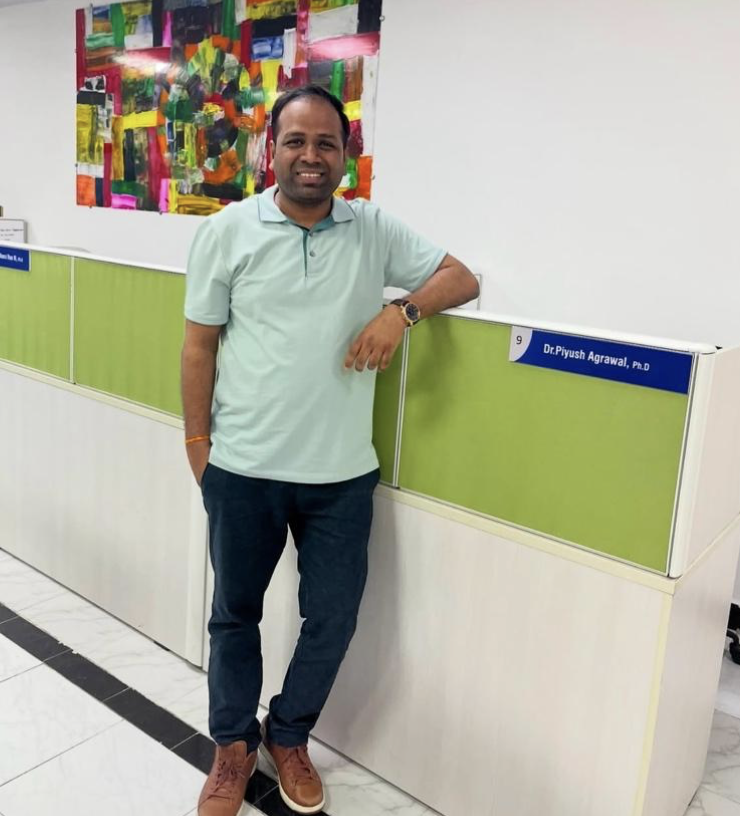
Joining SRM marked my transition into independence. Establishing a lab from scratch was both exhilarating and humbling. The presence of SRM’s hospital ecosystem allowed me to collaborate closely with clinicians and work directly with patient data, which reshaped the kinds of questions I could ask.
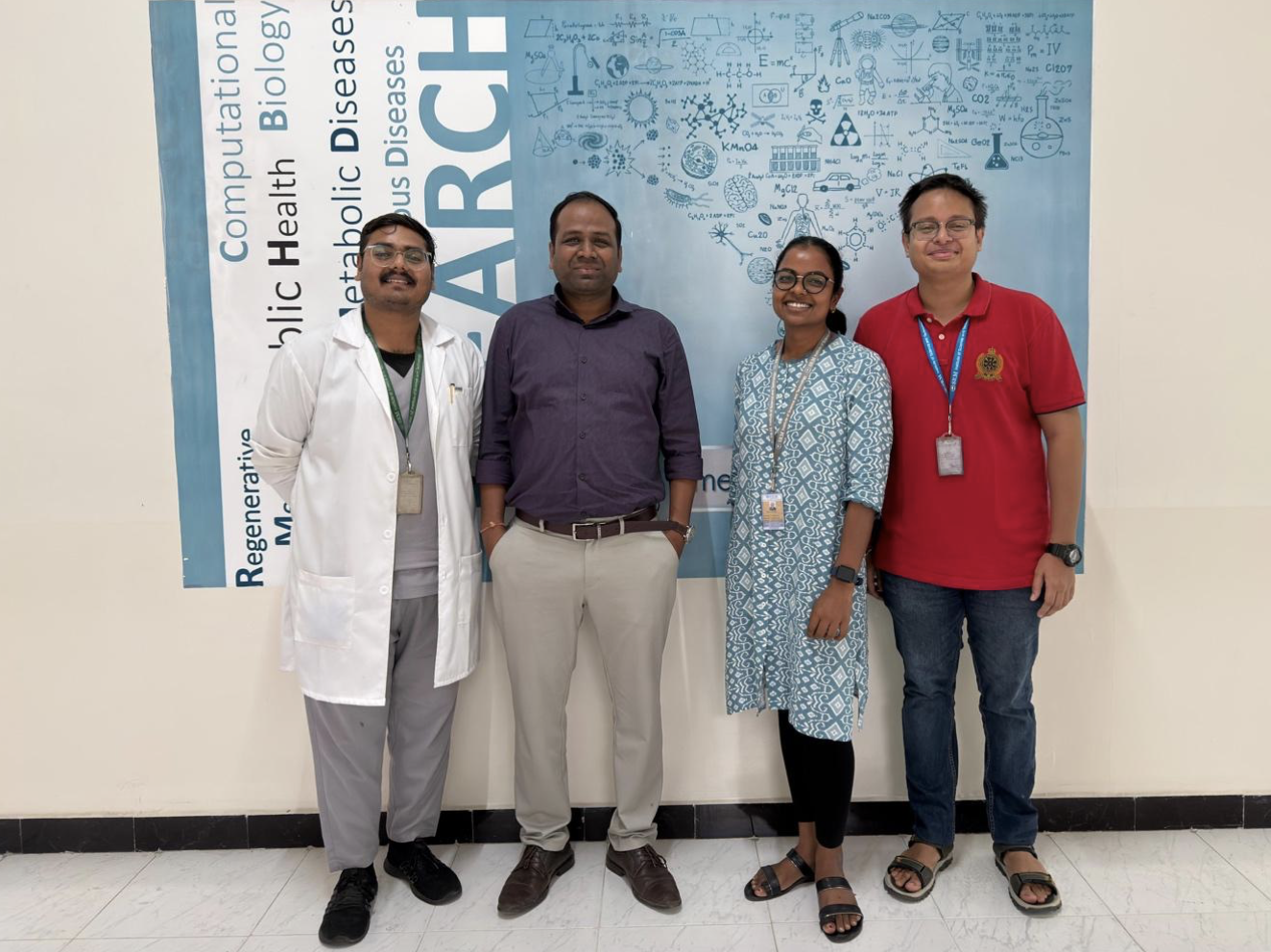
Mentorship quickly became central to my role. I have had the privilege of mentoring interns Tushita, Chinmay, Darshika, and Parth, guiding them through research projects and helping them develop scientific confidence. Chinmay secured a fellowship of ₹50,000 from SRM for carrying out an exceptional work on oral submucosal fibrosis under my supervision. Recently, I welcomed Ekta as my first PhD student, a milestone that marks my own transition from trainee to mentor.
The unfinished work: Funding, infrastructure, and patience
Alongside these milestones come ongoing challenges. Securing extramural funding as an early-career investigator remains one of the most demanding aspects of academic life. Grant timelines are uncertain, competition is intense, and expectations are high, often while labs are still being built.
Equally challenging is access to advanced computational infrastructure. As a bioinformatician working with large-scale omics data, AI models, and clinical datasets, high-performance computing is foundational. Establishing access to High-Performance Computing Center (HPCC) resources, secure storage, and scalable pipelines takes time and institutional coordination. In the interim, progress often depends on creative workarounds and shared resources.
These challenges have taught me that building a lab is not just about experiments or publications; it is about gradually constructing an ecosystem where good science can grow.
Staying with the work
Looking back, my journey has been anything but linear. It has been shaped by limited resources, delayed fellowships, repeated rejections, solitary years, friendships that became lifelines, and the ongoing work of building systems, not just science.
I have learned that science is not a sprint; it is a long arc that rewards persistence more than perfection. Doubt is inevitable. What matters is the decision to stay, with the questions, with the work, and with yourself, long enough for clarity to emerge.