What fuels the passion of those at the forefront of life sciences and biotechnology? What situations do they navigate, and what advice do they wish someone had whispered to them early on? An interview series by NaviClar, an initiative that supports the science community in career navigation and progression, sets out to answer these questions not through scripted interviews, but through candid conversations with faculty from India and across the world.
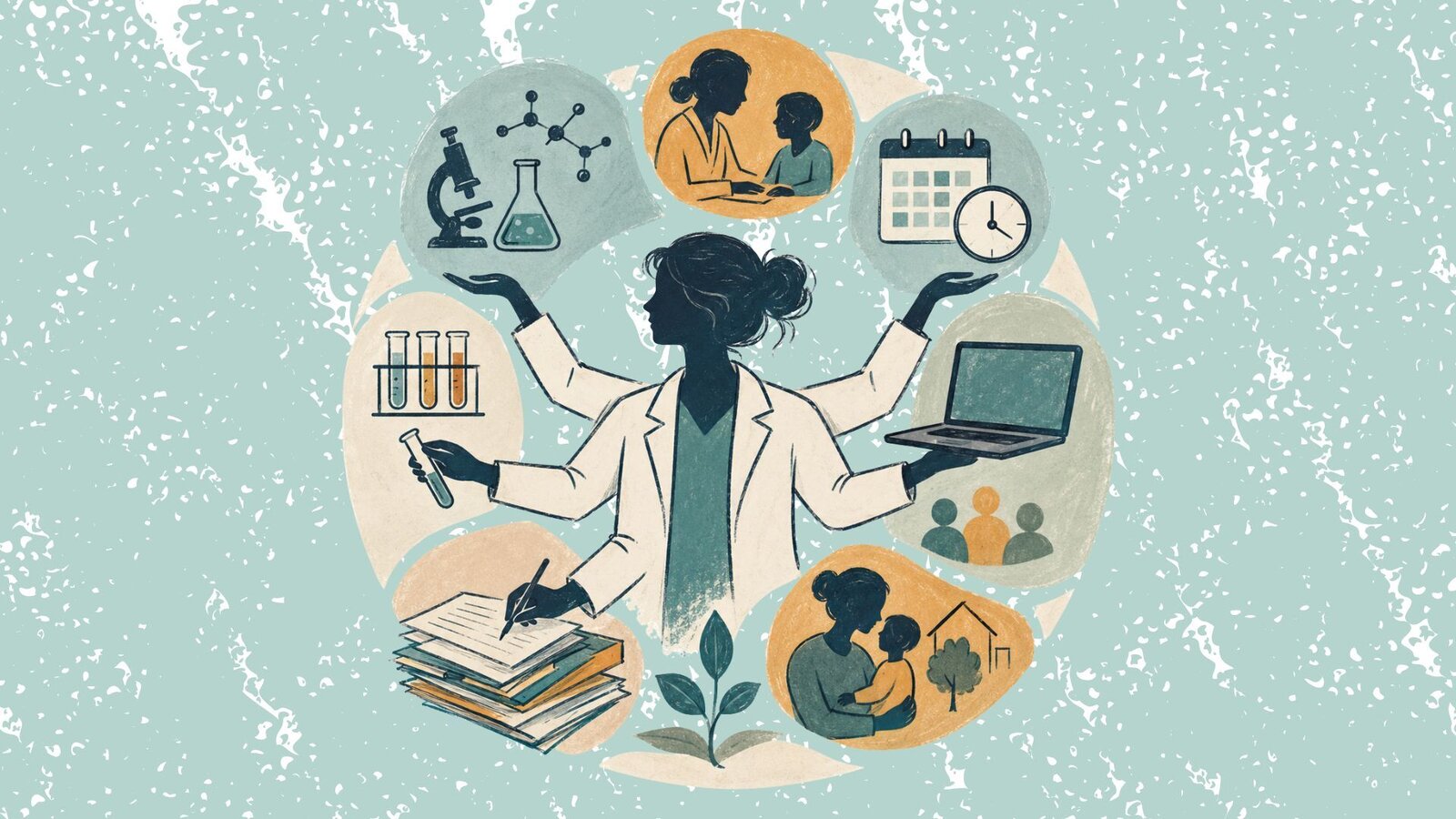
For anyone deeply embedded in the world of life sciences and biotechnology, the academic path is often seen as both a calling and a challenge. Yet, truly open and candid conversations about the realities of faculty life, such as the triumphs, trials, and wisdom gained, are surprisingly rare.
NaviClar, an initiative that supports the life science community in career navigation and progression, embarked on a unique series of interviews, aiming to amplify the voices of life science faculty and scientists from India and across the world to foster appreciation, enhance visibility, and spark meaningful dialogue that could inform policy.
NaviClar also recognised the immense value these insights hold for the next generation. Aditya Parekh, founder of NaviClar, said, “The experiences of seasoned academics offer a rich learning ground for early-career faculty and serve as a vital preparatory resource for postdoctoral researchers aspiring to enter the challenging yet rewarding realm of academia.”
In a series of 32 interviews, Sakshi Poddar (PhD,National Institute of Science Education and Research (NISER), Bhubaneswar) and Aditya Parekh (Founder, NaviClar) interacted virtually with faculty members, asking multiple questions to delve into the heart of their professional lives. Here is a glimpse into the responses to three vital questions:
1. What is the thing that satisfies you the most in your job?
Across the board, a resounding theme emerged: the joy of discovery and the impact on the next generation. Most of the faculty members’ faces lit up when they spoke about how seeing their students grow into the next stages of their careers made them fulfilled and proud. Many faculty members spoke passionately about the thrill of witnessing a student’s ‘aha!’ moment, seeing their research flourish, or contributing to a deeper understanding of biological processes.
2. What is your biggest struggle as a faculty?
The challenges faced by faculty are diverse, but certain struggles resonated universally. Securing consistent funding and managing work-life balance were frequently cited as major hurdles. The relentless pursuit of grants, administrative burdens, and the pressure to publish often take a toll.
Most of the faculty members underlined that balancing teaching and/or research, along with administrative duties and other responsibilities, becomes a challenge. The pleasure of doing science often gets affected. These struggles underscore the intense demands placed on academics and the need for robust support systems.
3. What is one mistake you would advise young faculty to avoid early in their careers?
The wisdom and advice shared by faculty members offer invaluable lessons for navigating early academic careers. Prioritising careful recruitment and patient mentorship over immediate results was frequently cited as essential. The tendency towards isolation and the administrative burden often take a toll. Most members underlined that trusting intuition while managing productivity dips becomes a critical transition. These insights underscore the need for mental well-being and mutual respect.
Pathways to mentor satisfaction
There is more than one way in which STEM mentors derive satisfaction from their work and perceive their research to have an impact.
As mentors reflected and shared about the most satisfying moments of their professional lives, the joy of solving fundamental problems or asking “why” questions in their respective fields emerged as something profoundly fulfilling. These could require taking leaps to resolve big questions being debated within the scientific community or creating novel methods and developing cutting-edge techniques, both advancing knowledge and initiating new lines of inquiry. Engaging with the ‘unknowns’ gave a sense of purpose to their work and proved deeply motivating.
For me, one of the best parts of this job is figuring out puzzles. Some of the most exciting moments are when students or postdocs bring in data that are completely mysterious and new. Then you start putting the pieces together and discover a story that nobody has heard before. That’s one of the most exciting aspects of my work.”
— Piali Sengupta
Mentors also find gratification in impact measured by community uptake and continuity. The extent to which their discoveries, methods, or datasets are adopted by mentees, collaborators, and the wider research community feeds back into what mentors perceive as the impact of their work. The joy of discovery extends beyond individual breakthroughs into sustained use and evolution of their contributions, influencing future generations of scientists.
I get to talk with and engage with and watch the development of students and postdocs and even, you know, technicians and other folks who are working in the lab and watch them develop as scientists and interact with them as they kind of approach challenging problems. And that’s by far the best thing about the job.”
- Erin Goley
The mentorship journey is often recognised for its intellectual significance. However, these pathways reveal that the impact most valued by mentors encompasses intellectual advancement, practical relevance, and an enduring legacy through community growth. This multifaceted sense of research impact is a central driver of mentor satisfaction, reinforcing their commitment to nurturing the STEM ecosystem.
Time management and prioritisation
The tension between pursuing ambitious research goals and the pragmatics of meeting the expectations of the academic calendar and institutional demands is faced by every mentor and can be alleviated through a well-thought-out balancing act.
Reflecting on the challenges faced at the intersection of multiple demanding roles, mentors felt that managing time more effectively was critical while juggling teaching, fulfilling administrative responsibilities, and conducting research. A faculty member or scientist is expected to frequently switch between tasks seamlessly, yet fragmented workflows disrupt focused work and hinder effective sequencing of activities.
I would advise everyone to be very mindful of their time management, not to agree to doing everything, and not get distracted by the noise around you.”
- Rejji Kuruvilla
The time one would want to spend on strategic thinking and intellectual exploration is often crowded out with responsibilities like grant writing, lab management, and other service commitments. While faced with such competing priorities, one needs to prioritise between high-risk, high-reward projects and incremental progress, all while navigating looming deadlines.
Mentors who also have caregiving responsibilities or personal life rhythms are forced to make sharper choices about how to allocate their time, a decision especially complex when they coincide with peak research periods.
One had to struggle to figure out how much time to give to research. That was always a challenge because, at times, I would devote much more than I wanted to, and then I would have to step back and restore some work – life balance before moving forward again. This continues to be a struggle for many women in science in India. But things have changed a lot, and today there’s far more support and opportunity to pursue research ambitiously.”
- Shobhona Sharma
Oftentimes, carving out protected blocks of time for focused work, prioritising ruthlessly, delegation to senior lab members, and batching administrative tasks helped with sustainable productivity at work and personal well-being.
Funding: Bureaucracy and administration challenges
Mentors also face significant challenges stemming from the intensity and inherent uncertainty of the research grant cycle.
Preparing grant applications demands extensive time and effort, often yielding low success rates. As a result, many applicants are required to submit multiple proposals in parallel and continuously revise them based on feedback. This cycle creates substantial rework and pressure.
Compounding the issue is the administrative load, which interviewees characterised as a growing burden of compliance, reporting, procurement, human resources, and other institutional processes that increasingly consume research time.
One of the biggest struggles is navigating administrative tasks that you are probably not used to doing as a postdoc and just making sure that everything is functioning smoothly and efficiently in the lab.”
- Gira Bhabha
These responsibilities fragment focus and slow momentum while performing core research and mentoring responsibilities. Mentors also encounter limits on allowable expenses, slow purchasing processes, and timing mismatches between available funds and project needs, all of which hinder research execution.
Some interviewees also shared that review panels often favour safer, short-term projects, requiring researchers to invest additional effort and time in framing risky or interdisciplinary proposals in ways that appear fundable.
I think my biggest struggle is one that many faculty in the Indian ecosystem share — the ease of doing science in India. It’s about having an idea and being able to execute it at the pace you’d like, without running into roadblocks that slow you down. For example, delays in the timely disbursement of funds or in ordering and receiving materials because of red tape. All of this cumulatively falls into the broader challenge of the ease of doing science. And it’s something I still struggle with, even after having done this for quite a while.”
- Vidita Vaidya
The purchase process was unbelievably difficult at the start and was a big learning experience; Over the years, things changed a little, and we probably just got used to it. It still remains challenging, though.”
- Dileep Vasudevan
Being more thorough with funding agency norms, creating templates for commonly used sections, building administrative scaffolds, and collaborating more extensively with co-principal investigators to share workloads were shared as effective coping strategies to meet grant submission challenges.
They also shared that institutions that centralise grant support and streamline procurement and recruitment processes free up significant burden, allowing PIs to concentrate on research and mentoring. They felt that funders can increase their impact by clarifying review criteria, reducing redundancies in proposal requirements, and providing iterative pre-proposal feedback.
The human-centric blueprint for academic success
The transition to a faculty role is often marked by the mistake of working in isolation. Experienced mentors emphasise that building a successful lab requires rejecting the “lone wolf” mentality and actively seeking guidance from those who understand the institutional landscape. By establishing a strong support network early, new PIs can avoid struggling in a vacuum, stay transparent about their learning curves, and leverage collective experience to navigate scientific and professional hurdles.
I think one of the things the young faculty should always be ready for is to go and talk to everyone and at different places wherever possible, without thinking what return that would fetch in immediate future.”
- Jomon Joseph
Effective lab management requires a strategic balance between administrative duties and core research goals. Faculty members warn against the pressure to over-commit to non-essential tasks or rush the establishment of a physical space. Success lies in selective participation, careful time management, and a willingness to collaborate locally to streamline logistics. By protecting their research focus and bracing for initial productivity dips, early-career researchers can build sustainable, efficient operations without succumbing to administrative burnout.
And one mistake I would advise young faculties to avoid, I guess, is failing to approach and find mentors actively and overcommitting to non-scientific administrative jobs.”
- Samraat Pawar
Building a successful laboratory requires prioritizing long-term team fit over immediate recruitment. Faculty members emphasize that being intentional about hiring passionate, respectful individuals is as vital as the science itself. Success stems from patient mentorship, fostering student independence through their own mistakes, and maintaining a secure, supportive environment that never compromises on mental health.
I think one of the things when young faculty start is they feel really eager to hire students and postdocs to create a team which makes sense but I’ve seen several instances where people hire too quickly and don’t make sure they find the right person, right match and that leads to frustration for both, them and for the person they hired.”
- Van Savage
Take your time to judge somebody else and try to find their strengths and weaknesses before they are judged.”
- Roop Mallik
Overall, this interview series aims to be more than just that; it’s a platform for shared learning. By bringing these diverse perspectives to the forefront, NaviClar not only celebrates the dedication of the life science faculty but also equips the next generation with the insights they need to navigate the exciting, yet challenging world of academia.
NaviClar is a global mentorship and networking platform for higher education students and early career researchers. Check out their website and their social media channels on Linkedin , X (formerly, Twitter) and Instagram
Watch the accompanying discussion/video related to this article here.
**Note — Quotes in this article have been lightly edited for clarity and flow while ensuring the original meaning and intent of the faculty mentors remain unchanged.
Acknowledgement
We sincerely thank all the faculty mentors who participated in this structured interview series with NaviClar. This article offers a glimpse into our discussions. A more comprehensive feature, exploring a wider range of themes in greater depth and featuring an expanded group of faculty, will be published soon
Radhika Nair (Centre for Human Genetics — CHG, Bengaluru, India)
Van Savage (University of California, Los Angeles — UCLA, USA)
Jomon Joseph (National Center for Cell Science — NCCS, Pune, India)
Chijioke Emenike (Dalhousie University, Canada)
R. Sowdhamini (National Centre for Biological Sciences — NCBS, Bengaluru, India)
Samraat Pawar (Imperial College London, UK)
Roop Mallik (Indian Institute of Technology — IIT Bombay, India)
Sandeep Robert Datta (Harvard Medical School, USA)
Umesh Varshney (Indian Institute of Science — IISc, Bengaluru, India)
Katherine Gundling (University of California, San Francisco — UCSF, USA)
Dileep Vasudevan (Rajiv Gandhi Centre for Biotechnology — RGCB, Thiruvananthapuram, India)
Soma Chattopadhyay (Institute of Life Sciences — ILS, Bhubaneswar, India)
Sudarshan Gadadhar (Institute for Stem Cell Science and Regenerative Medicine — BRIC inStem, Bengaluru, India)
Gira Bhabha (Johns Hopkins University School of Medicine, USA)
Shobhona Sharma (Tata Institute of Fundamental Research — TIFR, Mumbai, India)
Jose Manuel Andreu (Margarita Salas Center for Biological Research — CIB-CSIC, Madrid, Spain)
Satyajit Rath (Indian Institute of Science Education and Research — IISER, Pune, India)
Kristin Michel (Kansas State University, USA)
Vidita Vaidya (Tata Institute of Fundamental Research — TIFR, Mumbai, India)
Palok Aich (National Institute of Science Education and Research — NISER, Bhubaneswar, India)
Anurag Agrawal (Ashoka University, Haryana, India)
Piali Sengupta (Brandeis University, USA)
Amrendra K Ajay (Harvard Medical School, USA)
Deepak Modi (NIRRCH, Mumbai, India)
Erin Goley (Johns Hopkins University School of Medicine, USA)
Raghunand Tirumalai (CSIR-Centre for Cellular and Molecular Biology — CCMB, Hyderabad, India)
Poonam Thakur (Indian Institute of Science Education and Research — IISER, Thiruvananthapuram, India)
Nischay Mishra (Columbia University, USA)
Mohit Kumar Jolly (Indian Institute of Science — IISc, Bengaluru, India)
Rejji Kuruvilla (Johns Hopkins University, USA)
Aniruddha Datta Roy (National Institute of Science Education and Research — NISER, Bhubaneswar, India)
Ronald Vale (Massachusetts Institute of Technology — MIT, USA)