India’s landmark PreVenTB trial shows that developing an effective TB vaccine is more complex than expected. Although both vaccine candidates proved safe, only limited protection was observed. The study highlights why nutrition, living conditions, and stronger public health systems must remain central to India’s TB elimination strategy.
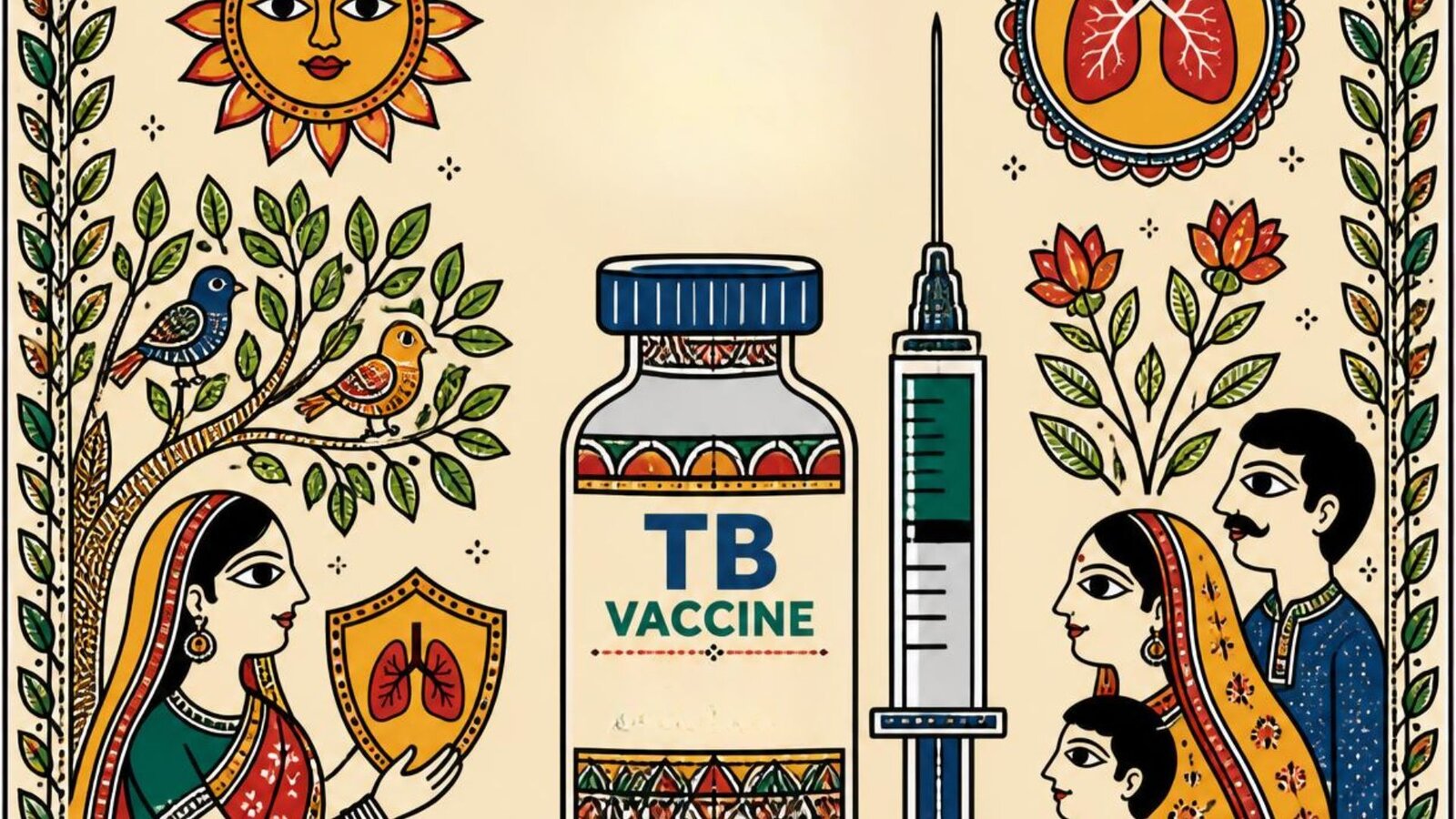
India’s latest tuberculosis (TB) vaccine trial, funded by the Indian Council of Medical Research (ICMR) and conducted across 18 sites in six Indian states, has brought both hope and disappointment. This large phase 3, randomised, double-blind, placebo-controlled trial, called “PreVenTB” tested whether the TB vaccine candidates VPM1002 and Immuvac could safely prevent TB in healthy household contacts of newly diagnosed pulmonary TB patients. This trial, unfortunately, did not produce the kind of success that TB researchers, governments, and patients have waited years to see. VPM1002 and Immuvac were, however, found to be safe. While neither showed convincing protection against all forms of TB or against pulmonary TB (the form that matters most for transmission), VPM1002 demonstrated protection against extrapulmonary TB (EPTB) across age groups. According to the India TB Report prepared by the Central Tuberculosis Division of the National Tuberculosis Elimination Programme, EPTB accounts for 20 – 24% of all TB cases in India.
The trial was large and grounded in the realities of exposure. Researchers enrolled 12,717 household contacts aged six years and above who were living with recently diagnosed TB patients across six Indian states, with follow-up lasting 38 months. The protocol included a broad age range, including people with comorbidities and risk factors, and treated this diversity as a strength because it would make the findings more generalisable. This is important because trials often speak in the language of biological endpoints, but the people enrolled are never abstract bodies. They come with different histories of exposure, nutrition, comorbidities, and access to care.
What did the study find?
Neither vaccine candidate protected against all TB, pulmonary TB, or latent infection. Both were found to be safe. VPM1002 showed an efficacy of 21.4% against all TB, 19.5% against pulmonary TB, and 50.4% against extrapulmonary TB. Immuvac’s results were more muted. The paper noted that better results from Immuvac were seen mainly in children in the normal weight range, while underweight children did not seem to benefit in the same way. Overall, Immuvac’s findings in children were weaker and less clear. Thus, while the study did not produce a broad breakthrough, it suggests that VPM1002 may be more promising in younger, better-nourished children than in the trial population as a whole.
That gap between what was hoped for and what was found becomes clearer when we ask what a TB vaccine, or any vaccine for that matter, is expected to do. In policy language, “protection” can sound singular, as if there was one outcome that could settle the matter. In practice, however, the endpoints are plural. A TB vaccine may reduce infection, slow the progression to disease, reduce pulmonary disease, reduce extrapulmonary disease, work better in children than in adults, or behave differently in people already exposed to Mycobacterium tuberculosis. The PreVenTB protocol had already anticipated this complexity.
Lessons to learn
Vaccines do not enter empty landscapes. They enter specific ecologies of risk. TB is an especially unforgiving example because its biology is tied to poverty, sanitation, undernutrition, labour, stigma, and delayed diagnosis. As such, immunity is never separable from the material conditions that sustain or weaken it.
For India, this latest TB trial should widen the frame of discussion. The question cannot be whether another vaccine candidate has “worked” in the blunt, everyday sense of the word. Rather, the question should be about the kinds of prevention India is building. If undernutrition weakens the promise of vaccination, then nutrition should be integrated into vaccine policy rather than treated as a separate welfare issue. If household contacts are where risk intensifies, then contact tracing, preventive treatment, and follow-up remain critically important. If pulmonary TB remains untouched, then these findings underscore the need for continued investment in vaccine candidates that can interrupt transmission more directly. The trouble with health policy has often been its tendency to segment these issues. But a bacterium does not respect administrative neatness.
What should India take from the PreVenTB trial?
The findings deserve patience. They suggest that safe vaccine candidates can still matter even when they do not deliver the endpoint everybody wants most. They also remind us that extrapulmonary TB should not disappear from public discourse simply because pulmonary disease dominates transmission debates. Finally, they reinforce the fact that nutrition and social vulnerability remain central to any serious strategy for TB prevention.
The politics of TB prevention in India cannot be built around the fantasy of a single technological fix. On the face of it, the disease appears like a problem that can be solved through intensified notification, tighter surveillance, and faster diagnosis. However, TB is not just a biomedical problem; it is a development challenge that requires action across social protection, justice, and multiple sectors beyond health. The challenge facing us is the political habit of converting ambition into claims of success while the disease continues to feed on undernutrition, poor housing, stigma, delayed diagnosis, and fragmented access to care. The road ahead may be slower than anyone would like, but that makes precision, public honesty, and sustained investment all the more necessary. India should invest much more seriously in multicentre trials, long follow-up systems, data monitoring, and meaningful participation by affected communities.