As the monsoon settles across much of the country, bringing moments of respite and renewal, we hope you find time to pause, explore, and reflect on this month's stories and opportunities from India's life sciences community.
Our science communication section brings together thought-provoking articles spanning ecology, infectious diseases, health, career development, and emerging technologies. From the evolutionary partnership between Aedes aegypti and dengue virus to reflections on women's experiences of pain, ecological justice, academic careers, and the future of xenotransplantation in India, these stories showcase the breadth of conversations taking place across the life sciences.
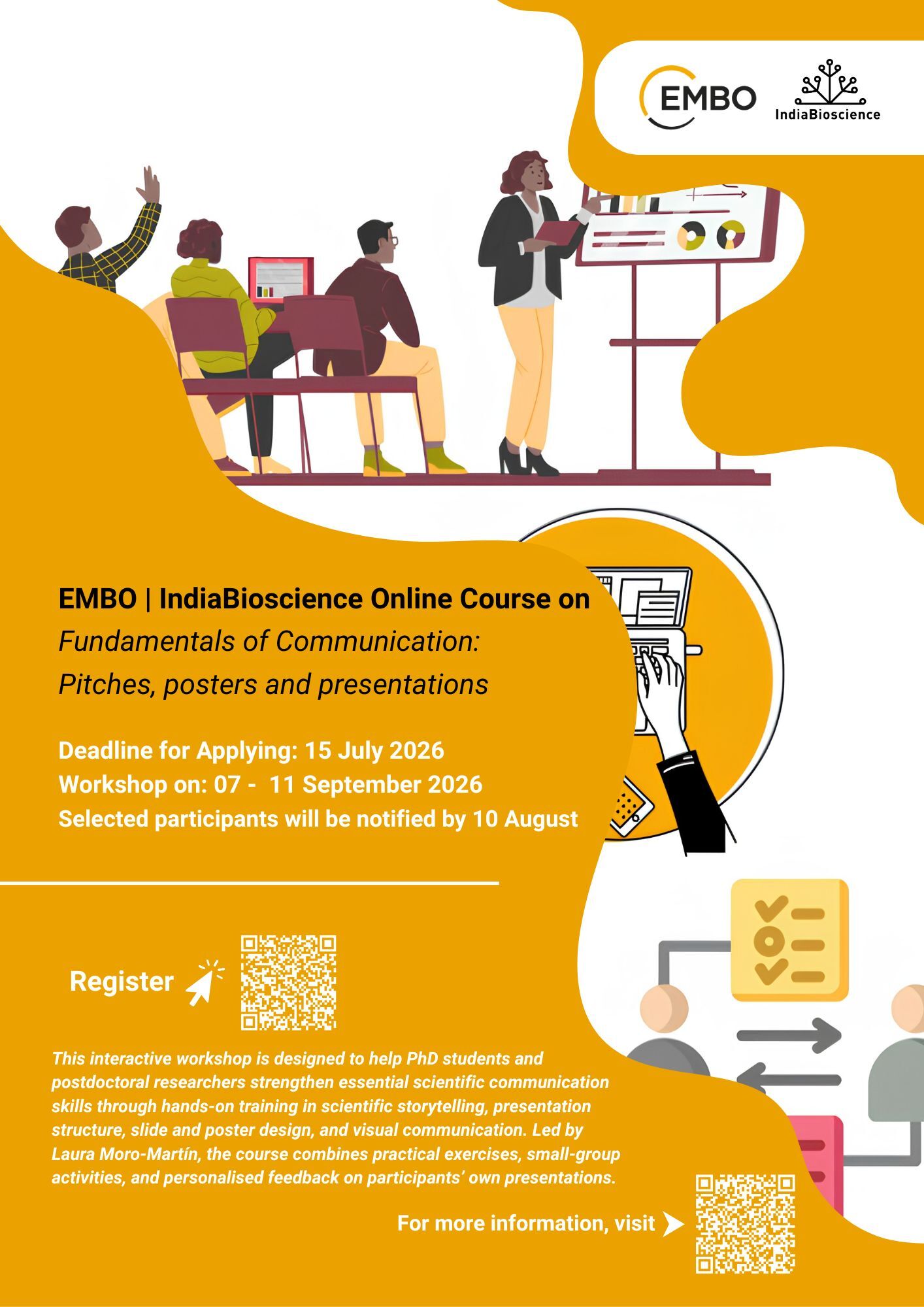
Applications are open for the EMBO–IndiaBioscience Online Course on Fundamentals of Communication: Pitches, Posters and Presentations, led by scientific communication trainer Laura Moro-Martín. Designed for PhD students and postdoctoral fellows, the course offers practical training in scientific storytelling, presentation design, poster preparation, research pitching, and audience engagement through interactive sessions and personalised feedback. With only 20 participants to be selected, interested applicants are encouraged to apply by 15 July 2026.
We received nearly 250 applications for the EMBO Fellowship Writing course, to be held in late July. We thank the community for the overwhelming response. While seats for the online course are limited, we recognise that many applicants may miss the opportunity to participate. To ensure that more researchers can benefit, EMBO-IndiaBioscience will also host a shorter webinar. Read on for more details.
We have also curated information about upcoming training programmes, conferences, fellowships, grants, and career opportunities to support your research.
We hope this month's newsletter informs, inspires, and encourages you to stay connected with the vibrant life sciences community. Happy reading!
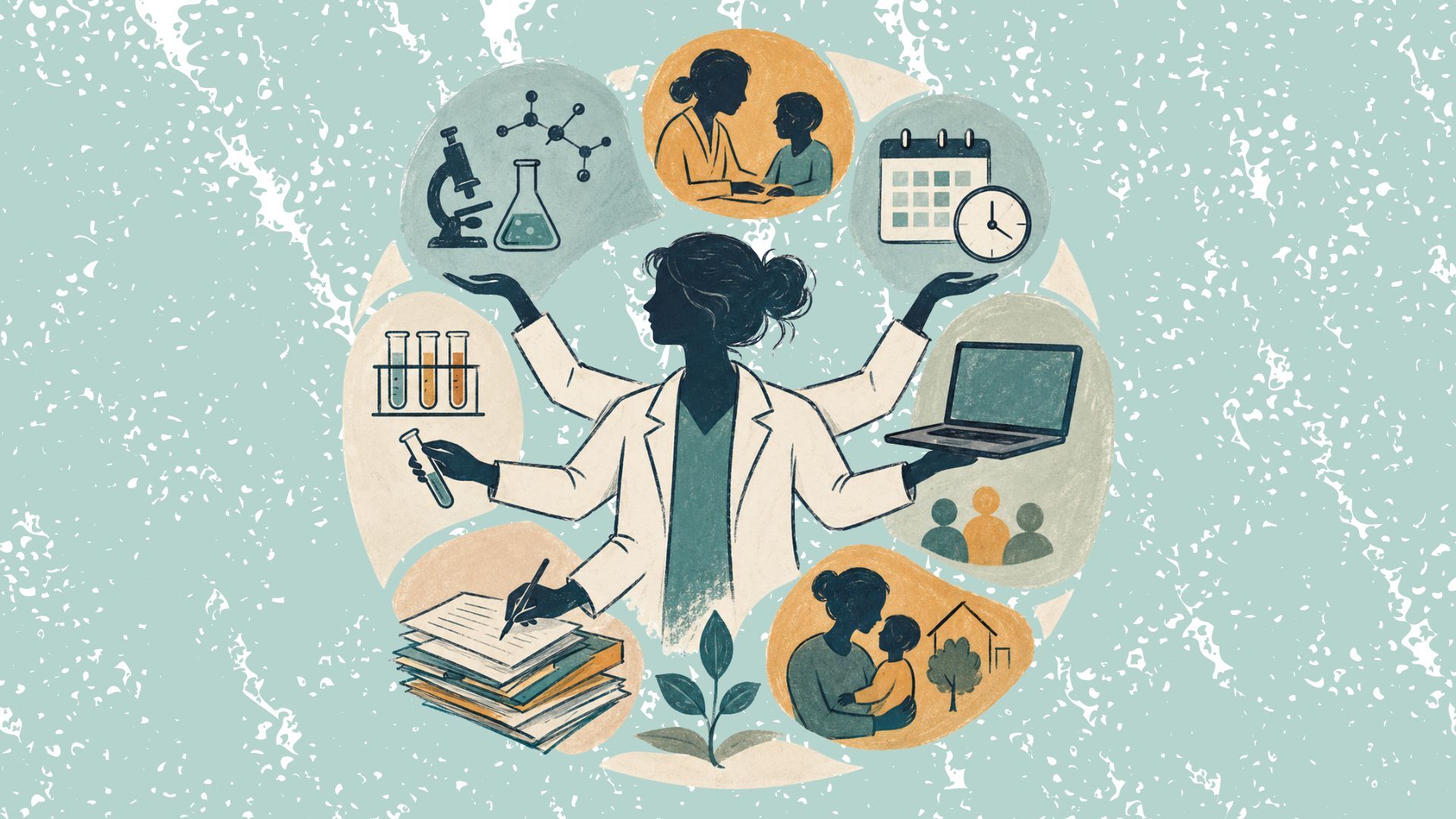
RRR is an ongoing interview and reflections series that documents personal experiences of women in Indian science, highlighting the diverse pathways, challenges, and choices that shape scientific careers.
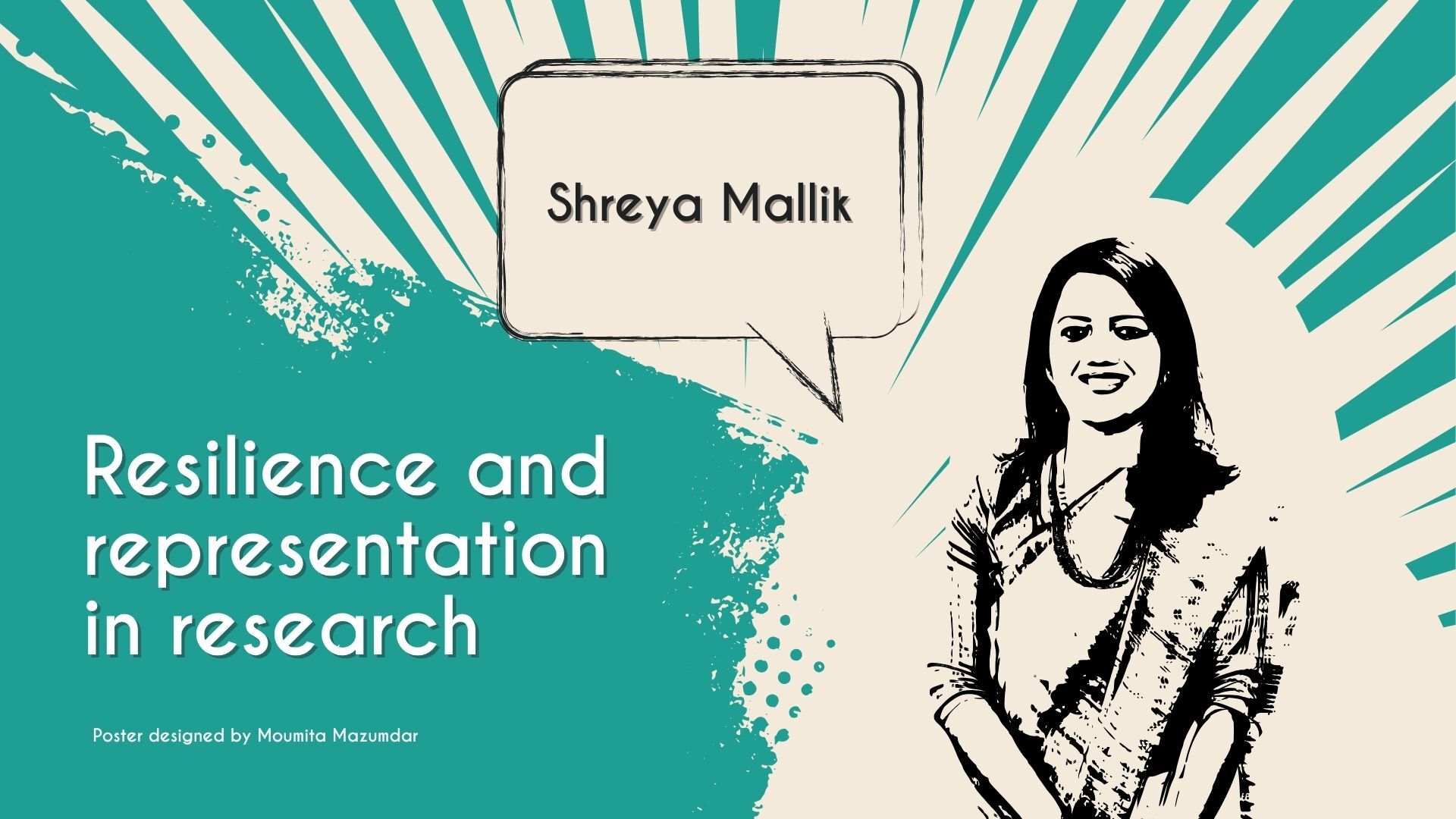
From biochemistry to shaping innovation ecosystems, this Resilience and Representation in Research article traces Shreya Malik’s journey across industry, research, and policy spaces. Now Program Head - Life Sciences at the Wadhwani Innovation Network, Wadhwani Foundation, she reflects on mentorship, allyship, and the importance of diverse science career pathways in building more inclusive scientific ecosystems. This article was written by Gayathri Sreedharan, who is currently working as a Grants and Communications Associate at SreePVF.
The Journey of a Young Investigator (JOYI) series comprises feature articles by young investigators working in India about their lived experiences of resilience, growth, and innovation within the life sciences research ecosystem. This is an ongoing series, and we published some features last month.
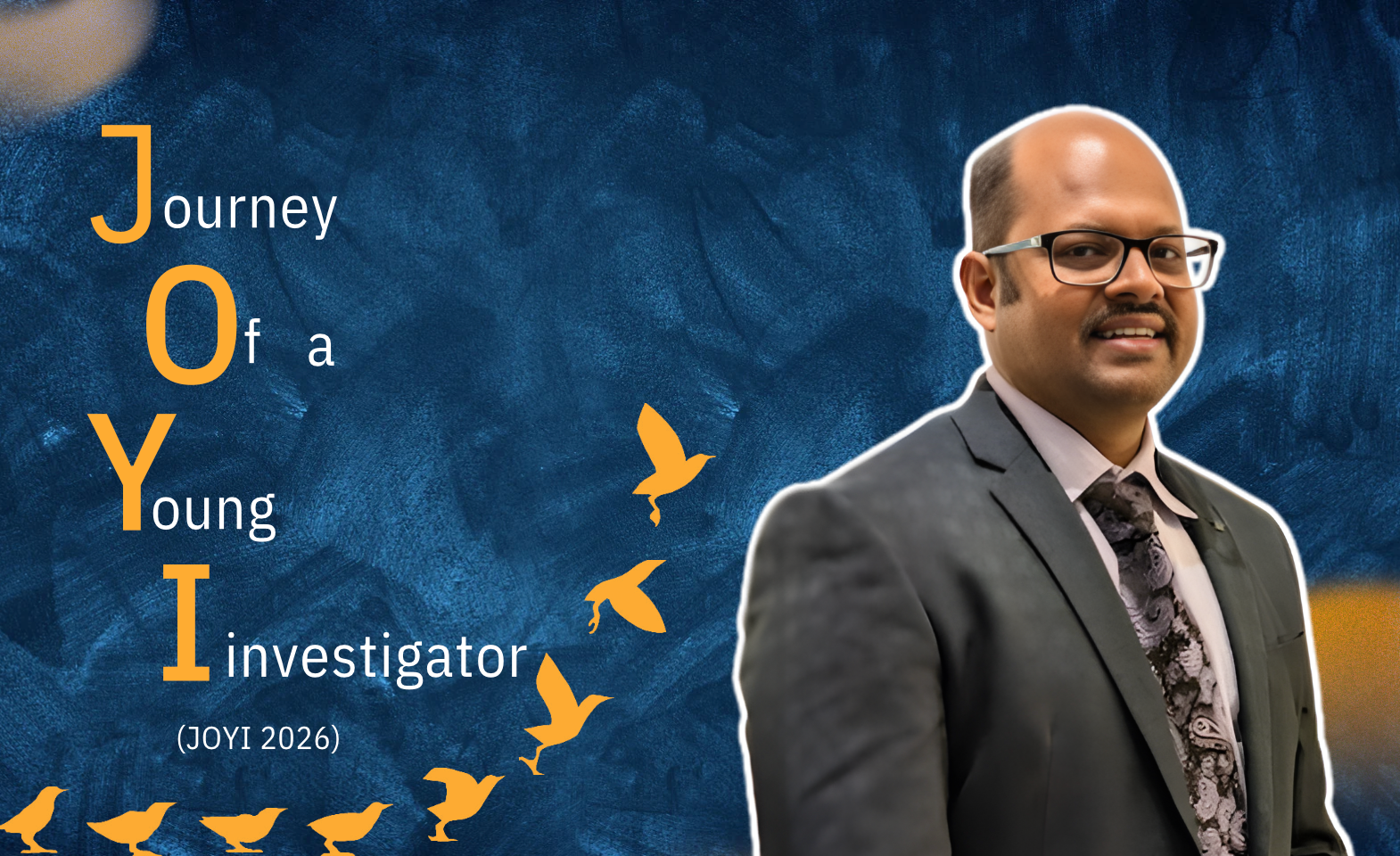
From a small town in Uttar Pradesh to leading interdisciplinary research, this Journey of a Young Investigator (JOYI) 2026 story follows Santosh Kumar Chaudhary, Distinguished Professor at UPES, Dehradun. His journey — spanning structural biology, chemical biology, and drug discovery — highlights how integrating disciplines shaped his career and enabled new directions in research.
The following two articles are part of a collaborative series by IndiaBioscience and EMBO that highlights the research journeys, scientific contributions, and perspectives of members of the EMBO Global Investigator Network from India.
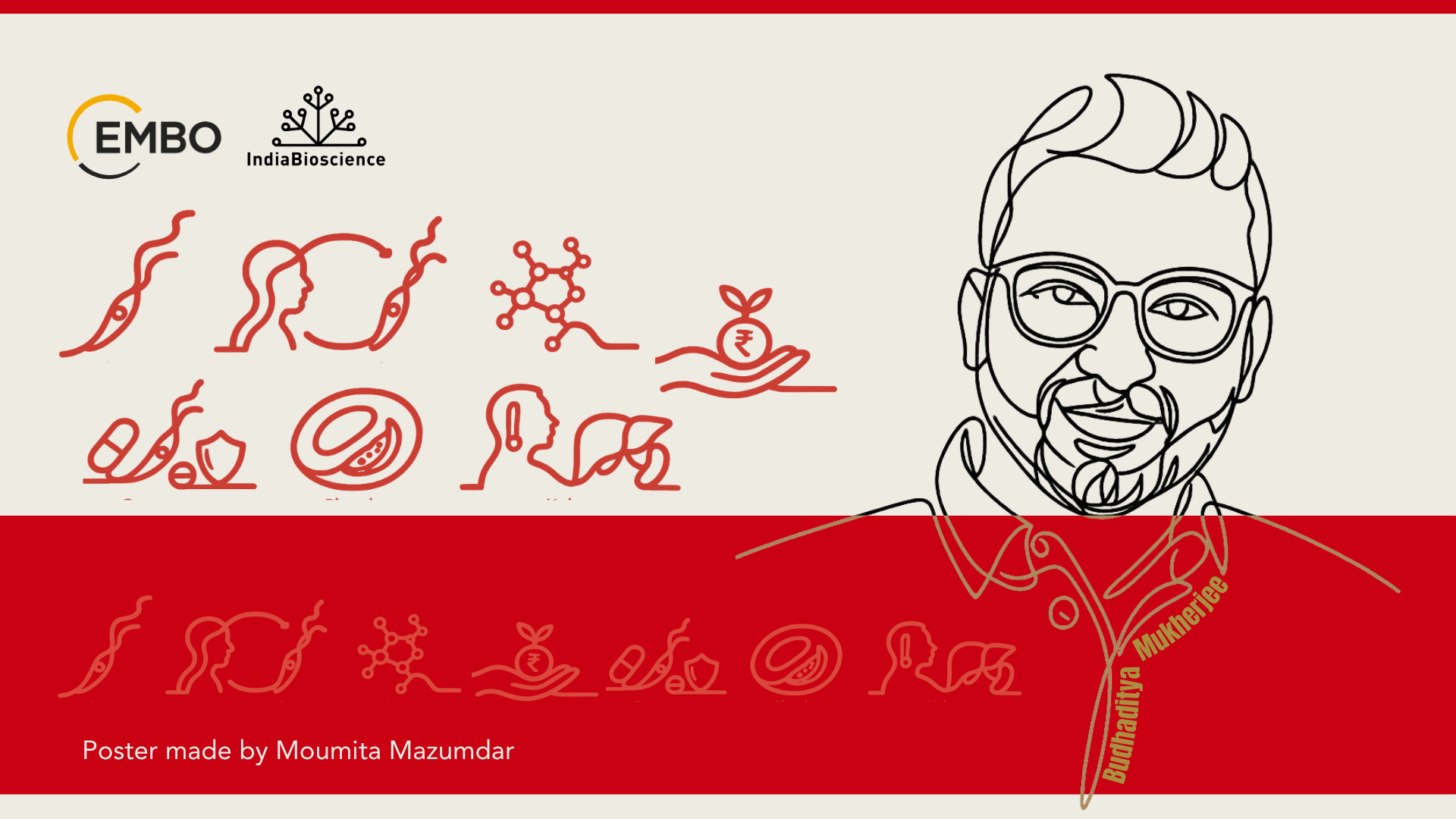
A childhood fascination with the image of a scientist led Budhaditya Mukherjee, an Assistant Professor at the Indian Institute of Technology Kharagpur (IIT Kharagpur) and an EMBO Global Investigator Network (EMBO GIN) awardee, to a career studying one of the world’s most adaptable parasites, Leishmania. In this profile, he reflects on research, resilience, mentorship, genome plasticity, and how understanding pathogen evolution may help address drug resistance and chronic infections. This article is written by Debolina Manna, a fifth-year PhD scholar working with Budhaditya at the School of Medical Science and Technology of IIT Kharagpur, where her research involves decoding the role of Leishmania proteases that establish varied infectivities in mammals.
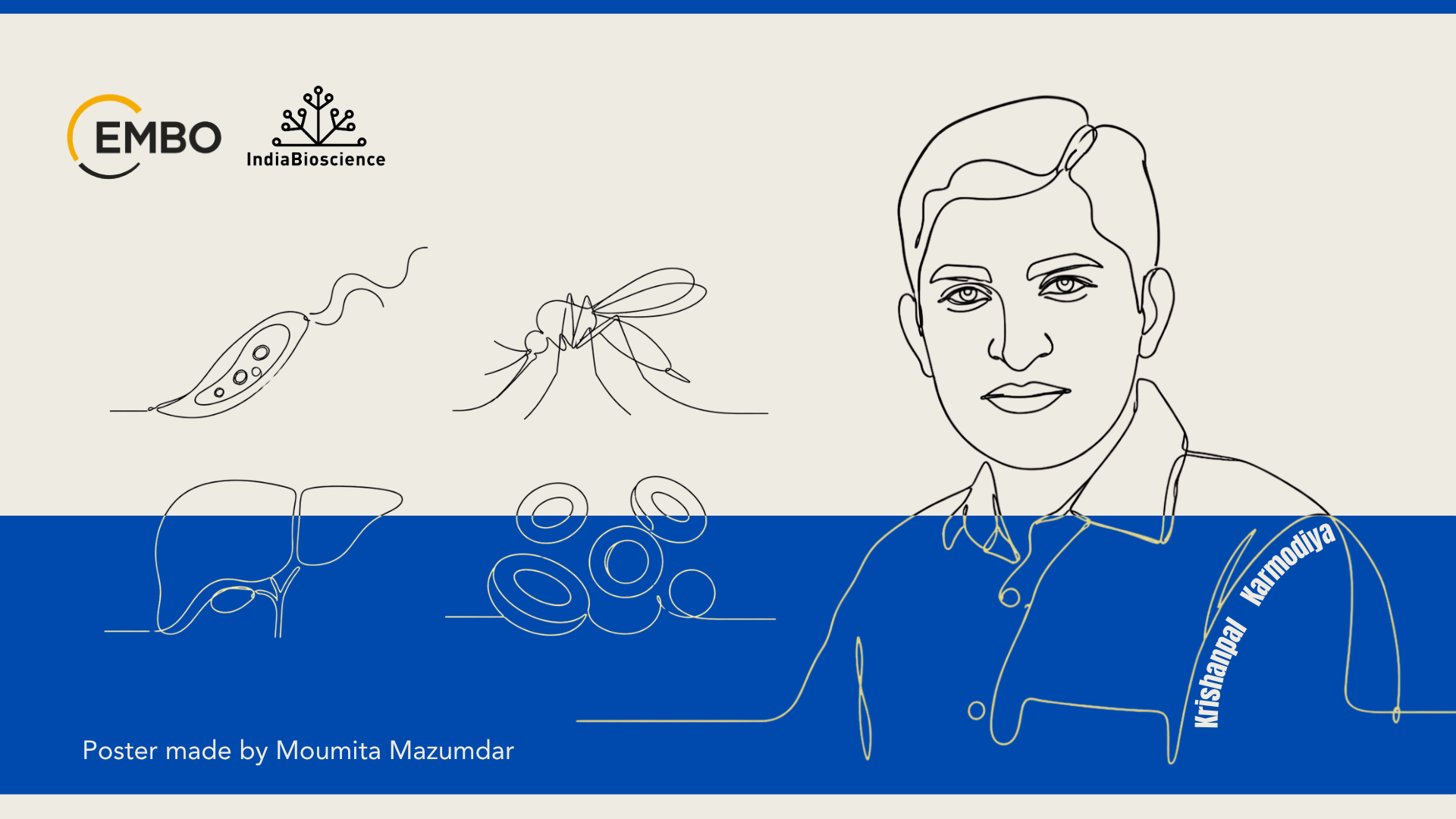
From a small village in Madhya Pradesh to leading a research group at IISER Pune and an EMBO GIN awardee, Krishanpal Karmodiya’s journey reflects resilience, curiosity, and perseverance. His lab investigates how the malaria parasite Plasmodium rapidly adapts to changing environments and drug pressures, offering new insights into disease biology and control. This article is written by Netra Kadambi. She is a PhD student from IISER-Pune studying ant biodiversity in Arunachal Pradesh.
As part of our ongoing partnership with CSIR-CCMB, Hyderabad, to showcase work by young science writers and visual communicators, we have been sharing articles originally published on SciTales by CCMB.
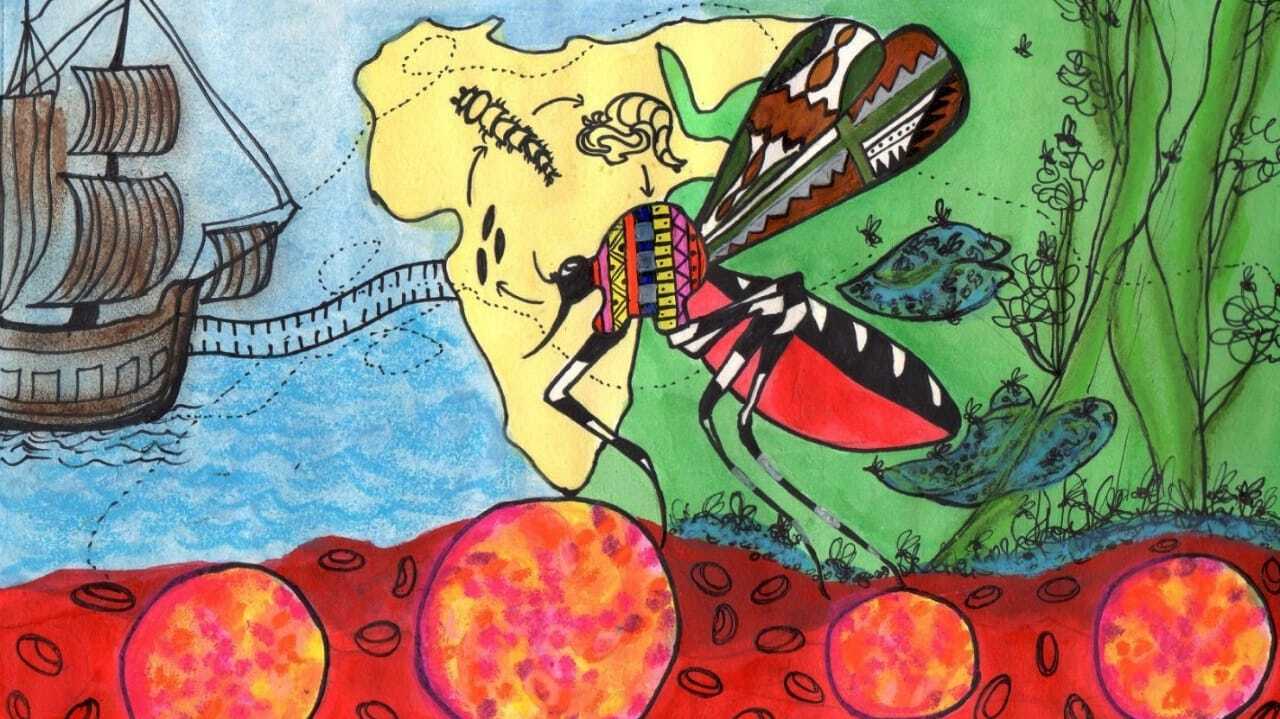
Written by Vishal Sah, a molecular virologist and CSIR-CCMB alumnus, this article explores how dengue is more than just a seasonal disease; it is the result of a long evolutionary partnership between viruses, mosquitoes, and humans. Discover how Aedes aegypti became such an efficient carrier of dengue, the biology behind viral transmission, and why urbanisation continues to fuel its spread across the world.
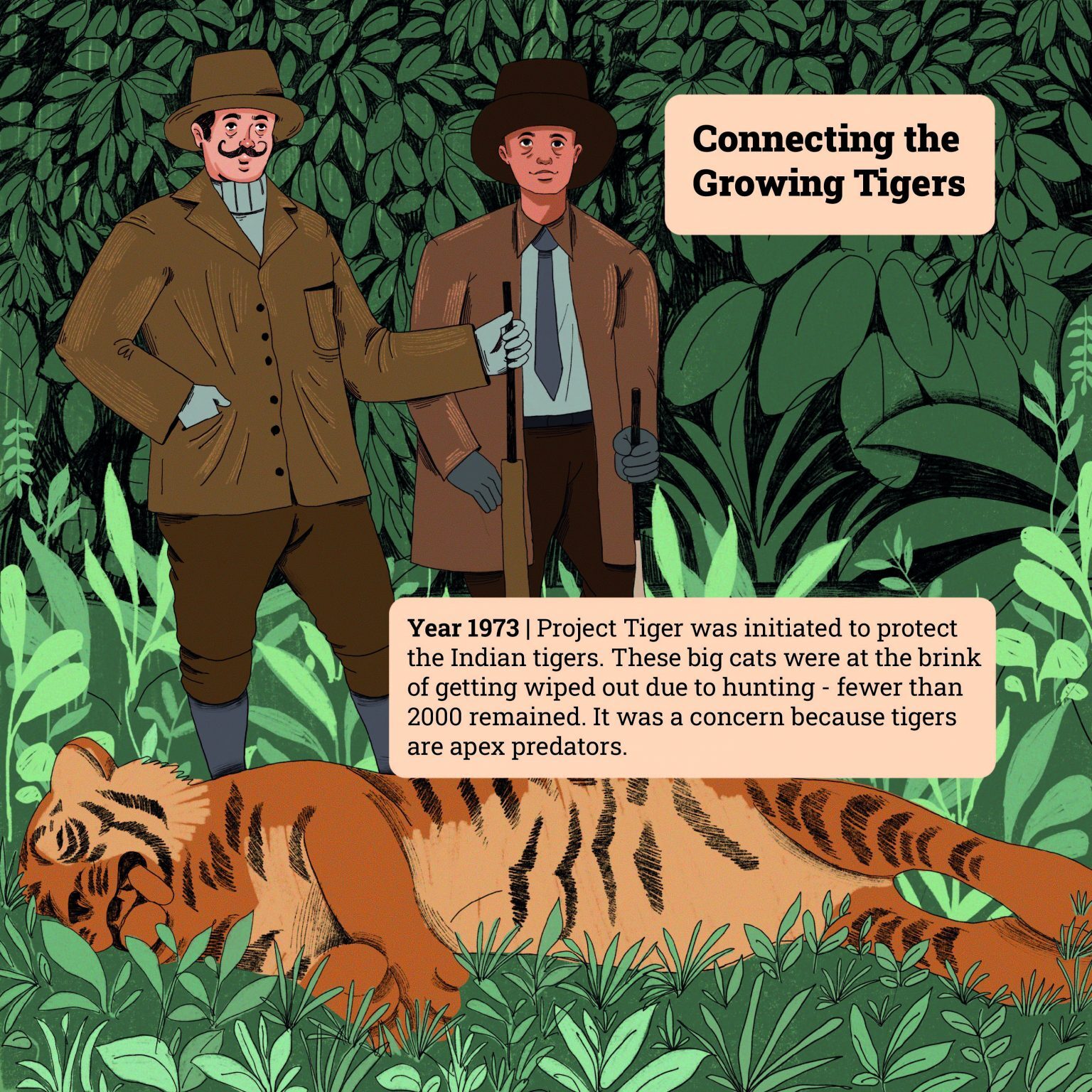
India is home to nearly three-fourths of the world’s wild tiger population, making tiger conservation not just a national priority but a global responsibility. Yet, conserving tigers is about far more than protecting isolated forest reserves.
As tiger populations recover in some regions, young tigers increasingly move across fragmented landscapes in search of territory, mates, and resources. These journeys are often interrupted by highways, railways, expanding human settlements, and shrinking forest corridors, creating invisible barriers between tiger habitats. Scientists and conservationists are therefore turning their attention toward wildlife corridors, ecological pathways that help connect fragmented forests and allow animals to move safely across landscapes. Research from institutions has helped demonstrate that maintaining these connections is critical for sustaining genetic diversity, reducing human–wildlife conflict, and ensuring the long-term survival of tiger populations in India.
The visual narrative “Connecting the Growing Tigers” further highlights how science communication can make complex conservation research more accessible to wider audiences by combining ecological research with storytelling and illustration.
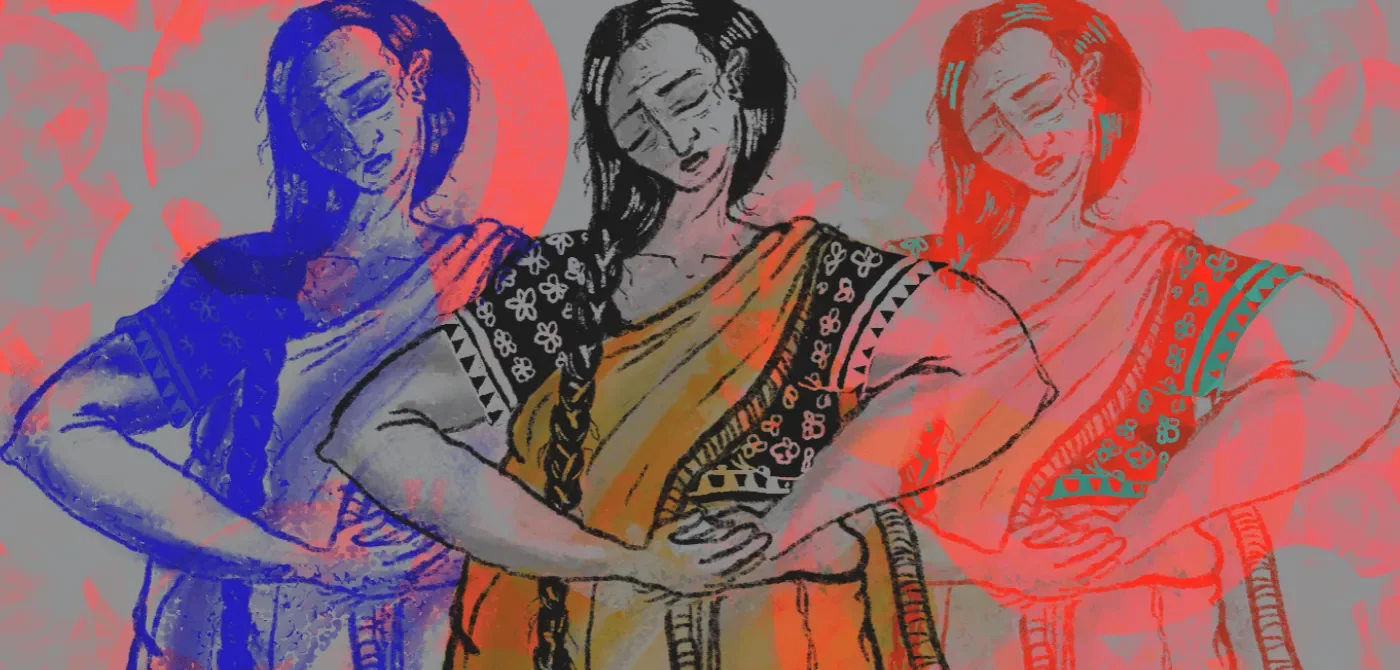
The Gendered Language of Pain explores how women's experiences of pain are shaped by biology, cultural beliefs, and healthcare systems that have historically overlooked or dismissed them. Drawing from personal experience and scientific evidence, Ponnari Gottipati, Associate Director of Research at the LV Prasad Eye Institute and a WomenLift Health Global Fellow, examines gender disparities in pain perception, diagnosis, and treatment, calling for more equitable, patient-centred healthcare. This article was originally published in The India Forum and republished on IndiaBioscience’s website with permission.
What satisfies you the most in your job? What is your biggest struggle as a faculty member? What is one mistake you would advise young faculty to avoid early in their careers? Aditya Parekh and Sakshi Poddar from Naviclar posed these questions to 32 academics from India and other parts of the world to draw insights into mentorship, funding, framing research questions, and other topics that young faculty members grapple with.
The article is co-authored by Aditya, who is an IIT Kharagpur PhD and Fulbright Fellow; Sakshi, who holds a PhD in Molecular Microbiology from NISER, Bhubaneswar; Siuli Mitra, Executive Director of IndiaBioscience; and Sreshtha Mondal, former Program Manager – Digital Initiatives at IndiaBioscience.
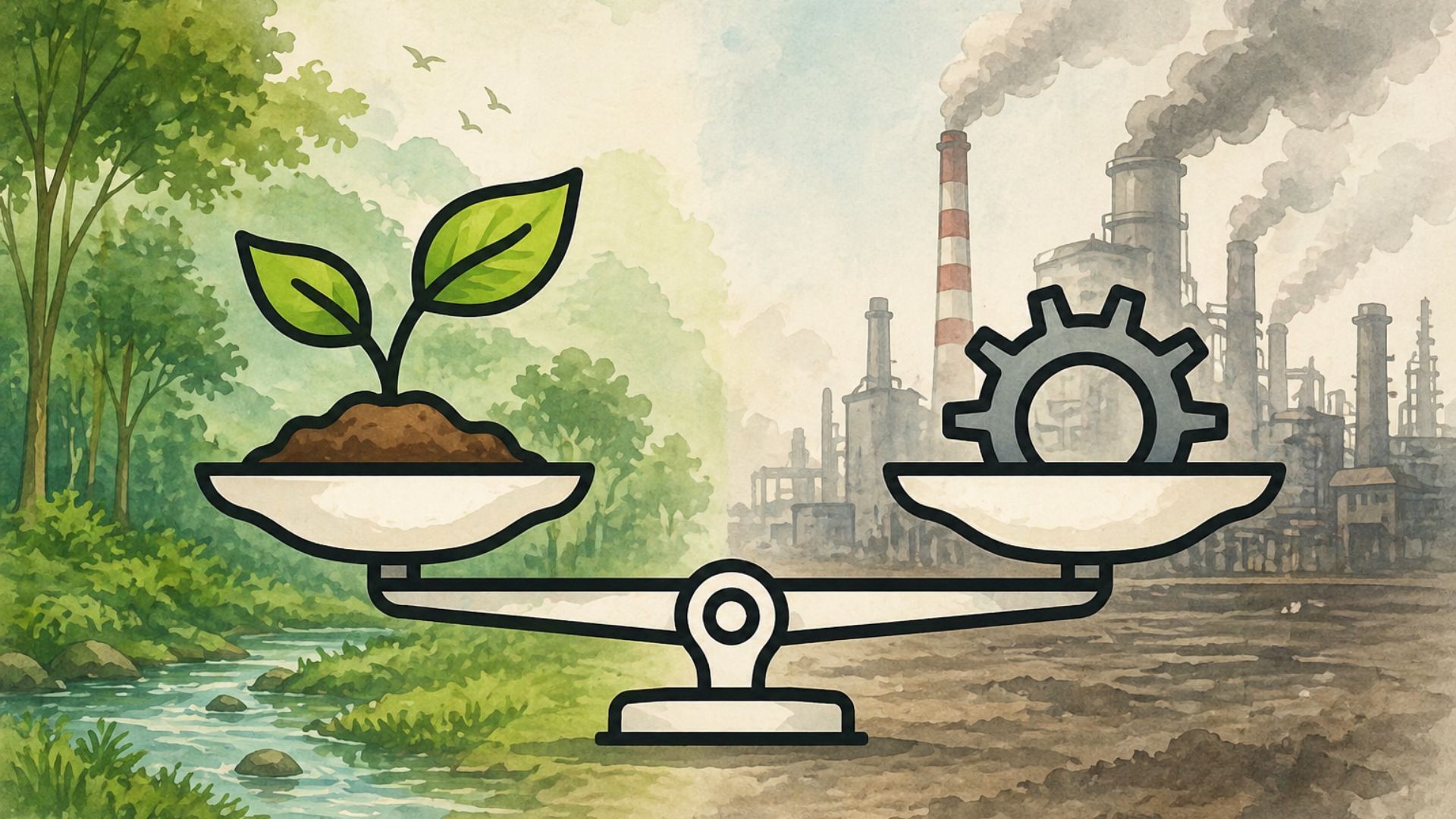
Satyajeet Gupta, Sai Rama Raju Marella and Shatarupa Sarkar explore what survival truly means beyond biological persistence, examining it through ecological and sociological perspectives. Drawing on case studies from India, they reveal how power, inequality, and environmental injustice shape survival, arguing for a just, regenerative, and inclusive future that prioritises dignity, equity, and long-term ecological sustainability.
Rahul Pallipurath, a Graduate Research Fellow at the JSW Centre for the Future of Law, National Law School of India University (NLSIU), Bengaluru, explores in an opinion piece, whether India is prepared for the arrival of animal-to-human organ transplants. Tracing the journey from India's first controversial pig-to-human transplant in 1997 to today's gene-edited breakthroughs, he examines the scientific advances, ethical concerns, and regulatory gaps surrounding xenotransplantation.
Applications are open for the EMBO - IndiaBioscience Online Course on Fundamentals of Communication: Pitches, Posters and Presentations, designed for PhD students and postdoctoral fellows in the life sciences. Led by scientific communication trainer Laura Moro-Martín, the course will provide practical training in scientific storytelling, presentation design, poster preparation, research pitching, and audience engagement. Through interactive sessions and personalised feedback on participants’ own research presentations, the programme aims to strengthen essential communication skills for researchers at all career stages.
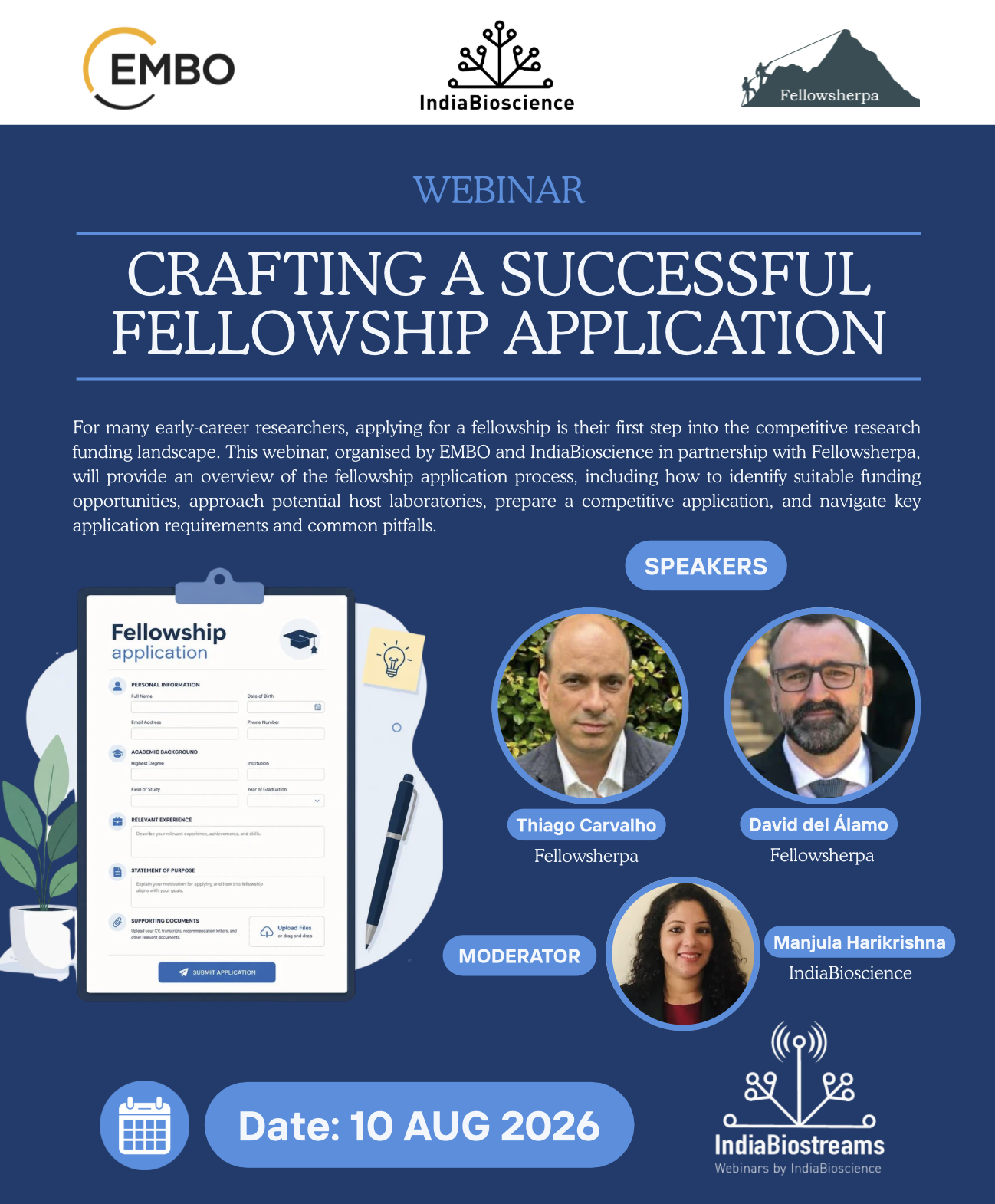
EMBO | IndiaBioscience Webinar in partnership with Fellowsherpa
Applying for an individual research fellowship is often a researcher's first step into the highly competitive world of scientific funding. To help PhD students and early-career postdoctoral researchers navigate this process, EMBO and IndiaBioscience, in collaboration with Fellowsherpa, will host a webinar led by Thiago Carvalho and David del Álamo of Fellowsherpa. The session will provide practical guidance on identifying suitable fellowship opportunities, approaching host laboratories, preparing competitive applications, and avoiding common pitfalls that can affect funding success.
Save the date: 10 August 2026. Registration and further details will be announced soon.
Please note: This webinar is separate from the EMBO-IndiaBioscience Fellowship Writing online course taking place from 22–24 July 2026. Researchers who applied for the online course but could not be accommodated are especially encouraged to attend, though the webinar is open to all interested participants.
Are you following our social media campaign #ScienceJobsTuesdays to stay updated about jobs, grants and events on X (formerly Twitter), Instagram, Facebook, and LinkedIn? Subscribe to our monthly Jobs and Internships newsletter here if you haven’t already.
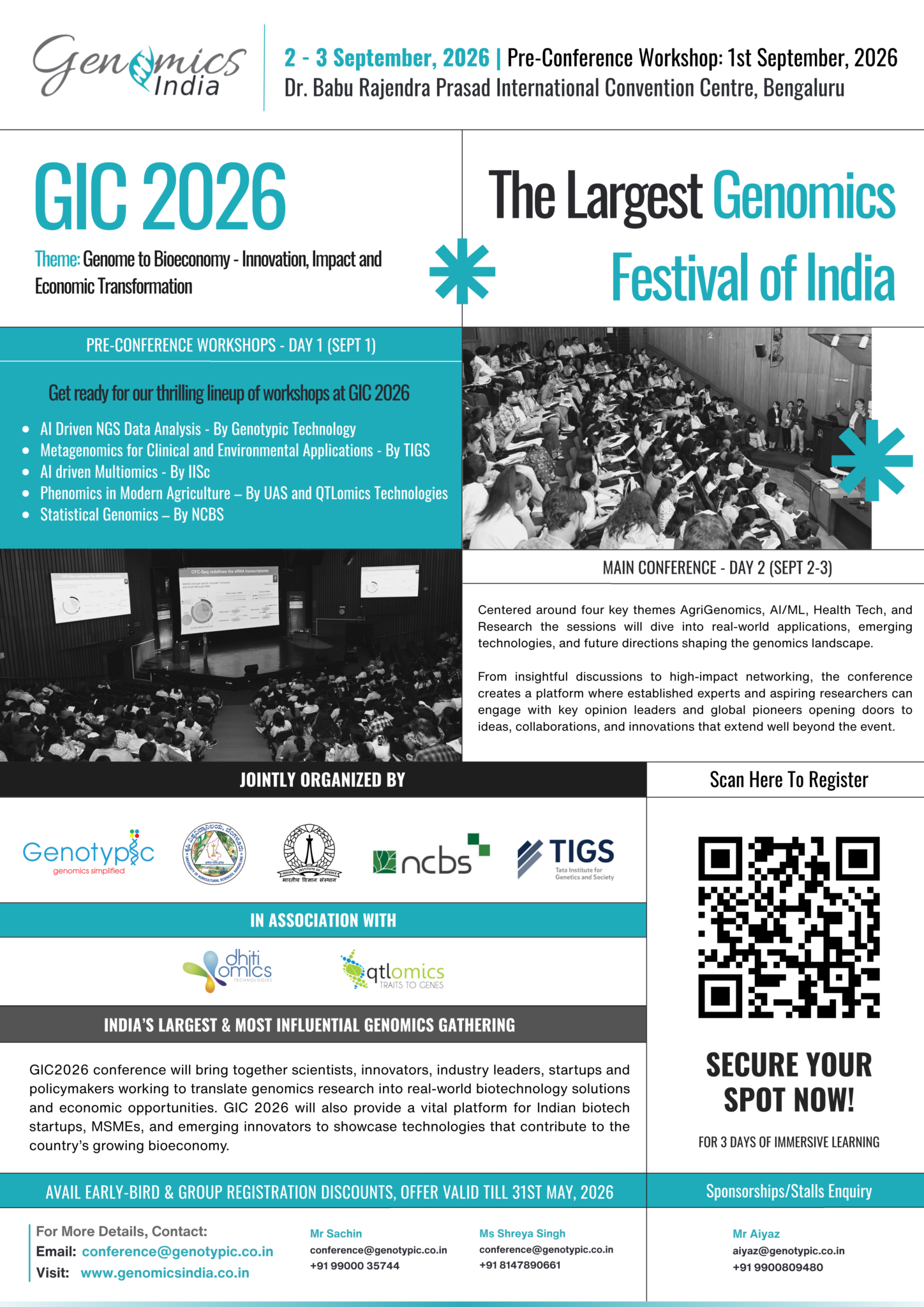
The Genomics India Conference returns for its sixth edition from 1–3 September 2026 in Bengaluru, bringing together global experts in genomics, biotechnology, and the bioeconomy. The conference will feature discussions on cancer genomics, microbiomes, AI-driven genomics, and more, alongside hands-on workshops.
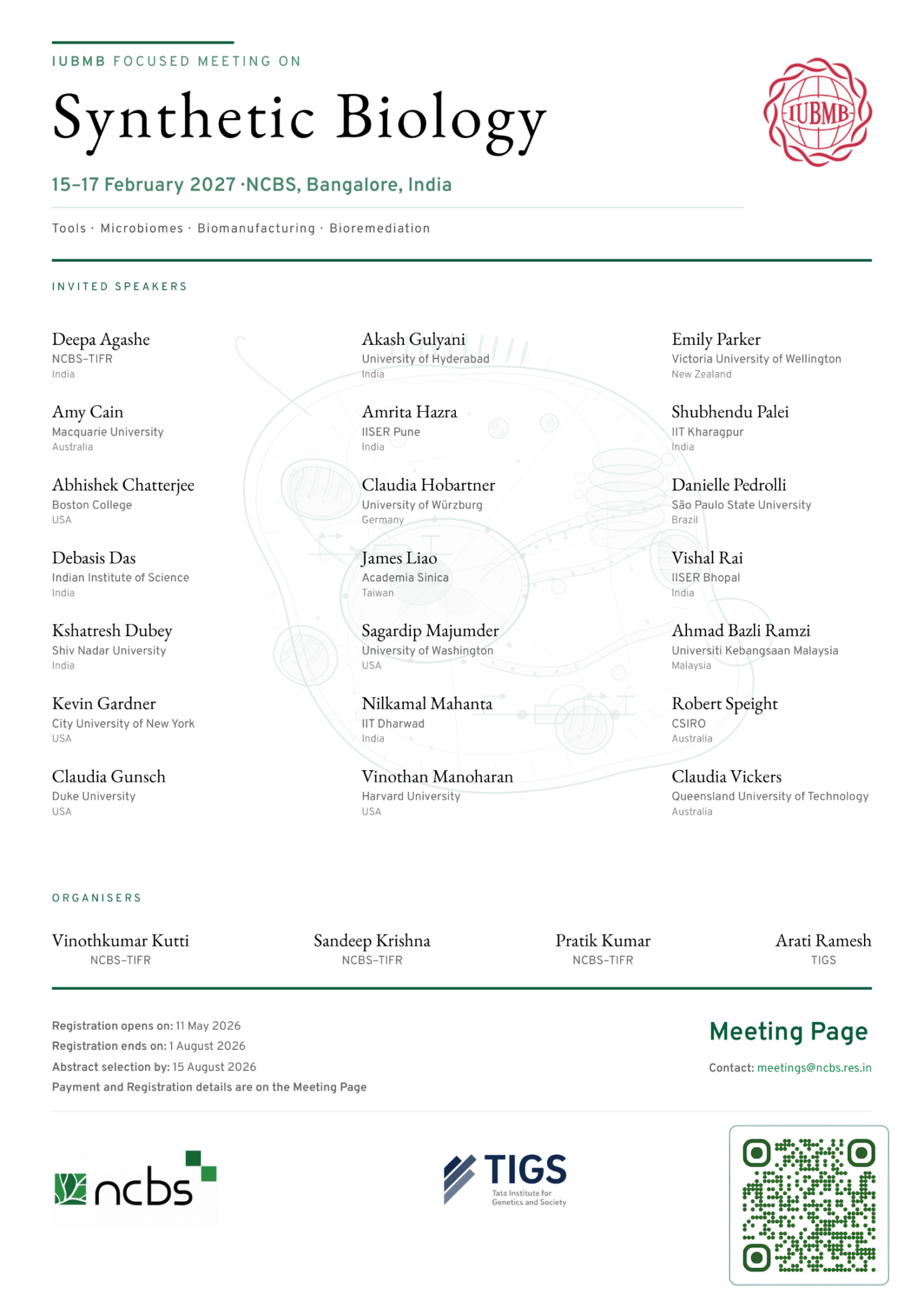
Registration is open for the IUBMB Focused Meeting on Synthetic Biology, taking place at NCBS, Bengaluru, from 15–17 February 2027. The meeting will bring together leading researchers to discuss advances in synthetic biology, including microbiomes, biomanufacturing, bioremediation, and emerging biological tools. Researchers, students, and professionals are encouraged to participate. Registration closes on 1 August 2026.
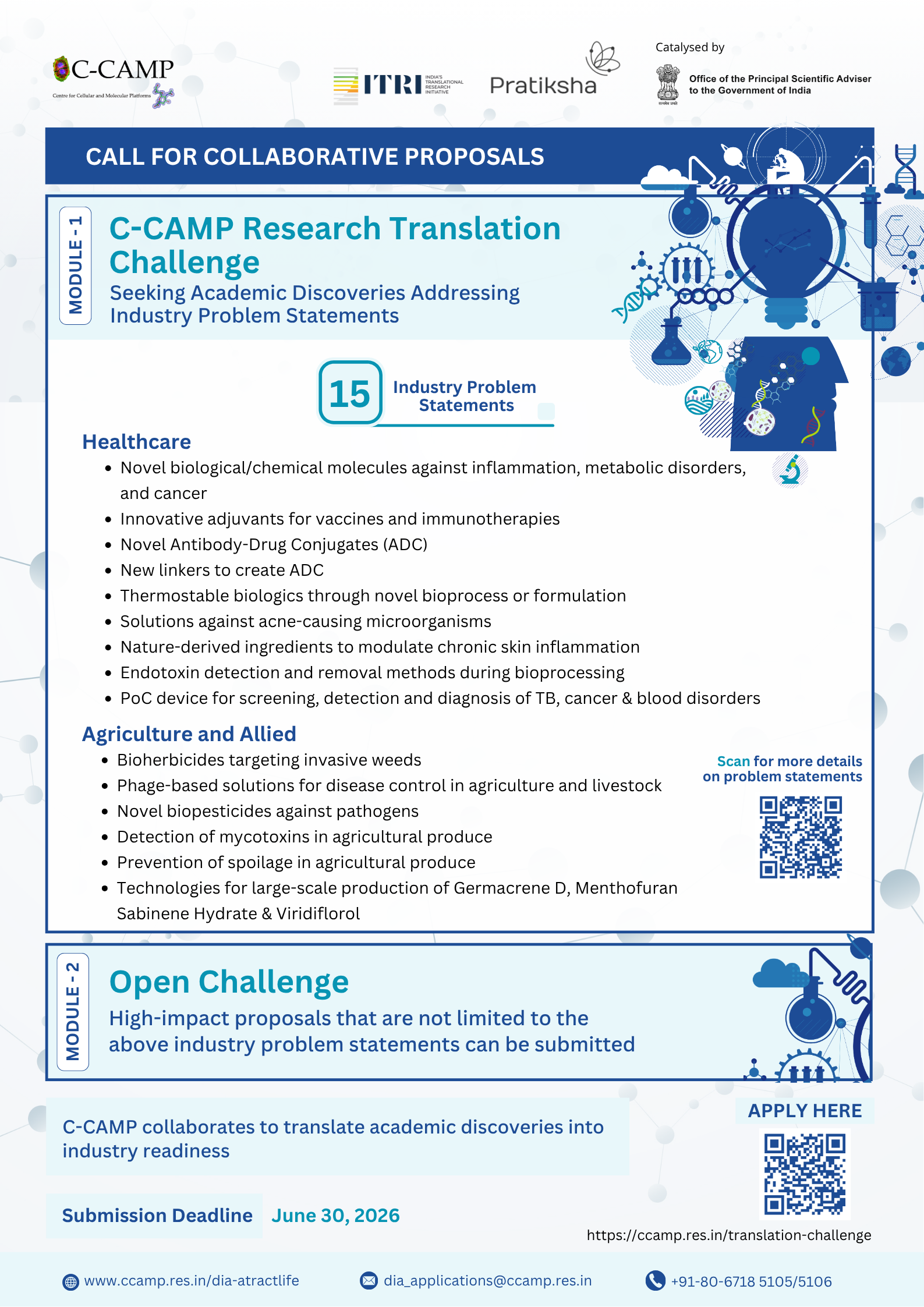
Applications are now open for the Research Translation Accelerator programme by the Discovery to Innovation Accelerator (DIA) at C-CAMP. The programme supports researchers in translating innovative solutions in healthcare, agriculture, and environmental sustainability into scalable, industry-ready technologies. Through an open call addressing industry-defined challenges, the initiative aims to bridge the gap between academia and industry while accelerating the development of societally impactful innovations. The application deadline is 15 July 2026.
The MSCA Postdoctoral Fellowships support researchers with a PhD to advance their careers through international mobility, interdisciplinary training, and collaboration. Open across all disciplines, these fellowships offer funding for research, training, and networking, along with mobility and living allowances. The 2026 call is now open, with a submission deadline of 9 September 2026.
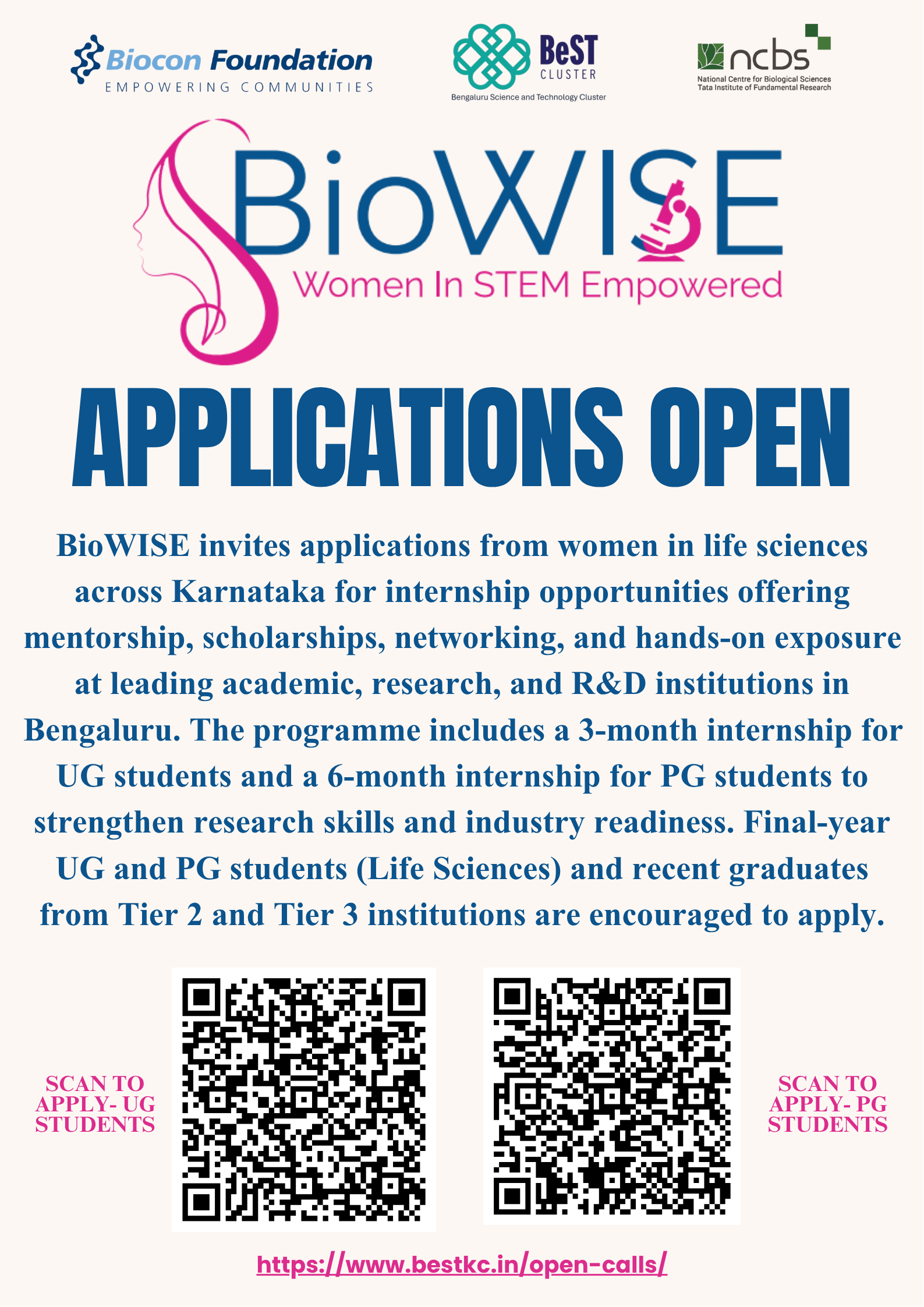
Applications are open for the BioWISE (Bio–Women in STEM Empowered) Internship and Scholarship Programme, a joint initiative of BeST Cluster, Biocon Foundation India, and NCBS. The programme supports women life science students from Karnataka through research internships, mentorship, scholarships, and professional skills training. Open to UG and PG students, with preference for women from Tier 2 and Tier 3 institutions and first-generation learners. Applications close on 31 July 2026. The programme runs from 1 September 2026 to 1 March 2027.