Resources Science Simplified by CCMB
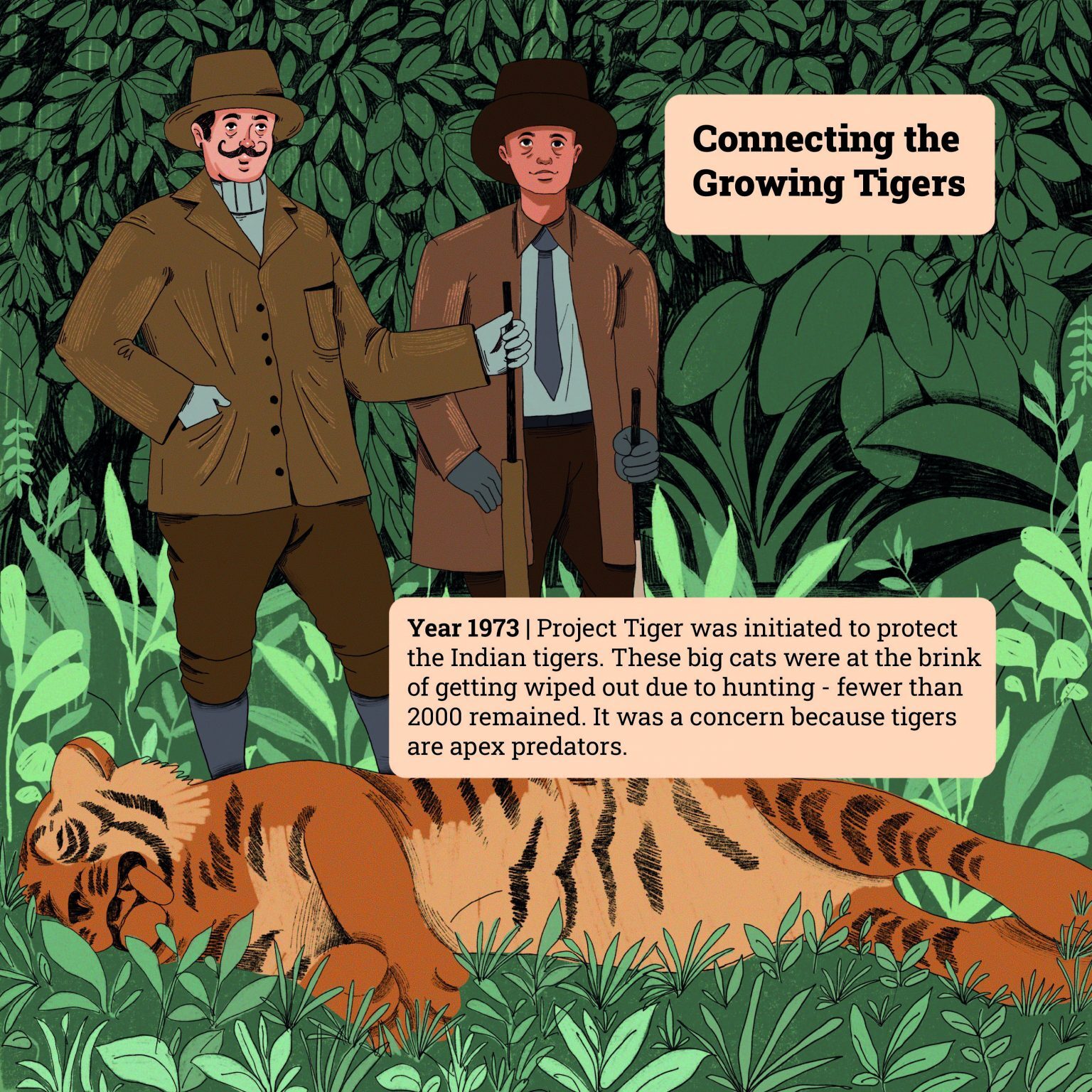
Connecting the growing tigers
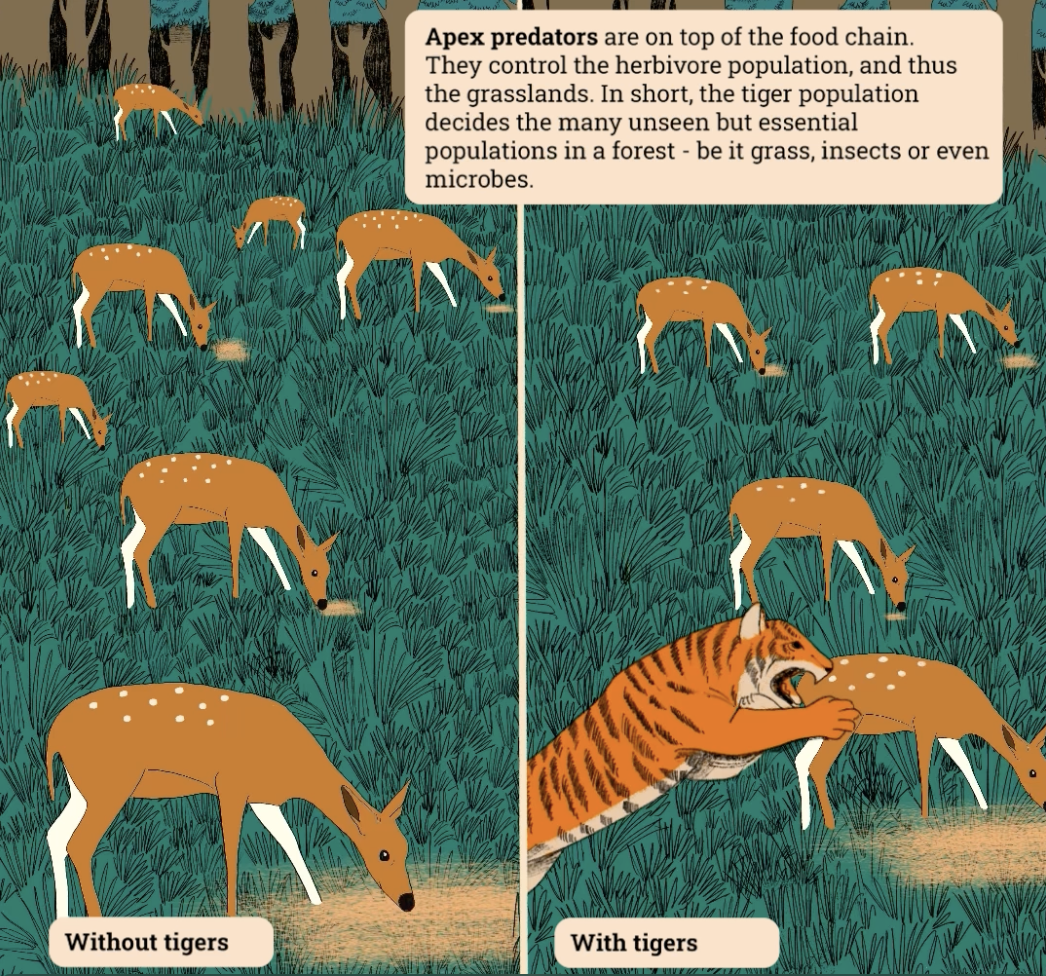
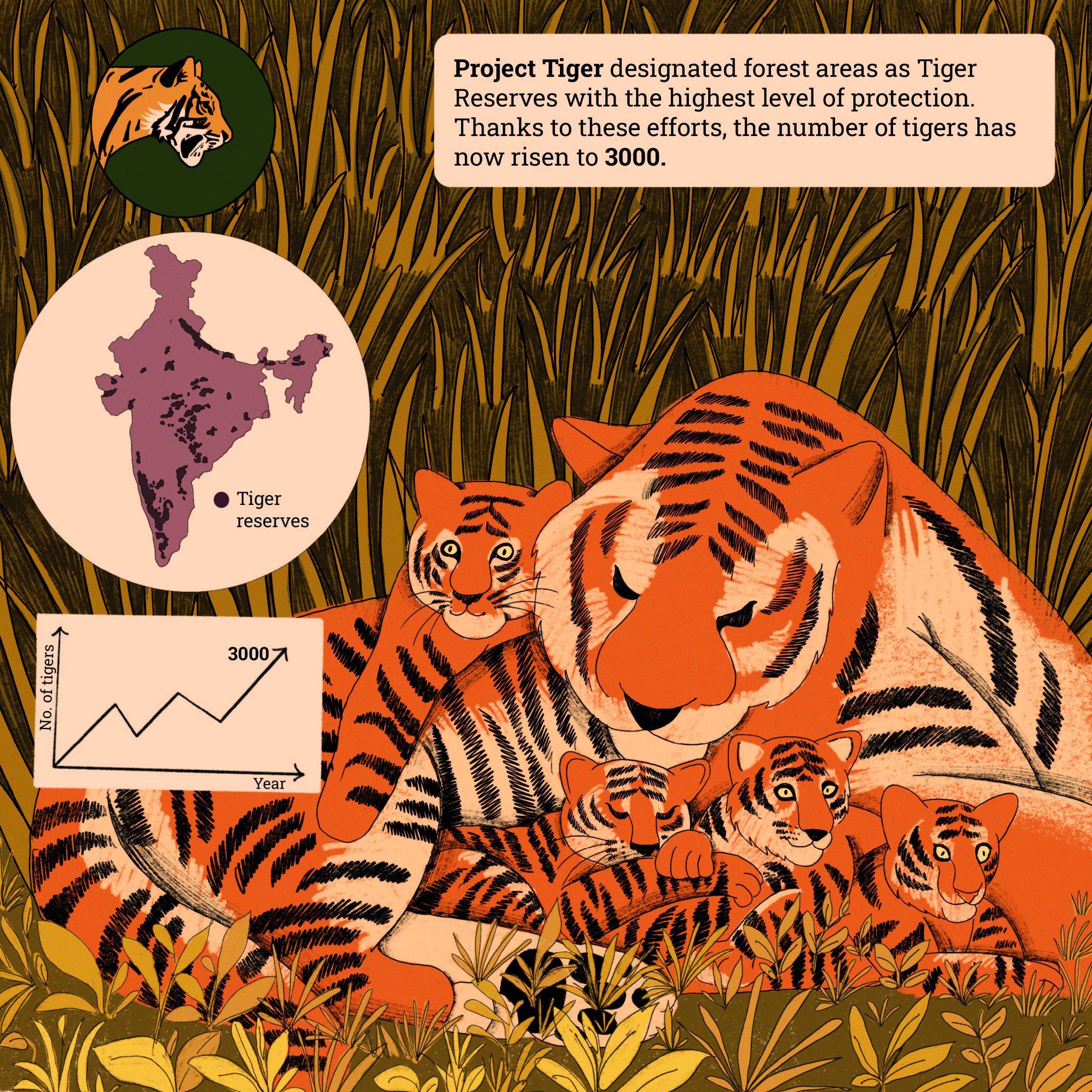
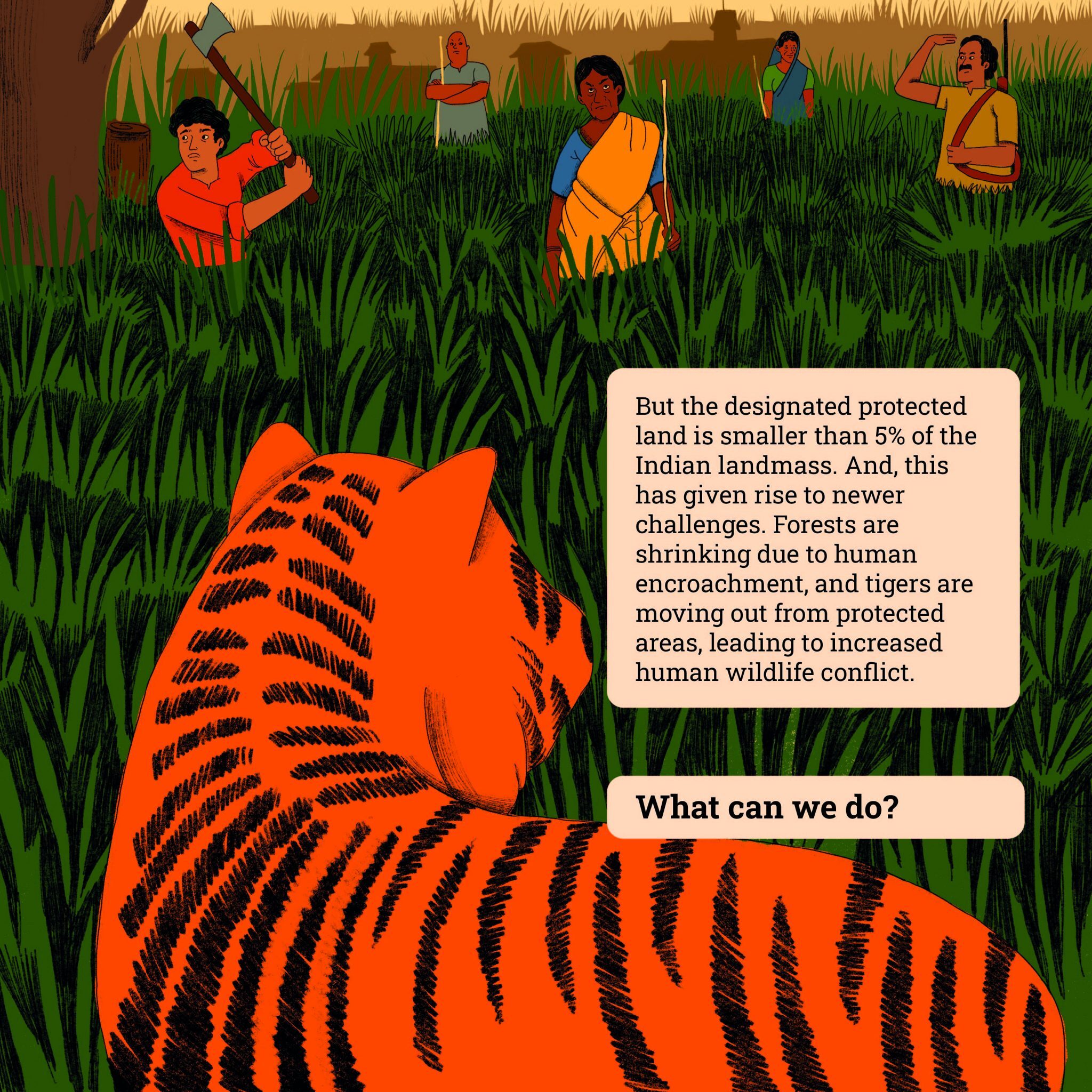
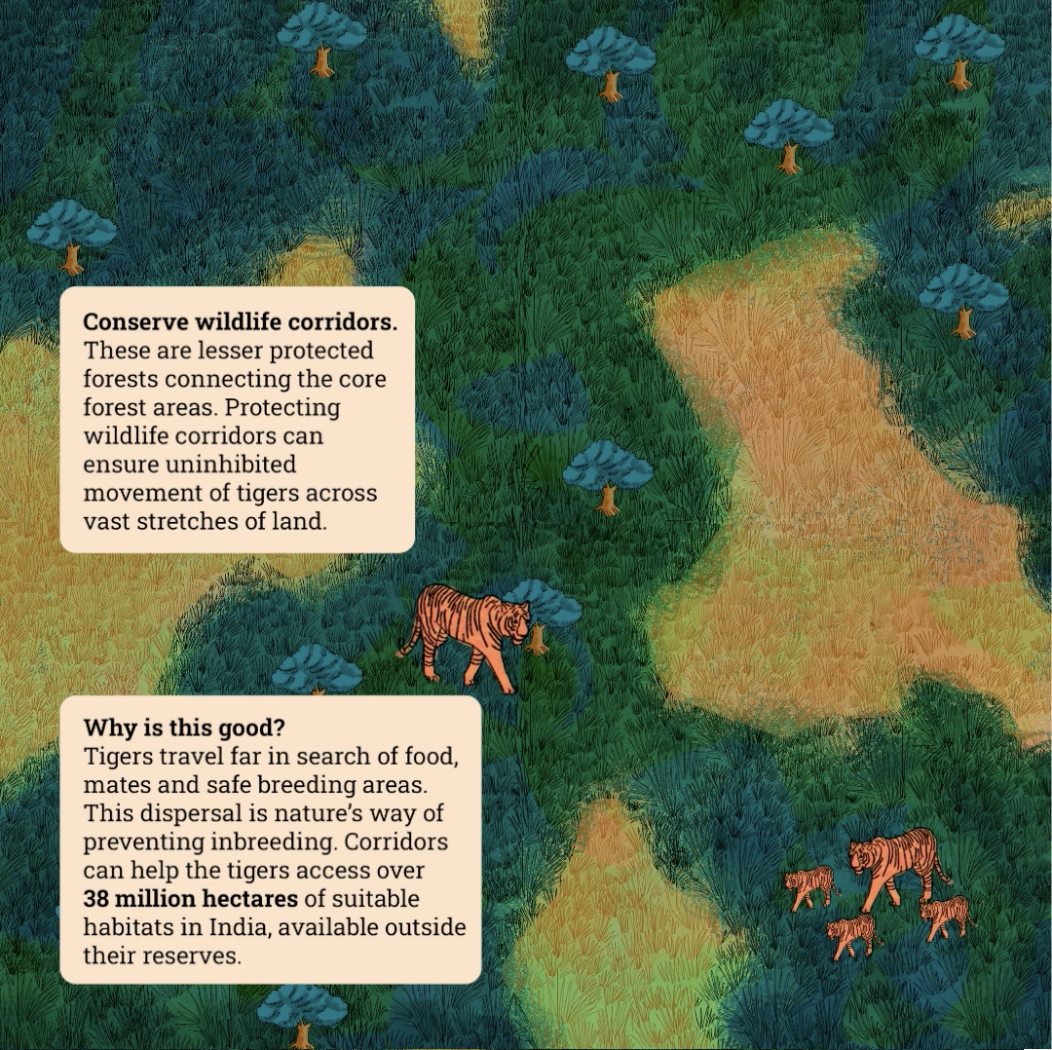
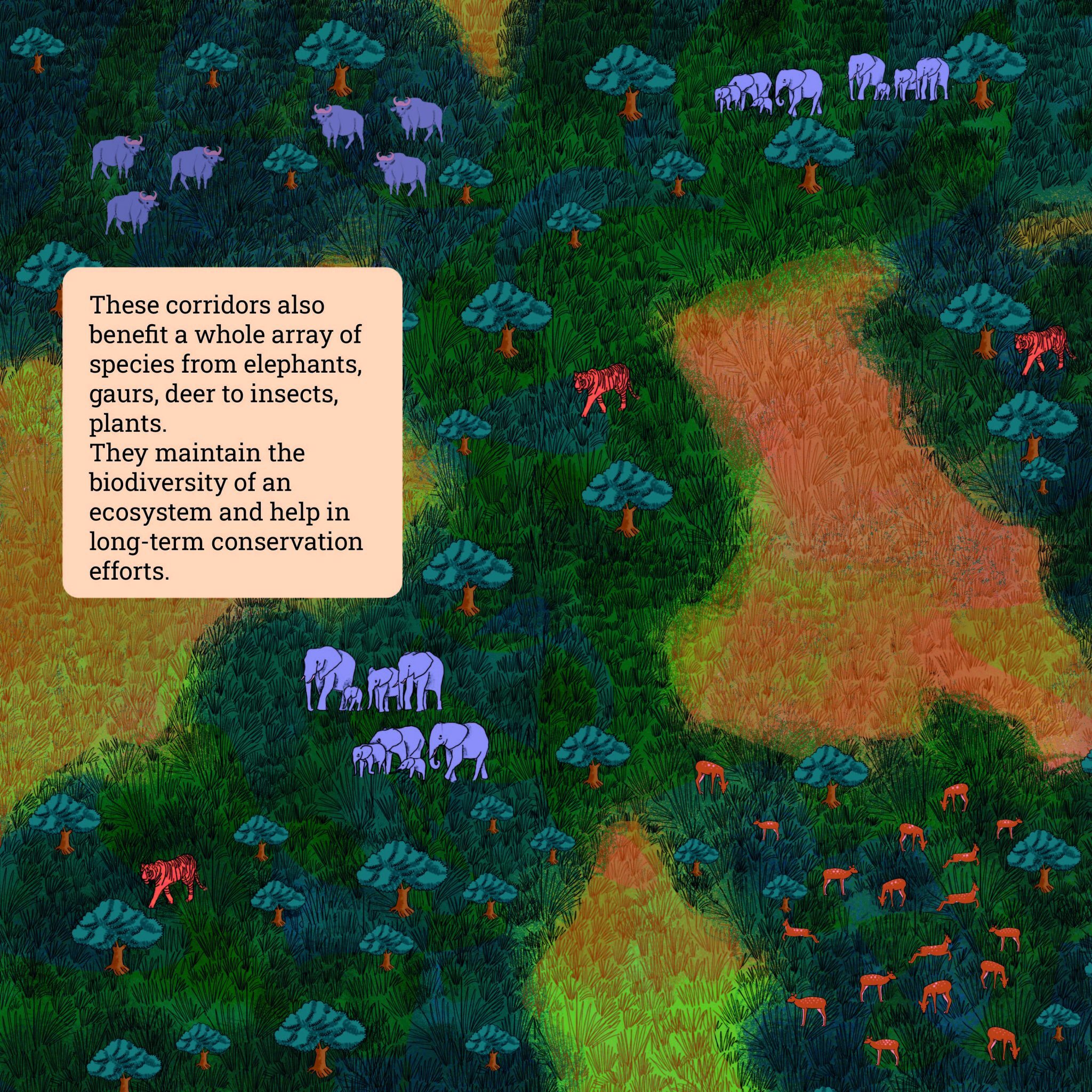
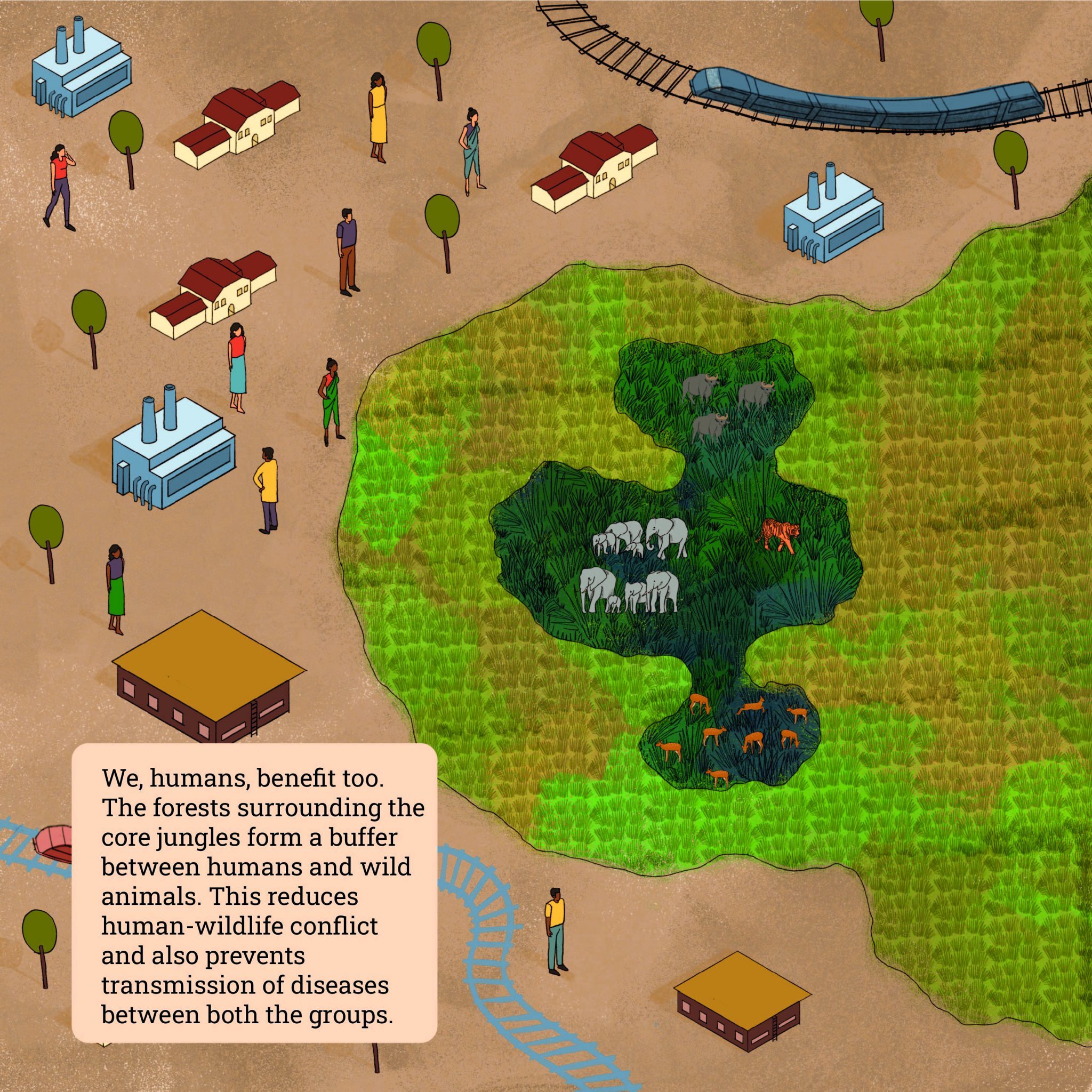
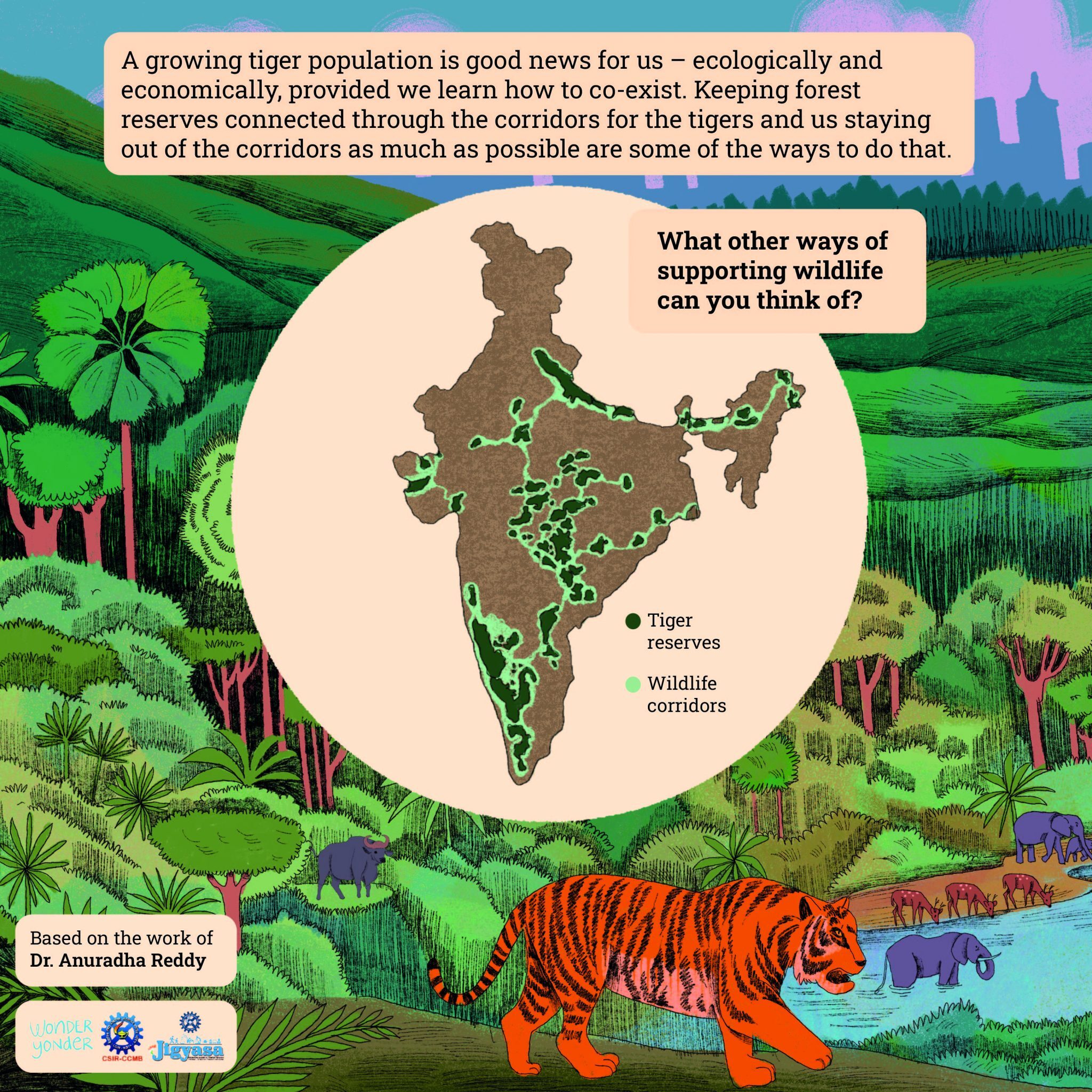
India is home to nearly three-fourths of the world’s wild tiger population, making tiger conservation not just a national priority but a global responsibility. Yet, conserving tigers is about far more than protecting isolated forest reserves. As tiger populations recover in some regions, young tigers increasingly move across fragmented landscapes in search of territory, mates, and resources. These journeys are often interrupted by highways, railways, expanding human settlements, and shrinking forest corridors, creating invisible barriers between tiger habitats. Scientists and conservationists are therefore turning their attention toward wildlife corridors, ecological pathways that help connect fragmented forests and allow animals to move safely across landscapes. Research emerging from institutions has helped communicate how maintaining these connections is critical for sustaining genetic diversity, reducing human–wildlife conflict, and ensuring the long-term survival of tiger populations in India. The visual narrative “Connecting the Growing Tigers” further highlights how science communication can make complex conservation research more accessible to wider audiences by combining ecological research with storytelling and illustration.
The original infographics were published in SciTales by CCMB