Imagine treating diseases not with pills or invasive procedures, but with carefully calibrated light. This is not science fiction; it is the emerging field of photobiomodulation (PBM), a non-invasive therapy that uses specific wavelengths of light to influence biological systems. As healthcare systems worldwide search for safer, cost-effective, and scalable solutions, PBM is gaining attention as a technology that could bridge cutting-edge science with real-world accessibility, particularly in countries like India.

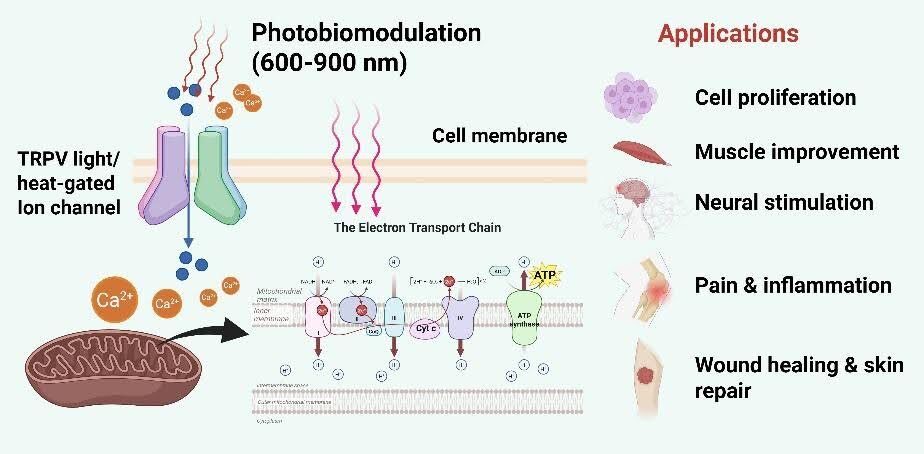
At its core, PBM works by delivering low-intensity light to tissues, where it interacts with mitochondrial chromophores such as cytochrome c oxidase. This interaction enhances cellular respiration and boosts adenosine triphosphate (ATP) production, the cell’s primary energy currency. Alongside increased energy metabolism, PBM triggers controlled reactive oxygen species (ROS) signalling, releases nitric oxide to improve blood flow, and activates transcription pathways linked to cellular repair and survival. Together, these effects support tissue regeneration, modulate immune responses, and optimise metabolic function.
Beyond these cellular effects, PBM is also being explored for its antimicrobial properties.
Unlike conventional antibiotics, light-based approaches can reduce microbial load and disrupt biofilms without contributing to antimicrobial resistance, offering a critical advantage in today’s healthcare landscape.
A major force behind the development of PBM is the Wellman Center for Photomedicine at Harvard Medical School, which has played a pioneering role in translating light-based technologies into clinical applications. With a legacy of innovation and the development of hundreds of light-based solutions, the centre has helped establish photomedicine as a credible and rapidly expanding discipline. Their work has laid the foundation for PBM’s integration into mainstream healthcare, from wound healing and pain management to neurological and metabolic disorders.
Clinically, PBM has demonstrated promising outcomes in most developing countries. In wound healing, it accelerates re-epithelialisation, enhances collagen production, and promotes angiogenesis effects that are particularly valuable for chronic conditions such as diabetic ulcers. Its immunomodulatory role is equally significant, as PBM helps rebalance inflammatory pathways by regulating cytokines and immune cell activity. This dual ability to reduce harmful inflammation while preserving host defence makes PBM a compelling approach for chronic inflammatory and autoimmune diseases.
Perhaps the most intriguing frontier lies in the interaction between PBM and the microbiota. The gut microbiome is increasingly recognised as a central regulator of health, influencing metabolism, immunity, and even brain function. Emerging evidence suggests that light can modulate microbial composition and activity, opening a new dimension in our understanding of host-microbe interactions.
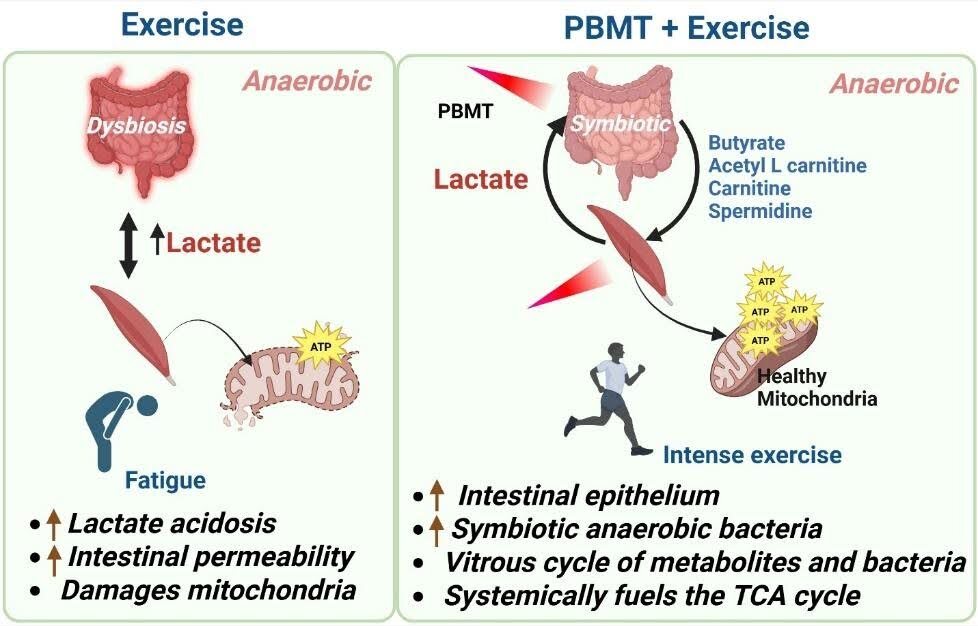
Recent experimental studies indicate that PBM can enhance the growth of beneficial microbes under controlled conditions and support metabolic adaptations in stressed environments. For instance, in high-lactate conditions, such as those that occur following intense physical activity, PBM appears to promote microbial utilisation of lactate. This process may indirectly support host energy metabolism by facilitating the conversion of lactate into usable intermediates for ATP production. Such findings suggest the existence of a “gut-muscle axis,” where microbial and host metabolism are closely interconnected.
This concept introduces the idea of a “virtuous cycle,” in which light exposure improves microbial balance, strengthens gut integrity, and enhances systemic metabolic performance. While still an emerging area of research, this intersection of photomedicine and microbiome science holds potential for applications ranging from the management of metabolic disorders to performance optimisation and improved gut health.
Technologically, PBM has evolved into a versatile, device-driven field. Current applications include low-level laser therapy (LLLT) systems for pain relief, LED-based platforms for dermatological conditions, transcranial devices for neurological disorders, and wearable systems for muscle recovery. These devices are typically non-invasive, portable, and increasingly user-friendly, making them suitable for both clinical and home settings.
For India, the relevance of PBM extends beyond scientific novelty. The country faces a dual challenge: a high burden of chronic and lifestyle diseases alongside constraints in healthcare infrastructure. Solutions that are non-invasive, cost-effective, and scalable are urgently needed. PBM aligns well with these requirements. Its device-based nature reduces reliance on hospital infrastructure, while its safety profile and ease of use make it adaptable for decentralised care, including rural health settings. There is also an opportunity to build indigenous research and innovation ecosystems around photomedicine. Integrating PBM with microbiome science, metabolic research, and maternal-child health could enable the development of targeted, affordable interventions tailored to India’s healthcare needs. Such efforts could address a wide range of conditions, including microbiota-associated disorders, metabolic syndromes, neurodegenerative diseases, and oral health challenges.
Importantly, PBM should not be seen as a replacement for conventional medicine, but as a complementary(adjuvant) tool that enhances therapeutic outcomes while reducing costs and invasiveness. Its integration into healthcare systems will require rigorous clinical validation, standardised protocols, and interdisciplinary collaboration between clinicians, engineers, and biologists.
PBM represents more than just a new therapy- it signals a shift in how we think about medicine. By leveraging light to influence biological systems at cellular, microbial, and systemic levels, PBM offers a pathway toward treatments that are precise, non-invasive, and widely accessible. For a country like India, where innovation must meet scale and affordability, this approach holds particular promise.
As research continues to uncover the complex interplay between light, cells, and microbes, PBM may well become a cornerstone of future healthcare, reshaping not only how we treat disease, but how we understand health itself.