This month, we bring you reflections, opportunities, and resources from across India’s life science ecosystem.
This issue features a reflection by Manoj Saxena, who attended this year’s Young Investigators’ Meeting (YIM 2026), and he writes about innovation, collaboration, and the structural challenges shaping India’s biotechnology landscape.
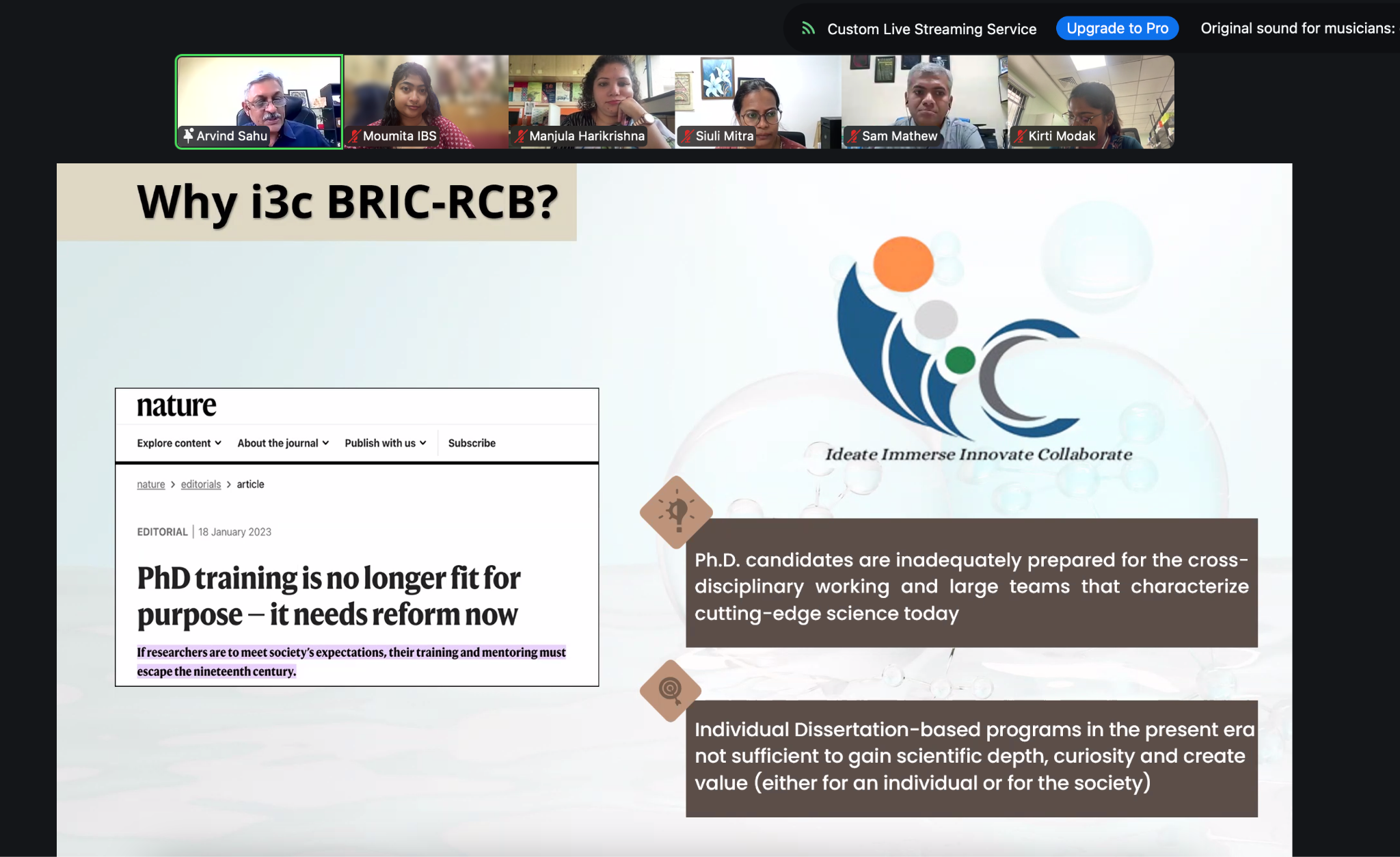
The i3c BRIC-RCB PhD Programme 2026 Town Hall took place this month. While applications are now closed, everyone who wants to learn about the programme structure and what sets it apart from other PhD programmes in the biological sciences can watch the session’s video.
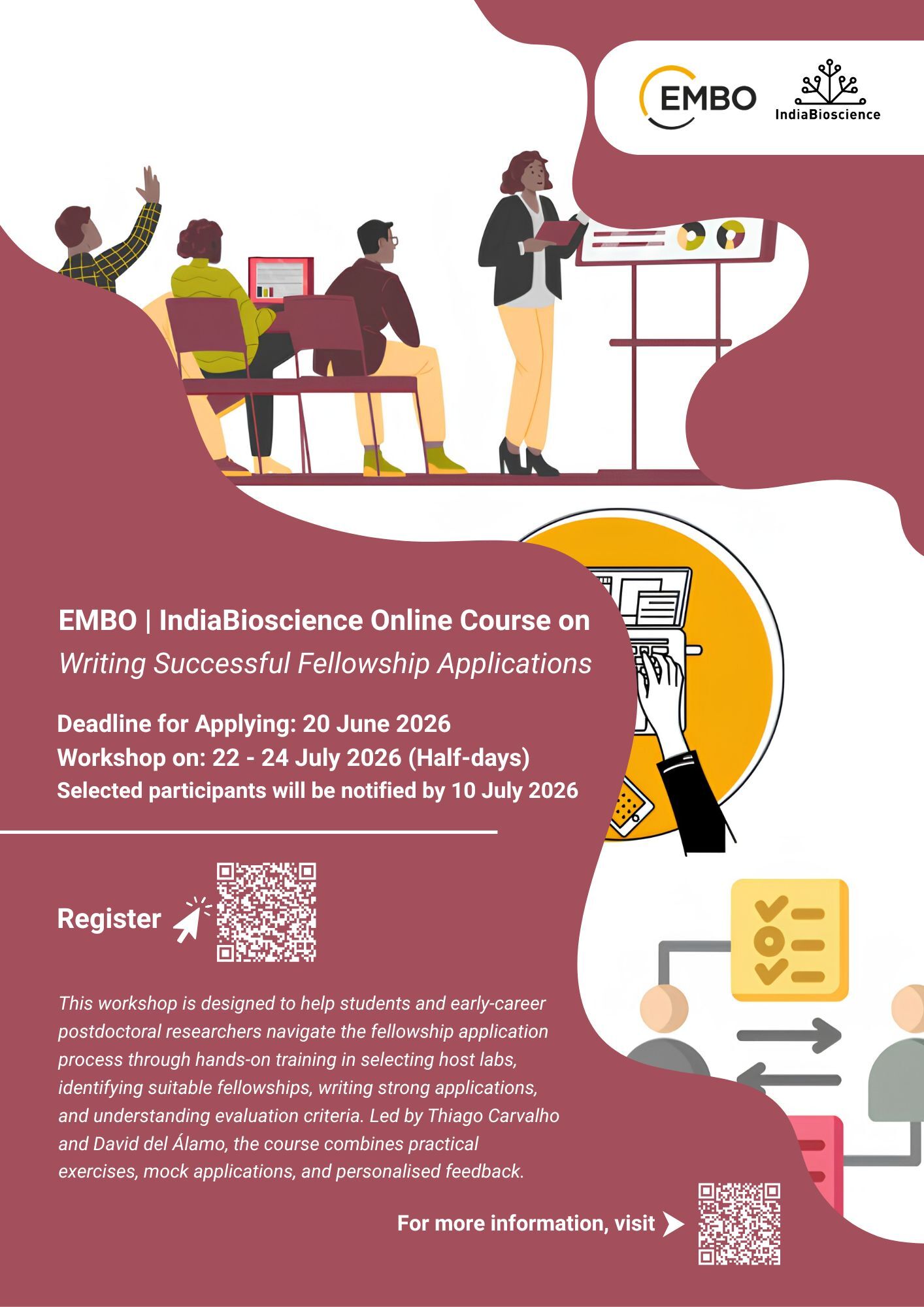
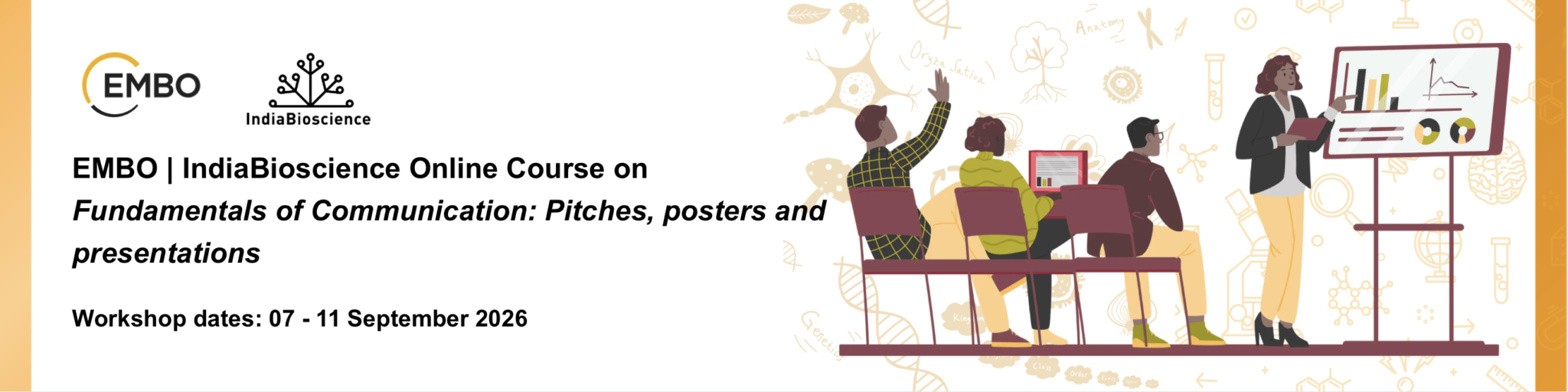
Applications are also open for the EMBO-IndiaBioscience Online Course on Writing Successful Fellowship Applications, a hands-on training programme for senior PhD students and early postdoctoral researchers seeking to strengthen their fellowship-writing skills. The course will be held online from 22–24 July 2026, with applications closing on 20 June 2026.
As always, we hope these stories and other pieces inspire you to connect with others in the community, collaborate, and contribute to a vibrant and inclusive life sciences community. Happy reading!
Networking and Mentorship
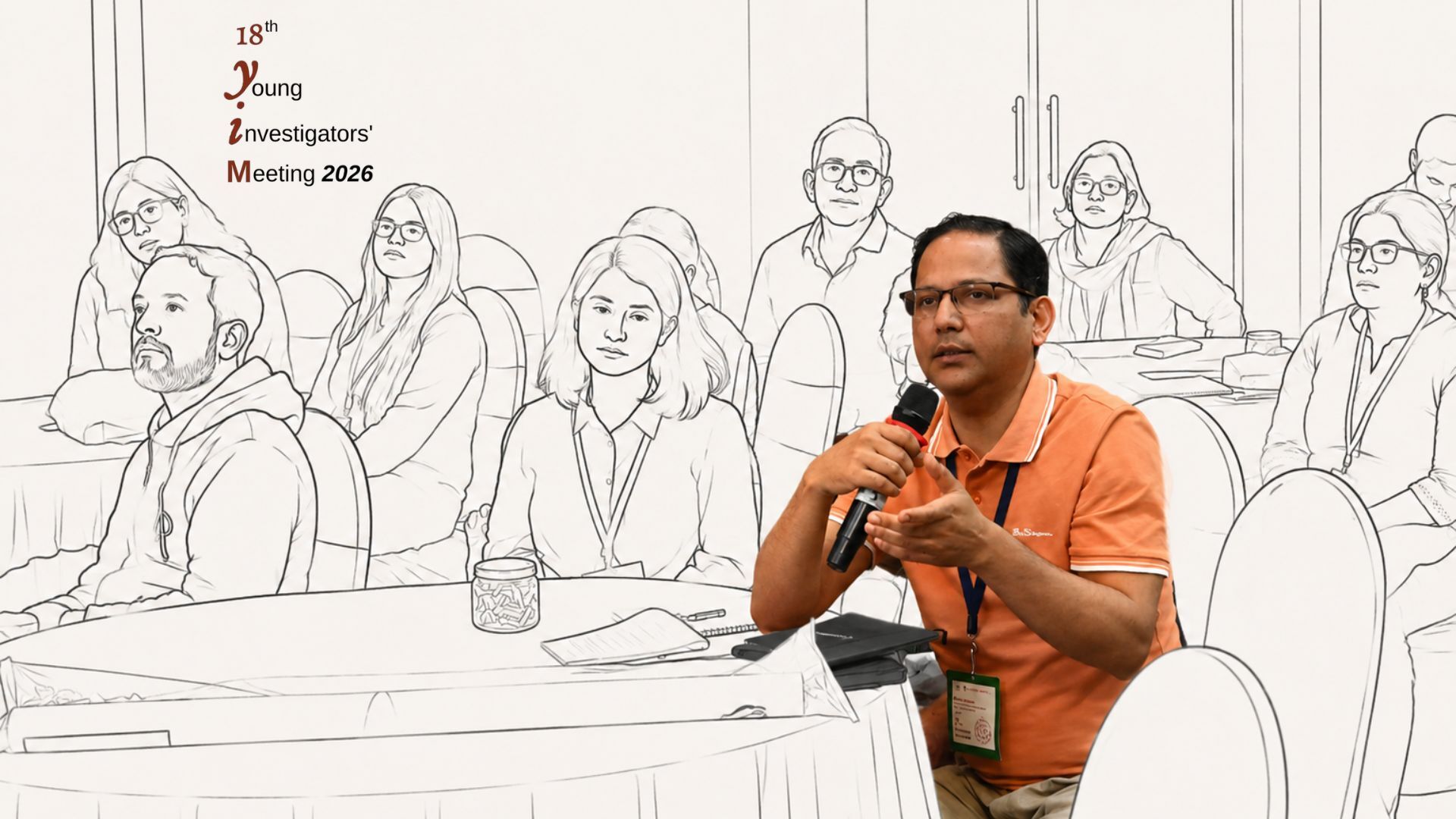
The original photograph was taken by the photography team at Symbiosis International University. The image was later modified and illustrated by Moumita Mazumdar. The person shown in colour is the author, Manoj Saxena, during YIM 2026.
In this article titled The “two-body problem” in Indian innovation: A train ride reflection, Manoj Saxena reflects on discussions sparked during YIM 2026 and a subsequent train journey to explore the opportunities and challenges shaping India’s innovation landscape. From the promise of team science and biomanufacturing to persistent hurdles in funding, execution, and support for returning scientists, the piece examines the gap between collective ambition and structural realities. Manoj is a visiting researcher at Birkbeck, University of London, and is currently building a stealth-mode biotech startup. His interests lie in innovation ecosystems, translational science, and the future of Indian biotechnology.
The i3c BRIC-RCB PhD Programme 2026 Town Hall was held on 25 May 2026 and featured Arvind Sahu, Executive Director of the Regional Centre for Biotechnology (RCB), Faridabad. He was joined by Sam Mathew, Professor, RCB. During the session, both contributed to a detailed account of the programme, discussed the interdisciplinary research opportunities, and explained the application process for prospective PhD candidates. The session included the programme structure, followed by an open Q&A, where participants had the opportunity to engage directly with the speakers.
For more information about the programme, visit here.
RRR is an ongoing interview and reflections series that documents personal experiences of women in Indian science, highlighting the diverse pathways, challenges, and choices that shape scientific careers.
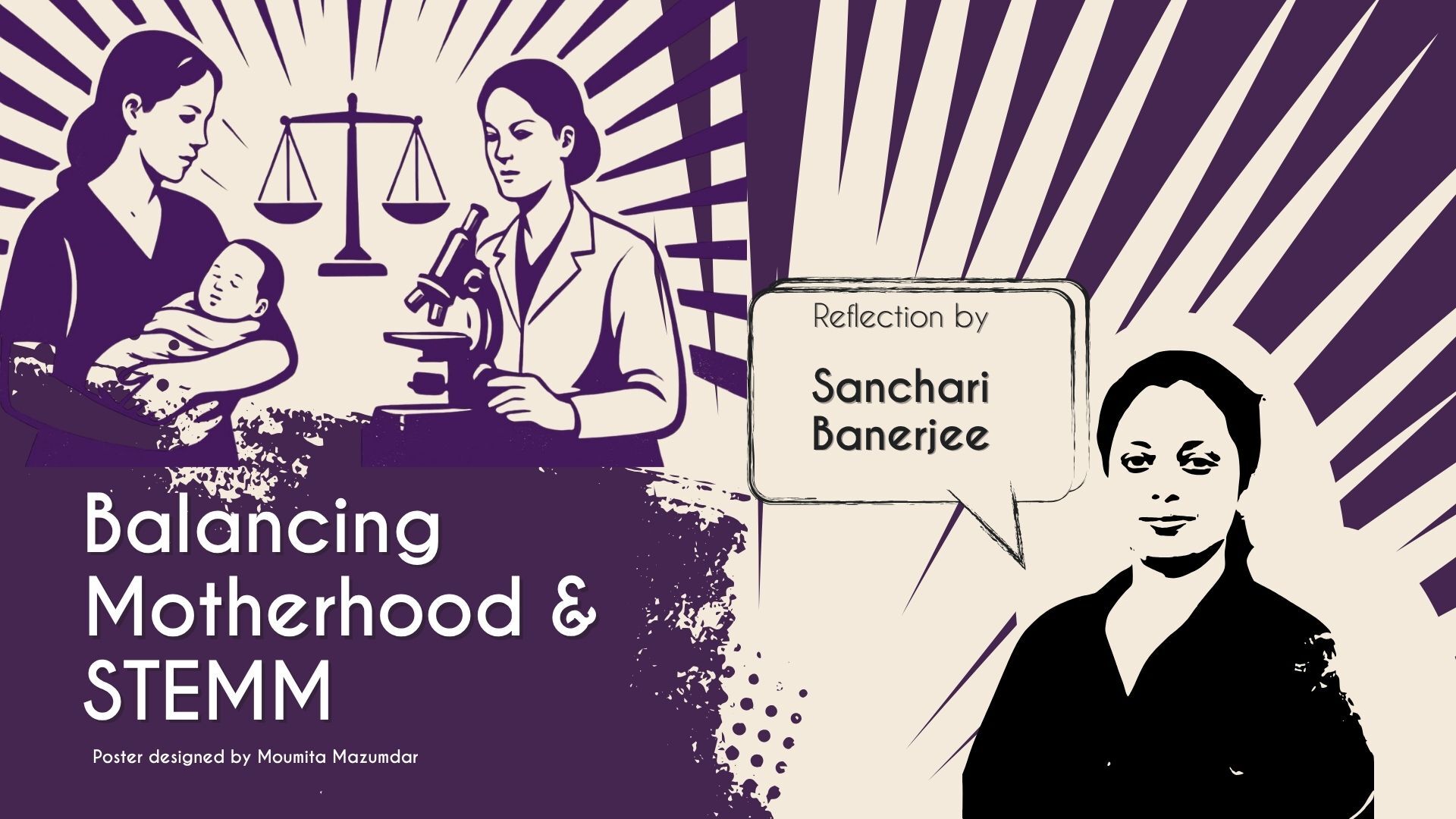
While the series typically features interviews documenting personal journeys in biological research in India, this month we bring an article by Sanchari Banerjee, Senior Research Scientist at Sai Life Sciences, Hyderabad, where she draws insights from an Indiabiostreams session on “Balancing the Equation: Motherhood, Career Shifts, and Success in STEMM”. This piece examines mentorship, support systems, work–life integration, and the structural changes needed to create more inclusive scientific workplaces.
Launched in 2019, IndiaBiostreams is a rich repository of resources in the format of webinars.
The Journey of a Young Investigator (JOYI) series comprises feature articles by young investigators working in India about their lived experiences of resilience, growth, and innovation within the life sciences research ecosystem. This is an ongoing series, and we published some features last month.
In this Journey of a Young Investigator (JOYI) 2026 article, Harshiny Muthukumar, Assistant Professor, at SRM Easwari Engineering College, Chennai, reflects on building a research lab from scratch while navigating motherhood and early-career challenges. Her journey highlights how science grows through patience, mentorship, and resilience, reminding us that meaningful research is often built slowly, step by step, brick by brick.
This article is part of the Journey of a Young Investigator (JOYI) 2026 series, highlighting Amrita Saxena’s journey shaped by curiosity, mentorship, and unexpected turns. Now an Assistant Professor at the Department of Biotechnology, Faculty of Allied and Health Sciences, Ramaiah University of Applied Sciences, Bengaluru, she studies plant stress biology to understand crop resilience while mentoring and inspiring the next generation of scientists.
In this Journey of a Young Investigator (JOYI) 2026 article, Ashitha S N M, Assistant Professor, DST INSPIRE Faculty Fellow, Department of Psychiatry, NIMHANS, Bengaluru, reflects on the uncertain decisions, quiet resilience, and unexpected mentorship that shaped her journey through academia. From navigating a lonely PhD and motherhood to building a research career, she shares honest lessons about persistence, imperfect choices, and finding strength in community while balancing personal life and scientific ambition.
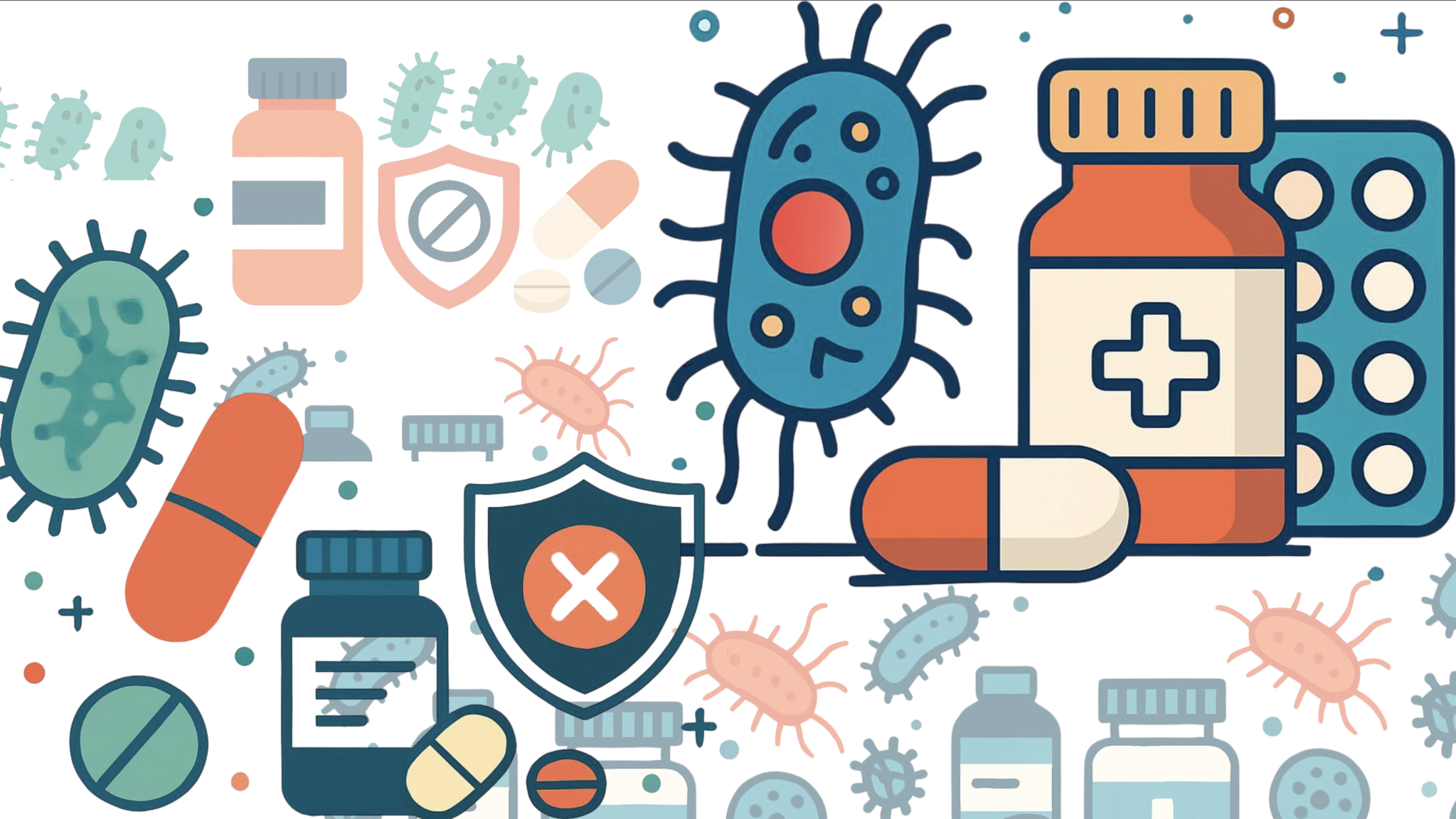
Umeshkumar KU, a computational biologist, registered Indian Patent agent, and biotechnology researcher with experience in genomics, intellectual property, and technology transfer, explores the challenge of developing new antibiotics in a world where responsible use requires limiting their consumption. By unpacking the “stewardship paradox,” he highlights why alternative funding approaches, such as delinkage models, may be essential for aligning pharmaceutical innovation with long-term public health needs.
Graphics by Moumita Mazumdar made in Canva
As part of our ongoing partnership with CSIR-CCMB, Hyderabad, to showcase work by young science writers and visual communicators, we have been sharing articles originally published on SciTales by CCMB.
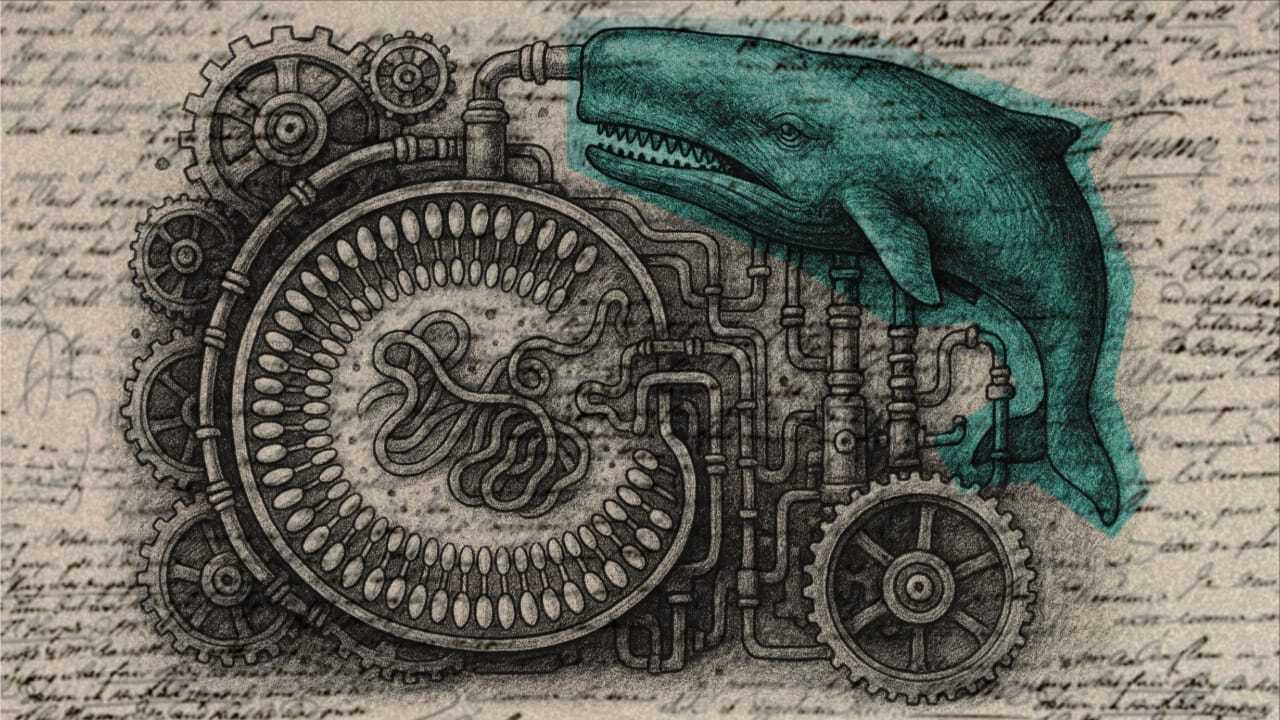
Aditya Undru, a Science Writer at CSIR-CCMB, Hyderabad, takes readers on a journey through the evolutionary history of lipids, uncovering how these often-overlooked molecules have influenced life from its earliest beginnings. Spanning topics from primitive cell membranes to whale echolocation and plant waterproofing, the article highlights the crucial role of lipids in enabling organisms to adapt, communicate, and thrive.
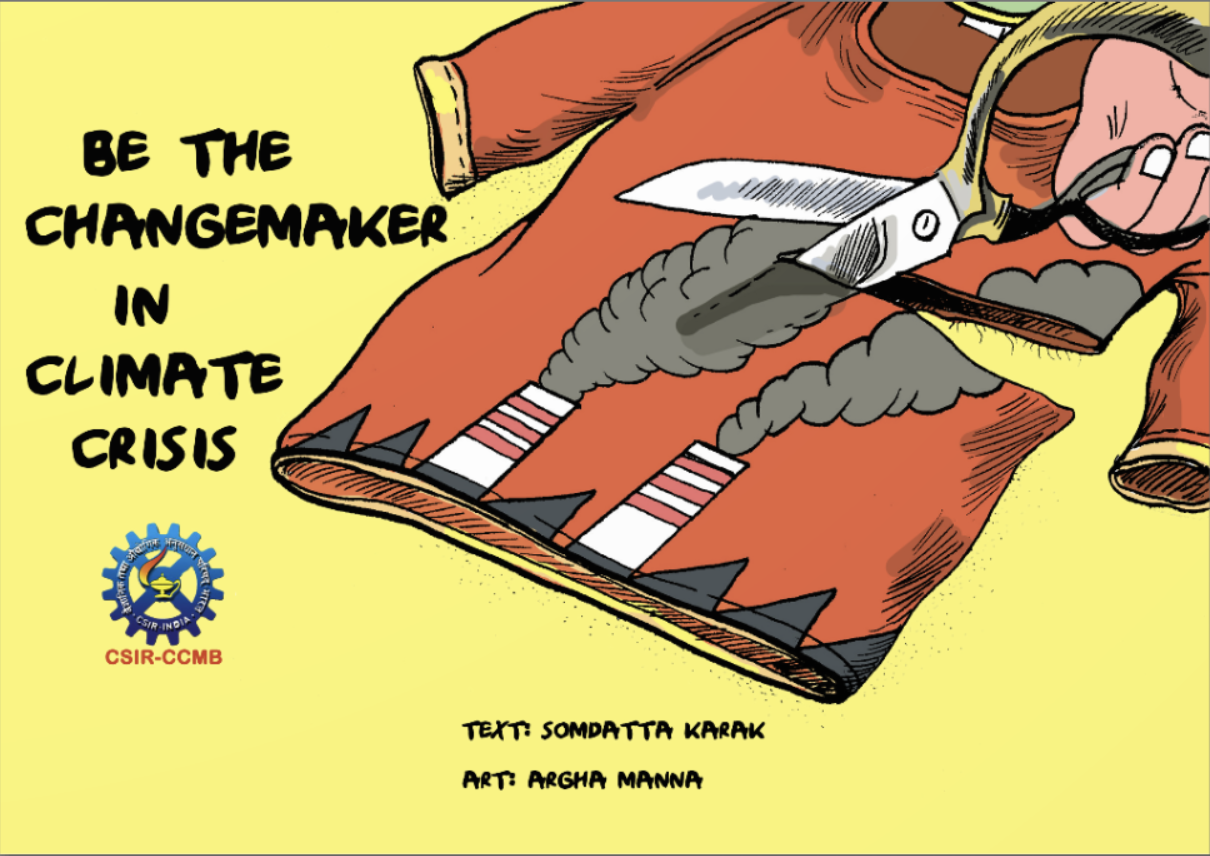
The climate crisis requires many things to change. But the good news is that we all can contribute in our own ways and build a sustainable future. See how!
Applications are open for the EMBO-IndiaBioscience Online Course on Writing Successful Fellowship Applications, taking place online from 22–24 July 2026. Designed for senior PhD students and junior postdoctoral researchers, the course provides a practical introduction to navigating the highly competitive fellowship funding landscape. Participants will learn how to identify suitable fellowship programmes, approach potential host laboratories, prepare compelling applications, and evaluate opportunities after funding decisions. Led by experienced trainers Thiago Carvalho and David del Álamo, the programme includes hands-on workshops, personalised feedback, and insights into prestigious international fellowships, including Marie Skłodowska-Curie Actions, EMBO, and the Human Frontier Science Program. Only 20 participants will be selected. Applications close on 20 June 2026, and selected applicants will be notified by 10 July 2026.
Are you following our social media campaign #ScienceJobsTuesdays to stay updated about jobs, grants and events on X (formerly Twitter), Instagram, Facebook, and LinkedIn? Subscribe to our monthly Jobs and Internships newsletter here if you haven’t already.
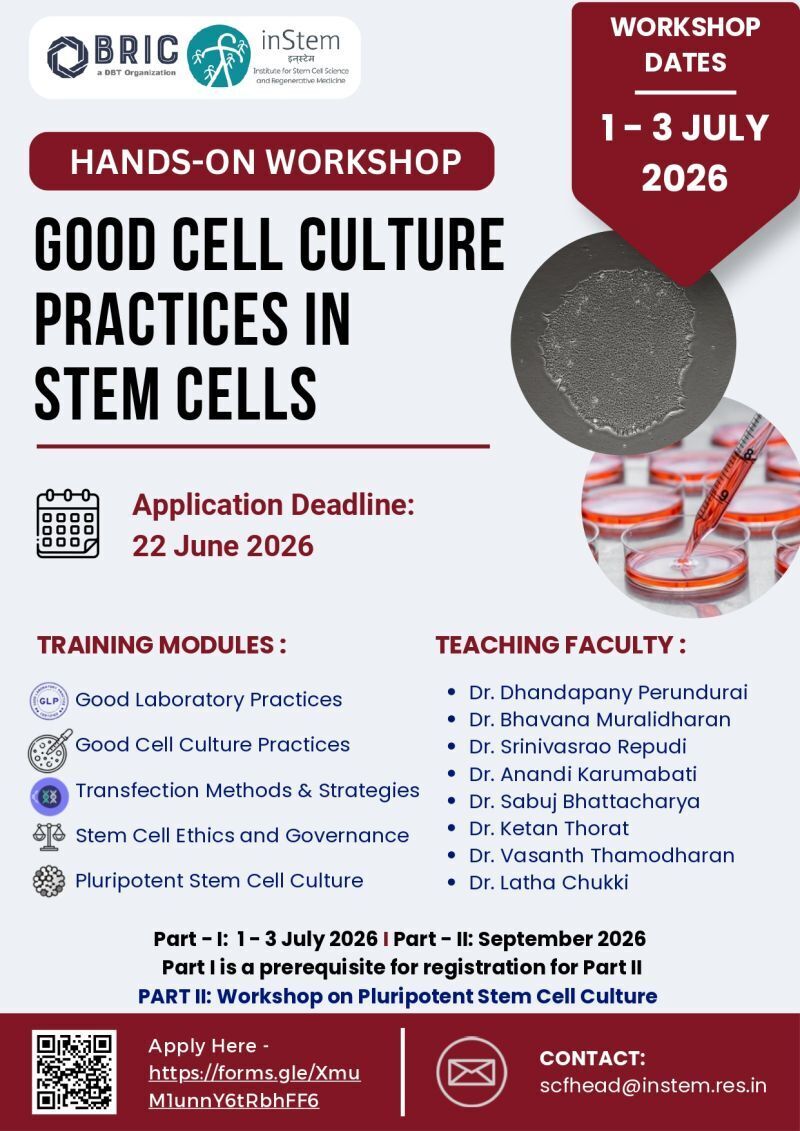
BRIC-inStem is organising a hands-on workshop on Good Cell Culture Practices in Stem Cells from 1–3 July 2026. The programme will cover Good Laboratory Practices, cell culture techniques, transfection methods, stem cell ethics, and pluripotent stem cell culture. Applications close on 22 June 2026. Participation in this workshop is mandatory for eligibility for the advanced Pluripotent Stem Cell Culture workshop scheduled for September 2026.
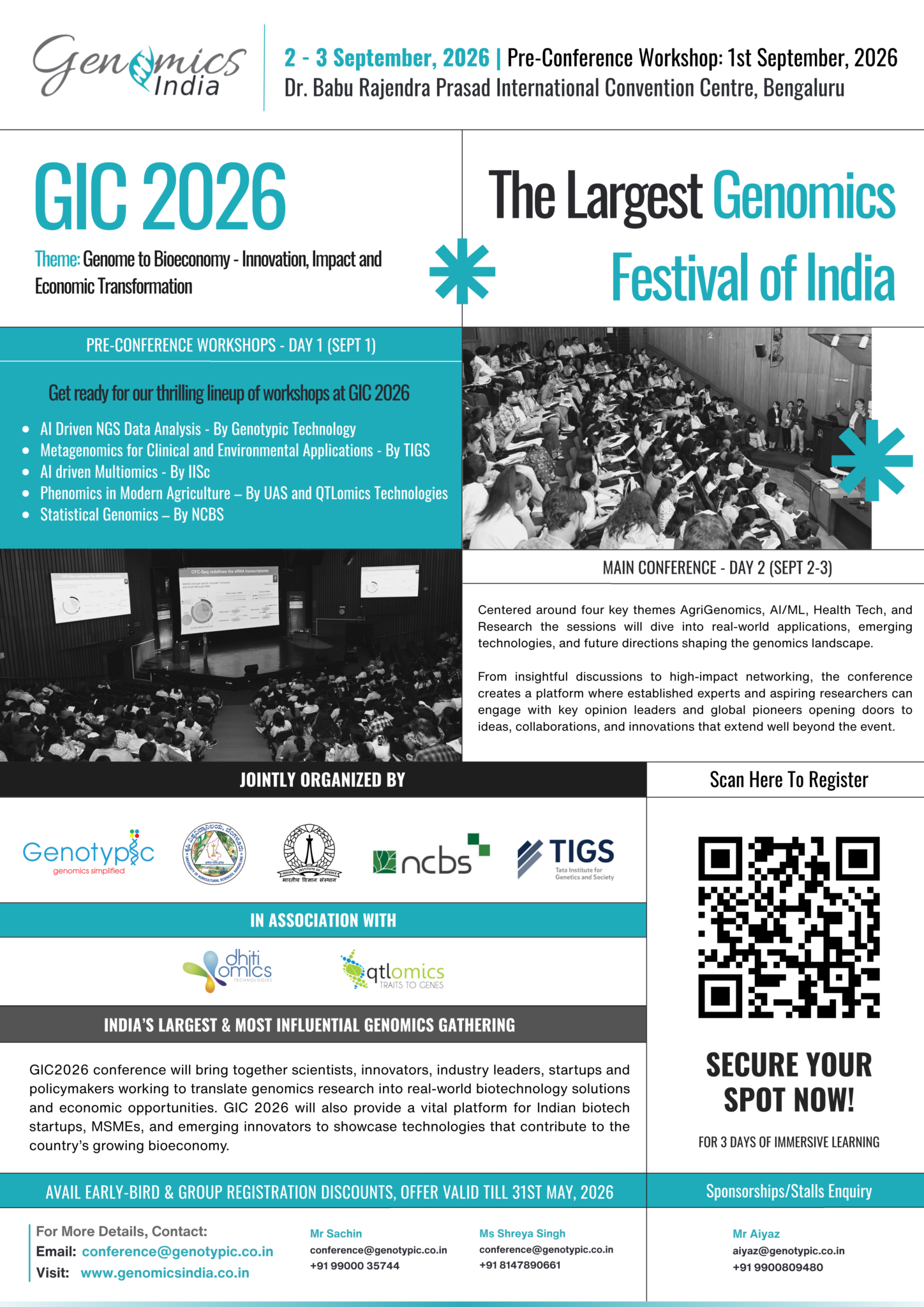
The Genomics India Conference returns for its sixth edition from 1–3 September 2026 in Bengaluru, bringing together global experts in genomics, biotechnology, and the bioeconomy. The conference will feature discussions on cancer genomics, microbiomes, AI-driven genomics, and more, alongside hands-on workshops.
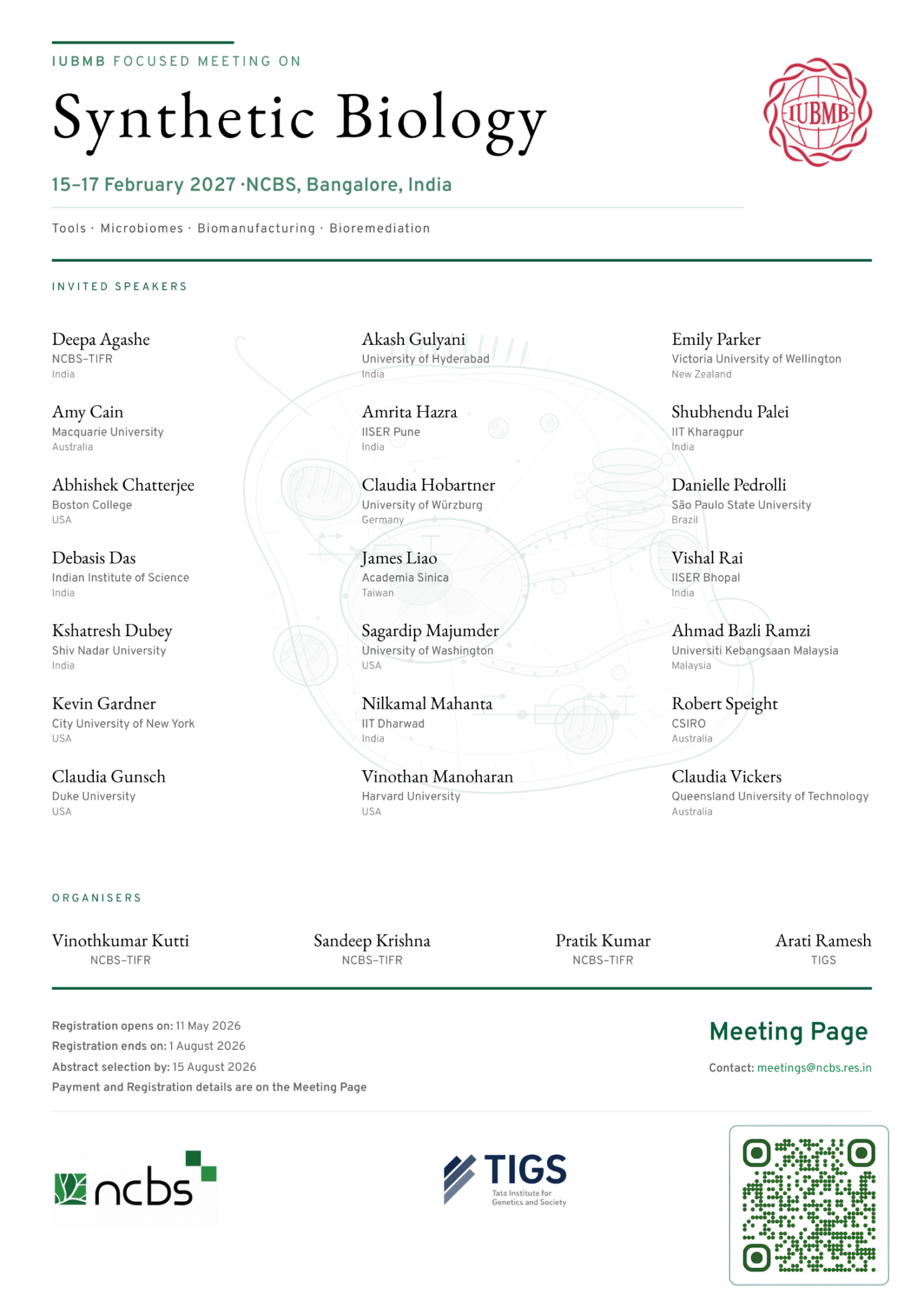
Registration is open for the IUBMB Focused Meeting on Synthetic Biology, taking place at NCBS, Bengaluru, from 15–17 February 2027. The meeting will bring together leading researchers to discuss advances in synthetic biology, including microbiomes, biomanufacturing, bioremediation, and emerging biological tools. Researchers, students, and professionals are encouraged to participate. Registration closes on 1 August 2026.
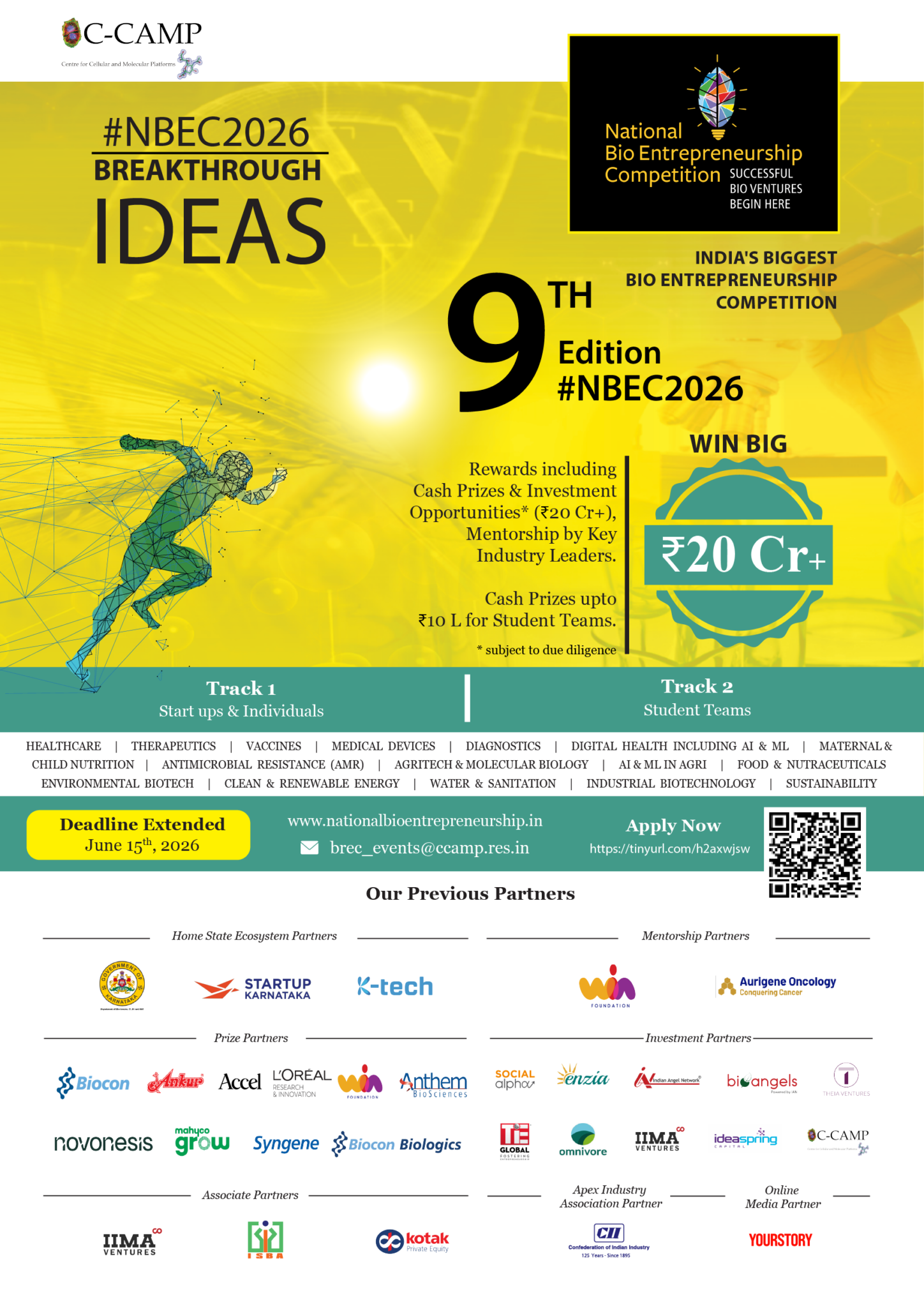
The National Bio Entrepreneurship Competition (NBEC) 2026, organised by C-CAMP, is now open for applications. India’s largest bio-entrepreneurship platform invites startups, individuals, and student teams to showcase breakthrough ideas across health, biotechnology, and sustainability. Participants stand to gain access to prizes, mentorship, networking opportunities, and potential investment support of up to ₹20 crore. The application deadline has been extended to 15 June 2026, 5:30 PM IST.
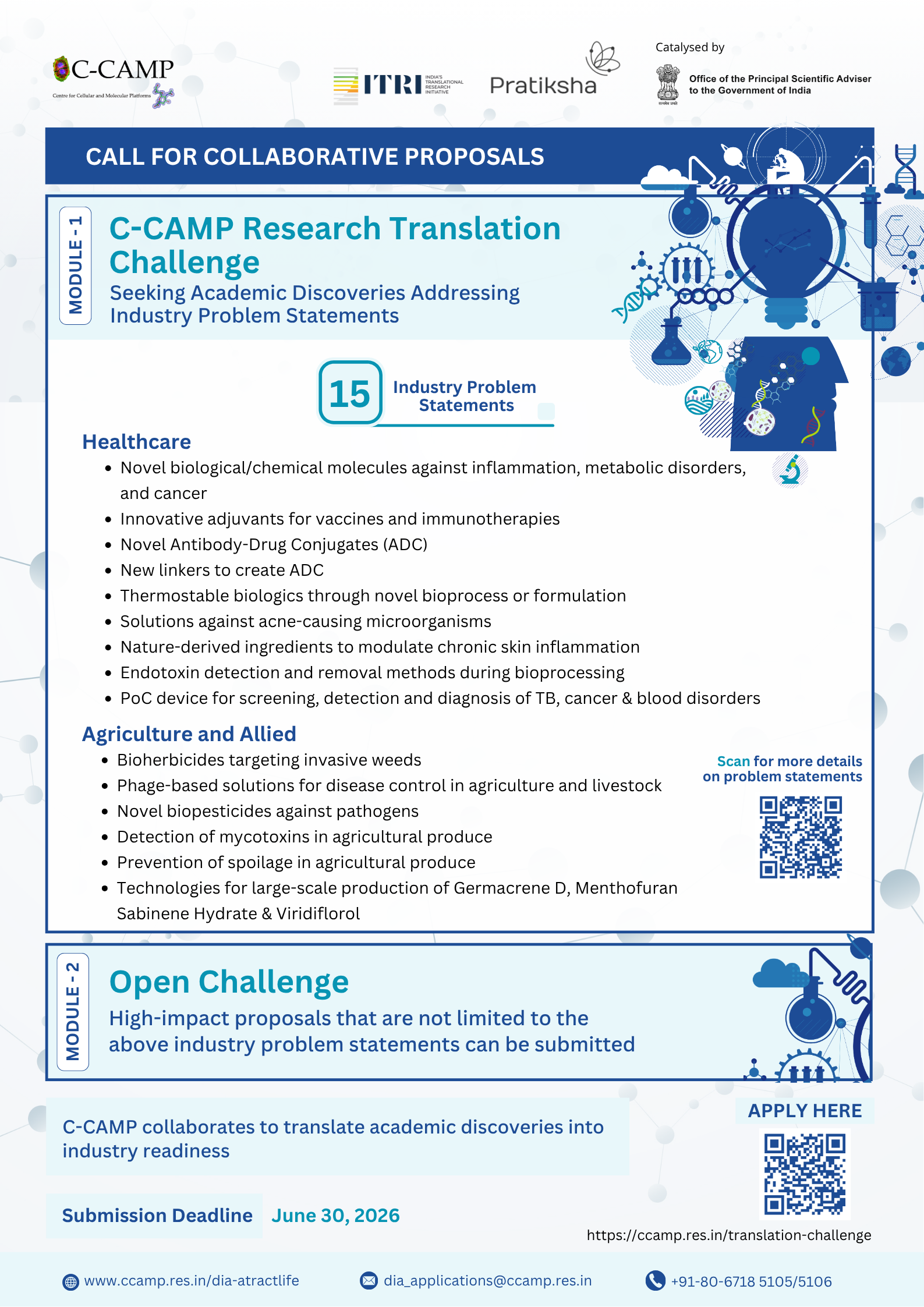
C-CAMP invites proposals for its Discovery to Innovation Accelerator (DIA) programme, which supports the translation of promising academic discoveries in healthcare, agriculture, and environmental sciences into industry-ready technologies. The programme provides collaborative support to help researchers advance innovations with strong societal impact and commercial potential. An online information session will be held on 17 June 2026 at 11:30 AM IST, and applications are open until 30 June 2026.
The MSCA Postdoctoral Fellowships support researchers with a PhD to advance their careers through international mobility, interdisciplinary training, and collaboration. Open across all disciplines, these fellowships offer funding for research, training, and networking, along with mobility and living allowances. The 2026 call is now open, with a submission deadline of 9 September 2026.
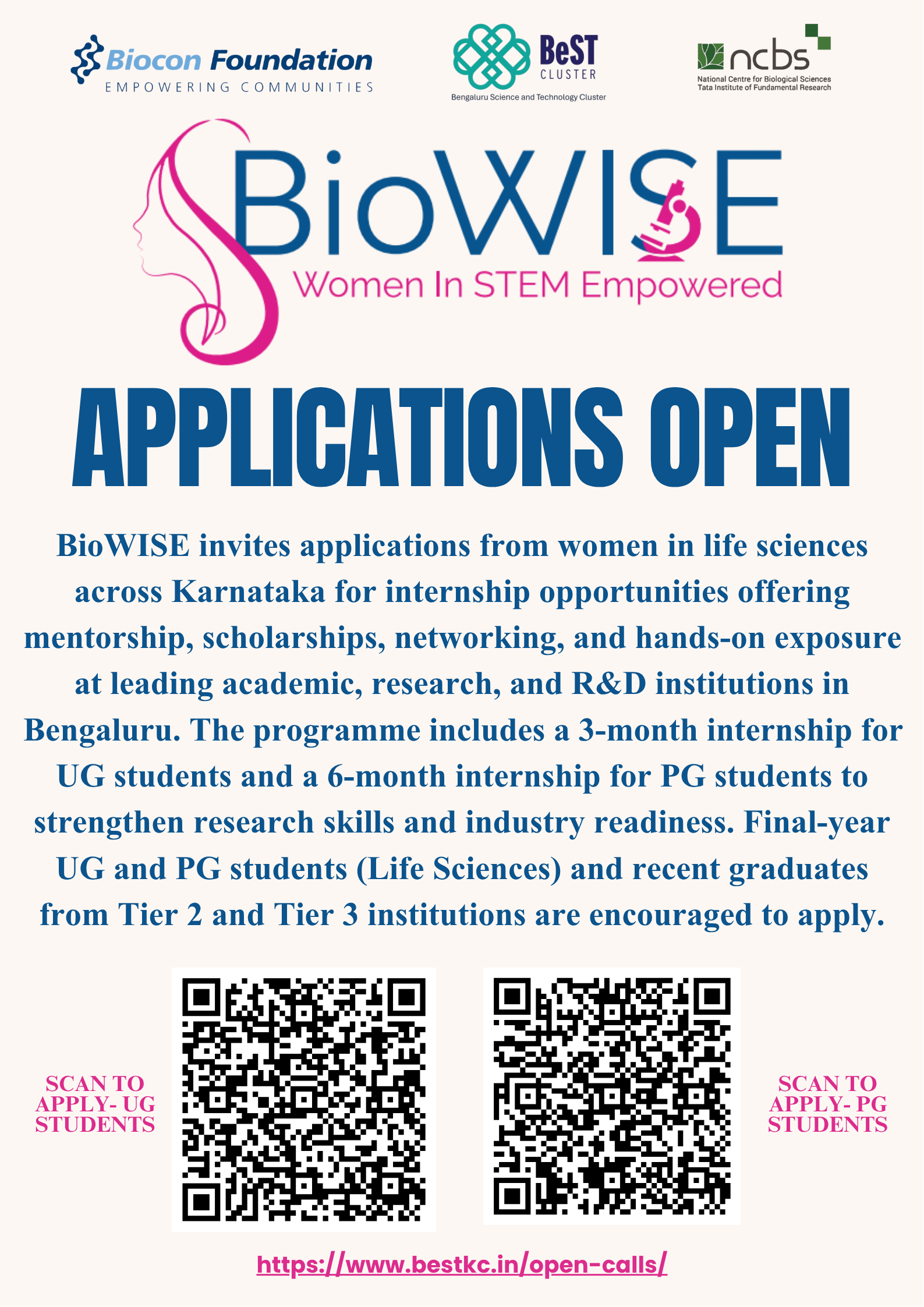
Applications are open for the BioWISE (Bio–Women in STEM Empowered) Internship and Scholarship Programme, a joint initiative of BeST Cluster, Biocon Foundation India, and NCBS. The programme supports women life science students from Karnataka through research internships, mentorship, scholarships, and professional skills training. Open to UG and PG students, with preference for women from Tier 2 and Tier 3 institutions and first-generation learners. Applications close on 31 July 2026. The programme runs from 1 September 2026 to 1 March 2027.