Working in a zoo reveals the unseen science behind animal welfare. From reading behaviour and understanding visitor responses to designing enrichment and naturalistic enclosures, good zoo management is about preserving choice and wellbeing. For biologist Shweta Mukundan, observing animals has transformed how she understands captivity, conservation, and care.
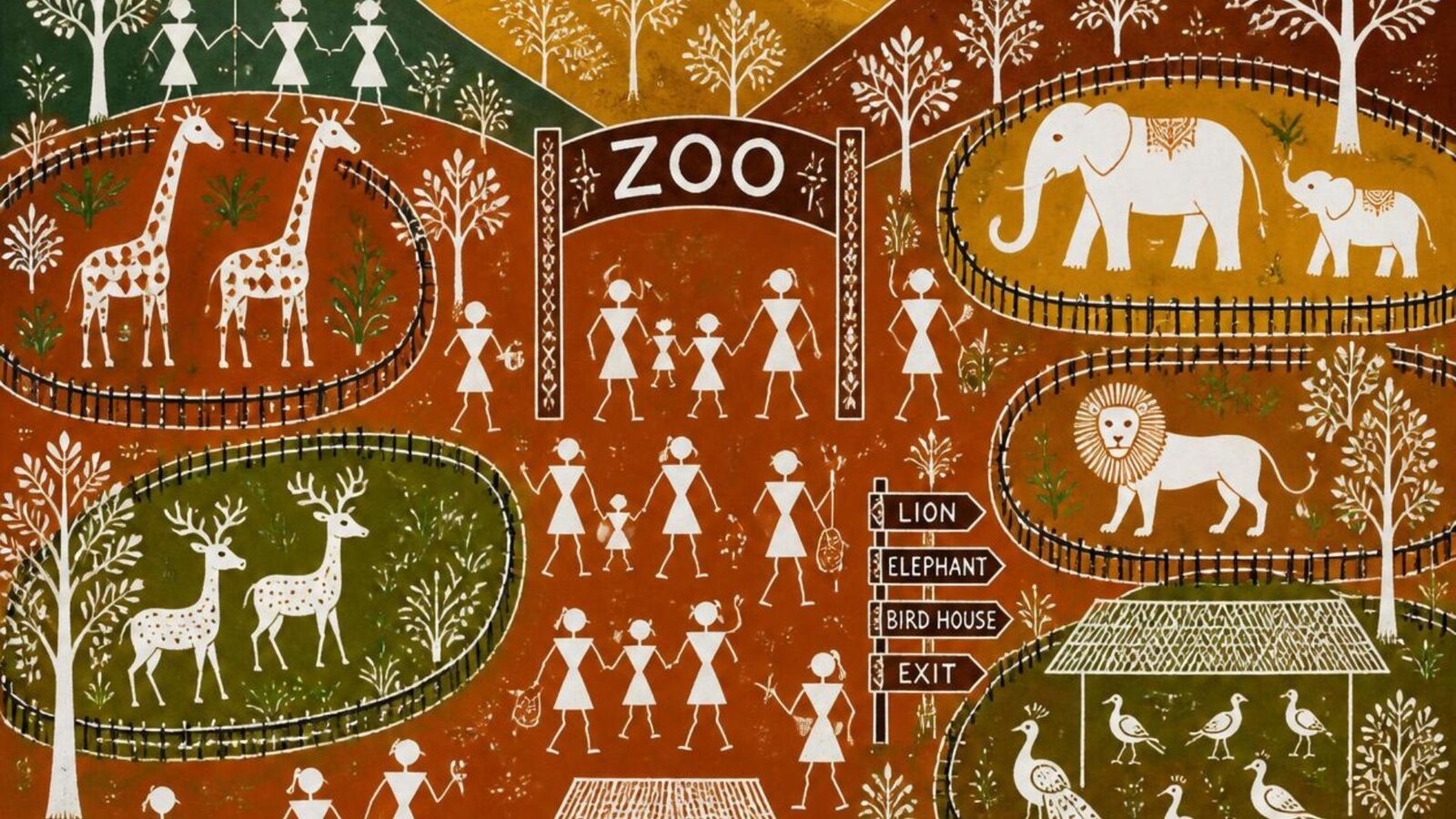
The unseen work of zoo management
One of the most important parts of working in a zoo is learning to read behaviour, not simply as something an animal does, but as a window into how it is experiencing its environment. Much of zoo management is designed never to be noticed. When it works well, visitors simply see a calm animal in a functioning habitat, unaware of the routines of care that make that moment possible. Behind this apparent stillness lies a quiet, continuous effort that balances the needs of the animal, the constraints of the enclosure, and the rhythms of the day.
Learning to see differently
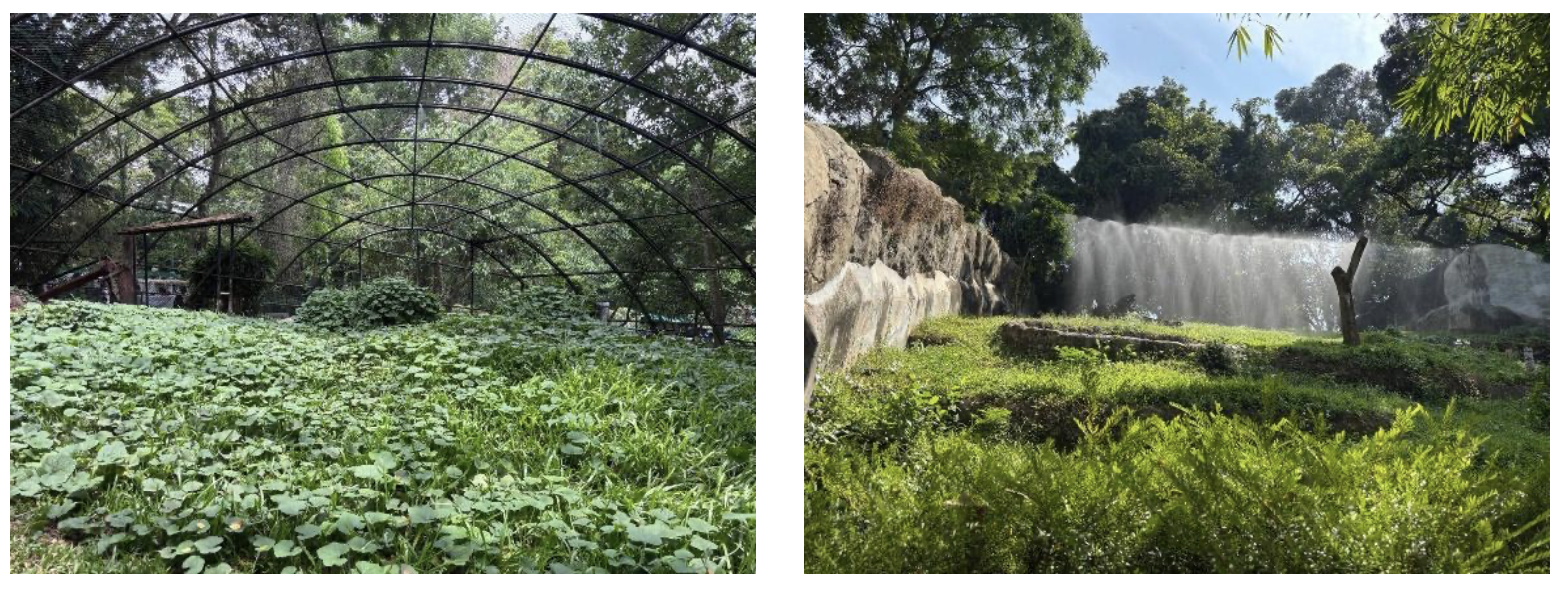
It was only after I began working in the zoo that I started to notice these details. What had once appeared to be simple stillness began to take on structure. Enclosures were not just spaces, but carefully designed environments; routines were not repetitive, but deliberate. Even small aspects such as the absence of sharp edges or the way a perch is positioned reflected the care aimed at making the space safer and more predictable for the animals.
Patterns in behaviour
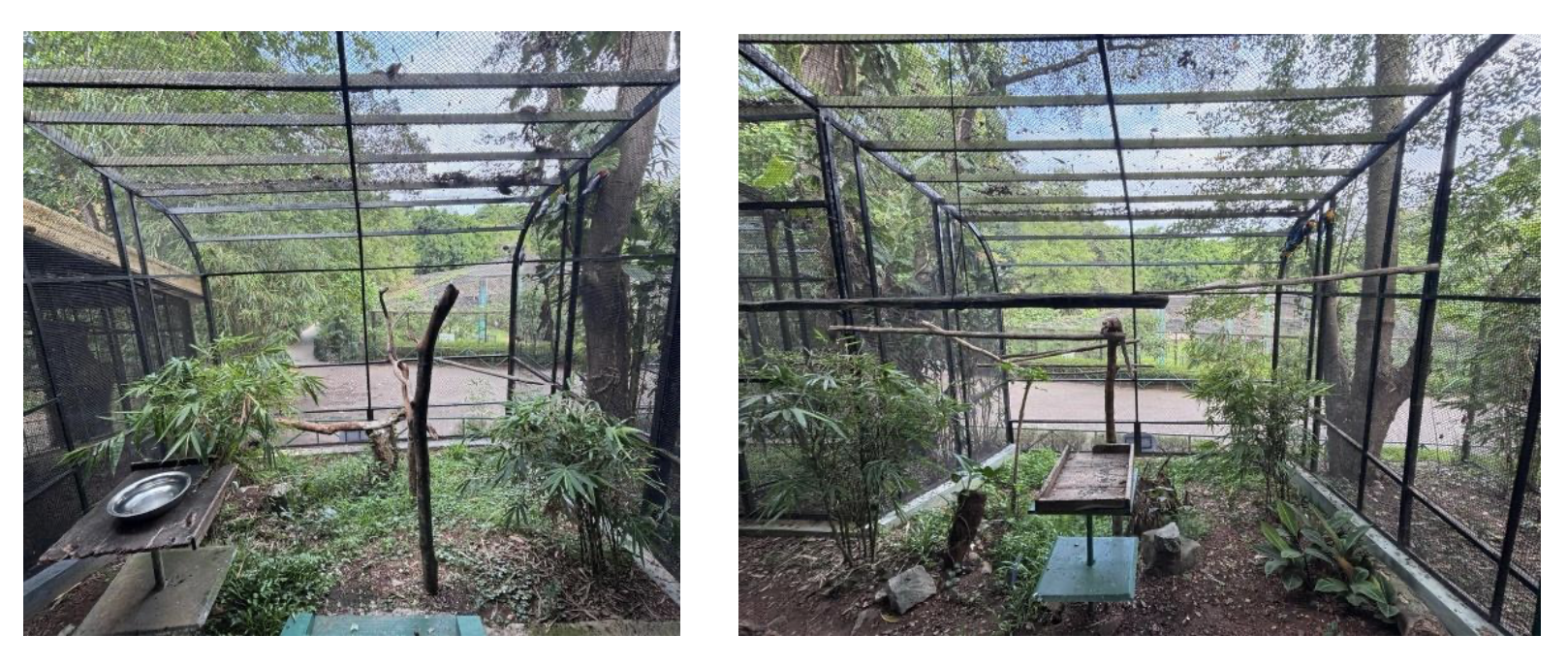
As part of my work as a biologist, observing animal behaviour forms an important part of daily management. Over a ten-day period, interns working with me recorded the behaviour of two species of exotic birds, the African grey parrot and the blue-and-yellow macaw, during hour-long observation sessions conducted in the mornings and afternoons.
Across these observations, resting emerged as the most common behaviour. African grey parrots were also seen spending a noticeable amount of time manipulating their surroundings through behaviours such as cage biting and wood biting, pointing to the exploratory nature of these birds.
Vocalisations formed a small but recurring component of their activity budget, the proportion of time spent on different behaviours for both species, reinforcing their social and communicative nature.
Responding to presence
Vocalisations seemed to increase with the number of people present around the enclosures during our observations for the two species of birds studied, suggesting that even moderate visitor presence may influence behaviour in subtle ways. We learnt that visitors constitute an unavoidable part of the captive environment, and the birds appeared responsive to changes in human activity around the enclosure. A small but memorable reminder of how responsive these birds can be to the people around them came when an African grey parrot repeatedly responded with a clear “hello” as we spoke near the enclosure, highlighting the social responsiveness and vocal learning abilities often associated with the species.
What people think they see
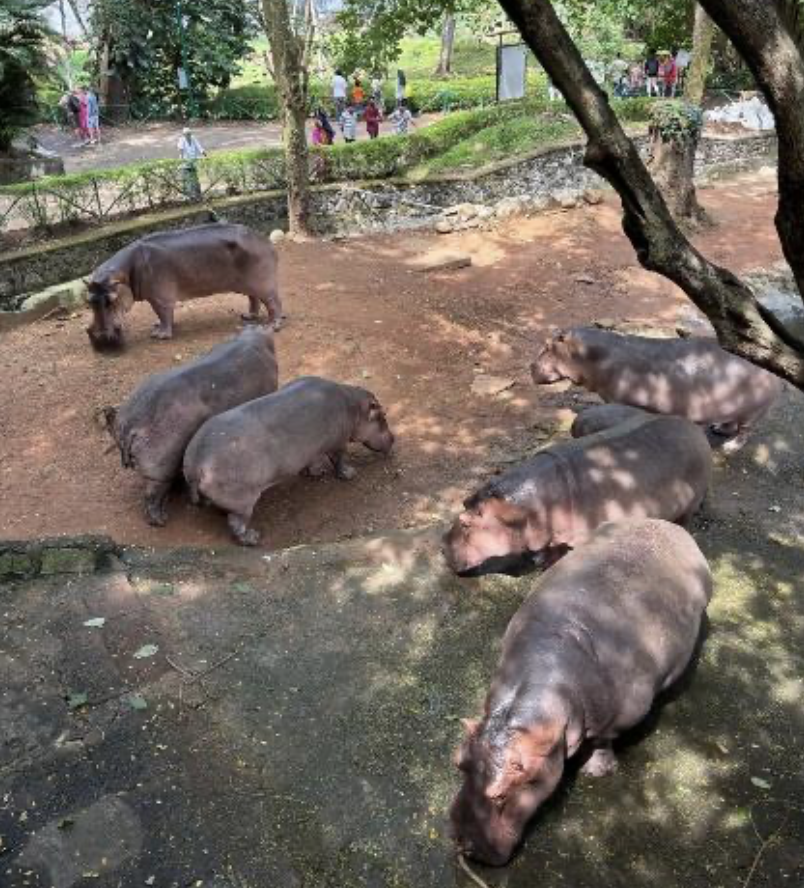
For many visitors, activity is often interpreted as a sign of a healthy or stimulated animal, while stillness is quickly associated with boredom or poor welfare. Yet, prolonged periods of rest can form a natural part of an animal’s daily rhythm. Hippopotamuses, for instance, spend large portions of the day partially submerged and resting during the hotter hours, a behaviour that may appear uneventful to a visitor but is entirely consistent with their biology. In primates such as common langurs, enclosure structures and shaded spaces strongly influence how and where groups spend their time.
Similarly, in captive environments, not every moment of inactivity reflects a lack of stimulation. Much of zoo management is built around understanding species-specific behaviour rather than encouraging constant movement or display. Behavioural observations therefore become important not simply for documenting activity, but for learning how animals interact with their environment, respond to change, and maintain routine patterns over time.
Designing stimulation
One of the less visible aspects of zoo management is environmental enrichment, through which animals are encouraged to exhibit a wide range of natural behaviours by the deliberate modification of captive spaces. While in the wild, animals constantly make decisions: where to forage, when to rest, how to avoid disturbance, and how to interact with their surroundings. Captivity inevitably reduces some of these choices, and enrichment attempts to restore at least part of that behavioural complexity.
These interventions are often subtle. Food may be hidden instead of directly provided, feeders may be suspended to encourage climbing or manipulation, and enclosure structures may be designed to create shade, elevated perches, withdrawal areas, or opportunities for exploration. Even something as simple as varying feeding locations can influence how animals move through and use an enclosure.
What visitors perceive as a natural-looking habitat is therefore often the result of careful planning. Modern zoo enclosures are designed not only for visibility, but also to accommodate species-specific behaviour, social interaction, thermoregulation, and psychological stimulation.
More than display
Zoos today are expected to function as more than spaces for exhibition alone. Alongside public education, they increasingly contribute to conservation breeding, rescue and rehabilitation, veterinary care, and behavioural management of captive wildlife. This creates a complex responsibility: animals must not only survive in captivity, but live in environments that support their physical and behavioural wellbeing.
In many ways, the daily work of zoo management lies in negotiating this balance. The challenge is not simply to house animals, but to understand how they perceive and interact with the environments created for them.
Bigger message
Working within a zoo has changed the way I look at captive animals and the spaces they inhabit. What once appeared to be routine or stillness now feels layered with intention, observation, and continuous adjustment. Much of this work remains invisible to the public eye, yet it shapes nearly every aspect of an animal’s daily life in captivity.
Perhaps the real measure of good zoo management is not how much an animal performs for us, but how much of its natural life we are able to preserve within a space we have created.