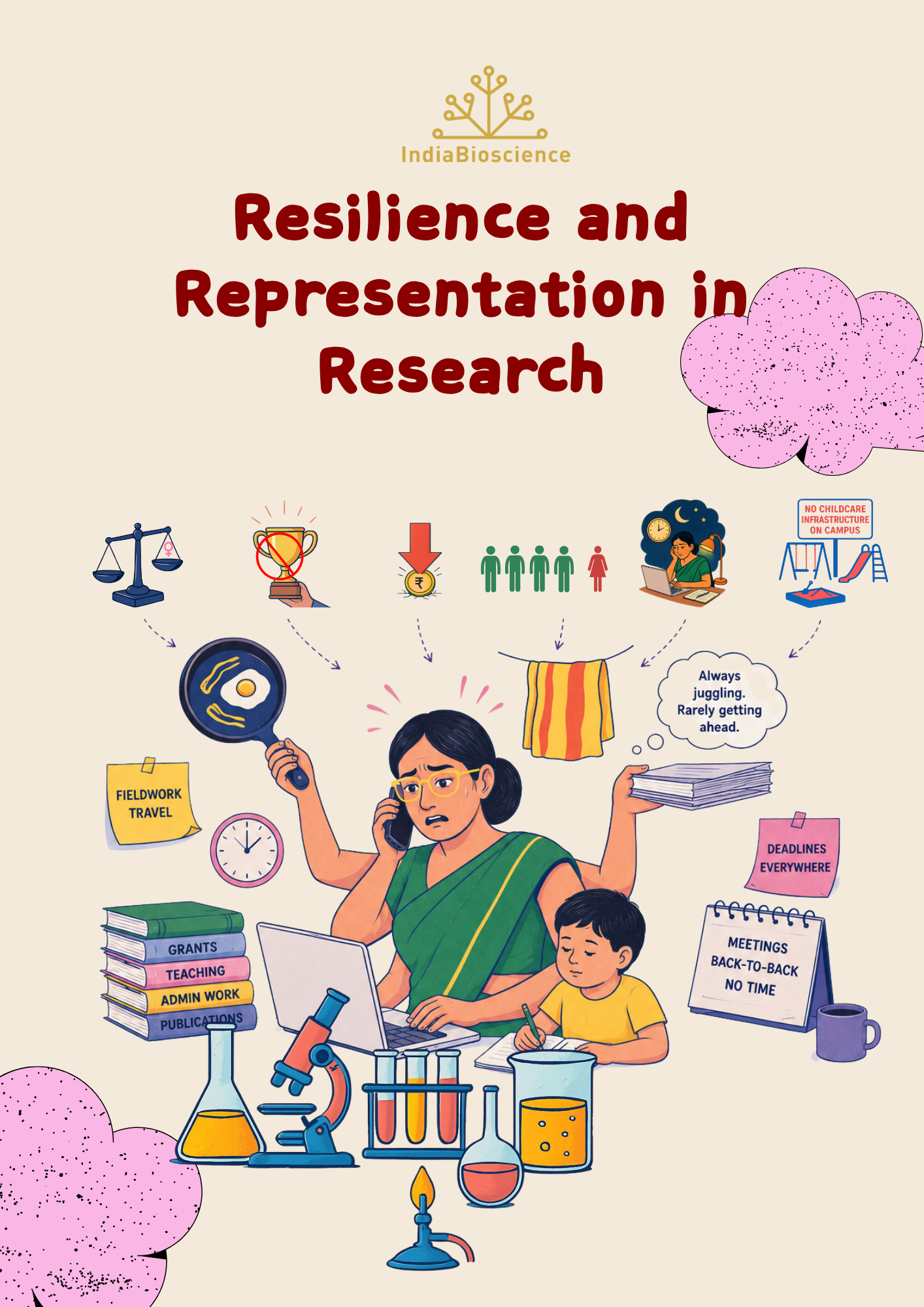
What does it take to build and sustain a career in science? We put this question to women in biology and, over the better part of a year, gathered a series of stories that weave together their varied experiences at science institutions — some reflective, some quiet wins, and some incidents difficult to face, and harder still to talk about. Those stories are now an e-booklet: Resilience and Representation in Research.
Nearly 250 people applied for the EMBO-IndiaBioscience Online Course on Fundamentals of Communication: Pitches, Posters and Presentations — a sign of how much appetite there is for this kind of training. Led by Laura Moro-Martín, the course covers scientific storytelling, presentation design, poster preparation, research pitching, and audience engagement for PhD students and postdoctoral fellows. Twenty participants make up the selected cohort; if you didn't get in this time, watch this space as courses like this one will return.
Our science communication section explores questions that span the origins of life, the burden of snakebite envenoming, innovative approaches to neurodiversity through science outreach, and the research journeys of scientists working at the frontiers of biology. Together, these stories demonstrate how science advances through curiosity, collaboration, and engagement with society.
We hope this month's newsletter informs, inspires, and encourages you to continue engaging with the people and ideas shaping science in India. Happy reading!
Stories of women navigating science careers aren’t rare to find. What is harder to find is space for the parts usually left out. In her Epilogue to the booklet, Vineet Bal makes that gap explicit: achievements get talked about often, she writes, while the harder parts get pushed aside precisely because they hurt. The series was built to hold both leadership and mentorship alongside caregiving and social expectations that quietly shape these careers too. Download the e-booklet here.
As we plan the next phase of the series, we would love to hear from you. Which fields, career stages, or experiences of women in academia do you think deserve to be featured in the next phase of this series? Is there someone we should interview for this series? Write to us with your suggestions at hello[at]indiabioscience[dot]org.
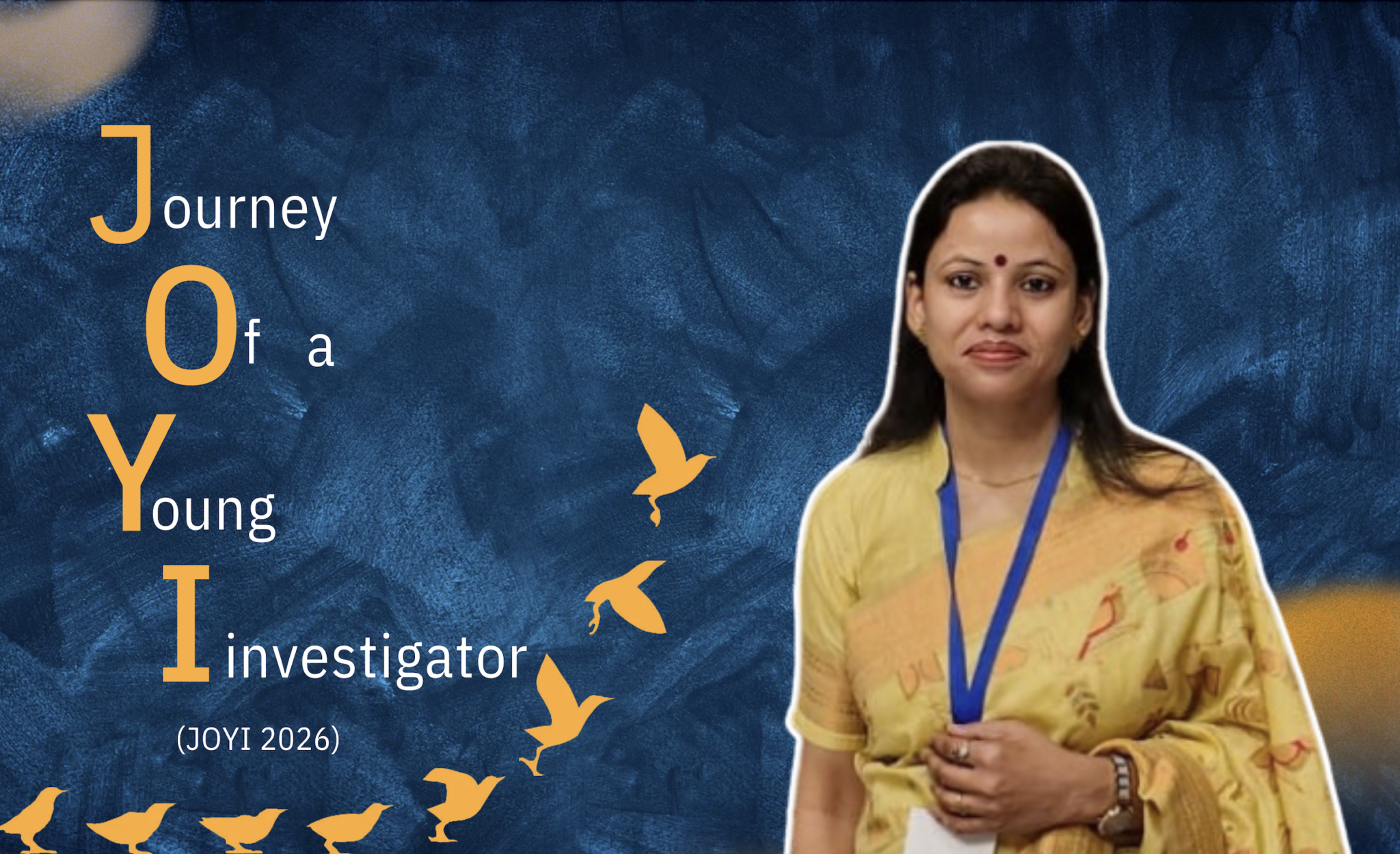
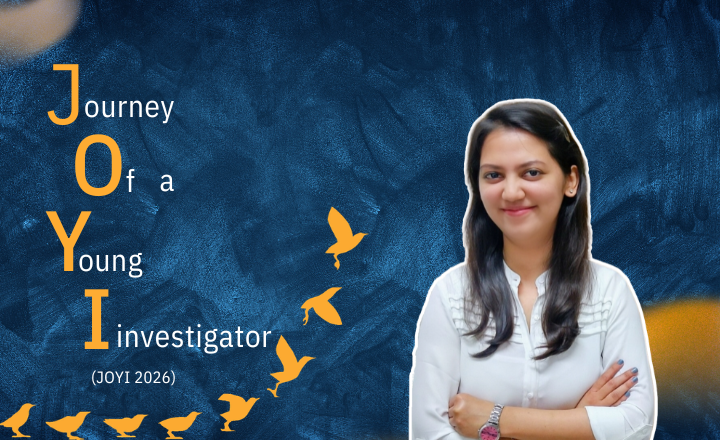
The Journey of a Young Investigator (JOYI) series comprises feature articles by young investigators working in India about their lived experiences of resilience, growth, and innovation within the life sciences research ecosystem. This is an ongoing series, and we published some features last month.
From preparing culture media as an undergraduate to leading research on antimicrobial resistance, in this Journey of a Young Investigator (JOYI) 2026 article, Nidhi Gupta reflects on a scientific journey shaped by curiosity, resilience, mentorship, and personal loss. Now a Scientist at TERI School of Advanced Studies, Delhi, she explores how persistence, in both microbes and people, can drive discovery, growth, and purpose.
In this Journey of a Young Investigator (JOYI) 2026 article, Ambuja Navalkar, DST-INSPIRE Faculty at the National Centre for Cell Science (NCCS), Pune, reflects on her journey from a curiosity-driven child to an independent researcher studying protein disorder and cancer. She shares lessons on interdisciplinary science, mentorship, and navigating uncertainty in academia.
The following article is a part of a collaborative series by IndiaBioscience and EMBO that highlights the research journeys, scientific contributions, and perspectives of members of the EMBO Global Investigator Network from India.
How do cells translate genetic information into the proteins that sustain life? At IISc Bengaluru, structural biologist Tanweer Hussain is uncovering the molecular machinery behind protein synthesis, disease, and viral infection. From ribosomes to cryo-EM, his journey highlights the power of curiosity, mentorship, collaboration, and persistence in modern science. This article is written by Ankita Poddar, a doctoral researcher at the Indian Institute of Science (IISc), Bengaluru, currently studying the mechanisms of viral protein synthesis in Tanweer’s lab.
As part of our ongoing partnership with CSIR-CCMB, Hyderabad, to showcase work by young science writers and visual communicators, we have been sharing articles originally published on SciTales by CCMB.
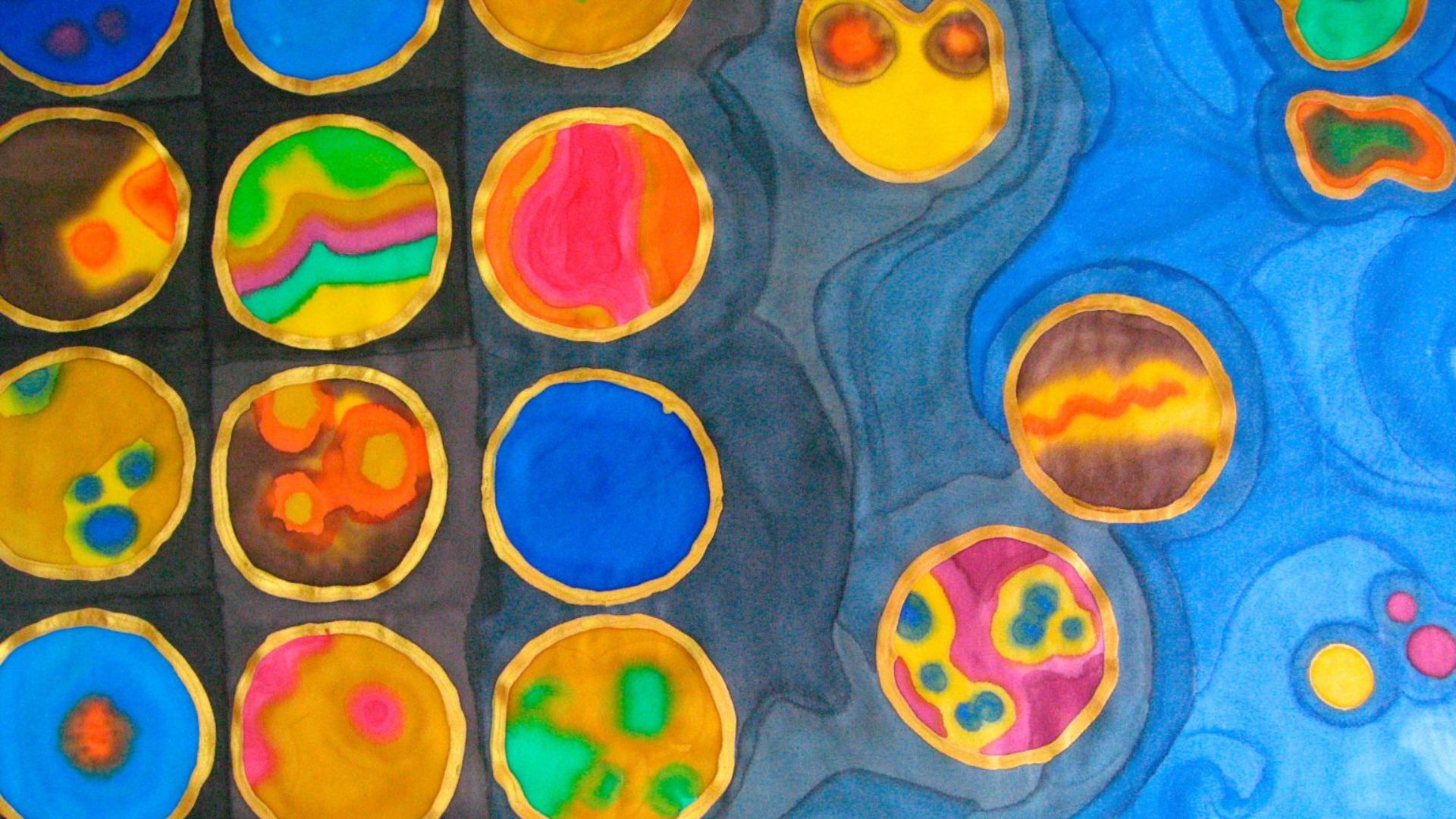
How did life emerge from a lifeless planet? In this article, Sauvik Das Naskar, a PhD student at the Transcription and Chromatin Biology Laboratory, CSIR-Centre for Cellular and Molecular Biology (CSIR-CCMB), explores the scientific quest to understand abiogenesis—from the formation of organic molecules on early Earth to the RNA World hypothesis and the emergence of the first self-replicating living systems.
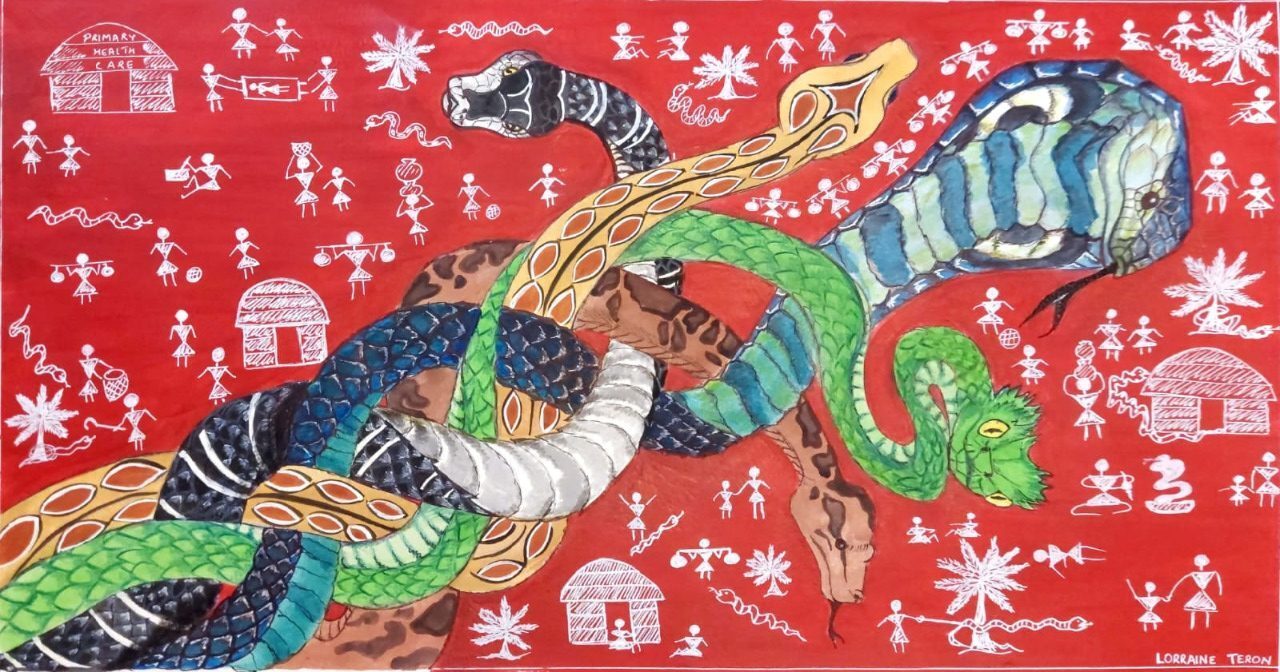
India accounts for nearly half of the world’s snakebite deaths, yet the crisis remains under-discussed. In this article, Avni Blotra, a PhD student in Karthikeyan Vasudevan’s group at CSIR–Centre for Cellular and Molecular Biology (CCMB)–Laboratory for the Conservation of Endangered Species (LaCONES), explores the challenges of snakebite treatment, antivenom accessibility, persistent myths, and the urgent need for stronger public health interventions to save lives.
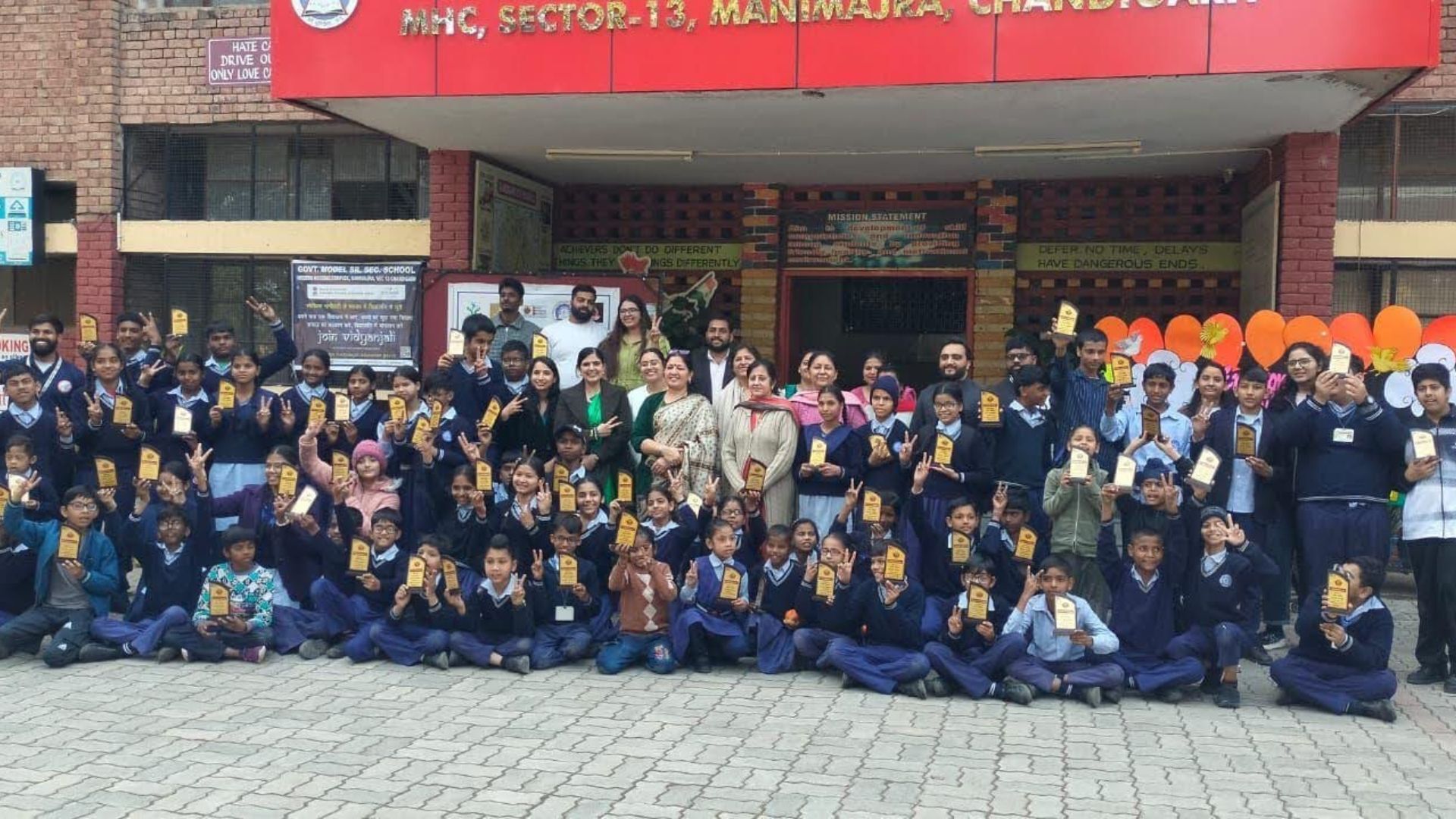
A joyful moment after the school session, as children celebrated a day of colouring, clay modelling, and creative expression.
Can art change the way we understand ADHD? Anuradha Sharma and her team used it as an entry point not just for children, but for the educators, caregivers and institutions around them. A colouring sheet, a connect-the-dots activity, a tear-and-paste task, a clay model: small, familiar tasks that gave children with attention-related difficulties a way to express themselves first, and be talked about second. As Anuradha writes, once a child experiences that engagement, it becomes easier to have the harder conversations with parents and teachers about attention, impulsivity, and classroom behaviour. This work was supported by the 6th cycle of IndiaBioscience Outreach Grants.
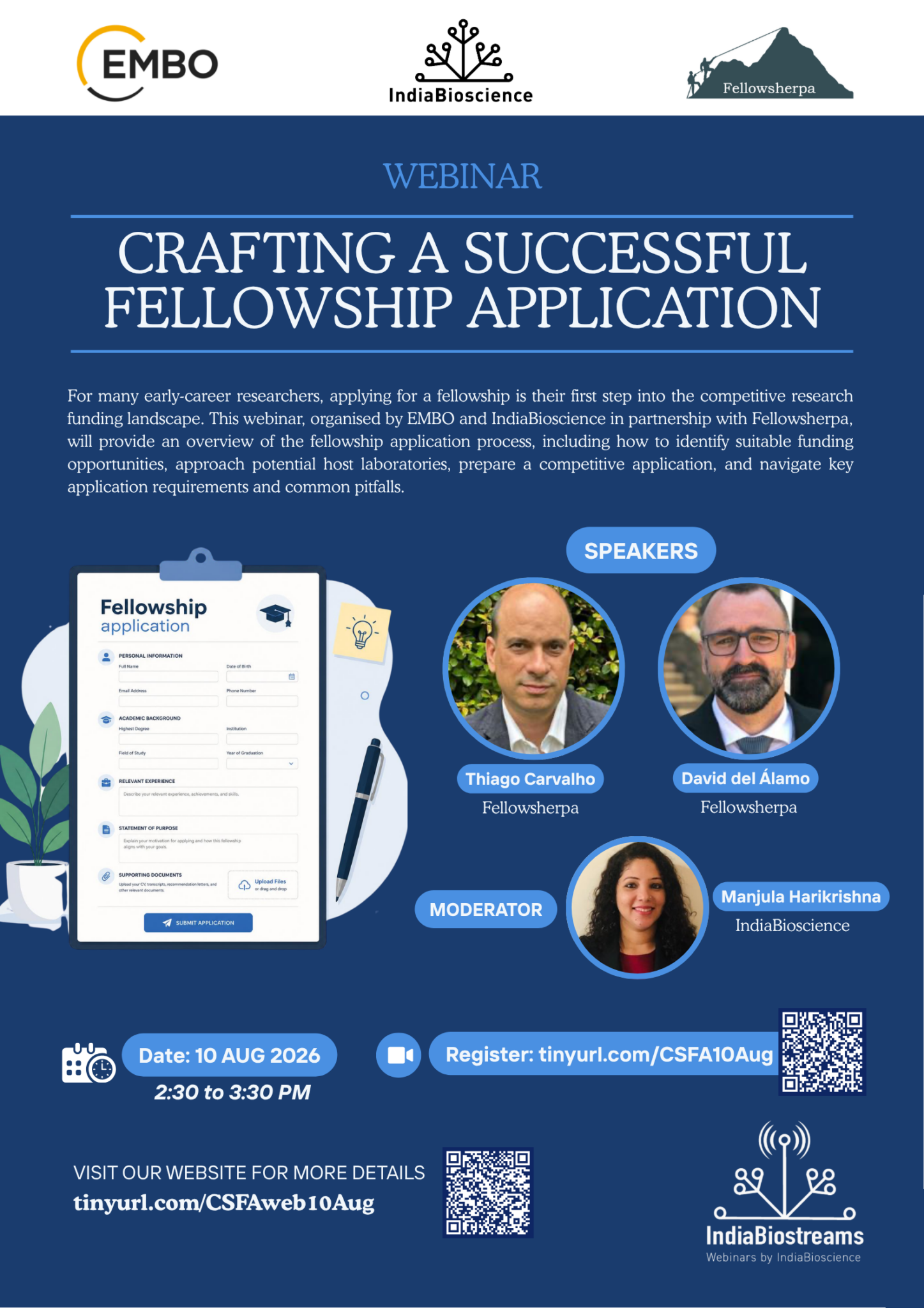
EMBO and IndiaBioscience, in collaboration with Fellowsherpa, is hosting a webinar for PhD students and early-career postdoctoral researchers on navigating the individual research fellowship application process.
Featuring Thiago Carvalho and David del Álamo of Fellowsherpa, and moderated by Manjula Harikrishna (IndiaBioscience), the session covered practical guidance on identifying suitable fellowship opportunities, approaching host laboratories, preparing competitive applications, and avoiding common pitfalls that can affect funding success.
Are you following our social media campaign #ScienceJobsTuesdays to stay updated about jobs, grants and events on X (formerly Twitter), Instagram, Facebook, and LinkedIn? Subscribe to our monthly Jobs and Internships newsletter here if you haven’t already.
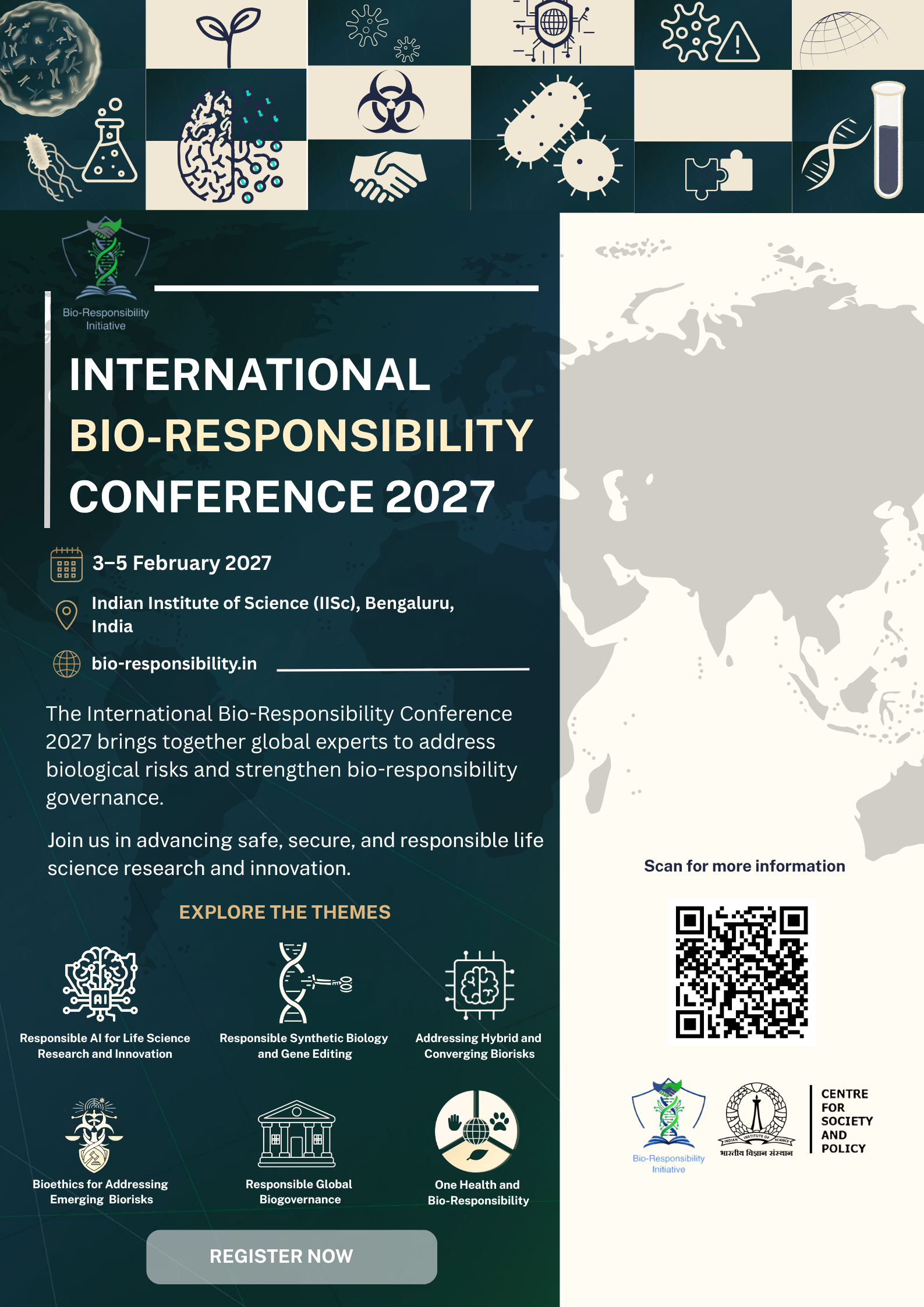
Registrations are now open for the International Bio-Responsibility Conference 2027, to be held 3–5 February 2027 at the Indian Institute of Science (IISc), Bengaluru. This conference, organised by the Bio-Responsibility Initiative at the Centre for Society and Policy, IISc, aims to strengthen safe, secure and responsible life science research and innovation, with a particular focus on India and the Global South. It will bring together scientists, policymakers, public health professionals, biosafety and biosecurity practitioners, ethicists, industry leaders, and early-career researchers from around the world to explore practical solutions to emerging biological risks. The discussions are arranged across thematic areas, involving AI, One Health, synthetic biology, gene editing, bioethics and biogovernance.
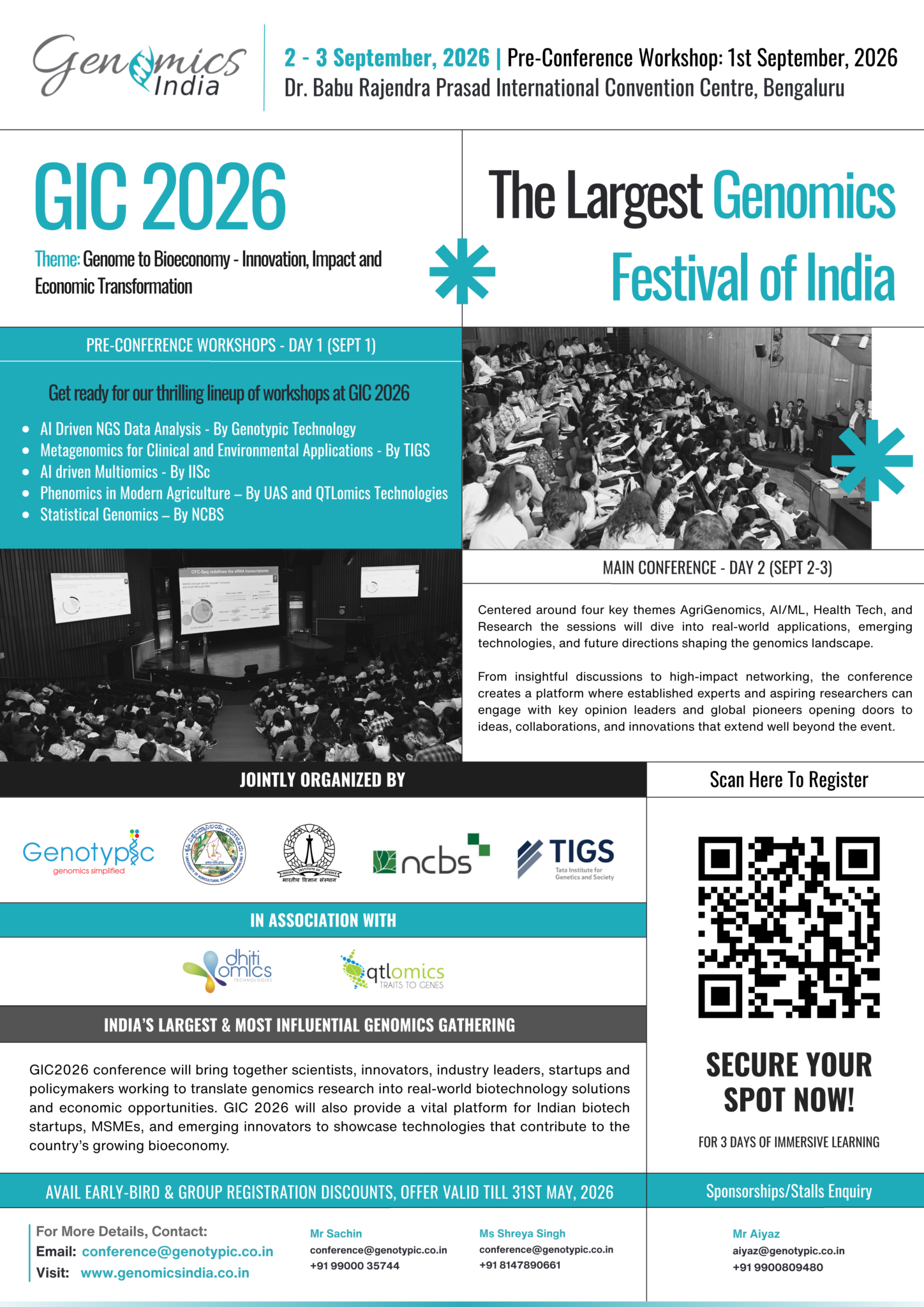
The Genomics India Conference returns for its sixth edition from 1–3 September 2026 in Bengaluru, bringing together global experts in genomics, biotechnology, and the bioeconomy. The conference will feature discussions on cancer genomics, microbiomes, AI-driven genomics, and more, alongside hands-on workshops.
The MSCA Postdoctoral Fellowships support researchers with a PhD to advance their careers through international mobility, interdisciplinary training, and collaboration. Open across all disciplines, these fellowships offer funding for research, training, and networking, along with mobility and living allowances. The 2026 call is now open, with a submission deadline of 9 September 2026.
Applications are open for the Ramanujan Fellowship, a prestigious opportunity for Indian and Indian-origin scientists and engineers working abroad to pursue independent research in India. The fellowship supports outstanding researchers below the age of 40 with an excellent track record, enabling them to join scientific institutions and universities across the country while establishing their research programmes.
Application deadline: 31 December 2026 More details here.
Applications are open for the India Science Book Fellowship 2026-27, an initiative by the Foundation for Advancing Science and Technology (FAST India). The fellowship supports scientists, researchers, writers, journalists, and science communicators interested in writing engaging, non-fiction popular science books that bring science to wider audiences.
Application deadline: 23 August 2026 More details here.