IndiaBioscience - Indian Scenariohttps://indiabioscience.org/columns/indian-scenario/feed2026-10-24T10:51:20+05:30What does India’s latest TB vaccine trial really tell us?India's landmark PreVenTB trial shows that developing an effective TB vaccine is more complex than expected. Although both vaccine candidates proved safe, only limited protection was observed. The study highlights why nutrition, living conditions, and stronger public health systems must remain central to India's TB elimination strategy. ]]>tag:indiabioscience.org,2026-09-21:/columns/indian-scenario/what-does-indias-latest-tb-vaccine-trial-really-tell-us2026-09-21T10:00:00+05:302026-09-22T14:26:21+05:30Rishabh Kachroohttps://indiabioscience.org/authors/GjYBLmYvw5Ly8VJIndia's landmark PreVenTB trial shows that developing an effective TB vaccine is more complex than expected. Although both vaccine candidates proved safe, only limited protection was observed. The study highlights why nutrition, living conditions, and stronger public health systems must remain central to India's TB elimination strategy.
India’s latest tuberculosis (TB) vaccine trial, funded by the Indian Council of Medical Research (ICMR) and conducted across 18 sites in six Indian states, has brought both hope and disappointment. This large phase 3, randomised, double-blind, placebo-controlled trial, called “PreVenTB” tested whether the TB vaccine candidates VPM1002 and Immuvac could safely prevent TB in healthy household contacts of newly diagnosed pulmonary TB patients. This trial, unfortunately, did not produce the kind of success that TB researchers, governments, and patients have waited years to see. VPM1002 and Immuvac were, however, found to be safe. While neither showed convincing protection against all forms of TB or against pulmonary TB (the form that matters most for transmission), VPM1002 demonstrated protection against extrapulmonary TB (EPTB) across age groups. According to the India TB Report prepared by the Central Tuberculosis Division of the National Tuberculosis Elimination Programme, EPTB accounts for 20–24% of all TB cases in India.
The trial was large and grounded in the realities of exposure. Researchers enrolled 12,717 household contacts aged six years and above who were living with recently diagnosed TB patients across six Indian states, with follow-up lasting 38 months. The protocol included a broad age range, including people with comorbidities and risk factors, and treated this diversity as a strength because it would make the findings more generalisable. This is important because trials often speak in the language of biological endpoints, but the people enrolled are never abstract bodies. They come with different histories of exposure, nutrition, comorbidities, and access to care.
What did the study find?
Neither vaccine candidate protected against all TB, pulmonary TB, or latent infection. Both were found to be safe. VPM1002 showed an efficacy of 21.4% against all TB, 19.5% against pulmonary TB, and 50.4% against extrapulmonary TB. Immuvac’s results were more muted. The paper noted that better results from Immuvac were seen mainly in children in the normal weight range, while underweight children did not seem to benefit in the same way. Overall, Immuvac’s findings in children were weaker and less clear. Thus, while the study did not produce a broad breakthrough, it suggests that VPM1002 may be more promising in younger, better-nourished children than in the trial population as a whole.
That gap between what was hoped for and what was found becomes clearer when we ask what a TB vaccine, or any vaccine for that matter, is expected to do. In policy language, “protection” can sound singular, as if there was one outcome that could settle the matter. In practice, however, the endpoints are plural. A TB vaccine may reduce infection, slow the progression to disease, reduce pulmonary disease, reduce extrapulmonary disease, work better in children than in adults, or behave differently in people already exposed to Mycobacterium tuberculosis. The PreVenTB protocol had already anticipated this complexity.
Lessons to learn
Vaccines do not enter empty landscapes. They enter specific ecologies of risk. TB is an especially unforgiving example because its biology is tied to poverty, sanitation, undernutrition, labour, stigma, and delayed diagnosis. As such, immunity is never separable from the material conditions that sustain or weaken it.
For India, this latest TB trial should widen the frame of discussion. The question cannot be whether another vaccine candidate has “worked” in the blunt, everyday sense of the word. Rather, the question should be about the kinds of prevention India is building. If undernutrition weakens the promise of vaccination, then nutrition should be integrated into vaccine policy rather than treated as a separate welfare issue. If household contacts are where risk intensifies, then contact tracing, preventive treatment, and follow-up remain critically important. If pulmonary TB remains untouched, then these findings underscore the need for continued investment in vaccine candidates that can interrupt transmission more directly. The trouble with health policy has often been its tendency to segment these issues. But a bacterium does not respect administrative neatness.
What should India take from the PreVenTB trial?
The findings deserve patience. They suggest that safe vaccine candidates can still matter even when they do not deliver the endpoint everybody wants most. They also remind us that extrapulmonary TB should not disappear from public discourse simply because pulmonary disease dominates transmission debates. Finally, they reinforce the fact that nutrition and social vulnerability remain central to any serious strategy for TB prevention.
The politics of TB prevention in India cannot be built around the fantasy of a single technological fix. On the face of it, the disease appears like a problem that can be solved through intensified notification, tighter surveillance, and faster diagnosis. However, TB is not just a biomedical problem; it is a development challenge that requires action across social protection, justice, and multiple sectors beyond health. The challenge facing us is the political habit of converting ambition into claims of success while the disease continues to feed on undernutrition, poor housing, stigma, delayed diagnosis, and fragmented access to care. The road ahead may be slower than anyone would like, but that makes precision, public honesty, and sustained investment all the more necessary. India should invest much more seriously in multicentre trials, long follow-up systems, data monitoring, and meaningful participation by affected communities.
]]>Rethinking ecology through a sociological lensThis article redefines survival beyond biological persistence, examining it through ecological and sociological lenses. Drawing on case studies from India, the authors highlight how power, inequality, and environmental injustice shape survival. It argues for a just, regenerative, and inclusive understanding of survival that prioritises dignity, equity, and long-term ecological sustainability. ]]>tag:indiabioscience.org,2026-06-29:/columns/indian-scenario/rethinking-ecology-through-a-sociological-lens2026-06-29T10:00:00+05:302026-04-28T11:00:54+05:30Satyajeet Guptahttps://indiabioscience.org/authors/NeZ6MderPaLBydqThis article redefines survival beyond biological persistence, examining it through ecological and sociological lenses. Drawing on case studies from India, the authors highlight how power, inequality, and environmental injustice shape survival. It argues for a just, regenerative, and inclusive understanding of survival that prioritises dignity, equity, and long-term ecological sustainability.
Survival refers to the persistence of life, whether it be of an individual, a population, or an entire ecosystem, and is mostly shaped by adaptation, resource availability, and environmental interactions from an ecological standpoint. Popularly captured in the phrase ‘survival of the fittest’, it underpins evolution and sustains the resilience and diversity of the natural world.
But what happens when we extend this idea to human societies? At its simplest, survival means access to essential elements like food, water, shelter, and safety. These elements align with the core dimensions of human security introduced in the United Nations Development Programme’s landmark Human Development Report of 1994. However, sociology reminds us that this definition is incomplete. Émile Durkheim’s writings on social solidarity and Pierre Bourdieu’s work on inequality tell us that survival is not only material but also social. True survival also interweaves dignity, equity, participation, and autonomy. If ecology teaches us about interdependence, sociology highlights how power and inequality shape access to resources.
Survival and power: In human societies, survival is often mediated by three main questions: (A) Who controls the land? (B) Who decides on development? (C) Who bears the costs of ecological damage? Thus, these questions lie in both realms – sociological as well as ecological. Marginalised groups such as Adivasi communities, small farmers, fishing families, and the urban poor are most dependent on natural resources, yet they remain the most vulnerable to environmental degradation. Ironically, they contribute the least to the crises they endure.
In Central India, Adivasi communities have long faced displacement due to mining and dam projects framed as ‘national development’. Such projects not only strip them of ancestral lands but also dismantle their forest-based livelihoods. On paper, their claims are legally recognised under the Forest Rights Act (2006), but the ground reality is different; weak implementation leaves their ecological survival tied to struggles for cultural identity and political recognition.
In Cuddalore, Tamil Nadu, fishing families, Dalit settlements, and low-income groups live alongside the SIPCOT (State Industries Promotion Corporation of Tamil Nadu). This industrial complex forms one of India’s largest clusters of chemical factories producing pesticides, pharmaceuticals, and plastics. Residents have reported respiratory illnesses, skin diseases, and cancers, as documented by Community Environmental Monitoring reports and independent studies by the CSIR-National Environmental Engineering Research Institute (NEERI). The investigations also detected unsafe levels of carcinogenic pollutants, including benzene and other volatile organic compounds. Community leaders argue that the siting of hazardous industries here is a clear case of environmental injustice. They point out that zoning decisions and weak enforcement have placed a disproportionate burden on vulnerable communities, leaving them to bear the toxic costs of industrialisation.
Beyond endurance: Survival is not only about endurance but also about resistance. The Save Aarey movement in Mumbai illustrates this vividly. When authorities proposed clearing parts of Aarey Colony, a 1200-hectare urban forest inhabited by Adivasi communities, youth, environmental groups, and local leaders mobilised. For Adivasi groups, Aarey was an ancestral home; for young and budding environmental protectors, it was Mumbai’s green lungs and vital to climate resilience. Through sit-ins, art installations, and social media campaigns, they reframed the struggle: not just saving trees, but protecting cultural sovereignty, ecological justice, and the right of future generations to breathe. The urgency was amplified by Mumbai’s worsening air pollution, with the city repeatedly ranking among the most polluted globally in IQAir’s annual reports. Despite police crackdowns, environmental defenders persisted, underscoring that survival today must also mean a liveable tomorrow.
For oppressed and marginalised groups, survival often takes the form of political struggle. Practices such as seed-saving, community farming, water sovereignty, and grassroots environmental movements are not merely ecological strategies but acts of reclaiming dignity and autonomy.
Rethinking survival: True survival is more than avoiding death. It is a socially and ecologically just existence that allows people to thrive. It demands cultural continuity, collective memory, intergenerational justice, and environmental stewardship. Movements such as ecofeminism, indigenous resurgence, and degrowth challenge narrow definitions of survival as competition. Instead, they emphasise cooperation, care, and regeneration.
This reframing is essential in an age of climate crisis and widening inequality. As extreme weather events intensify and resource conflicts sharpen, the question is no longer just how we survive, but who gets to survive and under what conditions.
Towards true survival: Governments often justify large-scale infrastructure and industrial projects in the name of development and growth. For instance, the Economic Survey 2023–24 identifies infrastructure expansion as a key driver of growth, while NITI Aayog’s strategy documents highlight industrial corridors as important enablers of development. Yet development that undermines the ecological base of marginalised communities’ risks turning survival into a privilege rather than a universal right. Bridging ecology and sociology shows us that survival is not only biological but also political, cultural, and ethical.
Survival attains its fullest meaning when it is just, regenerative, and emancipatory, and when societies collectively ensure that life is not merely possible but genuinely liveable for all.
]]>From pigs to patients: Is India’s law ready for animal organs?From India’s first controversial pig-to-human transplant in 1997 to today’s gene-edited breakthroughs, xenotransplantation is rapidly evolving. Yet, India’s regulatory framework remains fragmented. In this article, Rahul Pallipurath explores scientific advances, ethical concerns, and legal gaps, asking whether India is prepared for the arrival of animal-to-human organ transplants. ]]>tag:indiabioscience.org,2026-06-26:/columns/indian-scenario/from-pigs-to-patients-is-indias-law-ready-for-animal-organs2026-06-26T10:00:00+05:302026-05-06T16:40:22+05:30Rahul Pallipurathhttps://indiabioscience.org/authors/RpdwL5dbJ9MrezoFrom India’s first controversial pig-to-human transplant in 1997 to today’s gene-edited breakthroughs, xenotransplantation is rapidly evolving. Yet, India’s regulatory framework remains fragmented. In this article, Rahul Pallipurath explores scientific advances, ethical concerns, and legal gaps, asking whether India is prepared for the arrival of animal-to-human organ transplants.
In January 1997, at a small cardiac clinic in Sonapur, Assam, an ambitious Indian surgeon performed what he described as the first pig-to-human heart transplant. The patient, Purno Saikia, was a critically ill heart patient who had exhausted all conventional options. Dhaniram Baruah, a cardiac surgeon from Assam, completed the 15-hour surgery. Although the surgery was initially deemed successful, the patient passed away after seven days due to acute organ rejection.
Outrage followed. The transplant was performed without any prior approval or ethical oversight. Assam police arrested the surgeon on charges of culpable homicide and violations of the Transplantation of Human Organs and Tissues Act, 1994. He spent 40 days in jail before being released on bail. Protestors vandalised Baruah’s clinic, and a government committee condemned the transplant as unethical and unlawful.
This dramatic incident marked India’s first encounter with xenotransplantation, the transplantation of animal organs into humans. More importantly, it was a pivotal moment that highlighted gaps in India's legal and regulatory frameworks for emerging biotechnologies. In the absence of a dedicated legal framework, authorities stretched the existing transplantation law and criminal laws to address this crisis.
Xenotransplantation comes of age
Nearly three decades later, xenotransplantation is no longer a fringe experiment but an advancing clinical reality.
Advances in genome-editing technologies, especially the development of CRISPR-Cas9, have made genome editing easier, more effective, and more economical. Scientists now edit donor animals’ DNA by switching off genes that trigger human immune rejection and reducing the risk of transmitting animal-borne viruses.
Since 2020, there have been multiple transplants of genetically altered pig kidneys, hearts and even lungs into humans. In 2022, a genetically edited pig heart was transplanted into a human. Although the heart only functioned for a few weeks, it demonstrated feasibility in human patients.
The year 2025 saw significant developments in xenotransplantation. Scientists in China transplanted genetically modified pig lungs to a brain-dead human, who survived for nine days, showcasing viability. A United States national lived with a genetically altered kidney for 271 days before requiring dialysis, and a woman in China survived for 261 days before her body rejected it. Scientists now believe that patients' survival durations may continue to extend.
Today, xenotransplantation is not limited to organ transplants. It also includes the use of animal skin grafts and pig heart valves as replacements for human heart valves.
This shift from an experimental option to a viable lifesaving procedure puts pressure on legislation worldwide, including India.
Organ scarcity, xenografts, and India’s regulatory shortcuts.
Xenotransplantation’s appeal lies in its potential as an alternative to human organ transplantation. India faces a high demand for organ transplants, with its organ donation rate being 0.86 per million population. Studies estimate that only 2 - 3 per cent of demand is met in the country. For thousands of patients, genetically modified animal organs could represent a new practical solution.
While this shortage strengthens the case for alternative sources, India has taken a precautionary stand in the regulation and research of xenotransplantation. The country has not put in place any dedicated framework for the technology. Xenotransplantation was briefly addressed in the ICMR’s Ethical Guidelines for Biomedical Research on Human Participants, 2007. The guideline discussed the ethical and medical issues associated with the technology. It permitted only animal-to-animal experimental transplantation at the existing level of knowledge, while tasking ethics and advisory committees to oversee the experiments. However, the 2017 updated guidelines omit any reference to xenotransplantation.
India's primary transplant legislation, the Transplantation of Human Organs and Tissues Act (THOTA), 1994, is similarly limited. It regulates only human-to-human transplantation and focuses on allocation ethics, prohibition of commercial organ trade and consent. It does not offer any meaningful tools to address issues arising from animal-to-human organ transplantation.
India’s drug law approach to xenografts
In the absence of a dedicated framework, India has attempted to govern xenografts through its drug approval regime. The New Drugs and Clinical Trials Rules, 2019 have categorised “xenografts intended for use as drugs” as a “New Drug”, thus subjecting them to rigorous clinical trial and approval processes.
In October 2025, the government proposed a draft amendment to the Drugs and Cosmetics Rules, 1945. The amendments would add xenografts to its licensing and regulatory provisions. These Rules, along with the Drugs and Cosmetics Act of 1940, govern the manufacture, sale, and licensing of drugs. The proposed amendments seek to extend regulatory control beyond trials to market-stage production and commercialisation, which can be read as an indication that the government expects the technology to enter the market.
The conceptual problem that arises in regulating xenotransplantation through drug laws is whether xenografts can appropriately be classified as drugs. On a literal reading, certain xenotransplantation procedures, especially skin grafts, can fall within the definition of drugs because they are therapeutic and alter bodily functions. However, this approach is conceptually strained when applied to organ transplantation. Entire organs like the heart and kidneys cannot be coherently categorised as ‘drugs’.
Retrofitting this new technology into an existing regime provides a provisional regulatory pathway. However, this framework was originally designed for pharmaceutical drugs and is ill-equipped to address the novel challenges associated with interspecies organ transplantation, which involves the use of adaptive living organs.
What should xenotransplantation guidelines address?
The World Health Organisation (WHO) has adopted multiple resolutions regarding xenotransplantation. At the 57th World Health Assembly in 2004, Resolution WHA57.18 called on member states to establish national regulatory mechanisms for xenogeneic transplantation. It also called for international cooperation in developing standards to mitigate the risks of secondary transmission of xenogeneic infections.
Like any new technology, xenotransplantation is accompanied by challenges unique to it. Primarily, xenotransplantation risks cross-species pathogen transmission, which may emerge even years after transplantation. This is categorised as a public health risk associated with the technology since the pathogen can transform into an infectious disease affecting third parties.
Another major issue concerns animal governance. Safety in xenotransplantation is significantly enhanced by careful donor selection. Donor herds must undergo continuous pathogen monitoring and viral genome sequencing to detect emerging infections.
From an animal rights perspective, the country's existing norms governing the use of animals are not designed to accommodate xenotransplantation. The process requires long-term breeding alongside genetic modification, raising ethical concerns. The issue of using animals as expendable sources of organs must also be addressed. A dedicated law should align with the Prevention of Cruelty against Animals Act, and incorporate the norms issued by the Committee for the Purpose of Control and Supervision of Experiments on Animals, while taking into account the requirements of xenotransplantation.
Animal-to-human organ transplant is no longer science fiction; it is moving steadily towards clinical reality. Recent trials show patients surviving longer with gene-edited pig organs, yet India continues to rely on a patchwork of regulations rather than developing a dedicated, forward-looking framework. So, the question is no longer whether the technology will arrive in India, but whether India’s legal system will be ready when that moment arrives.
]]>Navigating an academic career: Insights for the next generation of scientistsWhat fuels the passion of those at the forefront of life sciences and biotechnology? What situations do they navigate, and what advice do they wish someone had whispered to them early on? An interview series by NaviClar, an initiative that supports the science community in career navigation and progression, sets out to answer these questions not through scripted interviews, but through candid conversations with faculty from India and across the world. ]]>tag:indiabioscience.org,2026-06-12:/columns/indian-scenario/navigating-an-academic-career-insights-for-the-next-generation-of-scientists2026-06-12T10:00:00+05:302026-05-14T14:47:36+05:30Aditya Parekhhttps://indiabioscience.org/authors/RY9PMad3mQ1GVoyWhat fuels the passion of those at the forefront of life sciences and biotechnology? What situations do they navigate, and what advice do they wish someone had whispered to them early on? An interview series by NaviClar, an initiative that supports the science community in career navigation and progression, sets out to answer these questions not through scripted interviews, but through candid conversations with faculty from India and across the world.
For anyone deeply embedded in the world of life sciences and biotechnology, the academic path is often seen as both a calling and a challenge. Yet, truly open and candid conversations about the realities of faculty life, such as the triumphs, trials, and wisdom gained, are surprisingly rare.
NaviClar, an initiative that supports the life science community in career navigation and progression, embarked on a unique series of interviews, aiming to amplify the voices of life science faculty and scientists from India and across the world to foster appreciation, enhance visibility, and spark meaningful dialogue that could inform policy.
NaviClar also recognised the immense value these insights hold for the next generation. Aditya Parekh, founder of NaviClar, said, “The experiences of seasoned academics offer a rich learning ground for early-career faculty and serve as a vital preparatory resource for postdoctoral researchers aspiring to enter the challenging yet rewarding realm of academia.”
In a series of 32 interviews, Sakshi Poddar (PhD,National Institute of Science Education and Research (NISER), Bhubaneswar) and Aditya Parekh (Founder, NaviClar) interacted virtually with faculty members, asking multiple questions to delve into the heart of their professional lives. Here is a glimpse into the responses to three vital questions:
1. What is the thing that satisfies you the most in your job?
Across the board, a resounding theme emerged: the joy of discovery and the impact on the next generation. Most of the faculty members’ faces lit up when they spoke about how seeing their students grow into the next stages of their careers made them fulfilled and proud. Many faculty members spoke passionately about the thrill of witnessing a student's ‘aha!’ moment, seeing their research flourish, or contributing to a deeper understanding of biological processes.
2. What is your biggest struggle as a faculty?
The challenges faced by faculty are diverse, but certain struggles resonated universally. Securing consistent funding and managing work-life balance were frequently cited as major hurdles. The relentless pursuit of grants, administrative burdens, and the pressure to publish often take a toll.
Most of the faculty members underlined that balancing teaching and/or research, along with administrative duties and other responsibilities, becomes a challenge. The pleasure of doing science often gets affected. These struggles underscore the intense demands placed on academics and the need for robust support systems.
3. What is one mistake you would advise young faculty to avoid early in their careers?
The wisdom and advice shared by faculty members offer invaluable lessons for navigating early academic careers. Prioritising careful recruitment and patient mentorship over immediate results was frequently cited as essential. The tendency towards isolation and the administrative burden often take a toll. Most members underlined that trusting intuition while managing productivity dips becomes a critical transition. These insights underscore the need for mental well-being and mutual respect.
Pathways to mentor satisfaction
There is more than one way in which STEM mentors derive satisfaction from their work and perceive their research to have an impact.
As mentors reflected and shared about the most satisfying moments of their professional lives, the joy of solving fundamental problems or asking “why” questions in their respective fields emerged as something profoundly fulfilling. These could require taking leaps to resolve big questions being debated within the scientific community or creating novel methods and developing cutting-edge techniques, both advancing knowledge and initiating new lines of inquiry. Engaging with the ‘unknowns’ gave a sense of purpose to their work and proved deeply motivating.
For me, one of the best parts of this job is figuring out puzzles. Some of the most exciting moments are when students or postdocs bring in data that are completely mysterious and new. Then you start putting the pieces together and discover a story that nobody has heard before. That’s one of the most exciting aspects of my work.”
- Piali Sengupta
Mentors also find gratification in impact measured by community uptake and continuity. The extent to which their discoveries, methods, or datasets are adopted by mentees, collaborators, and the wider research community feeds back into what mentors perceive as the impact of their work. The joy of discovery extends beyond individual breakthroughs into sustained use and evolution of their contributions, influencing future generations of scientists.
I get to talk with and engage with and watch the development of students and postdocs and even, you know, technicians and other folks who are working in the lab and watch them develop as scientists and interact with them as they kind of approach challenging problems. And that's by far the best thing about the job.”
- Erin Goley
The mentorship journey is often recognised for its intellectual significance. However, these pathways reveal that the impact most valued by mentors encompasses intellectual advancement, practical relevance, and an enduring legacy through community growth. This multifaceted sense of research impact is a central driver of mentor satisfaction, reinforcing their commitment to nurturing the STEM ecosystem.
Time management and prioritisation
The tension between pursuing ambitious research goals and the pragmatics of meeting the expectations of the academic calendar and institutional demands is faced by every mentor and can be alleviated through a well-thought-out balancing act.
Reflecting on the challenges faced at the intersection of multiple demanding roles, mentors felt that managing time more effectively was critical while juggling teaching, fulfilling administrative responsibilities, and conducting research. A faculty member or scientist is expected to frequently switch between tasks seamlessly, yet fragmented workflows disrupt focused work and hinder effective sequencing of activities.
I would advise everyone to be very mindful of their time management, not to agree to doing everything, and not get distracted by the noise around you.”
- Rejji Kuruvilla
The time one would want to spend on strategic thinking and intellectual exploration is often crowded out with responsibilities like grant writing, lab management, and other service commitments. While faced with such competing priorities, one needs to prioritise between high-risk, high-reward projects and incremental progress, all while navigating looming deadlines.
Mentors who also have caregiving responsibilities or personal life rhythms are forced to make sharper choices about how to allocate their time, a decision especially complex when they coincide with peak research periods.
One had to struggle to figure out how much time to give to research. That was always a challenge because, at times, I would devote much more than I wanted to, and then I would have to step back and restore some work–life balance before moving forward again. This continues to be a struggle for many women in science in India. But things have changed a lot, and today there’s far more support and opportunity to pursue research ambitiously.”
- Shobhona Sharma
Oftentimes, carving out protected blocks of time for focused work, prioritising ruthlessly, delegation to senior lab members, and batching administrative tasks helped with sustainable productivity at work and personal well-being.
Funding: Bureaucracy and administration challenges
Mentors also face significant challenges stemming from the intensity and inherent uncertainty of the research grant cycle.
Preparing grant applications demands extensive time and effort, often yielding low success rates. As a result, many applicants are required to submit multiple proposals in parallel and continuously revise them based on feedback. This cycle creates substantial rework and pressure.
Compounding the issue is the administrative load, which interviewees characterised as a growing burden of compliance, reporting, procurement, human resources, and other institutional processes that increasingly consume research time.
One of the biggest struggles is navigating administrative tasks that you are probably not used to doing as a postdoc and just making sure that everything is functioning smoothly and efficiently in the lab.”
- Gira Bhabha
These responsibilities fragment focus and slow momentum while performing core research and mentoring responsibilities. Mentors also encounter limits on allowable expenses, slow purchasing processes, and timing mismatches between available funds and project needs, all of which hinder research execution.
Some interviewees also shared that review panels often favour safer, short-term projects, requiring researchers to invest additional effort and time in framing risky or interdisciplinary proposals in ways that appear fundable.
I think my biggest struggle is one that many faculty in the Indian ecosystem share—the ease of doing science in India. It’s about having an idea and being able to execute it at the pace you’d like, without running into roadblocks that slow you down. For example, delays in the timely disbursement of funds or in ordering and receiving materials because of red tape. All of this cumulatively falls into the broader challenge of the ease of doing science. And it’s something I still struggle with, even after having done this for quite a while.”
- Vidita Vaidya
The purchase process was unbelievably difficult at the start and was a big learning experience; Over the years, things changed a little, and we probably just got used to it. It still remains challenging, though.”
- Dileep Vasudevan
Being more thorough with funding agency norms, creating templates for commonly used sections, building administrative scaffolds, and collaborating more extensively with co-principal investigators to share workloads were shared as effective coping strategies to meet grant submission challenges.
They also shared that institutions that centralise grant support and streamline procurement and recruitment processes free up significant burden, allowing PIs to concentrate on research and mentoring. They felt that funders can increase their impact by clarifying review criteria, reducing redundancies in proposal requirements, and providing iterative pre-proposal feedback.
The human-centric blueprint for academic success
The transition to a faculty role is often marked by the mistake of working in isolation. Experienced mentors emphasise that building a successful lab requires rejecting the "lone wolf" mentality and actively seeking guidance from those who understand the institutional landscape. By establishing a strong support network early, new PIs can avoid struggling in a vacuum, stay transparent about their learning curves, and leverage collective experience to navigate scientific and professional hurdles.
I think one of the things the young faculty should always be ready for is to go and talk to everyone and at different places wherever possible, without thinking what return that would fetch in immediate future.”
- Jomon Joseph
Effective lab management requires a strategic balance between administrative duties and core research goals. Faculty members warn against the pressure to over-commit to non-essential tasks or rush the establishment of a physical space. Success lies in selective participation, careful time management, and a willingness to collaborate locally to streamline logistics. By protecting their research focus and bracing for initial productivity dips, early-career researchers can build sustainable, efficient operations without succumbing to administrative burnout.
And one mistake I would advise young faculties to avoid, I guess, is failing to approach and find mentors actively and overcommitting to non-scientific administrative jobs.”
- Samraat Pawar
Building a successful laboratory requires prioritizing long-term team fit over immediate recruitment. Faculty members emphasize that being intentional about hiring passionate, respectful individuals is as vital as the science itself. Success stems from patient mentorship, fostering student independence through their own mistakes, and maintaining a secure, supportive environment that never compromises on mental health.
I think one of the things when young faculty start is they feel really eager to hire students and postdocs to create a team which makes sense but I've seen several instances where people hire too quickly and don't make sure they find the right person, right match and that leads to frustration for both, them and for the person they hired."
- Van Savage
Take your time to judge somebody else and try to find their strengths and weaknesses before they are judged."
- Roop Mallik
Overall, this interview series aims to be more than just that; it's a platform for shared learning. By bringing these diverse perspectives to the forefront, NaviClar not only celebrates the dedication of the life science faculty but also equips the next generation with the insights they need to navigate the exciting, yet challenging world of academia.
NaviClar is a global mentorship and networking platform for higher education students and early career researchers. Check out their website and their social media channels on Linkedin , X (formerly, Twitter) and Instagram
Watch the accompanying discussion/video related to this article here.
**Note - Quotes in this article have been lightly edited for clarity and flow while ensuring the original meaning and intent of the faculty mentors remain unchanged.
Acknowledgement
We sincerely thank all the faculty mentors who participated in this structured interview series with NaviClar. This article offers a glimpse into our discussions. A more comprehensive feature, exploring a wider range of themes in greater depth and featuring an expanded group of faculty, will be published soon
Radhika Nair (Centre for Human Genetics - CHG, Bengaluru, India)
Van Savage (University of California, Los Angeles - UCLA, USA)
Jomon Joseph (National Center for Cell Science - NCCS, Pune, India)
Chijioke Emenike (Dalhousie University, Canada)
R. Sowdhamini (National Centre for Biological Sciences - NCBS, Bengaluru, India)
Samraat Pawar (Imperial College London, UK)
Roop Mallik (Indian Institute of Technology - IIT Bombay, India)
Sandeep Robert Datta (Harvard Medical School, USA)
Umesh Varshney (Indian Institute of Science - IISc, Bengaluru, India)
Katherine Gundling (University of California, San Francisco - UCSF, USA)
Dileep Vasudevan (Rajiv Gandhi Centre for Biotechnology - RGCB, Thiruvananthapuram, India)
Soma Chattopadhyay (Institute of Life Sciences - ILS, Bhubaneswar, India)
Sudarshan Gadadhar (Institute for Stem Cell Science and Regenerative Medicine - BRIC inStem, Bengaluru, India)
Gira Bhabha (Johns Hopkins University School of Medicine, USA)
Shobhona Sharma (Tata Institute of Fundamental Research - TIFR, Mumbai, India)
Jose Manuel Andreu (Margarita Salas Center for Biological Research - CIB-CSIC, Madrid, Spain)
Satyajit Rath (Indian Institute of Science Education and Research - IISER, Pune, India)
Kristin Michel (Kansas State University, USA)
Vidita Vaidya (Tata Institute of Fundamental Research - TIFR, Mumbai, India)
Palok Aich (National Institute of Science Education and Research - NISER, Bhubaneswar, India)
Erin Goley (Johns Hopkins University School of Medicine, USA)
Raghunand Tirumalai (CSIR-Centre for Cellular and Molecular Biology - CCMB, Hyderabad, India)
Poonam Thakur (Indian Institute of Science Education and Research - IISER, Thiruvananthapuram, India)
Nischay Mishra (Columbia University, USA)
Mohit Kumar Jolly (Indian Institute of Science - IISc, Bengaluru, India)
Rejji Kuruvilla (Johns Hopkins University, USA)
Aniruddha Datta Roy (National Institute of Science Education and Research - NISER, Bhubaneswar, India)
Ronald Vale (Massachusetts Institute of Technology - MIT, USA)
]]>Every second Sunday with science heroesEvery second Sunday, The Scicomm Synapse brings science to life through conversations with researchers and communicators. From career journeys to curiosity-driven insights, their student-led initiative bridges scientists and society, celebrating diverse paths in STEM while fostering scientific temper, collaboration, and storytelling across India. ]]>tag:indiabioscience.org,2026-06-08:/columns/indian-scenario/every-second-sunday-with-science-heroes2026-06-08T10:00:00+05:302026-04-16T10:25:37+05:30Satyarth Pandeyhttps://indiabioscience.org/authors/GVWZMqlYYX1NqB2Every second Sunday, The Scicomm Synapse brings science to life through conversations with researchers and communicators. From career journeys to curiosity-driven insights, their student-led initiative bridges scientists and society, celebrating diverse paths in STEM while fostering scientific temper, collaboration, and storytelling across India.
In the era of AI and digital platforms, intellectual curiosity is growing among the people of India. Nowadays, it is almost impossible to skip any reels or posts talking about the health benefits of either eating all kinds of seeds or quitting refined sugar. Creators across India are gaining traction by focusing on niche areas, whether it is educating scientific concepts to school students in a simplified way by Talk To A Scientist or the captivating Chai and Why show to make science more visible across all generations, complements a very interesting clause of Article 51(A) of the Indian Constitution that states: to develop scientific temper, humanism, and the spirit of inquiry & reform.
We, The Scicomm Synapse, registered under the Ministry of Micro, Small, and Medium Enterprises, Government of India, runs solely by students and scholars from diverse age groups and different parts of India, believe that science communication is not only limited to information but also involves bringing out the stories behind the backbones of knowledge creators. The Scicomm Synapse is a creative impulse to bridge the gap between scientists and the public. Recently, we completed hosting more than 50 live sessions. Through our initiative, The Next Experiment (a live science podcast series), we encourage scientists to step beyond their lab coats and engage in meaningful, informal conversations with our audience.
The joy of the community members in organising such events is immeasurable, demonstrating a highly collaborative spirit by engaging in various activities, from reaching out to speakers to hosting a live show to marketing on social media platforms. Hence, we find our niche in spending quality time every second Sundays of the month with our favorite scientist or science communicator and listening to their STEM journey.
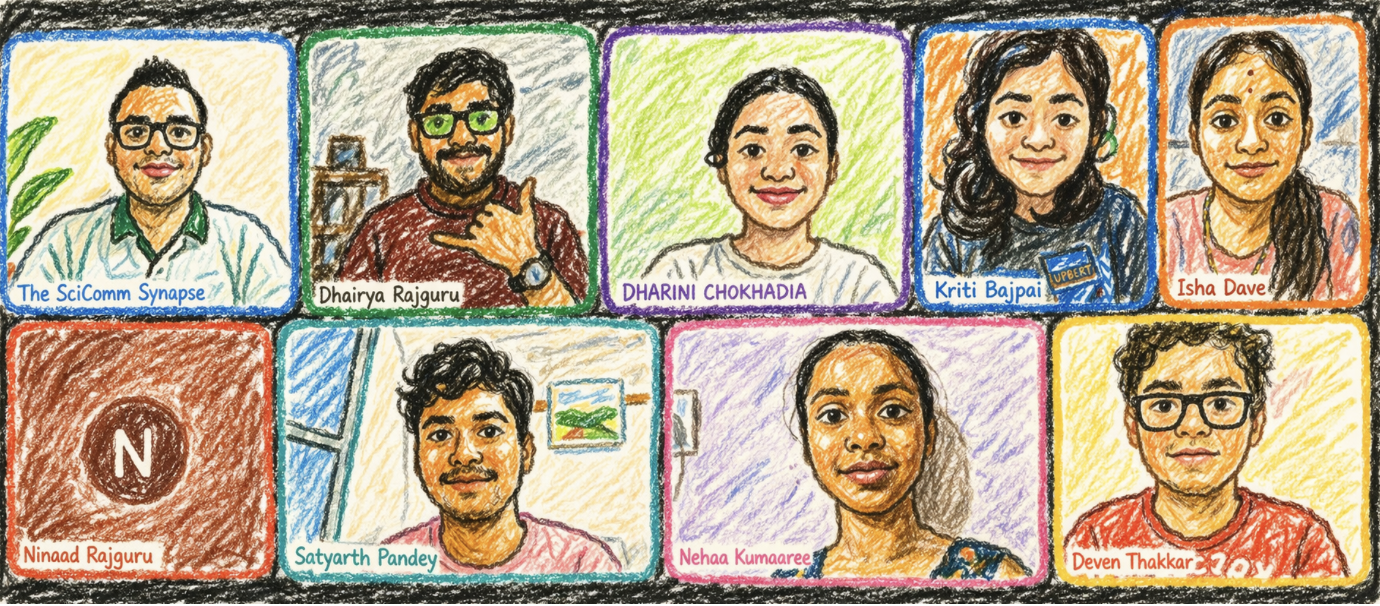
Image created by Satyarth Pandey using Google Gemini. Prompt used: Make a bright color crayon image of the screenshot of the virtual meeting.
We have hosted a diverse panel of speakers. Our list of notable speakers include eminent scientists as L.S. Shashidhara, Vinay K. Nandicoori. Shashidhara extended learnings on the importance of an interdisciplinary approach to science and how skills acquired in one field can be profitably applied to another. He also shared that mentoring, for him, is about giving his students a free hand for experimental design while playing an advisory role. Nandicoori emphasised that good science starts with curiosity, not just techniques. He also shared that his own journey wasn’t perfectly planned and suggested to students that they shouldn’t feel pressured to have everything figured out early.
We also hosted Karishma S Kaushik, a staunch advocate for women in STEM. A key takeaway message from her was that careers in science are never linear. However, we are not only limited to eminent leaders in STEM but have also extended our platform to young startup founders like Sanyam Sharma, whose desire to do something of his own burned brighter than accepting a PhD position abroad.
The primary aim behind organising such sessions is to showcase academia as a diverse career option. Gone are the days when parents and students viewed careers as limited to “doctor” or “engineer”. More than achievements, what truly stayed with us was how different a journey one can opt for and pursue in science.
Under our flagship initiative, KalaTatva, a sci-art project, we got the opportunity to cover stories of a scientist-turned-science communicator, Ipsa Jain, who tells scientific stories through her art and illustration, and how Rafeeque Mavoor, a scientific illustrator, opened his own Sci-art services, collaborating with various institutions and researchers.
What began as a small idea to create a platform for STEM peers has now grown into a vibrant, student-led community comprising individuals from diverse career backgrounds and regions—all working voluntarily. However, sustaining such a community comes with challenges, including annual website maintenance costs, limited access to high-quality content creation tools, and the need to better recognise team contributions.
Looking ahead, we aim to apply for science communication grants to address these challenges, improve content quality, and expand outreach across India. We also aspire to bridge the urban–rural divide in science communication by engaging with rural communities and conducting workshops in regional languages. We welcome collaborators who share our vision of bringing scientists’ stories to wider audiences and strengthening science communication across the country.
]]>Quantum dots in India’s cancer research landscape: Tiny particles, big possibilitiesQuantum dots—tiny, glowing nanoparticles, are reshaping India’s cancer research landscape. From fruit waste–derived diagnostics to targeted nanotherapies, researchers across the country are harnessing these tools to reveal disease earlier, improve precision, and reimagine accessible, innovative cancer care. ]]>tag:indiabioscience.org,2026-03-20:/columns/indian-scenario/quantum-dots-in-indias-cancer-research-landscape-tiny-particles-big-possibilities2026-03-20T10:00:00+05:302026-03-20T16:00:18+05:30Nida Farooqhttps://indiabioscience.org/authors/NidaFarooqQuantum dots—tiny, glowing nanoparticles, are reshaping India’s cancer research landscape. From fruit waste–derived diagnostics to targeted nanotherapies, researchers across the country are harnessing these tools to reveal disease earlier, improve precision, and reimagine accessible, innovative cancer care.
A pinprick of light in a complex disease
When 46-year-old Meera from Pune visited her doctor with persistent fatigue, cancer was the last thing she expected to hear. By the time her tumour was detected, it had already advanced. In India, every year, thousands of cancer cases are detected far later than they should be, as early warning signs in many patients remain invisible, buried deep within the cells before symptoms appear.
But what if we had tools that could reveal these signs much earlier? Tools so small that they could slip inside a single cell and light up disease before it took root?
Scientists across the country have been trying to solve this challenge using a surprising tool: a tiny, glowing nanoparticle known as a quantum dot (QD). These few-nanometer specks of matter can illuminate specific molecules inside a cell with a remarkable luminosity.
In recent years, QDs have emerged as pioneers in cancer imaging and diagnostics worldwide. But what role do these tiny nanoparticles play in India’s growing cancer research ecosystem? And how are Indian institutions, from IITs and IISc to CSIR laboratories, exploring and advancing their potential?
This article takes a closer look at how QDs are being engineered, tested, and applied in India, and why these “glowing particles” hold strong promise for the future of cancer detection and personalised treatment in the country.
What exactly are QDs, and why do they matter?
QDs are nanometre-sized crystals, tiny lanterns that glow brightly when illuminated by light. Each QD is so small that thousands could sit on the head of a pin, yet they emit light with a clarity far beyond ordinary fluorescent organic dyes.
What makes QDs distinctive is their tunability: changes in size can precisely adjust the colour they emit, much like tuning the pitch of a musical note. This property enables multiplexing, creating a nanoscale palette of light, from smaller dots glowing blue to larger ones glowing red.
Inside a cell, these dots act as glowing breadcrumbs, binding to specific molecules and illuminating biological pathways that are otherwise invisible. These dots help the researchers to track even the faintest signals of disease through their brightness, stability, and precision. Today, these “nano-lanterns” are helping scientists follow tumour cells, detect cancer biomarkers, and monitor drug movement in real-time, making them one of the most powerful visual tools in modern biomedicine.
Breaking down their key strengths, we get:
Clearer imaging with brighter, longer-lasting signals than traditional dyes
High precision with the potential to guide drugs directly to tumour cells
Sensitive diagnostics capable of detecting trace biomarkers in blood or tissue
With this foundation in mind, how are Indian laboratories putting QDsinto action?
India’s QD research landscape: Tiny tools, big impact
Below is a curated set of studies representing some of India’s most exciting strides in QD-based cancer research, each offering a glimpse into how diverse institutions are shaping this fast-growing field.
IIT Gandhinagar, Gujarat
Mango leaf QDs that kill cancer and nurture neurons
QDs offer India a unique platform - scientifically powerful, economically scalable, and creatively adaptable. From fruit waste to exosome coatings, Indian researchers are proving that innovation doesn’t always require exotic materials or expensive infrastructure; sometimes, it begins with a simple idea and the right scientific question.
The interdisciplinary teams across the country continue to merge chemistry to shine light on cancer biology. India stands poised to illuminate new paths for diagnosis and therapy—one quantum dot at a time.
]]>A new way in: Stimulating neurons without touching themResearchers in India have developed a non-invasive way to stimulate neurons using a biocompatible semiconductor. By modulating calcium signalling without electrodes or magnets, this approach could open new paths for treating neurodegenerative disorders and for building biocomputing systems. ]]>tag:indiabioscience.org,2026-03-13:/columns/indian-scenario/a-new-way-in-stimulating-neurons-without-touching-them2026-03-13T10:00:00+05:302026-04-09T11:57:00+05:30Alok Ajakkalahttps://indiabioscience.org/authors/AlokAjakkalaResearchers in India have developed a non-invasive way to stimulate neurons using a biocompatible semiconductor. By modulating calcium signalling without electrodes or magnets, this approach could open new paths for treating neurodegenerative disorders and for building biocomputing systems.
Once upon a time…
In the Autumn of 1944, the world was expecting the end of bloodshed that had been occurring for the past five years. The Allied Forces had invaded France and were advancing towards Hitler’s Germany. With these developments, the general public was anticipating normalcy any time from then. The grocer who had become an artilleryman could go back to his store and the physicist who worked on bombs could go back to his studies on water droplets.
In the midst of this, a young physiologist named Alan Hodgkin was working with the allied forces on the effect of altitude on the human body to design better aircraft. Before the war began, his Roman Empire was the nerve in the thigh of frogs. Utilising the frog sciatic nerve as a model, he used to study the electrical impulses transmitted in the nerves. With the end of the War in sight, he was released from military service and summoned back to Cambridge under the influence of an aristocratic electrophysiologist and Nobel Laureate, The Lord Adrian to continue his work on biophysics. Subsequently, in 1952, Hodgkin, along with his collaborator Andrew Huxley, published a series of 5 papers which elaborated, mathematically, the workings of electricity inside living tissues, building on years of experimental data. They eventually won the Nobel Prize in 1963. What did they show? Their model showed how neurons behave while firing. This firing is fundamental for everything that our brain does from emotions to intellect.
Today
Fast forward 80 years, the same excitement on nerve excitability is now being collaboratively explored by a group of Indian nanotechnologists working across Mohali, Hyderabad, and Lucknow, who have developed a brand new way to tap the potential of neuronal excitability to treat debilitating conditions such as Alzheimer's and Parkinson's, using a semiconductor. The same class of materials that make up our phones are now changing brain chemistry (in a good way, unlike phones!). Researchers used graphitic carbon nitride to understand how they might affect neuronal modulation. The results were so multifaceted that they defy a singular, linear narrative of explanation.
Brainology
All cells maintain an electrical gradient around them. This potential is created by a bunch of ions like sodium, chloride, potassium, and calcium. A rule of thumb is that the outside of a cell, or the water in which the cell floats, is like sea water - abundant in sodium, chloride, and calcium. On the other hand, the inside of a cell has an abundance of potassium ions.
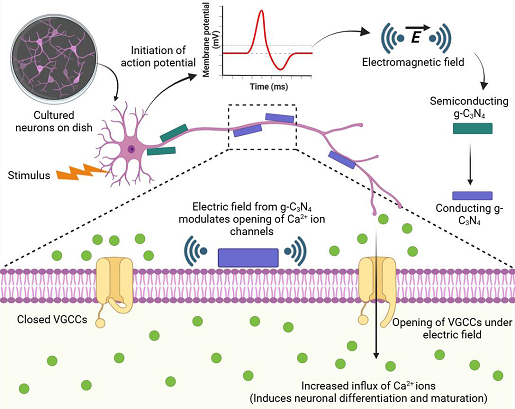
The influx of calcium ions into the cell from the outside is fundamental for changes in neuronal membrane potential to occur. This influx happens through tiny tubes. These tubes have gates guarding them so that too much or too little ions don't enter. Whenever there is a change in potential around the cells, the floodgates of these tubes open, allowing vast amounts of calcium to enter the cell.
In cell cultures, over a period of 21 days, nerve cells showed increased differentiation and formed more outgrowths. What was happening in parallel (or driving it) was an increase in calcium influx into the cells. How do we know that calcium is doing the work here? For the above-mentioned processes, dopamine is required inside the cells. To synthesise dopamine cells use a whole arsenal of molecular machines which in turn require calcium to function. The scientists found out that there is an increased concentration of molecular machines inside the cell, which confirmed that the graphite carbon nitride was playing its role.
To test the nanomaterial's impact on living cells, they used a worm called Caenorhabditis elegans. It is considered as the workhorse of genetics. It has a bunch of unique properties such as easy to grow, short life span, limited number of cells which makes it ideal for genetic research. It was observed that carbon nitride nanosheets prevented some protein blobs from forming inside the cells. This kind of aggregation of protein blobs is implicated in Alzheimer's and Parkinson's diseases, which wreak havoc in patients’ and their loved ones’ lives. This feature of the nanomaterial holds immense promise in devising treatment methods for these diseases in the future.
Schematic representation of the proposed mechanism underlying g-C₃N₄-induced neuronal differentiation and network formation. Neuronal cells transition from a resting membrane potential (−90 mV) to an action potential peak (+55 mV). Image source: Press Bureau of India announcement
Bio-hacking
The impact of this development is not limited to medical advantage. An idea in vogue among Biotech bros and nerds is the concept of Biocomputing, with brain tissue performing computations, replacing, or aiding machines. This research has the potential to improve the function of brain tissue as a biological processor. This is an area where the boundaries between the biological mind and technological machine get blurred, and important ethical questions such as machine consciousness emerge, but that's a topic for another day.
The idea of compounds altering brain function isn't new. Drugs do exactly that. We have been cracking open the brain up and changing its structure safely for at least 120 years. So what's new here? The material used here is a biocompatible semiconductor. This is where the “brain stuff” and “phone stuff”, for the lack of better term, get blended, and create a novel junction point around which medical and machinist revolutions can pivot around. That India is at the centre of this research signals the pace at which Indian scientific ideas and capabilities are advancing.
]]>Rethinking Open Research in India: From policy aspirations to practical implementationOpen research in India is at a pivotal moment. There is a broad agreement that publicly funded knowledge must be more accessible, reusable, and trustworthy. However, structural, financial, and cultural barriers continue to slow progress. As India strengthens its life science ecosystem through data management infrastructures, evolving policies, and a rapidly expanding research community, the question is no longer whether openness is necessary, but how to implement it in ways that are equitable, practical, and suited to India’s diverse scientific landscape. ]]>tag:indiabioscience.org,2026-01-19:/columns/indian-scenario/rethinking-open-research-in-india-from-policy-aspirations-to-practical-implementation2026-01-19T10:00:00+05:302026-01-19T16:27:56+05:30Siuli Mitrahttps://indiabioscience.org/authors/PRYwLlb3kA1gO0QOpen research in India is at a pivotal moment. There is a broad agreement that publicly funded knowledge must be more accessible, reusable, and trustworthy. However, structural, financial, and cultural barriers continue to slow progress. As India strengthens its life science ecosystem through data management infrastructures, evolving policies, and a rapidly expanding research community, the question is no longer whether openness is necessary, but how to implement it in ways that are equitable, practical, and suited to India’s diverse scientific landscape.
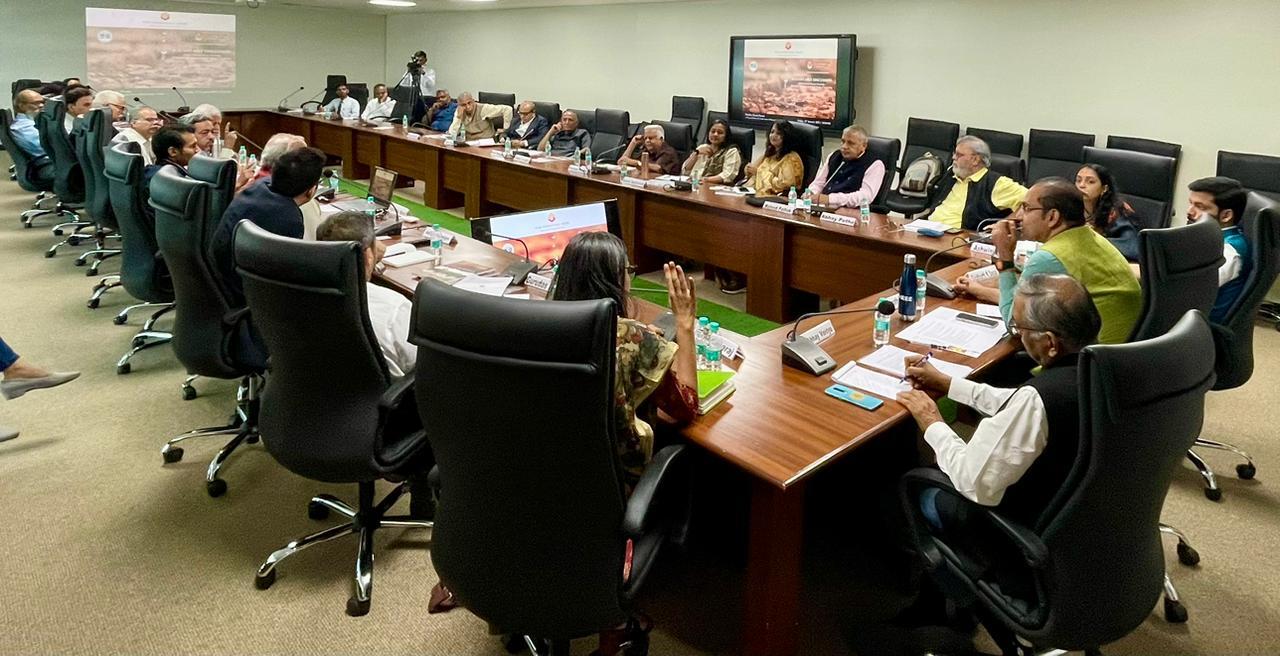
To explore this further, IndiaBioscience and Taylor & Francis Group convened two meetings in Bengaluru and Delhi in 2025 to get researchers, science policy experts, institutional leaders, science-funding representatives, and publishing professionals at the same table. These discussions examined how open research has evolved in India, where current mandates and practices align or diverge, and the lived realities of implementation across open access, research integrity, data stewardship, and assessment.
This article draws on those discussions to highlight how different science institutions in India, academic, funding agencies, policymaking bodies, publishers, and intermediaries, are collectively reflecting on what an Indian model of open research could look like. The insights shared point toward a future in which openness is embedded not only as a policy requirement but as a cultural and operational norm that strengthens India’s life science research for the long term.
Rethinking policy: Going beyond Open Access to ‘true openness’
India’s current open access (OA) frameworks remain fragmented and unevenly implemented. While authors are encouraged to publish openly, there is limited institutional or funder support to help them do so, particularly in covering publishing-related costs or navigating OA options.
The national One Nation, One Subscription (ONOS) scheme was widely regarded as a step forward in improving reader access across the country. However, it was described as a subscription mechanism rather than a policy that improves access for Indian researchers while leaving most Indian-authored work inaccessible to the global community. Moreover, the scheme offers limited support for authors to publish their work in open access, constraining the global visibility and dissemination of Indian research outputs.
Participants emphasised the need to move beyond treating openness as a voluntary or aspirational practice and toward positioning it as an expected outcome of publicly funded research. Few participants compared with models in the UK and Europe, where depositing accepted manuscripts and providing open access are integrated into evaluation frameworks. However, participants cautioned against replicating these models without contextualising local publishing practices, stressing the importance of recognising India’s linguistic diversity, supporting regional and community-generated datasets, strengthening local repository infrastructure, and treating openness as a dimension of research quality and trustworthiness.
Aligning incentives and assessment with openness
A recurring theme was the misalignment between policy aspirations and academic incentives. Many institutions remain functionally “closed”, because hiring, promotion, and grant evaluations continue to rely heavily on journal prestige and impact-factor-driven metrics. This discourages practices such as depositing accepted manuscripts, sharing data and code, adopting FAIR/CARE principles, or experimenting with open publishing formats, particularly when these activities do not clearly contribute to career progression.
Participants highlighted the need to rebalance research assessment systems to recognise a wider range of contributions, including high-quality datasets, preprints, software and protocols, evidence of societal uptake, outputs in Indian languages, and community-oriented research products that rarely appear in top-tier journals. India’s ongoing higher-education reforms and the establishment of newer funding agencies present a timely opportunity to embed principles of openness, transparency, and responsible assessment from the outset.
Taylor & Francis's open research framework was highlighted as an example of how publishers can support this shift. The framework includes funder-compliant publishing options, transformative agreements, and open science practices such as open data policies and new article types, all aimed at making research more transparent, reusable, and impactful.
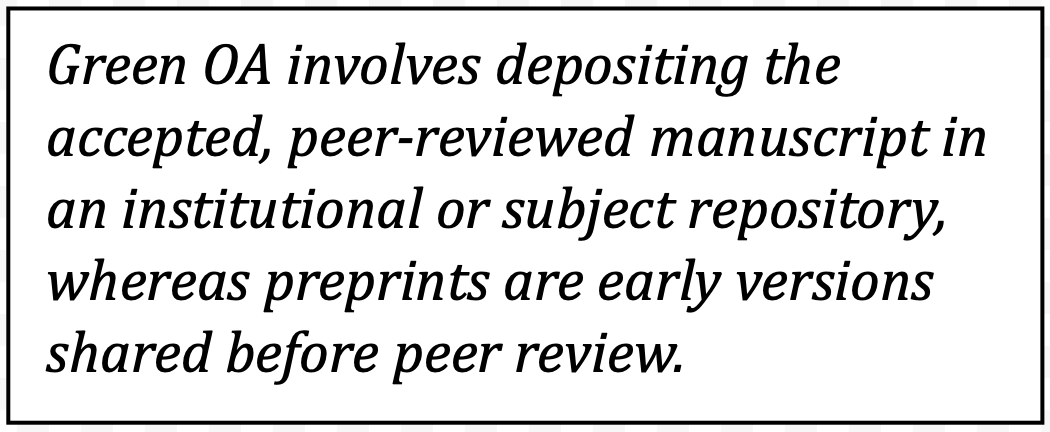
Preprints, Green OA and underused infrastructure
Discussions in Bengaluru examined the distinction between green OA and preprints, and why both remain underused in India despite their wider global uptake.
Participants observed that Indian preprint adoption remains comparatively low, citing limited awareness, fragmented institutional practices, inconsistent or unclear journal policies, and the absence of incentives from funders or employers. Researchers also expressed concerns about plagiarism-detection flags triggered during submission or about how different publishers and platforms handle preprints during review.
Existing repositories such as CSIR-Central and Science Central were viewed as promising but currently under-resourced, under-promoted, and insufficiently integrated into day-to-day research workflows. Some felt that strengthening these national infrastructures, along with clearer policies, streamlined deposition processes, and linking deposits to evaluation and funding criteria, could meaningfully accelerate India’s pathway to openness without relying solely on pay-to-publish routes.
Funding, APCs and the economics of openness
Both roundtables surfaced significant concerns about the affordability and equity of prevailing OA business models, particularly Article Processing Charges (APCs). Experimental scientists described the difficult trade-off between paying high APCs, often higher in hybrid journals and supporting core research activities, especially in settings with modest grants or limited institutional support. Questions were also raised about perceived duplication of costs, as institutions pay for large subscription packages while individual researchers still pay APCs for OA visibility.
Taylor & Francis representatives responded by outlining what APCs generally cover: peer review management, editorial processes, technical infrastructure, long-term preservation, and handling large volumes of rejected manuscripts in selective journals. They highlighted “read-and-publish” and other consortial agreements as approaches that redirect subscription spending to support OA publishing without charging authors directly, noting that such models have facilitated wider transitions to openness in parts of Africa, Europe and Asia.
Even so, participants agreed that these models are unevenly implemented and not yet optimised for India’s diverse institutional landscape. While a few funding agencies in India now permit grant budgets for publication costs, most lack coherent policies to support OA. As a result, researchers are often expected to publish openly without clear financial pathways to do so, underscoring the need for more coordinated national strategies. An example suggested at the Bangalore event was earmarking funds for publishing OA, which supports better planning.
Ownership, licensing and control of data
Discussions in Bengaluru highlighted the importance of ownership and licensing in Open Research. Traditional copyright transfer agreements can often limit how authors and institutions can reuse or build on their own publicly funded work. Participants emphasised the need for transparent frameworks governing the access and use of texts and datasets, including licenses such as CC-BY that allow for reuse, adaptation, and sharing.
Rights-retention policies were suggested as a way to empower authors to retain key reuse rights when publishing in established journals. Such approaches could support a more equitable balance among global publishers, Indian institutions, and the communities whose knowledge and data underpin scientific research.
Capacity building, community engagement and culture change
Policy shifts and technical infrastructure alone cannot deliver openness without sustained capacity building and cultural change. IndiaBioscience and Taylor & Francis shared ongoing initiatives, including large-scale webinars, local-language materials, train-the-trainer programmes and in-person events such as the Young Investigators’ Meetings. These efforts aim to strengthen the understanding of why openness matters for visibility, reuse, and public trust in science by anchoring focused discussions with the community.
Participants highlighted the value of supporting locally led open-science and outreach projects through small grants, which can grow into longer-term, independently sustained initiatives. However, they noted that such activities require institutional recognition within workload and evaluation systems to be fully integrated into research culture.
Quality, integrity and responsible openness
While OA increases the visibility of literature and data, it does not guarantee rigorous peer review, sound methodology, or responsible reuse. Participants emphasised the need to advance openness and quality together. Examples of emerging integrity infrastructures included institutional research integrity units, centralised project-tracking systems, and mandatory coursework for graduate students on OA models and critical appraisal.
Taylor & Francis described measures such as strengthened data policies, expanded roles for desk editors, and targeted training for editors and reviewers on responsible open-data practices. These efforts aim to ensure that openness is accompanied by trustworthiness and rigour.
Across groups, integrity was framed as a shared responsibility: a culture that must extend throughout the research lifecycle rather than being treated as a final-stage checkpoint.
Towards an Indian model of Open Research
The Delhi and Bengaluru roundtables paint a picture of a research system that is ideologically open but structurally constrained. India has a broad community interest in openness, improved access through ONOS, increasing global visibility for its science, and important policy windows through evolving assessment reforms and new funding mechanisms. At the same time, misaligned incentives, uneven financial support for APCs and repositories, underused infrastructures, and continued reliance on impact-factor–driven evaluation remain barriers.
The conversations represent early steps toward articulating a unique vision for open research in India. By building cross-sector collaborations and embedding openness as a cultural and operational norm, India can create a more equitable, trusted, and impactful research ecosystem.
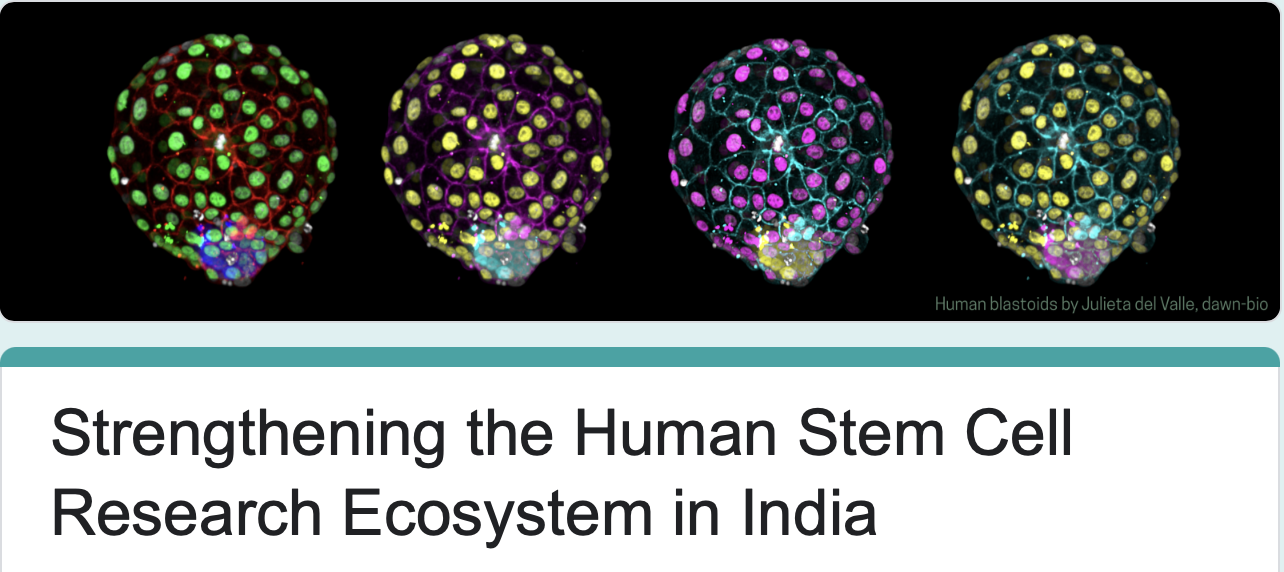
]]>Stalled science: Why India’s human stem cell research has yet to take off?A recent breakthrough in China, where a diabetic woman regained insulin production through a stem cell transplant, highlights India’s urgent need to reflect on its own human stem cell research. Despite global advances, India lags behind in innovation and infrastructure. A nationwide survey now seeks to uncover why—and how to fix it. ]]>tag:indiabioscience.org,2025-11-14:/columns/indian-scenario/stalled-science-why-indias-human-stem-cell-research-has-yet-to-take-off2025-11-14T10:00:00+05:302025-11-15T12:44:06+05:30Kasturi Mahadikhttps://indiabioscience.org/authors/kZyaKo9w3OM6q5JA recent breakthrough in China, where a diabetic woman regained insulin production through a stem cell transplant, highlights India’s urgent need to reflect on its own human stem cell research. Despite global advances, India lags behind in innovation and infrastructure. A nationwide survey now seeks to uncover why—and how to fix it.
A 25-year-old diabetic woman in China made headlines last year after receiving a transplant of stem cell-derived islet cells that restored her ability to produce insulin. For India, home to the world’s largest population of diabetics, this breakthrough calls for a reflection on the state of our own innovations.
Meanwhile, just last week, researchers at the San Diego–based company Qureator unveiled a tumour-in-a-dish model, complete with a network of blood vessels. This laboratory model mirroring human cancers paved the way for testing of new drug combinations in the clinic. It stands out as both ethically responsible (animal-free testing) and human-relevant, an approach that India fully endorsed in 2023.
Such stem cell research has been transforming the landscape of modern medicine ever since Nobel laureate Shinya Yamanaka showed nearly two decades ago that ordinary adult cells can be reprogrammed into highly adaptable stem cells.
And yet, India remains oddly silent on the clinical as well as laboratory fronts in this field. It is time to ask:
Why is India’s human stem cell research broken, and what will it take to fix it?
Where ideas found allies
Frustrated by the lack of momentum in India’s human stem cell research, Manasi Srivastava—a scientist and alumna of CSIR-CCMB—approached me to explore the possibility of a collaboration to better understand the issue. At the Centre for Predictive Human Model Systems, where our goal is to translate fundamental research into better human health outcomes, I needed no convincing. Together, we designed a survey to capture the voices of human stem cell team leadsacross India, identifying challenges and potential solutions for the way forward (open from 6 October to 28 November 2025).
So, what do the early responses to the survey reveal?
A striking 88% of respondents said they face challenges in conducting human stem cell research in India, and 79% reported grappling with more than one obstacle.
At the top of the list is the lack of access to reliable, locally-made, and customisable laboratory supplies. Most robust vendors operate outside India, selling to Indian scientists only through distributors and on-demand orders. The result: higher costs and long delays that slow research to a crawl. Close behind are the absence of dedicated funding calls and limited access to human stem cells themselves.
Through it all, one sentiment emerged loud and clear: “India needs a national stem cell mission, and the time is now”.
Do you resonate? Add your voice, take the survey today.
]]>Greener cities, smarter choices: PKC’s sustainability projects for PuneThe Sustainable Development Goals 2030 (SDGs 2030) proposed by the United Nations urges governments, businesses, and individuals to take collective action against pressing social, economic and environmental challenges by 2030. With a core emphasis on sustainability and climate action, Pune Knowledge Cluster, (PKC) which is one of the eight knowledge cluster initiatives backed by the Office of the Principal Scientific Advisor to the Government of India (GoI), supports India’s commitment to the 2030 agenda. ]]>tag:indiabioscience.org,2025-09-19:/columns/indian-scenario/greener-cities-smarter-choices-pkcs-sustainability-projects-for-pune2025-09-19T10:00:00+05:302025-09-23T19:07:42+05:30Madhura Pansehttps://indiabioscience.org/authors/5oVpdMWp3WL9EZ7The Sustainable Development Goals 2030 (SDGs 2030) proposed by the United Nations urges governments, businesses, and individuals to take collective action against pressing social, economic and environmental challenges by 2030. With a core emphasis on sustainability and climate action, Pune Knowledge Cluster, (PKC) which is one of the eight knowledge cluster initiatives backed by the O/o the Principal Scientific Advisor to the Government of India (GoI), supports India’s commitment to the 2030 agenda.
Elaborating more upon PKC’s vision, Priya Nagaraj, CEO, PKC says,
By enabling partnerships between various stakeholders – civic bodies, citizens, academic/research institutes, NGOs and corporate sponsors, we are working towards understanding and providing solutions to regional problems such as the decrease in vegetation cover, lack of water security and traffic congestion and vehicular pollution.”
PKC’s sustainability programmes are broadly divided into three main themes:
Urban Forestry Initiatives
Water Security for Pune Metropolitan Region
Enabling Sustainable Transportation
Urban Forestry Initiatives
PKC’s Urban Forestry initiatives focus on promoting the plantation of native and ecologically suitable species, monitoring the regional tree cover to estimate carbon sequestration potential, and understanding carbon accounting by fostering interaction between civic bodies, citizens, NGOs, academic institutions, and sponsors to create sustainable greenery in the city. Some of its flagship initiatives include:
ConnecTree: A citizen-driven, AI-enabled platform to track the growth of young saplings
TreeVerse: A platform estimating Pune’s tree cover and development of a computational model for carbon sink estimation
Carbon Neutral Campus: An initiative which aims to trigger climate change discussion and climate action in educational and institutional campuses through carbon accounting studies
PKC partners with several local organisations to co-conceptualise and implement the initiatives and routinely involves students as well as interested citizens in the data collection and/or analysis process.
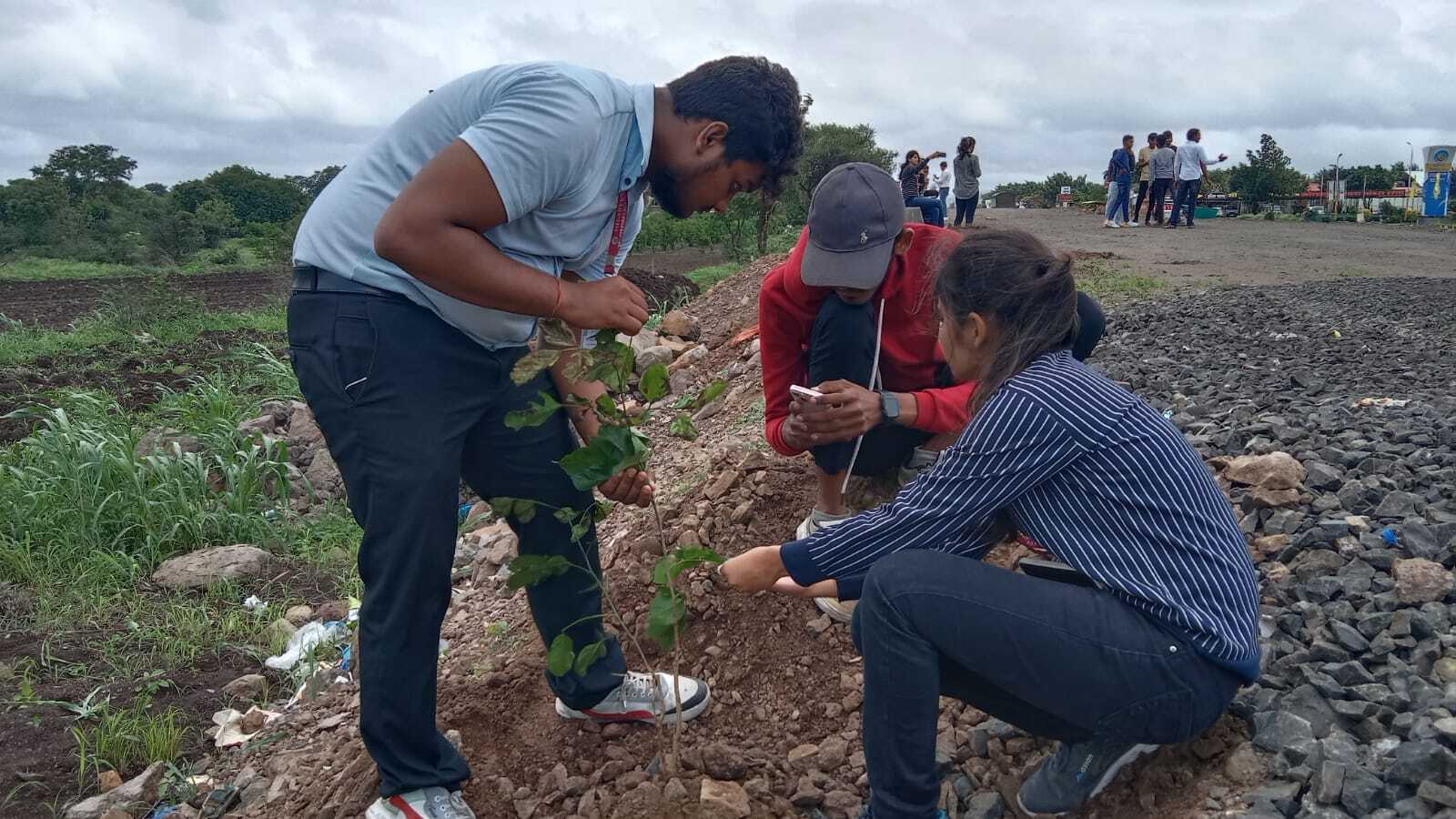
Citizens using ConnecTree app to map sapling growth. Picture Credit: PKC
Priyadarshini Karve, Founder, Samuchit Envirotech, PKC’s partner in the conceptualisation and implementation of the Carbon Neutral Campus, elaborates more upon the need for such initiatives,
In order to prevent us from entering into a regime of runaway climate change, we must start moving individual sectors towards zero carbon operations. Educational institutions are the right place to start this process because students can act as agents of change and trigger the transformation when they move out into society.”
Akanksha Kashikar, faculty at the Statistics department at Savitribai Phule Pune University (SPPU), who has collaborated with PKC to collect the data for the TreeVerse initiative, stresses that through such initiatives, students not only get the experience to handle real-world data but are also more likely to be actively involved as the problem directly affects them and the city they live in. Vinita Date, Chairperson of Environment Conservation Association, further adds that initiatives such as ConnecTree are crucial in ensuring that plantation drives are successful in contributing towards restoring the green cover in the city.
Water security for Pune metropolitan region
Water conservation is a common strategy for managing the water crisis, but it is becoming harder to sustain due to global warming, erratic rainfall, and rising demand from population growth, urbanisation, and agriculture. Water is seen as a public commodity, and this perspective largely influences policies as well as on-ground provisions for water supply. Providing good quality water is an expensive process, requiring efficient sourcing, treatment, storage, and distribution—and despite constant efforts by governments and administrations, water supply and treatment projects often operate at a loss due to poor revenue generation, leading to substandard service delivery.
Stakeholder discussions for understanding water pricing models. Picture Credit: PKC
Recognising the need to understand the intrinsic economic value of water both to the suppliers (civic administration) and users, PKC has co-conceptualised “Project Jal Mulya” in collaboration with the Pune International Center (PIC), Center for Sustainable Development (CSD), and Centre for Development Studies and Activities (CDSA) at Gokhale Institute of Politics and Economics (GIPE), as and industry experts to develop a pricing model for water. The project aims to understand actual water usage at the household level through in-depth surveys and technological interventions and, through this, estimating the ‘cost’ of water. This can then pave the way for a sustainable supply of good quality water.
Dinanath Kholkar, who heads the research track—Science, Technology and National Innovation Ecosystem at PIC, emphasises that harnessing the power of smart technologies in data acquisition as well as informed decision-making is crucial for the success of the project. Thus, supporting technological interventions such as the installation of household metering systems and artificial intelligence-based technologies to track water usage at the micro level, the use of telescopic metering, the installation of sensors to understand leakages in water distribution systems, and the identification of different landscapes and water bodies using space technology, are some of the key elements of the project.
Gurudas Nulkar, Professor and Director, CSD, who leads this project, adds,
The main aspects of the project include gathering existing data in the right format from different sources, and understanding the different variables involved in water pricing, along with their interconnectivity. Further, we also plan to conduct a lot of secondary research and analysis of existing data in order to identify gaps.”
Over 68 interns have been onboarded to conduct this study, and more than 730 households have been surveyed so far. The analysis of these surveys is currently underway.
The project follows the STEP – Social Technology Economics and Policy methodology and each of these aspects will be examined separately, as well as in relation to each other in the context of the project. Considering the scale of the project and the involvement of the larger population in the Pune Metropolitan Region, it is essential to keep the citizens in the loop in order for a successful execution of the project. Thus, the press has been actively involved to amplify the project and to generate awareness amongst citizens. Apart from this, several social campaigns are being planned to promote circular usage of water.
By developing a process for evaluating the true cost of water, the project takes a step forward in ensuring water security for the region and also provides a replica template that can be extended from the Pune Metropolitan Region to other cities across the country.
Initiatives for sustainable transportation
The Pune Metropolitan Region has seen several policy and infrastructure changes over the last decade. Rapid economic growth, coupled with the infrastructure changes, has led to a rise in personal automobiles, leading to an increase in air pollution as well as traffic congestion and a decrease in road safety. In order to reduce vehicular pollution and traffic congestion, two alternatives can be implemented: The ‘Business as Usual’ (BAU) alternative aims to build better infrastructure for personal motor vehicles, while the ‘Sustainable’ alternative prioritises walking, as well as using public transportation and cycling as preferred modes of transportation.
Students engaged in IEC sessions for PMPML Nudges. Picture Credit: PKC
As described in the 2008 book “Nudge”, by Richard Thaler and Cass Sunstein, ‘Nudges’ are non-intrusive interventions that predictably alter people’s behaviour without forbidding any options or significantly changing their economic incentives. Accordingly, this project was designed to introduce interventions in a systematic and controlled manner, with the goal of encouraging the citizens of Pune to view public transport as an optimal and economically viable option compared to their personal vehicles.
In order to understand these interventions, the PKC team analysed PMPML operations data to identify low-ridership routes. In collaboration with Centre for Environmental Planning and Technology University and College of Engineering Pune Technological University, they conducted a three-pronged survey: a passenger survey on usage and service improvements, a boarding-alighting survey to assess route activity, and a bus-stop survey to evaluate infrastructure and accessibility.
The survey underscored the impact of service quality, bus stop infrastructure, information access, and frequency of ridership. Findings were shared with PMPML leadership, leading to the designing of a pilot intervention/nudge—an Information and Outreach Nudge —implemented to boost awareness, focusing on one of Pune’s prime mixed locality hosting educational, corporate, as well as residential hubs. As part of this effort, around 12 awareness campaigns were conducted, reaching over 9000 individuals. In addition, 20 institutions were onboarded for outreach, and over 800 citizens were surveyed about their travel preferences.
Speaking about the survey findings, Sanskriti Menon, Senior Programme Director, CEE, says,
The reluctance of the commuters stemmed more from a lack of information rather than the availability of personal automobiles. When adequate and relevant information was provided, over 50% of the interviewed participants displayed an interest in increasing their usage of the bus.”
Building on the success of the pilot intervention study with PMPML, the project is now progressing toward phase II, which will involve a partnership with the Pune Metro to employ a similar approach and increase ridership of key routes through planned nudge experiments.
To learn more or contribute to PKC’s sustainability initiatives, get in touch: contact@pkc.org.in.
]]>Public health in practice: PKC’s ecosystem model for disease surveillance and responseThe global pandemic served as an eye-opener for the need to learn about navigating public health crises. From this crisis emerged a lesson that cannot be ignored: building a robust ecosystem that enhances communication amongst all the relevant stakeholders, especially at the city level, is crucial to mitigating public health challenges. Among the many efforts that emerged to address this need, Pune Knowledge Cluster (PKC) has taken significant strides in developing pathways towards building a comprehensive public health management framework for Pune district. ]]>tag:indiabioscience.org,2025-09-08:/columns/indian-scenario/public-health-in-practice-pkcs-ecosystem-model-for-disease-surveillance-and-response2025-09-08T00:00:00+05:302025-09-08T22:10:13+05:30Madhura Pansehttps://indiabioscience.org/authors/5oVpdMWp3WL9EZ7The global pandemic served as an eye-opener for the need to learn about navigating public health crises. From this crisis emerged a lesson that cannot be ignored: building a robust ecosystem that enhances communication amongst all the relevant stakeholders, especially at the city level, is crucial to mitigating public health challenges. Among the many efforts that emerged to address this need, Pune Knowledge Cluster (PKC) has taken significant strides in developing pathways towards building a comprehensive public health management framework for Pune district.
Established by the Office of the Principal Scientific Adviser (O/o PSA) to the Government of India, PKC is one of the eight knowledge clusters in the country, which aims to bring together a diverse range of stakeholders, including scientists, government officials, and citizen representatives, to solve regional challenges and problems using an ecosystem approach. At the heart of PKC's vision is the belief that the ecosystem developed for public health management must be rooted in adaptability and agility. PKC’s initiatives are therefore centered towards transforming the way in which stakeholders collaborate and partner to solve critical challenges in public health through three fundamental pillars: enhancing disease surveillance, empowering healthcare workers, and developing robust databases to facilitate effective disease monitoring and response.
Enhancing disease surveillance systems
Disease surveillance systems play a significant role in the fight against both endemic and emerging diseases. The absence of an efficient surveillance framework can quickly lead to the escalation of health crises and mismanagement, causing a significant burden on the healthcare system. To address this, PKC has co-conceptualised the Pune Wastewater Surveillance Project, by bringing together a group of collaborators – including local civic bodies, research organisations such as CSIR-National Chemical Laboratory (CSIR-NCL) and Symbiosis School of Biological Sciences, private organisations such as GenePath Diagnostics, and hospitals such as BJ Medical College and KEM.
Mahesh Dharne, Scientist, CSIR-NCL elaborates upon the importance of using wastewater surveillance as a complementary method to the traditional clinical surveillance in order to enhance the surveillance systems,
While clinical surveillance mainly relies on symptoms displayed by the patient, in diseases such as COVID-19, many patients were asymptomatic and such patients could as super-spreaders, with no way to track them. By using wastewater surveillance, one is able to detect the virus regardless of any symptoms displayed by the patient.”
Today, the consortium built and managed by PKC has been involved in sampling and analysing untreated wastewater at sewage treatment plants (STPs) and open drains across Pune, targeting not just SARS-CoV-2, but also other infectious diseases such as H3N2, H1N1 and Influenza-A. In addition, the surveillance is also extended to understand the nature of antimicrobial resistance (AMR) within the community.
PKC has been working to enhance disease surveillance, not only in human populations but also in the environment through projects that are aimed towards understanding the spread of zoonotic diseases. Furthermore, PKC is also part of the Alliance for Pathogen Surveillance Innovations (APSI), through which it focuses on supporting the development of kits for detecting infectious diseases through wastewater. This effort reflects the cluster's commitment to building localised, effective, and scalable disease surveillance tools.
Enhancing disease surveillance systems | Picture Credit: PKC
Building capacity amongst health workers
While disease surveillance systems are essential for early detection and planning, an equally important component of effective healthcare management is the empowerment of healthcare workers, particularly the on-ground multi-purpose workers (MPWs) who are involved in disease surveillance, prevention and control. Officials from the Maharashtra State Health Department have been proactive in combating vector-borne diseases and have identified a critical gap in the capacity building of MPWs, who require periodic refresher training to safeguard their health and improve their efficiency in the field.
Building capacity among healthcare workers | Picture Credit: PKC
To address this, PKC, together with the National Center for Vector Borne Disease Control (NCVBDC), and District Malaria Offices within Pune and other districts, have launched SAKSHAM, a series of workshops for healthcare workers from different talukas across Maharashtra. PKC has collaborated with organisations such as ICMR-National Institute of Virology, Prayas Health Group and India Meteorological Department to provide detailed information to the healthcare workers about the different types of vector-borne diseases, methods for identification, the impact of climate change on vector life cycle and best practices for prevention and treatment of the diseases.
So far, over 1,300 multipurpose healthcare workers have been trained under this programme, across 40 talukas in the Pune, Kolhapur, and Raigad districts.
The success of the programme lies in its community-centric approach, which helps bridge the knowledge gaps in areas with limited health awareness, ensuring that the information reaches those who need it the most.
The power of data in healthcare management
In today’s world, data is the cornerstone of everything. One of PKC’s most innovative contributions towards building pathways for public health management is its approach to data collection, analysis, and application.
The organisation has developed one-of-a-kind dashboards for disease surveillance and AMR surveillance, which focus on displaying the viral load of infectious diseases or the AMR trends through wastewater sampling.
PKC's dashboards enable near real-time tracking of disease and AMR trends from wastewater samples. The dashboards are updated regularly, allowing municipal corporations and public health authorities to take timely actions. The user-friendly interface of the dashboard ensures that anyone, from government officials to citizens, can access and interpret the data. PKC’s COVID-19 dashboard has also been recognised as one of the key resources for disease monitoring using wastewater surveillance by the World Health Organization (WHO). It is the only WHO recognised dashboard of its kind from India.
In addition to the dashboards for wastewater surveillance, PKC has also enabled the development of an open-source database of in-patient data of 2000 COVID-19 patients, which will lead to better disease understanding and enable disease management and treatment, by collaborating with hospitals such as BJ Medical College, Noble Hospitals and Symbiosis University Hospital and Research Centre; research organisations – CSIR-NCL, and the companies – AIQoD (Formerly- GI Bots) and EPIC-Health Information Management. Rajesh Karyakarte, Professor and Head at the Department of Microbiology, B.J. Medical College emphasises that this database represents India’s vital contribution to medical research on infectious diseases.
These data platforms built by PKC can generate a plethora of insights, helping policy decisions and local responses to diseases and AMR.
A vision for the future
These initiatives highlight the importance of an ecosystem approach to building sustainable initiatives, where science and technology are used to solve problems of the community. With its commitment to continuous learning, data-driven decision-making, and community engagement, PKC is focused on building models for collaborative public health management.
]]>The case for a resounding framework for AI-biotech convergenceThe intersection of artificial intelligence (AI) with biotechnology has ushered in a period of innovation in healthcare. The interdisciplinary nature of AI enables it to analyse and interpret large data sets from multiple domains. In the case of the life sciences, AI-biotech convergence holds the potential to alter the landscape of diagnostics, monitoring of disease progression, precision medicine, and prediction of public health threats. ]]>tag:indiabioscience.org,2025-05-16:/columns/indian-scenario/the-case-for-a-resounding-framework-for-ai-biotech-convergence2025-05-16T13:00:00+05:302025-07-04T11:59:24+05:30Lakshmy Ramakrishnanhttps://indiabioscience.org/authors/BmXqMjerBv1yOpJThe intersection of artificial intelligence (AI) with biotechnology has ushered in a period of innovation in healthcare. The interdisciplinary nature of AI enables it to analyse and interpret large data sets from multiple domains. In the case of the life sciences, AI-biotech convergence holds the potential to alter the landscape of diagnostics, monitoring of disease progression, precision medicine, and prediction of public health threats.
While the convergence of AI with biotechnology holds immense potential for innovative developments in science and medicine it also carries the scope for misuse. Governance of AI in popular discourse includes the risk of AI-biotechnology (AI-bio) tools being utilised for malicious purposes or the production of bioweapons. Detailed understandings need to be acquired to determine the feasibility of the development of bioweapons with AI-bio tools and to formulate safeguards against such threats.
The case for governance
As AI progresses into multiple domains its governance to ensure its responsible and ethical use has come under scrutiny. The UN’s Governing AI for Humanity report underscores the need to govern AI as ‘no one currently understands all of AI’s inner workings enough to fully control its outputs or predict its evolution.’ The US and UK have made steps in this regard, but in the Indian scenario there exists a need to develop a framework to address these concerns.
Popular news articles have drawn considerable attention to how large language models (LLMs) like ChatGPT could increase the technical know-how available to malicious actors and provide them with information on how to create viruses with pandemic potential. Undue publicity over the potential of a new technology can overestimate the ease with which it can be developed. In the case of al-Qaeda’s bioweapons plan, they insisted that their attempts to produce a bioweapon stemmed from US reports that it was easy and cheap to carry out. Thus, overestimating the ease with which bioweapons can be manufactured may encourage the enemy to pursue production.
Here, OpenAI’s stress test in 2023 found that LLMs can provide information on how to order oligonucleotides, on experimental protocols, and can assist in troubleshooting experiments. Another study found that it can provide users with information on DNA technology companies that were unlikely to flag suspicious oligos, suggest mutations to enhance the pathogenicity of viruses, and suggest contract research organisations that could carry out these experiments. The information provided is publicly available but it is presented in a manner that is understandable to a non-expert. Upon closer inspection it is clear that LLMs democratise knowledge but only slightly lower the barriers to bioweapons development. Experts have long opined that bioweapons production requires not just information but also tacit knowledge – knowledge that is acquired through experimental training - in successfully carrying out a biological experiment. This is acquired primarily through advanced formal training.
Implications of the AI-Bio threat
AI is essentially a system that is based on the data it receives and its functioning depends on the users’ intent. There exists a tremendous gap in bridging the space between the digital design of a bioweapon to the physical manufacturing of one.
This relies heavily on the intent of the user and their level of scientific training. Existing AI-bio tools can ‘hallucinate’ or provide misleading information, which would not be distinguishable by a non-expert user. Further, biological experiments require expensive and specialised equipment and materials, which are a significant barrier to bioweapons production.
Possibilities exist, however, that in the future, other AI-bio tools like Biological Design Tools (BDTs), which currently aid in the design of biological molecules, can be advanced further in the future and aid in malevolent actors to develop bioweapons capable of evading immune responses or resist existing therapies. In addition, concerns exist that AI-bio tools may skew scientific knowledge triggering disinformation and misinformation particularly during public health emergencies, rendering bio-attribution (the assigning of responsibility to a biological threat) tricky.
Policy Recommendations
India is a signatory to the Bletchley Declaration, which advocates for the safe development and deployment of AI. The intersection of AI with biotechnology deserves considerable attention as well but is situated in a policy vacuum in India. A policy of dissuasion would discourage malicious actors from developing bioweapons using AI-bio tools.
India needs to formulate threat assessments using red-teaming exercises to develop an understanding of bioweapons capabilities of existing AI-bio tools in the Indian context. This entails determining the capabilities of current AI-bio tools and an understanding of India’s security architecture. These exercises can also ascertain the risks posed by future AI-bio tools. This can include intersections with other disruptive technologies including unmanned aerial vehicles (drones) and 3D printing, which are implicated in enhancing the delivery of bioweapons.
India can introduce guidelines where DNA companies mandate a know-your-customer based approach in the acquisition of biological materials. For instance, the International Gene Synthesis Consortium (IGSC), International Biosafety and Biosecurity Initiative for Science (IBBIS), and SecureDNA are examples of organisations that screen oligonucleotides. Educating and incentivising research and academia over potential areas of misuse is another long-term technical barrier. Another guardrail would be to engage with AI-bio tool developers to regulate the nature of biological data that is available.
Finally, AI Safety Institutes would foster an environment to ensure AI and its intersecting technologies are ethically driven. India’s IndiaAI Mission policy – which aims to promote ethical AI technologies – can take part in this endeavour.
Discourse on the development of bioweapons with aid from AI-bio tools is popularised by media reports. There exists a need to develop an assessment of its potentiality in the Indian context as it falls into a policy vacuum. Effective guardrails would act as a deterrent for bioweapons development.
]]>Sustainable mobility: A public health imperative for urban India’s futureTraffic congestion in Bengaluru is every man’s woe. To address this issue, the Bengaluru Science and Technology Cluster (BeST) promotes solutions centred around sustainable commuting alternatives. This approach not only tackles the traffic problem but also emphasises improving public health, offering a holistic strategy to make the city more liveable. ]]>tag:indiabioscience.org,2024-12-16:/columns/indian-scenario/sustainable-mobility-a-public-health-imperative-for-urban-indias-future2024-12-16T13:00:00+05:302024-12-04T11:18:29+05:30Aishwarya Seguhttps://indiabioscience.org/authors/rbydKYwo8pMAJjGTraffic congestion in Bengaluru is every man’s woe. To address this issue, the Bengaluru Science and Technology Cluster (BeST) promotes solutions centred around sustainable commuting alternatives. This approach not only tackles the traffic problem but also emphasises improving public health, offering a holistic strategy to make the city more liveable.
Over the past few weeks, headlines have painted a grim picture of India’s public health future. Delhi, in particular, has recorded unprecedented levels of air pollution, with the city experiencing its worst air quality in a decade. Similar concerns are echoed across other major cities, including Bengaluru. Meanwhile, Bengaluru faces another pressing crisis—road accidents. On average, the city loses two lives daily to fatal road accidents.
The surge in traffic is not only a significant contributor to air and noise pollution but also adversely affects public health and quality of life. The growing number of private vehicles is overwhelming the city’s infrastructure, exacerbating environmental and social challenges. In response to these issues, urban planning has increasingly emphasised sustainable mobility as a potential solution.
Sustainable mobility offers a solution to enhance public health, reduce environmental pollution, and promote social equity.
Understanding the importance of sustainable mobility
To aid the inclusion of sustainable mobility options in consideration with improving public health, Bengaluru Science and Technology Cluster (BeST), under the initiative of the Office to Principal Scientific Advisor (OPSA) to the Government of India (GOI), created a consortium and organised an expert panel led by Prabhdeep Kaur, Professor, Isaac Centre for Public Health, Indian Institute of Science (IISc), and Ashish Verma, Professor, IISc Bengaluru, to formulate data-driven approaches to design more sustainable and health conscious transport options in the city.
In cities like Delhi and Bengaluru, the declining quality of life is becoming increasingly evident, notes Ashish Verma, Professor, IISc, Bengaluru. The unchecked horizontal expansion of these cities has led to a surge in private motorised vehicles. Vehicular emissions are a major contributor to air pollution, posing serious risks to public health. Another often-overlooked aspect of this crisis is the significant economic cost of traffic congestion.
Traffic congestion not only hampers mobility but also contributes to mental stress among commuters. Public transport systems, which should ideally serve as an affordable and efficient alternative, are often overcrowded and unreliable, leaving many without dependable transportation options. Bengaluru, grappling with rapid population growth, has seen its public transport infrastructure lag far behind its needs. Verma highlights that the current situation in Bengaluru is unsustainable and demands urgent attention.
Triumphs from the church street
There is growing recognition of the need for sustainable mobility solutions in Bengaluru. A notable example is a 2021 pilot study on Church Street, one of the city’s busiest thoroughfares. For four months, the street was transformed into a pedestrian-only zone on weekends. This initiative led to a remarkable 97% increase in pedestrian footfall and significant improvements in air quality. Verma, a co-author of the study, emphasised the critical role of prioritising green spaces and sustainable transport options to address Bengaluru’s escalating traffic challenges.
While the Church Street initiative set a precedent, the city has yet to see sustainable mobility solutions implemented on a larger scale. As Verma observes, the current government approach remains heavily focused on road infrastructure and highway development. Although road expansion might provide temporary relief from congestion, it ultimately fosters greater dependence on private vehicles. What Bengaluru truly needs is a paradigm shift in its approach to mobility.
The goal should be to create a more balanced transportation system that ultimately prioritises public transport, active usage of cycles and other non-motorised vehicles.
A glimpse into international cities like those in the Netherlands and Switzerland offers valuable lessons for Bengaluru. The panel emphasised the need for a comprehensive approach to sustainable mobility, suggesting the adoption of reforms inspired by these global examples.
Improvement in quality and quantity of public transport systems
Bengaluru’s public transport system remains insufficient to meet the demands of its growing population. The city faces a shortage of buses, and while the metro network is expanding, it still fails to serve many crucial areas. To address these challenges, the government must prioritize the expansion and improvement of public transportation. This includes increasing bus frequency, extending metro routes, and introducing local train services where feasible. Implementing dedicated bus lanes could also streamline mobility and ease congestion.
Furthermore, Bengaluru has already recognised the potential of electric vehicles (EVs) in reducing emissions and improving air quality. Encouraging the widespread adoption of EVs, alongside strengthening public transport, could significantly enhance the city’s sustainable mobility efforts.
Bengaluru’s current infrastructure does not support long-distance cycling. However, with proper planning, a resurgence in cycling as a viable mode of transport is possible.
Dedicated cycling lanes and pedestrian-friendly streets can encourage more people to choose cycling and walking. Integrating green spaces into city planning not only enhances the city’s aesthetic appeal but also improves its livability. As part of the Smart City initiative, the Ministry of Housing and Urban Affairs has successfully begun transforming two major streets in Bengaluru— Planetarium Road and Race Course Road—by adding lanes focused on pedestrians and cyclists.
Data-driven analysis and public awareness
The age of technology is booming in the country, and the government must integrate data and technology into its decision-making processes. Verma and Kaur suggest implementing tools such as the Transportation and Health Tool (THT) and Integrated Sustainable Transport and Health Assessment Tool (iSThAT), which are already used in some developed countries, into our system.
A shift toward sustainable mobility will require behavioural changes from the public. Urban local bodies must actively engage citizens through public awareness campaigns that emphasise the health benefits of walking, cycling, and using public transport. Building a culture of sustainability in transportation requires collaboration between the government, civil society, and the private sector.
Verma emphasises that sustainable mobility is no longer a luxury or a peripheral concern; it is essential for improving public health and ensuring the livability of cities. With over 60% of the Indian population living in cities, it is crucial to prioritise urban improvements. Ultimately, integrating sustainable mobility into urban planning offers a win-win solution, enhancing both the quality of life and public health for urban residents, and paving the way for a more livable and sustainable future for all.
]]>How the Lodha Genius Programme is cultivating future ecologistsThe Lodha Genius Programme (LGP) at Ashoka University, Haryana, offers high school students a unique opportunity to engage in real-world science and mathematics. Through hands-on experiences in fields like ecological sciences, students are encouraged to ask big questions, participate in fieldwork, and explore their scientific interests. ]]>tag:indiabioscience.org,2024-10-28:/columns/indian-scenario/how-the-lodha-genius-programme-is-cultivating-future-ecologists2024-10-28T13:00:00+05:302024-10-25T11:37:57+05:30Debraj Mannahttps://indiabioscience.org/authors/8XNQKeEewYKoy6lThe Lodha Genius Programme (LGP) at Ashoka University, Haryana, offers high school students a unique opportunity to engage in real-world science and mathematics. Through hands-on experiences in fields like ecological sciences, students are encouraged to ask big questions, participate in fieldwork, and explore their scientific interests.
The Lodha Genius Programme (LGP) at Ashoka University, Haryana, provides students in their high school years with a taste of real-world science and mathematics through their unique blend of activities. Once inducted into the LGP, the students stay at the Ashoka University campus for four weeks, participating in an intensive programme to learn new skills and gain insights for their careers. This experience is followed by a year-round Continued Learning journey, providing ongoing mentorship, courses, and opportunities to further enhance their growth. They can pursue one of the available specialisations, including one on ecological sciences.
Ajith Kumar, a faculty member at the LGP, brought together the four instructors of the ecology module: Rohit Chakravarty, Ishika Ramakrishna, Priyanjana Pramanik, and Samuel Joshua John. Chakravarty, Ramakrishna, and Pramanik taught the classes and field sessions in 2023. In 2024, John joined Ramakrishna and Pramanik, and the trio instructed the students in this specialisation. Chakravarty’s research interests focus on bat conservation. Ramakrishna is a PhD student at the Centre for Wildlife Studies, Bengaluru. She works on human-nonhuman primate interactions. She also runs a podcast called The Thing About Wildlife.
Pramanik is a PhD student at the University of Tasmania, Australia. Her work focuses on mangrove conservation. John is a nature educator who conducts urban ecology walks for adults and brings nature-based learning to schools. He is interested in studying spiders. With their varied backgrounds and expertise, the instructors brought in multiple areas where students could pursue their projects, although they were free to choose something outside these areas, too.
Hands-on learning in the LGP’s ecology specialisation
The module in ecological sciences stands out due to its focus on experiential learning. While the programme starts with classroom lessons, these are intended to prepare students for advanced project work. The instructors encourage students to think of questions they would like to be answered if limits on resources and time were not a concern. Nudging these young minds to inquire about the “big questions” in nature is the main aim of the module. As novices to the field of research, school students usually have broad questions. “So, that's where we came in,” says Ramakrishna. She adds,
Once they gave us their dream questions, we helped them chisel down the questions and figure out which ones were feasible or doable. We helped them understand why some were feasible while others weren't.
After the students are set on their favourite questions, the instructors help with the study design and data collection strategies. “We provide all kinds of support and guidance to ensure that they see those projects through to the end,” adds Ramakrishna.
In the quest to let the students explore the world around them in its completeness, John says they were trying to convey that ecology can be as comprehensive as one wants. He explains, “It can encompass any of the sciences if you want to use that “language” to describe what you're seeing around you. And it got interesting because we introduced the fundamental concepts and then learned them together in the classroom. As we put those concepts down, we also spent a fair amount of time outdoors — visiting a local water body and walking around the campus looking for all sorts of things.”
In addition to these field studies, the instructors also use games to teach students about ecological principles. For example, students role-play as animals with specific genetic traits to learn how these traits help them thrive in their environments and learn about natural and sexual selection. An ecology-themed scavenger hunt further deepened their understanding of the concepts.
School students’ first stride into the world of ecology
Projects undertaken by students in the LGP have explored a variety of ecological phenomena. They have studied numerous species, including oak and pine trees, flies, butterflies, birds, spiders, rhesus macaques, and even humans.
A common theme among the projects has been the nesting behaviour of animals, with students studying bird nests, ant colonies, and how human activity affects spider nesting patterns on the Ashoka University campus.
John highlights an exciting finding: “They noticed that spider nests started to appear above a certain height on campus, which corresponded with where pesticides were sprayed.” Students also investigated gender biases through spiders, showing colourful and dull-looking spiders to people and asking them to identify the male and female, thereby exploring the societal perceptions linked to appearance.
The lowest spider nests inside (at a height of 3.97 m) and outside (at a height of 0.5 m) the Ashoka University campus, as observed by the participants in the LGP ecology module. Photo Credit: The LGP participants.
In another vital project, the students focused on rhesus macaques. Kumar says, “The students looked at the interaction between people and monkeys. People generally say they don’t like monkeys, but that's not really true! The students found that it depends on what the monkeys do. People have no issue if they are playing or resting, but problems arose when the monkeys ventured into kitchens.” The students gained insights into this complex human-monkey relationship by interviewing people around the campus.
Besides studies conducted in and around the Ashoka University campus, the students conducted field studies in a natural setting. Some of the students from the first cohort of the LGP returned the following year to go on this one-week field trip to Binsar Wildlife Sanctuary at Uttarakhand, along with Pramanik and Ramakrishna. Among multiple studies conducted at Binsar, Ramakrishna describes a fascinating project: “We had set camera traps at an area where people would dump a lot of garbage.
As a result, a lot of wildlife from the area was visiting that place in search of food. Through this project, one of the students wanted to understand the temporal niche segregation at that particular site across many different species. And we got some very fascinating results looking at interactions between wild boars and the red foxes.”
An opportunity for career exploration
The LGP provides significant value to students from diverse backgrounds. Many students, especially those from non-urban schools with fewer resources, are unaware of the career possibilities in science and mathematics. John says, “I think it's important to have these experiences at that age because you see what it's like to be doing these things. If their projects were expanded, they would be full-fledged ecological studies. So, that's firsthand experience.”
The growing interest in the ecology specialisation across two cohorts of the LGP is an indicator of the module’s success. Kumar notes that the ecology course had many students who returned to continue the following year. Pramanik says, “Our students had indirectly given us good feedback by making other people interested in joining the module.”
She adds, “Before the second batch started, we heard from the organisers that there was a lot of interest in people wanting to join the course. So that's been really encouraging.” This growing demand is a promising sign for the future of the LGP and its ecological sciences module.
]]>Water has its course: A unified scientific and social approach to tackle the water crisis in BengaluruThe Net Zero Water vision for Bengaluru, led by the Bengaluru Science and Technology Cluster (BeST), aims to address the city’s water crisis by developing scientifically sound, economically feasible, and practical solutions for water conservation. ]]>tag:indiabioscience.org,2024-10-25:/columns/indian-scenario/water-has-its-course-a-unified-scientific-and-social-approach-to-tackle-the-water-crisis-in-bengaluru2024-10-25T13:00:00+05:302024-10-23T15:06:44+05:30Aishwarya Seguhttps://indiabioscience.org/authors/rbydKYwo8pMAJjGThe Net Zero Water vision for Bengaluru, led by the Bengaluru Science and Technology Cluster (BeST), aims to address the city’s water crisis by developing scientifically sound, economically feasible, and practical solutions for water conservation.
The summer of 2024 brought severe water shortages to Bengaluru, one of the worst in recent memory. Headlines across the country highlighted the city’s struggles with insufficient water supply, dried-up borewells, and skyrocketing water tanker prices. Given the urgency of this crisis, it’s high time to explore research-backed solutions. Bengaluru, situated on a hill, lacks its own independent water source. The older parts of the city rely heavily on water pumped from the Cauvery River basin, while the newer areas depend on independent bore wells.
Over the last two decades, as Bengaluru's reputation as the Silicon Valley of India grew, its population doubled, the urban sprawl expanded, and its green cover diminished significantly. As a result, the demand for fresh water has far outpaced supply.
Water scarcity is not only a pressing health concern but also a critical factor influencing the economic development of the city.
Lakes are drying up, and in some areas, groundwater levels have plummeted to unprecedented depths. “The deficit in the water supply system, coupled with rising water demand, has created a significant gap leading to water shortage,” says Ram Prasath Manohar, IAS, Chairman of the Bengaluru Water Supply and Sewerage Board (BWSSB). To address this crisis, proper planning, education, and resource management are imperative. Bengaluru Science and Technology Cluster (BeST), under the initiative of the Office to Principle Scientific Advisor (OPSA) to the Government of India (GOI), has recently undertaken an analysis of Bengaluru's water crisis.
Addressing Bengaluru’s water woes
To address the pressing water crisis, BeST convened a panel of experts, drawing from government agencies, scientists and researchers studying town planning and water treatment technologies, start-ups, non-profit organisations, and citizen representatives from Bengaluru. The diverse group addressed challenges and proposed an actionable plan to mitigate the situation. The panel identified four major problems contributing to the water crisis:
Rapid population growth leading to increased freshwater demand
Urban Planning and land use leading to suboptimal usage of water resources
Climate change and erratic rainfall patterns
Overexploitation of water resources and insufficient recycling efforts
In response, the panel proposed a strategy aimed at reducing Bengaluru's dependence on water from the Cauvery River by enhancing local water recharging and reuse systems to achieve "net-zero water" for the city. Rather than relying solely on the Cauvery as the primary water source, the experts recommended an integrated urban water management plan. This approach emphasises recharging groundwater, expanding rainwater harvesting capacities, rejuvenating lakes, and significantly increasing water recycling. Vishawanath S, Director of Biome Environmental Solutions, says,
Implementing these measures could greatly alleviate Bengaluru’s water woes.
Recharging groundwater
The fast developing metropolis is undergoing innumerable constructions every day. Fields and open lands are being cleared to make way for housing layouts, which in turn are depleting the city’s natural water catchment areas. Prashanth Palanisamy, from GoodEarth, a sustainable building solutions start-up, suggests that conducting basic hydrogeological studies to assess groundwater levels before construction could help identify water catchment areas (aquifers). Planning constructions around these areas would allow for faster groundwater recharge.
Another method to recharge groundwater is by constructing community borewells near aquifers, rather than having individual borewells for separate houses. Bengaluru receives abundant rainfall, with an average of 800-1000mm per year. With a better understanding of its water catchment areas, the city can better equip to handle harsh summers. Rejuvenating surface water bodies like lakes and ponds also plays a crucial role in groundwater recharge.
A success story is the rejuvenation of Sarakki Lake near J P Nagar, which led to a significant increase in groundwater levels within a year.
Over the last three years, the water table around the lake has significantly improved. T V Ramachandra, Professor at the Indian Institute of Science (IISc), claims that maintaining groundwater levels is key to solving Bengaluru’s water crisis.
Wastewater treatment and recycling
According to a recent news
article, Bengaluru is home to one of the highest number of sewage treatment plants (STPs) in the country, with nearly 2,644 in operation. However, despite this large number, the city struggles to recycle most of its water due to poor management and financial constraints. Sanjiv Sambandan, Professor at IISc and co-founder of Openwater, a start-up specialising in innovative waste treatment solutions, highlights that the economics of recycled water remain unclear. Sambandan observes, “The common man does not see the financial benefits of wastewater recycling”.
Vishwanath also points out that a lack of funding often leaves STPs non-functional. Bengaluru’s decentralised STP system has the potential to set a strong example for other cities, but only if it can effectively operate and utilise recycled water. Vishwanath suggests that “a modest increase in water rates” could help cover the financial needs to keep STPs running. Engaging communities, developing frameworks and policies for wastewater treatment, and partnering with existing technologies like Openwater could also address this problem. Additionally, ensuring that apartment complexes have functional STPs is another critical recommendation raised by the committee. BeST has partnered with the Bangalore Apartment Federation to help their member apartments assess the situation, equip them with efficient technologies and train their STP operators.
Functional rainwater harvest treatment plants
Climate change has significantly impacted Bengaluru’s weather patterns. Vishwanath explains that the city now experiences a sinusoidal rainfall pattern, with alternating cycles of abundance and scarcity in rain. This inconsistency makes addressing the water crisis problem even more challenging. Moreover, water scarcity typically only becomes severe during the two summer months, causing many citizens to downplay the seriousness of the issue. As a result, only a small portion of the population truly understands the importance of rainwater harvesting.
While rainwater harvesting is mandatory for all buildings, its actual implementation is often left unchecked. Many houses lack proper filtration systems to utilise harvested water, and more than half of the population lets rainwater flow straight into the drains. In some cases, space limitations are a concern, while in others, issues of reliability, functionality, and cost deter people from implementing rainwater harvesting systems. As a result, much of the abundant rainfall goes to waste. Although there is no scientific solution to ensure effective rainwater harvesting, experts agree that raising awareness is the key to making progress.
Water management is a straightforward equation: we can either buy water or invest in recharging it.
The cost of purchasing water during peak demand is significantly higher than the investment required for recharge systems. In the long run, prioritising efforts towards water recharge and achieving “net-zero” water will provide a more sustainable and economical solution to the problem. Apart from this, raising citizen awareness and promoting the responsible use of water are crucial steps toward conserving our precious water resources.