<?xml version="1.0" encoding="UTF-8"?><feed xmlns="http://www.w3.org/2005/Atom" xml:lang="en"><title>IndiaBioscience - Conversations from 2026</title><link
    rel="alternate"
    href="https://indiabioscience.org/columns/conversations/2026"
    type="text/html"
    /><link
    rel="self"
    href="https://indiabioscience.org/columns/conversations/2026/feed"
    type="application/atom+xml"
    /><id>https://indiabioscience.org/columns/conversations/2026/feed</id><updated>2026-06-23T12:52:09+05:30</updated><entry><title>The shared world of Leishmania and us: A journey of adaptability and co-evolution</title><link
                  rel="alternate"
                  href="https://indiabioscience.org/columns/conversations/the-shared-world-of-leishmania-and-us-a-journey-of-adaptability-and-co-evolution"
                  type="text/html"
                  /><summary type="html"><![CDATA[
                <p>A childhood fascination with the image of a scientist led <a href="https://scholar.google.com/citations?user=8bV7mn8AAAAJ&amp;hl=en" target="_blank" rel="noreferrer noopener">Budhaditya Mukherjee</a>, an Assistant Professor at the Indian Institute of Technology Kharagpur (IIT Kharagpur) and an EMBO Global Investigator Network (EMBO GIN) awardee, to a career studying one of the world’s most adaptable parasites, <em>Leishmania</em>. In this profile, he reflects on research, resilience, mentorship, genome plasticity, and how understanding pathogen evolution may help address drug resistance and chronic infections.<br /></p>              ]]></summary><id>tag:indiabioscience.org,2026-06-19:/columns/conversations/the-shared-world-of-leishmania-and-us-a-journey-of-adaptability-and-co-evolution</id><published>2026-06-19T10:00:00+05:30</published><updated>2026-06-02T17:40:13+05:30</updated><author><name>Debolina Manna</name><uri>https://indiabioscience.org/authors/GjYBLml2j5My8VJ</uri></author><content type="html"><![CDATA[
                
<p>A childhood fascination with the image of a scientist led <a href="https://scholar.google.com/citations?user=8bV7mn8AAAAJ&amp;hl=en" target="_blank" rel="noreferrer noopener">Budhaditya Mukherjee</a>, an Assistant Professor at the Indian Institute of Technology Kharagpur (IIT Kharagpur) and an EMBO Global Investigator Network (EMBO GIN) awardee, to a career studying one of the world’s most adaptable parasites, <em>Leishmania</em>. In this profile, he reflects on research, resilience, mentorship, genome plasticity, and how understanding pathogen evolution may help address drug resistance and chronic infections.<br /></p><figure><a href="https://indiabioscience.org/columns/conversations/the-shared-world-of-leishmania-and-us-a-journey-of-adaptability-and-co-evolution"><img
                width="1920"
                height="1080"
                style="max-width: 100%; height: auto"
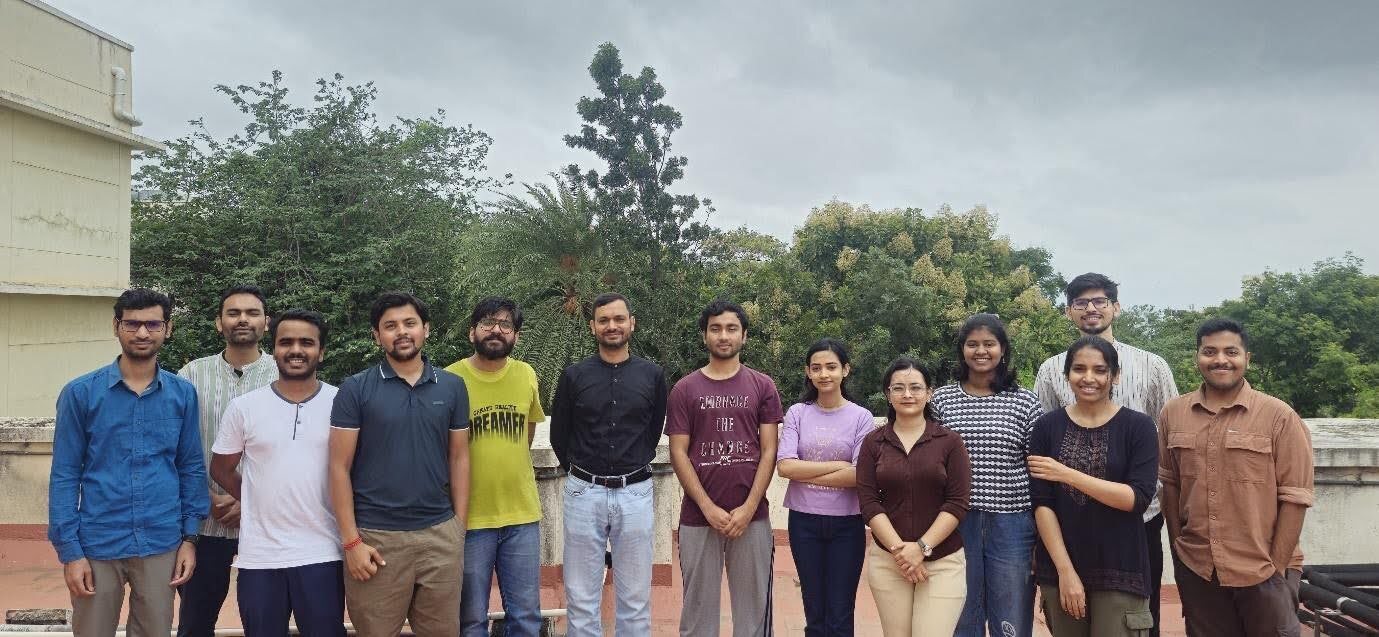
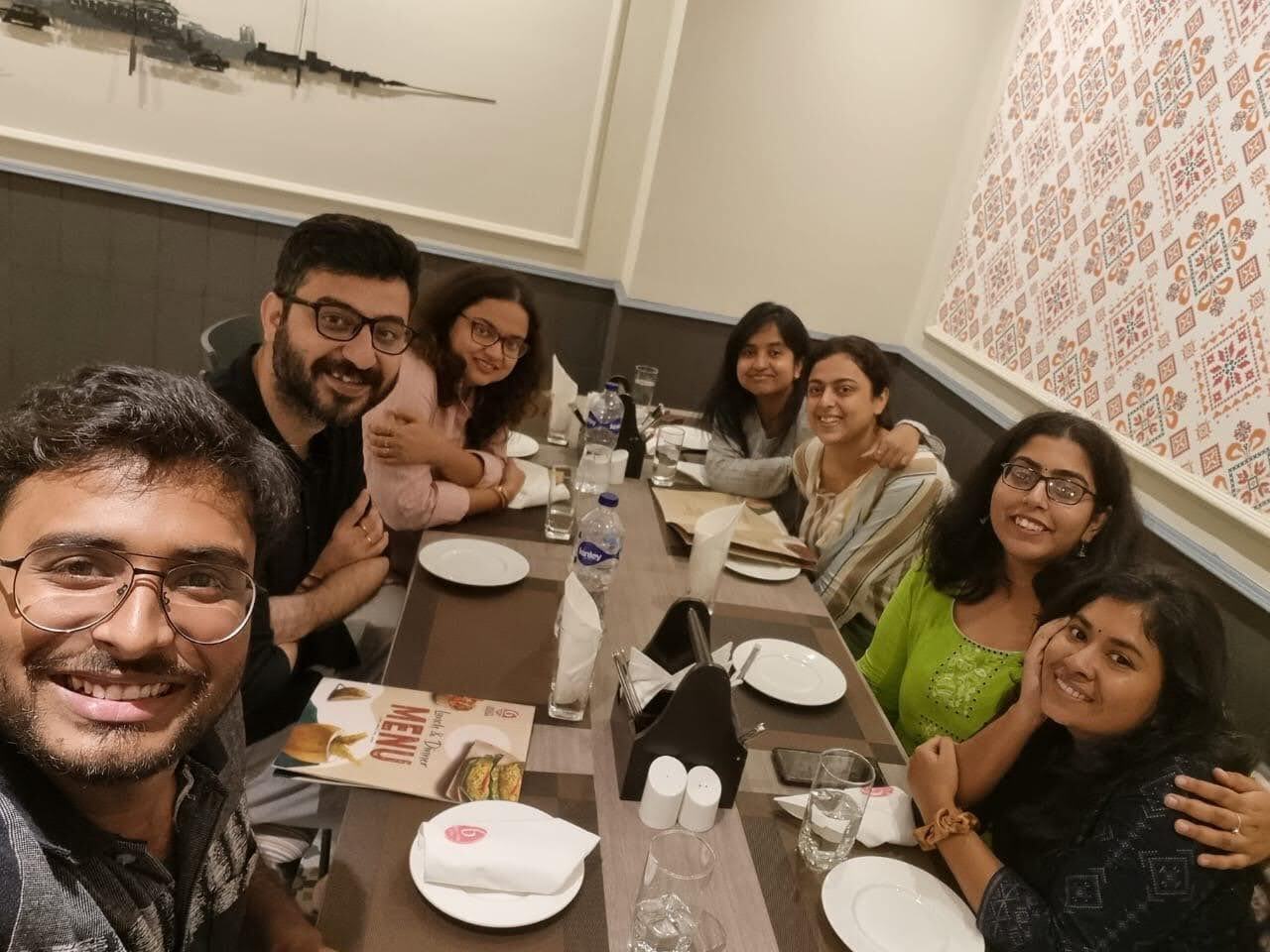
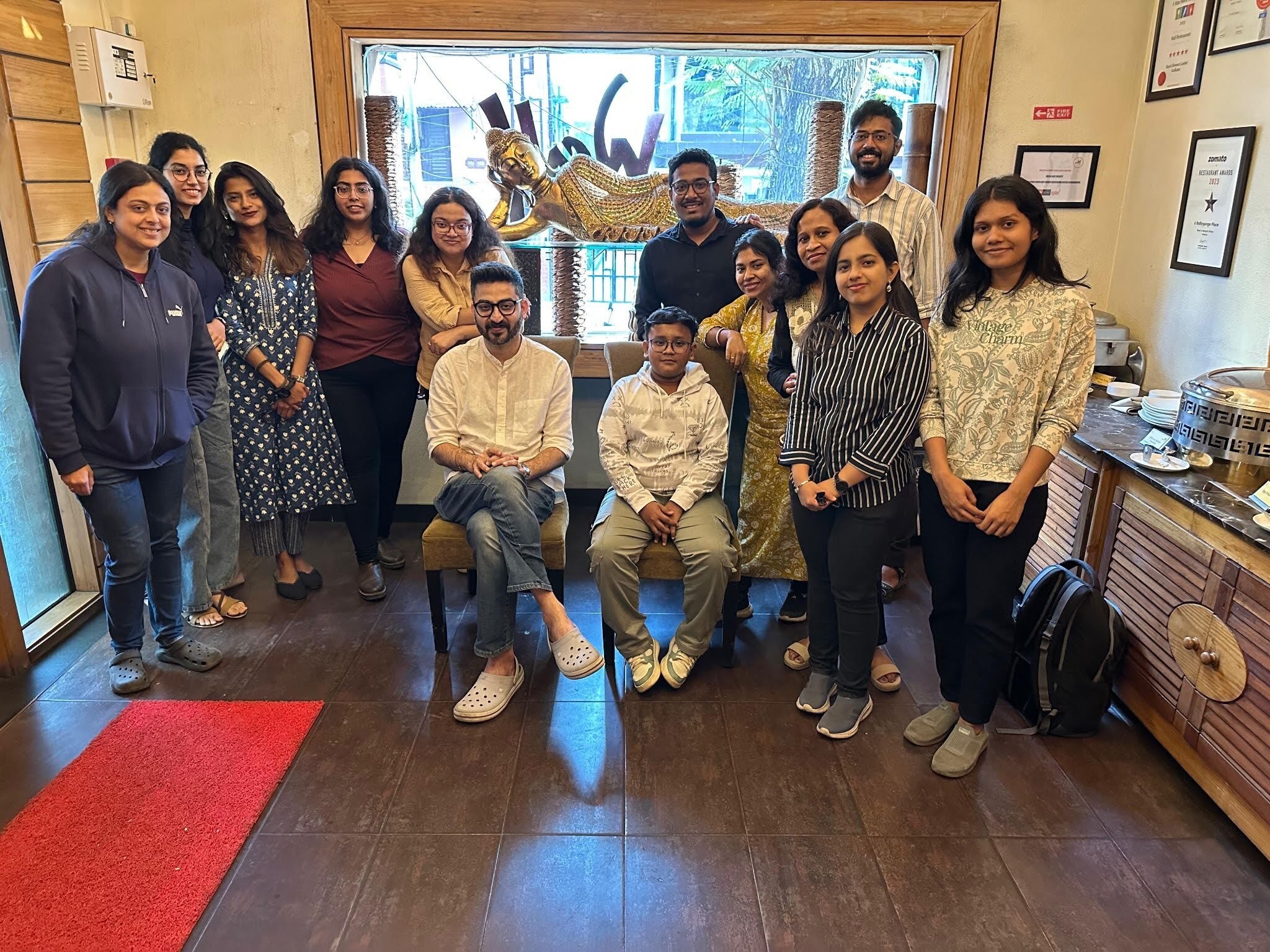
                src="https://cdn.indiabioscience.org/media/articles/architecure-Portfolio.png"></a></figure><p>Sometimes, minute incidents can profoundly shape a person's dreams; similar to a tiny, blood-seeking sandfly whose bite can define the path of a microscopic parasite like <em>Leishmania</em>, causing it to adapt and survive in the liver and spleen of a human.</p><p>For Budhaditya Mukherjee, it was when he attended a lecture by one of his school alumni delivering a research talk at his school. <em>"I was in my seventh grade, and I heard him speak about radiophysics. Although more than science, the imagery of a scientist — intelligent, confident, ambitious, smart and knowledgeable — captivated me, and I wondered what it is like to be one. This one moment shaped the entire trajectory of my career and helped build my dreams".</em></p><p>Now an Assistant Professor at the <a href="https://www.iitkgp.ac.in/" rel="noopener" target="_blank">Indian Institute of Technology Kharagpur</a> (IIT Kharagpur) and a member of the <a href="https://www.embo.org/funding/fellowships-grants-and-career-support/global-investigator-network/" rel="noopener" target="_blank">EMBO Global Investigator Network</a> (GIN), he reflects on his journey and finds it interesting how much we humans have in common with the life of a parasite. Much as we try to embrace the good, neglect the bad, and adapt to adversities, <em>Leishmania</em> modulates its chromosomal patterns and genetic makeup through a phenomenon known as genome plasticity to achieve drug resistance.</p><p>He found the concept so fascinating that it emerged as the core theme of his lab, and his team now focuses on understanding host-parasite co-evolution using <em>Leishmania</em> as the model pathogen. Drug resistance in leishmaniasis has remained a persistent challenge; so they ask a simple but critical question: instead of eliminating the parasite, how does drug pressure sometimes make it fitter and better adapted to survive? Despite the withdrawal of older drugs like antimonials, resistant parasites continue to infect humans and resist newer therapies too — does <em>Leishmania</em>'s genome plasticity make this possible?<br></p><figure style="margin-left: auto; margin-right: auto; text-align: center;"><img src="https://cdn.indiabioscience.org/media/articles/unnamed_2026-06-02-110129_lrom.jpg" data-image="841374"><figcaption style="text-align: center;">Budhaditya Mukherjee with his PhD students during the initial years of the lab. (Left to right: Supratim Pradhan, Budhaditya Mukherjee, Ankita Mandal Mukherjee, Souradeepa Ghosh, Shatarupa Bhattacharya, Shubhangi Chakraborty, Debolina Manna)</figcaption></figure><p dir="ltr">Growing up, he defied the usual "engineering vs medical" dilemma, and went on to pursue a BSc in Zoology and then MSc in Genetics. Amid a series of unplanned events, he eventually joined the lab of Syamal Roy at the <a href="https://iicb.res.in/" rel="noopener" target="_blank">CSIR-Indian Institute of Chemical Biology (CSIR-IICB), Kolkata</a> for his PhD. Budhaditya attributes this achievement to his parents, who never questioned his choices but rather supported whatever he wanted to study, and to his wife and best friend, Ankita, who, to him, is his "pillar of success".<br></p><p dir="ltr">However, the journey of a parasite that constantly struggles to survive the harsh conditions of the sandfly and the human immune system is as challenging as a human's. When asked about his PhD experience at the lab of <a href="https://iicb.res.in/faculty/dr-syamal-roy" target="_blank">Syamal Roy</a> at CSIR-IICB, he reminisced about how the dynamics of drug resistance in <em>Leishmania</em> always bothered him. </p><p>As his initial proteomics-based research to decipher drug resistance failed to gain prominence, his side project on the anti-inflammatory molecule interleukin-10 (IL-10) response in <em>Leishmania</em>-infected immune cells gained traction. Eventually, his PhD research revealed that drug-resistant <em>Leishmania</em> parasites utilise host IL-10 to promote drug resistance, rendering the drugs ineffective for killing. His eagerness to know more about infection biology led him to the lab of <a href="https://www.unige.ch/medecine/mimo/en/groupes/773soldati-favre/g/d" rel="noopener" target="_blank">Dominique Soldati-Favre</a> at the <a href="https://www.unige.ch/en/" rel="noopener" target="_blank">University of Geneva</a>, which significantly trained him in parasite cell biology and genome editing.<br></p><p dir="ltr"></p><p>Having transitioned from bench to office, Budhaditya recognised substantial differences between being a mentor and a mentee. In his PhD, he was strongly encouraged to think critically and defend his ideas, but in a gentle, supportive way. While during his postdoctoral work, he was pushed through direct, probing questions, often without much cushioning. Apart from his work, the major challenge in his postdoctoral journey was the initial cultural transition in a completely new continent — <em>"I doubted myself more than I expected. There wasn't a quick fix, just patience. Over time, adapting to a new environment, both scientifically and personally, became part of the learning process."</em> It was challenging, but it shaped his independence, precision, and resilience. That shift proved crucial in shaping his current research identity.</p><p>Was he adapting and becoming more resistant like <em>Leishmania </em>does in adverse situations? </p><p>Contrary to the idea that the journey of a parasite is smooth, most of them actually die, and few emerge victorious. To counter the odds, some resort to manoeuvring human cells in a way that does not pose a threat to kill them. As a young scientist, Budhaditya had some compelling theories about how parasite factors can drive evolutionary changes in parasites' adaptation. Despite his attempts, subtle suggestions to choose a more global and lethal pathogen like the malaria-causing <em>Plasmodium</em>, rather than <em>Leishmania</em>, frequently arose during his interviews or personal interactions. Eventually, his ideas found a home when he received the opportunity to build an independent research team at IIT Kharagpur.<br></p><p dir="ltr"></p><p>As Budhaditya was almost set to start with his first two PhD scholars on board, they were unexpectedly hit by the COVID-19 pandemic. His lab — fundamentally based on wet-lab experiments — faced multiple challenges with delays, uncertainty and lack of resources. But gradually, through persistence and perseverance, the work started taking shape.</p><blockquote dir="ltr" class="pull-quote"><em>Adapting to changes and evolving together as a group has been key. In many ways, this co-evolution mirrors the very systems we study in the lab. I believe this has taught me a lot, not only about science but things beyond that."</em></blockquote><p>It is through both adversities and support that he transitioned from being a mentee to a mentor. Earlier during his supervision, he stayed closely involved with his PhD scholars, sharing failures and appreciating successes. Over time, he realised that each student is different, with unique motivations and goals.</p><figure style="margin-left: auto; margin-right: auto; text-align: center;"><img src="https://cdn.indiabioscience.org/media/articles/unnamed-3_2026-06-02-110326_hazq.jpg" data-image="841375"><figcaption style="text-align: center;">The present members of Budhaditya Mukherjee’s lab. (Left to right: Shatarupa Bhattacharya, Sohini Mukherjee, Arkapriya Bhattacharya, Shubhangi Chakraborty, Ankita Mandal Mukherjee, Budhaditya Mukherjee, Riddhiman Dey, Nilanjan Pradhan, Debolina Manna, Chandana Dey, Deneshraj S, Sunandini Bhattacharya, Aparajita Pati)</figcaption></figure><p>The correlation between day-to-day experiences and scientific insights gave rise to another solid question in the lab — how adaptations influence where the parasite survives in the body. In conditions like post-kala-azar dermal leishmaniasis (PKDL), where parasites shift from internal visceral organs to the skin, creating long-term reservoirs for transmission, understanding what drives this change in their path or "tropism" is critical. The lab gradually aims to move beyond a drug-centric view of resistance and uncover the broader principles of pathogen adaptability and co-evolution under drug and host pressure, which can combat chronic and relapsing, resistant infections in pathogens with high genome plasticity.</p><p>Being a part of the EMBO Global Investigator Network, he admires its vision, which aims to address the fundamental questions of biology, regardless of the kind of model one uses. The ability to exchange unpublished ideas and get feedback from peers and mentors, often outside his immediate field, has the potential to bring fresh perspectives to the questions still unanswered by his lab.</p><p>For a complex problem like pathogen adaptation, this kind of cross-disciplinary thinking is invaluable. He also agrees that access to training and advanced facilities is equally important. Many of the questions raised in the lab require technologies and expertise that are not readily available in the institute setting. Through EMBO GIN, his students can gain hands-on experience in cutting-edge approaches rather than relying solely on outsourcing, which is critical for long-term capacity building.</p><p>To him, the best part of being one among all in EMBO GIN is the visibility and platform it offers, especially for the students, to connect with the global scientific community. <em>Leishmania</em> is a neglected pathogen, and there are not too many labs that are trying to understand the evolution of drug resistance in this highly adapting parasite. He sees EMBO GIN as an ecosystem that will not only strengthen his current work but also shape how he and his students grow as a lab in the years ahead.</p><p>With such a wonderful global initiative giving him confidence, he also feels the necessity for the Indian scientific ecosystem to flourish more. Compared with when he first started as a new PI in India in 2019, he feels the research ecosystem has improved considerably. Initiatives like the <a href="https://dst.gov.in/anusandhan-national-research-foundation-anrf" rel="noopener" target="_blank">Anusandhan National Research Foundation (ANRF)</a> early-career grants have certainly helped, both in terms of increased funding and, importantly, more timely disbursement.</p><p>Now, as he slowly moves towards a more experienced phase of his journey as a scientist, he believes we should actively work towards making science more accessible, understandable, and meaningful to different audiences, even though we haven't been traditionally trained to do so. In an era marked by advanced scientific technologies, misinformation seems to be rampant too, and it becomes the responsibility of the scientists to ensure clear and trustworthy communication with the broader public. He also thinks that effective communication is a two-way process, where it becomes equally important to engage with the general public to listen to their insights and incorporate them to develop scientific advancements for real-world application, and ensure that science remains accessible, trustworthy, and relevant to society.<br></p>
              ]]></content><category term="health-and-medicine" label="Health &amp; Medicine" /><category term="microbiology" label="Microbiology" /></entry><entry><title>Bodhisatta Nandy on the evolution and value of YIM</title><link
                  rel="alternate"
                  href="https://indiabioscience.org/columns/conversations/bodhisatta-nandy-on-the-evolution-and-value-of-yim"
                  type="text/html"
                  /><summary type="html"><![CDATA[
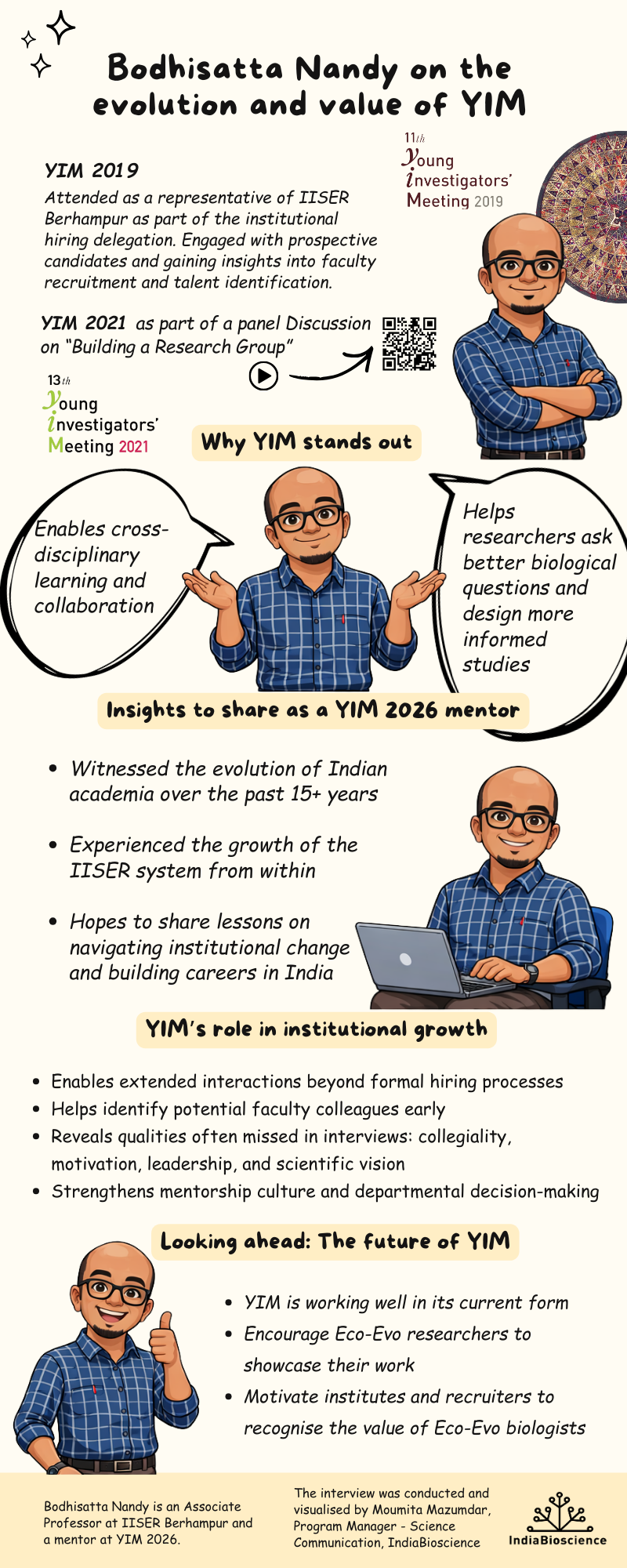
                <p dir="ltr"><strong><a href="https://www.iiserbpr.ac.in/people/profile/nandy" target="_blank" rel="noreferrer noopener">Bodhisatta Nandy</a></strong>, Associate Professor and evolutionary biologist at <a href="https://www.iiserbpr.ac.in" target="_blank" rel="noreferrer noopener">IISER Berhampur</a>, looks back on his association with the Young Investigators’ Meetings (YIMs) over the years, in this conversation with IndiaBioscience. His first interaction with YIM was in 2019, as a faculty representative from IISER Berhampur. The meeting helped him gain an insider’s view of the meeting as a platform for aspiring faculty and institutional networking. He later returned as a panellist at YIM 2021 and is a mentor at YIM 2026.</p>              ]]></summary><id>tag:indiabioscience.org,2026-01-16:/columns/conversations/bodhisatta-nandy-on-the-evolution-and-value-of-yim</id><published>2026-01-16T10:00:00+05:30</published><updated>2025-12-31T15:21:54+05:30</updated><author><name>Moumita Mazumdar</name><uri>https://indiabioscience.org/authors/moumita</uri></author><content type="html"><![CDATA[
                
<p><strong><a href="https://www.iiserbpr.ac.in/people/profile/nandy" target="_blank" rel="noreferrer noopener">Bodhisatta Nandy</a></strong>, Associate Professor and evolutionary biologist at <a href="https://www.iiserbpr.ac.in" target="_blank" rel="noreferrer noopener">IISER Berhampur</a>, looks back on his association with the Young Investigators’ Meetings (YIMs) over the years, in this conversation with IndiaBioscience. His first interaction with YIM was in 2019, as a faculty representative from IISER Berhampur. The meeting helped him gain an insider’s view of the meeting as a platform for aspiring faculty and institutional networking. He later returned as a panellist at YIM 2021 and is a mentor at YIM 2026.</p><figure><a href="https://indiabioscience.org/columns/conversations/bodhisatta-nandy-on-the-evolution-and-value-of-yim"><img
                width="1920"
                height="1080"
                style="max-width: 100%; height: auto"
                src="https://cdn.indiabioscience.org/media/articles/Bodhi-title-image.jpg"></a></figure><figure style="margin-left: auto; margin-right: auto; text-align: center;"><img src="https://cdn.indiabioscience.org/media/articles/Bodhi-Mentor-Feature.png" data-image="823136"></figure><p dir="ltr"><br></p><p dir="ltr">Having experienced YIM from various vantage points, Bodhi shares that the meeting serves as a rare space for extended scientific dialogue across disciplines and for thoughtful faculty engagement. He reflects on YIM’s role in bridging organismal and molecular biology, shaping hiring conversations, and fostering a research culture rooted in long-term thinking, mentorship, and academic community-building.</p><p dir="ltr"><strong>How has your participation at YIM over the years shaped your perspective on the value and evolution of the meeting?</strong></p><p dir="ltr"><em>I did not participate in YIM before joining as a faculty member. My first YIM experience was in 2019, when I represented IISER Berhampur at YIM Guwahati. It was a wonderful experience for me. </em></p><blockquote dir="ltr" class="pull-quote"><em>For aspiring young faculty members, it provided a valuable opportunity not only to showcase their work but also to interact with potential employers and understand the nuances of faculty recruitment in the country.</em></blockquote><p dir="ltr"><strong>YIM brings together scientists from diverse backgrounds and career stages. From your perspective as an evolutionist working in India and a faculty leader, what makes YIM a distinctive platform for creating meaningful scientific connections?</strong></p><p dir="ltr"><em>There is a serious dearth of interaction between organismal biologists, especially ecologists and evolutionary biologists, and sub-organismal biologists such as molecular biologists, cell biologists, and biochemists. </em></p><blockquote dir="ltr" class="pull-quote"><em>YIM has great potential to bring together these diverse yet complementary domains of the biological sciences. </em></blockquote><p dir="ltr"><em>While organismal biologists can benefit from incorporating molecular techniques into their studies, sub-organismal biologists can gain a more holistic biological perspective, develop new questions, and make more informed decisions about study design through such interactions.</em></p><p dir="ltr"><strong>As a mentor at YIM 2026, what insights from your academic journey do you hope to share with early-career researchers navigating their paths in academia?</strong></p><p dir="ltr"><em>I have witnessed the transformation of the Indian academic landscape over the past one and a half decades. I hope to share insights gained from observing the evolution of the IISER system over the years, particularly regarding institutional growth, expectations, and opportunities for early-career researchers.</em></p><p dir="ltr"><strong>You have played a central role in building the Department of Biological Sciences at IISER Berhampur and currently serve as Dean of Student Affairs. How do meetings like YIM contribute to institutional growth, mentorship culture, and the broader research ecosystem in India?</strong></p><blockquote dir="ltr" class="pull-quote"><em>YIM provides an opportunity to meet young, aspiring scientists who may become valuable assets to academic departments. The faculty hiring process often misses nuances of personality and temperament that are crucial for long-term success as a faculty member. Extended interactions at meetings such as YIM allow us to better assess potential colleagues before encouraging them to apply for faculty positions.</em></blockquote><p dir="ltr"><strong>Looking ahead, how do you envision this meeting evolving to adapt to the needs of India’s next generation of scientists?</strong></p><p dir="ltr"><em>I think YIM is functioning very well and does not necessarily need to evolve into something entirely different. However, I would like to see a stronger focus on ecology and evolutionary biology, both by encouraging researchers from these fields to showcase their science and by motivating recruiters and decision-makers to recognise that many institutions would greatly benefit from hiring more ecologists and evolutionary biologists.</em><br></p>
              ]]></content><category term="other" label="Other" /><category term="funding" label="Funding" /></entry><entry><title>Reflections from working in the biotech industry: Key lessons and advice that have stayed</title><link
                  rel="alternate"
                  href="https://indiabioscience.org/columns/conversations/reflections-from-working-in-the-biotech-industry-key-lessons-and-advice-that-has-stayed"
                  type="text/html"
                  /><summary type="html"><![CDATA[
                <p dir="ltr">Reflecting on her journey in biotechnology, Ruchika Srivastava<strong></strong>came to realise that the lessons she learnt extend far beyond the realm of science. They shape how we work, why we work, and how we connect with others, gradually becoming a way of life.</p>              ]]></summary><id>tag:indiabioscience.org,2026-01-05:/columns/conversations/reflections-from-working-in-the-biotech-industry-key-lessons-and-advice-that-has-stayed</id><published>2026-01-05T10:00:00+05:30</published><updated>2026-01-07T14:00:51+05:30</updated><author><name>Ruchika Srivastava</name><uri>https://indiabioscience.org/authors/RuchikaSrivastava</uri></author><content type="html"><![CDATA[
                
<p>Reflecting on her journey in biotechnology, Ruchika Srivastava came to realise that the lessons she learnt extend far beyond the realm of science. They shape how we work, why we work, and how we connect with others, gradually becoming a way of life.</p><figure><a href="https://indiabioscience.org/columns/conversations/reflections-from-working-in-the-biotech-industry-key-lessons-and-advice-that-has-stayed"><img
                width="1920"
                height="1080"
                style="max-width: 100%; height: auto"
                src="https://cdn.indiabioscience.org/media/articles/Ruchika-Srivastava_Empathy.jpg"></a></figure><p>Over the course of a career in biotechnology, learning extends far beyond experiments and publications. It emerges from working with people, navigating uncertainty, confronting failure, and witnessing the real-world impact of scientific work. The reflections below capture key lessons shaped by experience, about teamwork, empathy, resilience, planning, and purpose, that together define what it truly means to build a meaningful and lasting career in biotech.</p><p><strong>1. Take time to know the people you work with</strong></p><p>I learned early in my career that while an organisation’s brand can attract great talent, it doesn’t retain it — <em>people</em> do. The colleagues, mentors, and leaders you work with shape your experience more than any logo or title ever could. Invest time in getting to know the people around you. </p><blockquote class="pull-quote"><em>Be the kind of person others want to work with — and work for.</em> In the end, it’s the people around you who make the work worthwhile.</blockquote><p><strong>2. Team dynamics</strong></p><p>Biotech is never a solitary pursuit. Every breakthrough relies on scientists, clinicians, writers, and many others working together. I once heard team dynamics explained like a Venn diagram — some strengths overlap, but most do not. <em>The best teams recognise and leverage these unique strengths.</em> Bringing people together to work cohesively is what produces the drugs that change the world.</p><p><strong>3. Genuine interest in the field</strong></p><p>Perhaps the most important driver in research is passion. A genuine interest in biotechnology fuels curiosity, persistence, and the willingness to learn. </p><blockquote class="pull-quote"><em>Your career isn’t a sprint; it’s a marathon. Genuine interest helps you sustain the journey.</em></blockquote><p><strong>4. Seeing the bigger picture</strong></p><p>It’s easy to get caught up in the details of experiments. But stepping back to see the bigger picture and the global context of our work keeps us grounded in purpose.</p><p>My biggest learning hasn’t come from a textbook or a research paper, but from witnessing the impact our work has on real lives. That perspective sharpened during the COVID-19 pandemic, when scientists continued working in the lab while much of the world stayed home — layering on safety protocols, working in shifts, and still pushing forward at breakneck speed to deliver solutions the world desperately needed. <em>Their efforts were not only scientific achievements but also profound acts of empathy and commitment to humanity.</em></p><p><strong>5. Empathy</strong></p><p>Biotechnology is driven by experiments, data, and precision — but it is also deeply human. During company-wide meetings, we often watched videos of patients whose lives had been transformed by the treatments we helped develop. In those moments, patients shared their journeys — often emotional, always raw — and expressed gratitude to the scientists who gave them a second chance at life. <em>These stories were powerful reminders that behind every cell culture, every assay, and every regulatory milestone is a human being, a family, and a lived experience.</em></p><p><strong>6. Planning</strong></p><p>Progress in biotech doesn’t happen by chance. Careful planning — from experimental design to regulatory strategy — transforms ideas into breakthroughs<em>. </em></p><blockquote class="pull-quote"><em>Planning gives us the discipline to move forward with intention, while still leaving space for innovation and flexibility. It is the foundation that turns scientific curiosity into structured progress.</em></blockquote><p><strong>7. The value of documentation</strong></p><p>Clear and accurate records enable teams to build upon one another’s work, ensure compliance, and maintain the integrity of results.One of the best pieces of advice I received early in my career came from my father, a food technology expert. He told me, <em>“Write your experimental details as if someone across the ocean is going to repeat it without speaking to you.” </em> In biotech, documentation is not just paperwork — it’s the bridge between innovation and trust, turning experiments into evidence and progress into impact.<br></p><p><strong>8. Stepping outside your comfort zone and saying yes to opportunities</strong></p><p>Growth happens when we challenge ourselves. Whether it’s taking on a new role, learning a new skill, or exploring an unfamiliar area, stepping outside your comfort zone opens doors to opportunities you may never have imagined. </p><blockquote class="pull-quote"><em>Don’t fear the unfamiliar — that’s where growth lives.</em></blockquote><p><strong>9. Accepting failure</strong></p><p>As the saying goes, <em>drug development is not rocket science; it’s harder than rocket science.</em> In biotechnology, failure is not the opposite of success — it’s part of the path to it. </p><blockquote class="pull-quote"><em>Experiments that don’t work, projects that stall, or submissions that face setbacks all teach us valuable lessons if we’re willing to learn.</em></blockquote><p>Accepting failure with humility and resilience allows us to adapt, grow, and ultimately move closer to meaningful breakthroughs.</p><p><strong>10. Invest in training people</strong></p><p>If people are our greatest strength, then training is our greatest investment. Building skills, sharing knowledge, and fostering continuous learning ensure that individuals and teams can thrive in a rapidly changing industry. </p><p><strong>11. Leaving the work in a better state</strong></p><p>From the smallest task to the biggest project, one guiding principle is to leave the work in a better state than when it was handed to you. This mindset builds continuity, raises standards, and ensures lasting impact. </p><blockquote class="pull-quote"><em>Good is never the end point — there is always room to make things better.</em></blockquote><p><strong>12. Take time to reflect</strong></p><p>From time to time, step back and reflect on your career path — where you are, where you want to be, and what truly matters to you. Be conscious of your choices and intentional about your direction. Reflection brings clarity, purpose, and alignment between what you do and why you do it — an essential habit in a fast-paced industry and an even more fast-paced life. </p><blockquote class="pull-quote"><em>The more deeply you understand , the more you realise that abundance isn’t about having more; it’s about seeing more.</em></blockquote><p><strong>13. Giving back</strong></p><p>Reflect on your own career and the individuals who supported you along the way — those who gave you your first opportunities, mentors who guided you, and colleagues who shared advice that helped you grow. If you are in a position to do so, pay it forward. Be the mentor, the supporter, the believer in someone else’s potential. There’s always someone less experienced or simply earlier in their journey. When we give back, we don’t just support someone else’s future — we enrich our own. It gives us a chance to experience happiness in its purest form — not the fleeting kind that comes from acquiring something new, but the enduring joy that stays with us long after the moment has passed. It is the foundation upon which meaningful human connections are built.</p><blockquote class="pull-quote">Because ultimately, science is about people. And so is success.</blockquote><p>Taken together, these lessons remind me that biotechnology is not just about science; it’s about people, processes, and purpose. And it is the balance of all three that makes this work both challenging and profoundly rewarding.</p><p><br></p>
              ]]></content><category term="science" label="Science" /><category term="advice" label="Advice" /></entry><entry><title>Anjana Badrinarayanan on discovery science, DNA repair, and the Infosys Prize 2025</title><link
                  rel="alternate"
                  href="https://indiabioscience.org/columns/conversations/anjana-badrinarayanan-on-discovery-science-dna-repair-and-the-infosys-prize-2025"
                  type="text/html"
                  /><summary type="html"><![CDATA[
                <p>IndiaBioscience spoke with <a href="https://www.infosysprize.org/laureates/2025/anjana-badrinarayanan.html" target="_blank" rel="noreferrer noopener">Anjana Badrinarayanan</a>, winner of the <a href="https://www.infosysprize.org/about-the-prize/categories/life-sciences.html" target="_blank" rel="noreferrer noopener">Infosys Prize 2025 in life sciences</a>, about her scientific journey and research. In response to questions posed by IndiaBioscience, she reflected on the meaning of the award, her work on genome maintenance and DNA repair, the role of live-cell imaging in understanding dynamic cellular processes, and the responsibilities that come with scientific recognition.</p>              ]]></summary><id>tag:indiabioscience.org,2026-01-02:/columns/conversations/anjana-badrinarayanan-on-discovery-science-dna-repair-and-the-infosys-prize-2025</id><published>2026-01-02T10:00:00+05:30</published><updated>2025-12-18T14:57:33+05:30</updated><author><name>Moumita Mazumdar</name><uri>https://indiabioscience.org/authors/moumita</uri></author><content type="html"><![CDATA[
                
<p>IndiaBioscience spoke with <a href="https://www.infosysprize.org/laureates/2025/anjana-badrinarayanan.html" target="_blank" rel="noreferrer noopener">Anjana Badrinarayanan</a>, winner of the <a href="https://www.infosysprize.org/about-the-prize/categories/life-sciences.html" target="_blank" rel="noreferrer noopener">Infosys Prize 2025 in life sciences</a>, about her scientific journey and research. In response to questions posed by IndiaBioscience, she reflected on the meaning of the award, her work on genome maintenance and DNA repair, the role of live-cell imaging in understanding dynamic cellular processes, and the responsibilities that come with scientific recognition.</p><figure><a href="https://indiabioscience.org/columns/conversations/anjana-badrinarayanan-on-discovery-science-dna-repair-and-the-infosys-prize-2025"><img
                width="1920"
                height="1080"
                style="max-width: 100%; height: auto"
                src="https://cdn.indiabioscience.org/media/articles/PCST-and-Biotales-2.jpg"></a></figure><p>In her responses, <a href="https://www.infosysprize.org/laureates/2025/anjana-badrinarayanan.html" target="_blank" rel="noreferrer noopener">Badrinarayanan</a> emphasised that receiving the Infosys Prize has reaffirmed her commitment to curiosity-driven, long-term research. She described how her work challenges static views of DNA repair by revealing it as a dynamic, cell-wide process shaped by movement, timing, and cellular state. She also reflected on the broader importance of patient, high-risk research, mentorship, and building supportive scientific ecosystems that enable young researchers to pursue ambitious questions.<br></p><p dir="ltr"><strong>Congratulations on receiving the Infosys Prize 2025. What does this recognition mean to you at this stage of your scientific career, and how do you see it shaping your future research direction?</strong><br></p><p dir="ltr"><em>Receiving the Infosys Prize at this stage of my career is both affirming and grounding. It is a recognition of long-term, curiosity-driven work that does not always yield quick answers, but steadily builds understanding over time. </em></p><blockquote dir="ltr" class="pull-quote"><em>Personally, it reinforces my belief in asking difficult mechanistic questions and staying with them over time, even when progress is slow or uncertain.<br></em></blockquote><p dir="ltr"><em>In terms of future direction, the prize does not redirect my research so much as strengthen my commitment to it. It gives me confidence to continue pursuing ambitious questions about genome maintenance that require interdisciplinary approaches and sustained effort. It also brings a responsibility to contribute more actively to the broader scientific ecosystem — through mentorship, collaboration, and helping build environments where young scientists feel supported in taking intellectual risks.</em><br></p><p dir="ltr"><strong>Your work uncovers new mechanisms of DNA repair. Could you describe how these discoveries reshape our understanding of genome maintenance?</strong><br></p><p dir="ltr"><em>Genome maintenance has traditionally been viewed as a largely local and passive process, where repair proteins act near sites of damage. Our work challenges this view by showing that DNA repair is highly dynamic and organised at the scale of the whole cell. Cells actively mobilise repair machinery, using energy-dependent processes to search for damaged DNA and coordinate repair efficiently. We have also shown that mutagenic DNA repair can operate outside of the conventional boundaries of the cell cycle, including in dormant or non-dividing cells. This reshapes how we think about when and where mutations arise, and suggests that genome modification is not restricted to actively replicating cells. This shifts our understanding of genome maintenance from a static framework to a dynamic one, where movement, timing, and spatial organisation play central roles. It also suggests that genome architecture and cellular state strongly influence how repair unfolds. These insights help explain how cells maintain stability under stress, and why repair outcomes can differ depending on physiological conditions. More broadly, they have important consequences for stability, adaptation, and evolution, highlighting that genome maintenance is not just about individual enzymes, but about coordinated cellular strategies.</em><br></p><p dir="ltr"><strong>Live-cell imaging is central to your research. How is this technology transforming the way molecular biologists investigate dynamic processes inside cells?</strong><br></p><p dir="ltr"><em>Live-cell imaging has fundamentally changed how we study biology by allowing us to observe processes as they unfold in real time inside living cells. For molecular biologists, this means moving beyond static descriptions to understanding dynamics: how molecules move, interact, and respond to changes over time. In our work, this has been critical for studying DNA repair, where key events occur rapidly and transiently, and would be otherwise missed. By following individual cells, we can capture dynamics and heterogeneity that are completely masked in population-averaged experiments. It has also revealed variability between individual cells, showing that even genetically identical cells can behave differently under the same conditions. More broadly, this approach is transforming molecular biology by revealing temporal order, coordination, and decision-making within cells. As imaging becomes more quantitative and integrated with computational analysis, it is enabling researchers to link molecular mechanisms to cellular behaviour in a far more direct and predictive way.</em><br></p><p dir="ltr"><strong>The Infosys Prize often highlights research with potential societal impact. How do you envision your discoveries contributing to long-term advances in disease research or therapeutic strategies?</strong><br></p><p dir="ltr"><em>Many diseases including cancer, neurodegenerative disorders, and age-related conditions are associated with defects in DNA repair and genome stability. While my research is focused on microbial systems, the underlying principles we uncover are often conserved across evolution. Studying these processes in tractable systems allows us to identify core mechanisms that are difficult to dissect in more complex cells. In the context of infectious disease, understanding DNA repair in bacteria is also important for addressing antibiotic resistance, as repair pathways enable microbes to survive stress and evolve rapidly. </em></p><blockquote dir="ltr" class="pull-quote"><em>I want to highlight that the contribution of fundamental discovery research is often indirect and long-term. Rather than producing immediate therapies, it provides the conceptual foundation that informs future drug targets, treatment strategies, and diagnostic approaches. </em></blockquote><p dir="ltr"><em>In that sense, it shapes the landscape in which applied and clinical research can operate more effectively, and opens new and frontier research directions. In a rapidly changing world, such forward facing, long-term fundamental research is critical to ensure we are future ready.</em><br></p><p dir="ltr"><strong>Frontier research in India often requires deep institutional support. How do you think awards like the Infosys Prize help strengthen basic science ecosystems and inspire confidence in high-risk, curiosity-driven research?</strong><br></p><p dir="ltr"><em>Awards like the Infosys Prize play a vital role in validating discovery science and curiosity-driven research, especially in areas where outcomes are uncertain and timelines are long. By recognising this, the foundation sends a strong message that depth, originality, and persistence matter. </em></p><blockquote dir="ltr" class="pull-quote"><em>Such recognition goes a long way towards strengthening research ecosystems by increasing visibility for basic science, helping attract talented students and collaborators, and reinforcing institutional confidence in supporting ambitious projects. This is particularly important in India, to encourage researchers to aim for long-term impact. </em></blockquote><p dir="ltr"><em>I feel that beyond individual recognition, these awards help shape scientific culture. They encourage institutions and funding agencies to invest in long-term thinking and create environments where researchers feel supported in taking intellectual risks. Over time, this builds resilience and excellence in the scientific system as a whole.</em><br></p><p dir="ltr"><strong>Many young researchers look up to scientists like you. What message would you like to share with early-career scientists, especially women in STEM, who aspire to pursue challenging, long-term scientific questions?</strong><br></p><blockquote dir="ltr" class="pull-quote">I would encourage young scientists to give themselves permission to be curious and to be patient with uncertainty. </blockquote><p dir="ltr"><em>Scientific questions rarely yield quick answers, and progress often comes through periods of confusion and failure. This is a normal and necessary part of discovery. For women in STEM in particular, it is important to recognise that doubts and obstacles are not personal shortcomings, but structural features of the system. Building supportive networks, seeking mentors, and trusting one’s intellectual instincts can make a tremendous difference. Finally, choose questions that genuinely excite you. Sustained curiosity is what carries you through difficult phases. Science is not a straight path, and success does not look the same for everyone. There is space for diverse voices, styles, and trajectories in research.<br></em></p><p dir="ltr"><em><strong>Scientific recognition often brings new responsibilities. Do you see this award influencing your roles in mentorship, scientific leadership, or in shaping the broader research culture at National Centre for Biological Sciences (NCBS-TIFR)or beyond?</strong><br></em></p><p dir="ltr"><em>Scientific recognition does bring a certain sense of responsibility, though I see it more as a continuation than a change. Mentorship has always mattered deeply to me, and that commitment remains central, particularly supporting early-career scientists as they navigate uncertainty and failure. It is important to foster environments where rigorous and creative science can thrive together. At NCBS, which has a strong and vibrant culture of fundamental research, I feel it is important to help sustain and strengthen this environment that values curiosity, rigor, and intellectual risk-taking. That includes encouraging conversations across disciplines and ensuring that young researchers feel confident pursuing original ideas. I do hope to contribute to conversations about how we define and assess scientific success. Moving beyond short-term metrics to recognise depth, integrity, and long-term impact is essential. </em></p><blockquote dir="ltr" class="pull-quote"><em>Shaping research culture is always a collective effort, but recognition can help give weight and visibility to these conversations.</em><br></blockquote>
              ]]></content><category term="science" label="Science" /><category term="advice" label="Advice" /></entry></feed>