<?xml version="1.0" encoding="UTF-8"?><feed xmlns="http://www.w3.org/2005/Atom" xml:lang="en"><title>IndiaBioscience - News from 2016</title><link
    rel="alternate"
    href="https://indiabioscience.org/news/2016"
    type="text/html"
    /><link
    rel="self"
    href="https://indiabioscience.org/news/2016/feed"
    type="application/atom+xml"
    /><id>https://indiabioscience.org/news/2016/feed</id><updated>2026-06-22T01:57:59+05:30</updated><entry><title>How bacteria cause premature births</title><link
                  rel="alternate"
                  href="https://indiabioscience.org/news/2016/how-bacteria-cause-premature-births"
                  type="text/html"
                  /><summary type="html"><![CDATA[
                <p>A team of researchers from Mumbai have recently shown how Group B Streptococci (GBS)—bacteria frequently associated with premature deliveries—could be causing pre-term births.</p>              ]]></summary><id>tag:indiabioscience.org,2016-12-06:/news/2016/how-bacteria-cause-premature-births</id><published>2016-12-06T15:53:00+05:30</published><updated>2019-05-09T22:05:34+05:30</updated><author><name>Anusha Krishnan</name><uri>https://indiabioscience.org/authors/AnushaKrishnan</uri></author><content type="html"><![CDATA[


              <figure><a href="https://indiabioscience.org/news/2016/how-bacteria-cause-premature-births"><img
                width="769"
                height="304"
                style="max-width: 100%; height: auto"
                src="https://cdn.indiabioscience.org/media/articles/MVs_SEM.jpg"></a></figure><p>At an intensive care unit for infants in a Bangalore hospital, a nurse gently unhooks an impossibly tiny and fragile infant from a respirator. As she turns the baby over and softly massages lotion on its back, she says, “Many premature babies have under-developed lungs, which is why they need help breathing. Their skin is also very thin and gets very dry, so it needs extra care.”</p><p>Infants born before the 37th week of pregnancy are considered premature babies. Apart from breathing and skin issues right after birth, they are at high risk of hearing and sight problems, delayed brain development and gastrointestinal complications. Pre-term birth is the most common cause of infant deaths in the world, <a href="http://www.who.int/mediacentre/factsheets/fs363/en/" target="_blank">with about 1 million babies dying out of the 15 million that are born.</a></p><p>Although the cause of pre-term birth is often not known, bacterial infections of the vagina and uterus are often suspected. <a href="http://journals.plos.org/plospathogens/article?id=10.1371/journal.ppat.1005816" target="_blank">Now, a team of Indian scientists have shown</a> how Group B Streptococci (GBS)—bacteria frequently associated with premature deliveries—could be causing pre-term births. These bacteria produce packets of virulent proteins that inflame and weaken uterine and fetal membranes, leading to premature birth. </p><p>One of the most common causes of pre-term birth is a condition called chorio-amnionitis, where the fetal membranes in the uterus are inflamed. In about 20 – 30% of such cases, bacteria are found to be the culprits, and a strong correlation between GBS infection and chorio-amnionitis has been found. </p><p>However, in a majority of these cases, no bacteria are found in the fetal membranes or in the amniotic fluid during pregnancy. “This got us thinking. What if a bacterium in the lower reproductive tract is secreting some factors that are causing this inflammation?” says Anirban Banerjee from <a href="https://indiabioscience.org/orgs/iitb" target="_blank">IIT Mumbai</a>. “When we did experiments, we found that GBS produce structures called membrane vesicles or MVs that are loaded with virulence factors,” he adds. </p><p>Using mice as experimental models, Banerjee’s team in collaboration with Deepak Modi from <a href="https://indiabioscience.org/orgs/nirrh" target="_blank">National Institute for Research in Reproductive Health</a> (NIRRH), Mumbai, have shown that the MVs produced by GBS bacteria in the lower genital tract can travel up into the uterus. Their experiments also reveal that the MVs are loaded with an enzyme called collagenase. Collagenase weakens the mechanical strength of fetal membranes, making them less stiff and more prone to rupture. Furthermore, MVs can initiate an immune response bearing the hallmarks of chorio-amnionitis with the recruitment of immune cells and widespread inflammation. Finally, injecting MVs into the uterus of pregnant mice caused pre-term birth and the delivery of premature and often deformed babies. </p><p>A major drawback of the current study, however, is the use of mice as a model system admits Banerjee. Although rhesus monkeys would have been better models, these experiments are expensive and Banerjee has had no success in obtaining funding for his work on GBS in India.</p><p> “India has one of the highest rates of neonatal sepsis and infant mortality in the world. But I’m not sure at this point of time, how many can be attributed to Group B Streptococcal infections. And unfortunately, there is no epidemiological data,” says Banerjee. “Most Indians, even doctors, seem unaware of this bacterium,” he adds. Globally, the most common cause of neonatal meningitis and sepsis—both life-threatening conditions in infants—is GBS. Despite this, research on GBS in India has been lagging.</p><p>The only known treatment to prevent GBS infections in infants is to provide intravenous antibiotics to mothers during delivery. There are no available vaccines as of now. In October this year, however, the biopharmaceutical giant Pfizer has been awarded a Bill &amp; Melinda Gates Foundation grant to test their candidate vaccine against GBS. </p><p>Since MVs from other bacteria such as the food poisoning agent <em>Clostridium perfringens</em> can be used to induce immunity, Banerjee hopes to use GBS MVs to design vaccines. “This is an important field of research and we hope to pursue it in the future,” says Banerjee.</p>
              ]]></content><category term="health-and-medicine" label="Health &amp; Medicine" /><category term="microbiology" label="Microbiology" /></entry><entry><title>Hematopoietic stem cells found in fruit fly larva</title><link
                  rel="alternate"
                  href="https://indiabioscience.org/news/2016/hematopoietic-stem-cells-found-in-fruit-fly-larva"
                  type="text/html"
                  /><summary type="html"><![CDATA[
                <p>Discovery of hematopoietic stem cells in <em>Drosophila</em> makes it a potential model to study how blood develops and gain insight into blood disorders and diseases.</p>              ]]></summary><id>tag:indiabioscience.org,2016-11-25:/news/2016/hematopoietic-stem-cells-found-in-fruit-fly-larva</id><published>2016-11-25T21:32:00+05:30</published><updated>2019-05-09T22:05:34+05:30</updated><author><name>Leslee Lazar</name><uri>https://indiabioscience.org/authors/LesleeLazar</uri></author><content type="html"><![CDATA[


              <figure><a href="https://indiabioscience.org/news/2016/hematopoietic-stem-cells-found-in-fruit-fly-larva"><img
                width="1293"
                height="722"
                style="max-width: 100%; height: auto"
                src="https://cdn.indiabioscience.org/media/articles/news_nov2016_hematopeitic-stem-cells.jpg"></a></figure><p>Scientists stumbled upon hematopoietic stem cells (HSC) during World War II while treating patients whose blood cells were destroyed by high levels of radiation. They found that transplanting the spleen and bone marrow of healthy subjects produced new blood cells in these patients. Further research showed that the cells involved in this recovery are HSCs, which are multipotent stem cells—these cells have the capacity to differentiate into multiple blood cell types; erythrocytes, eosinophils, basophils, megakaryocytes, platelets, T cells, B cells etc. Following this, the process of formation of new blood cells called hematopoiesis became a subject of intense study.</p><p>The <em>drosophila</em> larval model system lends itself to studying the cellular, molecular and genetic mechanisms behind hematopoiesis. It was found that larval hematopoiesis followed similar trajectory as mammalian systems, with homologous genes and molecular mechanisms. However, there was one huge lacuna—HSCs were never actually found in <em>drosophila</em>—until <a href="https://elifesciences.org/content/5/e18295" target="_blank">recent work</a> by Lolitika Mandal and her group from <a href="https://indiabioscience.org/orgs/iiser-mohali-1" target="_blank">Indian Institute of Science, Education and Research in Mohali</a>. </p><p>One of the sites of hematopoiesis in the <em>drosophila</em> larva occurs in the lymph gland, a multi-lobed organ straddling the dorsal vessel, the rudimentary embryonic heart. The primary lobe of the lymph gland has a central region of densely packed cells called the medullary zone (MZ) and a surrounding zone with loosely packed cells called cortical zone (CZ). Posterior to both is a small group of cells called the posterior signaling center (PSC) which regulates the hematopoietic process. <a href="http://dev.biologists.org/content/132/11/2521.long" target="_blank">The MZ cells houses the progenitor cells and differentiated blood cells are found in the CZ</a>. </p><p>Previous studies in <em>drosophila</em> larva have shown that progenitor blood cells express a marker gene, <em>domeless, </em>in the later developmental stages. In this study, the scientists looked for stem cells in an earlier developmental stage, hunting for cells that could have given rise to the progenitor cells. They found a unique group of cells expressing the marker genes of stem cells (<em>Notch</em>) and not expressing the marker for progenitor, <em>domeless</em> in the medullary zone of the lymph gland close to the dorsal vessel. These cells were also found to express other genes associated with stem cells implying the presence of a previously unidentified group of cells in early larval lymph gland. Increasing the expression of these suspected HSCs, they found that these cells were unique in size, count and in the expression of stem cell molecular markers. </p><p>The defining characteristic of stem cells is their multipotency, which was confirmed by lineage tracking experiments, which showed that HSCs gave rise to most of the cell types in the third instar larval lymph gland. They also confirmed that the HSCs had all the features of stem cells; slow proliferation, asymmetric differentiation and a unique molecular signature reflecting its stem cell properties.</p><p>Differentiation of stem cells into different lineage depends on the micro environment and the homeostasis is intricately maintained by many genes and molecules. The researchers investigated the signals that are required to maintain these transient HSCs. They found that <em>Dpp, </em>a gene implicated in many aspects of stem cell homeostasis was involved in the maintenance of HSCs and their ablation caused a reduction of lymph gland size and number of the progenitor cells. </p><p> “This study has some far-reaching implications including stem cell based therapies. We were lacking an amenable vertebrate model to analyse the early events related to HSCs. Now, our fly model can unravel the mechanisms relevant for normal development as well as pathological events related with embryonic HSC” says <a href="https://indiabioscience.org/yimvideos/yim-2015/using-fly-hematopoiesis-to-understand-blood-cell-development-lolitika-mandal" target="_blank">Lolitika Mandal</a>.</p>
              ]]></content><category term="developmental-biology" label="Developmental Biology" /><category term="cell-biology" label="Cell Biology" /></entry><entry><title>Study unravels ripening associated genes of Dashehari</title><link
                  rel="alternate"
                  href="https://indiabioscience.org/news/2016/study-unravels-ripening-associated-genes-of-dashehari"
                  type="text/html"
                  /><summary type="html"><![CDATA[
                <p>With an end to reducing the wastage of mango during harvesting, packaging and storage, researchers from Lucknow seek to understand how mango ripens and study the associated bio-markers.</p>              ]]></summary><id>tag:indiabioscience.org,2016-11-23:/news/2016/study-unravels-ripening-associated-genes-of-dashehari</id><published>2016-11-23T14:07:25+05:30</published><updated>2019-05-09T22:05:32+05:30</updated><author><name>Urvashi  Bhattacharyya</name><uri>https://indiabioscience.org/authors/Urvashi</uri></author><content type="html"><![CDATA[


              <figure><a href="https://indiabioscience.org/news/2016/study-unravels-ripening-associated-genes-of-dashehari"><img
                width="458"
                height="288"
                style="max-width: 100%; height: auto"
                src="https://cdn.indiabioscience.org/media/articles/news_nov2016_Mango-dasheri-final.jpg"></a></figure><p>Come summers, and people look forward to the many mango varieties of the season. Mango lovers that we are, India ranks first in the global production of this so-called king of fruits, with figures reaching more than <a href="http://www.mapsofworld.com/world-top-ten/mango-producing-countries.html" target="_blank">15 million tonnes</a>. Despite having a share of more than 40% in global production, the share in global export from India only reaches slightly <a href="http://www.mapsofworld.com/world-top-ten/mango-exporting-countries.html" target="_blank">over 5%</a>. Reasons for this disparity includes huge wastage of the fruit during harvesting, packaging and its storage. Efforts to reduce this wastage through an understanding of how mango ripens and the associated bio-markers has been the subject of a recent study <a href="http://www.nature.com/articles/srep32557" target="_blank">published</a> in Nature Scientific Reports. The researchers looked at the genes involved in the ripening of “Dashehari”, a popular variety of mango in North India. The study was conducted by a team of researchers led by Vidhu Sane from <a href="https://indiabioscience.org/orgs/csir-nbri" target="_blank">CSIR-National Botanical Research Institute</a>, Lucknow. </p><p>Sane and his team used bio-informatics assays to compare the expression levels of different genes in the unripe and mid ripe stages of Dashehari. Using sequencing analysis of the entire RNA of the fruit, known as transcriptome, the team obtained more than 44,000 genes unique to Dashehari. Delving deeper, Sane explains, “Every trait in a plant is determined by genes; the place and timing of their expression and the extent to which these are expressed. Both qualitative (gene sequence level) and quantitative (gene expression level) changes are responsible for the variations in different varieties of the plant”. This technique allowed them to verify the identity of genes that were most active during the different stages of fruit maturation. Among the genes that were differentially expressed at different ripening stages, many were found to be related to carbon metabolism, detoxification, plant hormone biosynthesis and degradation of certain types of amino acids. For example, genes involved in synthesis and signalling of the plant hormone ethylene were up-regulated in the ripened stage of Dashehari. So were the genes that help in modification of cell wall and softening of the pulp. In addition to this, the authors also obtained the identity of genes that were most prominently involved in changes related to fruit flavour and colour.</p><p>The team hope that this study will enable manipulation of genes that are responsible for loss of quality in mangoes. Jelly formation in the centre of Dashehari poses a problem in export of this variety. “By crossing with varieties where the expression of these genes is reduced, one can develop varieties where jelly formation also decreases, thereby increasing the shelf life of the fruit” says Sane. He plans to study other mangos where excessive jelly formation doesn’t take place. Preliminary results show, for example, that some genes that expressed in Dashehari were different from those expressing in the “Kent” variety of mango. Identifying such genes would help the researchers in identifying ripening parameters such as aroma, flavour, fibre size etc. These can then used as biomarkers for maturation of fruit, flowering time and other ripening associated measures. Seasonal varieties like Alphonso, Banganpalli, Ratna, Langra, Kesar etc. can be selectively bred to introduce favourable traits from one mango into another. Sane explains, “The markers can help in quickly identifying which ones are the right crosses. This is important in mango, where fruiting takes a few years before you realise whether the mango is the right one or not”.</p>
              ]]></content></entry><entry><title>Object permanence in inferotemporal cortex</title><link
                  rel="alternate"
                  href="https://indiabioscience.org/news/2016/object-permanence-in-inferotemporal-cortex"
                  type="text/html"
                  /><summary type="html"><![CDATA[
                <p>Scientists from IISc investigate the neural mechanisms of object permanence in the visual system of the monkey macaque brain.</p>              ]]></summary><id>tag:indiabioscience.org,2016-11-08:/news/2016/object-permanence-in-inferotemporal-cortex</id><published>2016-11-08T14:51:10+05:30</published><updated>2019-05-09T22:05:32+05:30</updated><author><name>Leslee Lazar</name><uri>https://indiabioscience.org/authors/LesleeLazar</uri></author><content type="html"><![CDATA[


              <figure><a href="https://indiabioscience.org/news/2016/object-permanence-in-inferotemporal-cortex"><img
                width="384"
                height="288"
                style="max-width: 100%; height: auto"
                src="https://cdn.indiabioscience.org/media/articles/news_nov2016_object-permanance.jpg"></a></figure><p>We have an intuitive understanding that objects do not change shape in time and space. We know that the coffee mug does not grow bigger as we bring it toward us and it surely does not cease to exist when we cover it with a newspaper. This knowledge, which is seen in infants as young as 5-months old is called <a href="http://www.sciencedirect.com/science/article/pii/0010027785900083" target="_blank">object permanence</a>. Without this information our perception of the world would be chaotic and frightening.</p><p>But what are the neural correlates of this property? Turns out, this is still an open question, one that Arun Sripati and Puneeth NC from <a href="https://indiabioscience.org/orgs/iisc" target="_blank">Indian Institute of Science</a> in Bangalore <a href="http://www.nature.com/articles/srep30808" target="_blank">investigated in the visual system of macaque monkey brain</a>.</p><p>It has been previously established that fundamentally, the visual information entering the retina is processed by two different streams. The “where/how” pathway and the “what” pathway. These pathways are hierarchically connected brain regions with neurons processing increasingly complex features of the visual information along the pathway. </p><p>Object recognition has been localised to the “what” pathway, also called the ventral stream. At the higher end of this pathway is a structure called the inferior temporal cortex (IT). Earlier work on neurons in this area showed that <a href="http://cbcl.mit.edu/people/poggio/journals/logothetis-poggio-current-biology-1995.pdf" target="_blank">IT cortex is vital for object recognition</a>. Single neurons in this region respond for entire objects, but do not fire for constituent components of the object. For example, they fire when an image of a face is shown but not when the nose, eyes or lips are shown separately.</p><p>What Sripati and Puneet asked was whether the activity of single neurons in IT cortex correlates with the property of object permanence.</p><p>To answer this question, they trained naive monkeys to fix their gaze at a central spot on a computer screen using juice squirts as reward. Then an occluder in the form of a brick wall moved towards the object and covered the object completely. Then the occluder moves away to reveal the object again. In “match” trials, the same object reappeared. But in “surprise” trials a completely new object appeared, breaking the expectation of object permanence. While the monkey viewed the stimuli, they simultaneously recorded electrical activity of neurons in the IT cortex in the monkey brain. </p><p>They found that small group neurons (8%) in IT cortex fired when the object was shown after occlusion. Among this pool, there was a group that fired in the “surprise” condition and another to the “match” condition. This effect was a generalised property of the IT neurons as they did not fire for a specific object, but for many pairs that were tested. This shows that IT neurons keep track of an object and some respond to object permanence case and some to its violation. </p><p>How do these neurons know that the object is the same or different? The authors posit that it could to be a memory based process as the neuron has to remember the object during the occlusion. They did find such a signal in single IT cortex neurons correlating to memory in a small group of IT neurons. </p><p>This study adds evidence to the notion that aspects of high-level visual processing, especially object permanence are processed by single neurons in IT cortex. The lead author of the study Arun Sripati says, “Understanding how single neurons in IT represent objects will eventually help us devise better computers and help diagnose and treat disorders of high level vision in humans. Our goal is to understand why we are able to make computers play chess but are unable to make them see”. However, the authors caution that this might not be a causal relationship. Object permanence could very well arise from another area in the visual pathway and this information could be passed on to IT neurons.</p>
              ]]></content><category term="neuroscience" label="Neuroscience" /></entry><entry><title>Panel discussion on fostering life science startups</title><link
                  rel="alternate"
                  href="https://indiabioscience.org/news/2016/the-role-of-academia-and-industry-in-fostering-life-science-startups"
                  type="text/html"
                  /><summary type="html"><![CDATA[
                <p>Excerpts from a panel discussion <em>"The Future of Life Sciences Start-ups — the Intersection of Academia and Industry"</em> hosted by Purdue University at NCBS, Bangalore.</p>              ]]></summary><id>tag:indiabioscience.org,2016-11-03:/news/2016/the-role-of-academia-and-industry-in-fostering-life-science-startups</id><published>2016-11-03T13:53:25+05:30</published><updated>2019-05-09T22:05:32+05:30</updated><author><name>Harini Barath</name><uri>https://indiabioscience.org/authors/harinibarath</uri></author><content type="html"><![CDATA[
                
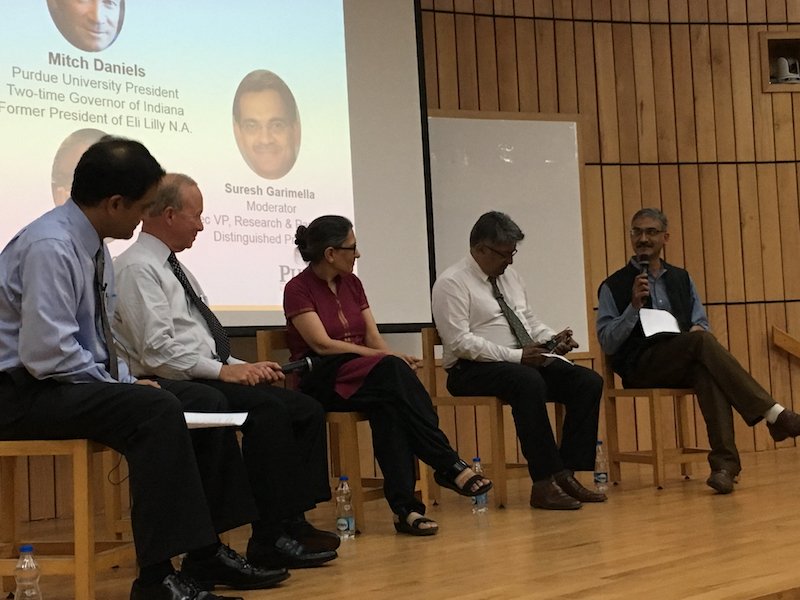
<p>Excerpts from a panel discussion <em>"The Future of Life Sciences Start-ups — the Intersection of Academia and Industry"</em> hosted by Purdue University at NCBS, Bangalore.</p><figure><a href="https://indiabioscience.org/news/2016/the-role-of-academia-and-industry-in-fostering-life-science-startups"><img
                width="800"
                height="600"
                style="max-width: 100%; height: auto"
                src="https://cdn.indiabioscience.org/media/articles/news_nov2016_Panel.jpg"></a></figure><p>Leaders from academia and industry in Bangalore shared the stage with visitors from Purdue University to discuss and address questions about the future of life startups at a panel discussion hosted by the National Centre for Biological Science (NCBS), Bangalore on 25 October 2016. Much of the discussion centred around how academia and industry could support and nurture an entrepreneurial ecosystem for young students and researchers. Some concerns and challenges in the current Indian scenario were touched upon and the experts from Purdue shared their experiences in managing similar issues.</p><p>“Purdue is a State University that is involved in a lot of translational activities. The ecosystem they have developed to encourage incubators and entrepreneurial activities is impressive,” said Satyajit Mayor, Director, NCBS, appreciating their efforts to reach out and share some of their learning about how a [publicly-funded] academic campus can promote innovation. The panelists at the discussion included Mayor, Vijay Chandru, Founder and Chairman, Strand Life Sciences and Gayatri Saberwal, Institute of Bioinformatics and Applied Biotechnology (IBAB) from Bangalore, and Mitch Daniels, President, Purdue University. The panel discussion was moderated by Suresh Garimella, Executive Vice President, Research and Partnerships at Purdue University. </p><p>Garimella initiated the conversation by giving the audience a flavour of the flourishing entrepreneurial activity at Purdue University. The University has embraced innovation and has several centres and programs that stimulate and foster entrepreneurship among faculty and students. Purdue provides startup coaching, funding, mentorship and space for budding entrepreneurs. He ended by inviting comments from the panel about the state of life science startups in India and the challenges they face in finding collaborators.</p><p>Mayor and Chandru both agreed that there has been a cautious but apparent shift within the life science community to thinking about translation. Funding remains an issue, acknowledged Saberwal. “[Academic] research is largely supported by public funds and there are strictures that come with the territory. More private funding would be hugely useful,” said Mayor. Chandru observed that there is now a good structure in place for seed funding, but many companies get stunted because of lack of funds at the next level of growth. </p><p>Once the floor was opened for questions, a lively discussion ensued on efforts by scientists to draw in industry, the challenges for different types of IP startups, the lack of clarity in regulations and licenses and how (and whether) private funding would shape research. The importance of establishing an engine that supports discovery and the role of experienced mentors in guiding first-time entrepreneurs was revisited in several contexts. “We are always shopping for ideas to make our ecosystem faculty-friendly, investor-friendly and student-friendly,” said Mitch Daniels, President, Purdue University. Daniels’ deep understanding of how education, knowledge and research are connected and need to be strongly developed in order to achieve real translation was apparent to the audience. “Getting a good understanding of what they do by interacting with the President and Suresh was interesting and informative for all of us,” said Mayor.</p>
              ]]></content><category term="career-development" label="Career Development" /></entry><entry><title>A study in scarlet</title><link
                  rel="alternate"
                  href="https://indiabioscience.org/news/2016/a-study-in-scarlet"
                  type="text/html"
                  /><summary type="html"><![CDATA[
                <p>New fluorescent protein isolated from a blue coloured morph of the Walleye fish shows bright red fluorescence when illuminated with UV radiation.</p>              ]]></summary><id>tag:indiabioscience.org,2016-10-21:/news/2016/a-study-in-scarlet</id><published>2016-10-21T11:28:29+05:30</published><updated>2019-05-09T22:05:30+05:30</updated><author><name>Sarah Iqbal</name><uri>https://indiabioscience.org/authors/SarahIqbal2</uri></author><content type="html"><![CDATA[


              <figure><a href="https://indiabioscience.org/news/2016/a-study-in-scarlet"><img
                width="750"
                height="500"
                style="max-width: 100%; height: auto"
                src="https://cdn.indiabioscience.org/media/articles/news_oct2016_sandercyanin_walleye.jpg"></a></figure><p>Scientists have <a href="http://www.pnas.org/content/113/41/11513.abstract?tab=author-info" target="_blank">recently reported</a> a new fluorescent protein which has the makings of an ideal fluorescent tag. Light is essential for visibility. But light rays can’t penetrate the skin; this makes visualisation of a cell and its components difficult. The discovery of fluorescent proteins was like switching on the proverbial bulb. Scientists were able to trace entire metabolic pathways by tagging cells with these fluorescent markers. Green fluorescent protein (GFP) was the first fluorescent protein to be discovered and it remains the most widely used fluorescent marker till date. But it has its share of limitations. </p><p>Recently, S Ramaswamy from the <a href="https://indiabioscience.org/orgs/instem" target="_blank">Institute for Stem Cell Biology and Regenerative Medicine</a> (inStem), Bangalore and his colleagues from <a href="https://indiabioscience.org/orgs/ncbs" target="_blank">National Center for Biological Sciences</a> (NCBS), Bangalore, the University of Wisconsin, USA, and University of Iowa, USA have isolated a fluorescent marker from a blue coloured morph of Walleye (<em>Sander vitreous</em>)—a popular sports fish native to North America. Both blue and yellow Walleyes have been described in the literature but the information on the nature of these pigments was lacking. The blue colour was thought to result from some copper-containing compound or cyanobacterium present on the fish mucus. Ramaswamy and his colleagues were looking for the elusive bacteria and the blue pigment. But after several failed attempts at isolating the bacteria, they realised that the blue pigment could be encoded in the fish genome. Whole genome sequence studies ensued, leading to the discovery of the protein which was named Sandercyanin, after the fish (<em>Sander vitreous</em>) and the blue color (cyan). </p><p>


The isolated protein presented interesting properties—it shows bright red fluorescence when illuminated with UV radiation. “Red fluorescence ensures high signal strength and low background scattering. This would prevent the mixing of excitation and emission wavelengths and simplify microscopy experiments,” says Swagatha Ghosh, a graduate student in Ramaswamy’s lab. “Most fluorescent proteins suffer photobleaching when exposed to UV light for extended time periods due to disruption of bonds and damage to structure. But Sandercyanin is extremely photostable and doesn’t bleach over time.” she adds. </p><p>


The red fluorescent protein has huge potential in deep tissue visualisation. But this requires expression of Sandercyanin within the cells. The scientists therefore sequenced and packaged the Sandercyanin gene into <em>E. coli</em> genome for recombinant expression. The protein was extracted, crystallised and compared with the native protein originally isolated from blue walleye for structural integrity. The purified protein, though colorless, transforms to a brilliant blue shade when mixed with biliverdin, a pigment that is produced when UV radiation degrades heme. Scientists have traced this phenomenon to the formation of protein tetramers in the presence of biliverdin which is essential for fluorescence. The role of biliverdin also serves to demystify the seasonal variation of blue walleye sightings. </p><p>


The frequency of finding blue walleyes increases in summer. Out on a fishing expedition, Wayne Schaefer, also an author on this study, realised that increased biliverdin may be produced due to greater UV exposure in summer. While this waste product is being removed from the body through the skin, it can get trapped in the mucous membranes and associate with Sandercyanin giving it a characteristic blue colour. Sandercyanin is also found in traditional yellow walleyes. But it is only in the presence of biliverdin that they assume a blue coloured tetramer conformation. This adduct can then absorb higher energy damaging UV rays and re-emit them as low energy red fluorescence. “In this sense, presence of Sandercyanin on walleye skin is a remarkable example of nature protecting itself by using the very product formed as a result of damage (biliverdin),” says Schaefer. </p><p>


The scientists already hold one patent for the identification and development of Sandercyanin as a fluorescent tag. The results of this study have enabled them to identify specific amino acids involved in oligomerisation of the protein and the mechanism that causes biliverdin associated Sandercyanin to fluoresce. Armed with his information they hope to engineer monomeric Sandercyanin variants with high quantum efficiency. The smallest red fluorescent protein identified till date, and the first from a vertebrate, Sandercyanin opens up new possibilities in imaging.</p>
              ]]></content><category term="molecular-biology" label="Molecular Biology" /><category term="other" label="Other" /></entry><entry><title>Annual conference of the association for cognitive science 2016: A report</title><link
                  rel="alternate"
                  href="https://indiabioscience.org/news/2016/annual-conference-of-the-association-for-cognitive-science-2016-a-report"
                  type="text/html"
                  /><summary type="html"><![CDATA[
                <p>ACCS 2016 brought together experts from a wide variety of fields for talks, posters and discussion sessions on cognitive sciences from 3-5 October 2016 at IIT Gandhinagar.</p>              ]]></summary><id>tag:indiabioscience.org,2016-10-19:/news/2016/annual-conference-of-the-association-for-cognitive-science-2016-a-report</id><published>2016-10-19T15:00:00+05:30</published><updated>2019-05-09T22:05:30+05:30</updated><author><name>Leslee Lazar</name><uri>https://indiabioscience.org/authors/LesleeLazar</uri></author><content type="html"><![CDATA[


              <figure><a href="https://indiabioscience.org/news/2016/annual-conference-of-the-association-for-cognitive-science-2016-a-report"><img
                width="502"
                height="288"
                style="max-width: 100%; height: auto"
                src="https://cdn.indiabioscience.org/media/articles/news_oct2016_meeting_picture.jpg"></a></figure><p>On the bank of river Sabarmati, amidst unexpected rains, the newly built <a href="https://indiabioscience.org/orgs/iitgn" target="_blank">IIT Gandhinagar</a> (IITGN) campus hosted the third annual meeting of the Association for Cognitive Science. Cognitive science is a newly emerging discipline in India and the association was formed in 2013. The inter-disciplinary nature of the field makes it imperative to foster dialogue and interaction between its researchers. </p><p>True to this ethos, this meeting held for the first time at the Center for Cognitive Science at IITGN brought together neuroscientists, linguists, educators, behavioural scientists, computer scientists, and primatologists for talks, posters and discussion sessions from 3-5 October 2016. </p><p>The conference had six symposia where researchers presented short talks on topics in cognitive science, like brain structure and language, motor cognition, perception, decision making, attention, social cognition and emotion. Interspersed were keynote lectures by experts in the field. </p><p>The first keynote lecture was by Sonali Nag from The Promise Foundation in Bangalore who works on how children learn <em>akshara</em>-based languages. The <em>akshara</em> is the symbolic unit used in writing in several Indian languages like Tamil, Hindi, Kannada and Bengali and forms the basis for the <em>Brahmi</em> script. Each <em>akshara</em> symbol represents sound roughly at the level of a syllable and is constructed from distinct marks that represent phoneme level sounds. Her research tracks children acquiring proficiency in these languages to study the underlying mechanism by which they acquire this skill. </p><p>Following that, Brenden Weekes from the Speech and Hearing Sciences division at the University of Hong Kong called for a reexamination of the practice of correlating cognitive functions to physical structures of the brain. He presented data that showed differences in brain size among Asian and Caucasian brains and implored caution while using standardised structural brain templates. He also showed that brain sizes varied based on sex, age and race and proposed a fundamental reevaluation of some key theoretical issues in the fields of behaviourism, cognitivism and symbolism and the utility of verbal modes of behaviour. </p><p>On the second day, key note addresses switched to primate biology from two diametrically different perspectives. Neeraj Jain, <a href="https://indiabioscience.org/orgs/nbrc" target="_blank">National Brain Research Centre</a>, Manesar spoke about the nature of tactile inputs into the brain from the fingers. He showed anatomical and physiological evidence to support the idea that the opposable thumb in macaque monkeys has a modular input pathway to the somatosensory cortex. He argued that such a representation is a reflection of the evolution of opposable thumb, which led to tool use and subsequent cultural evolution. </p><p>The second talk was by Anindya Sinha from <a href="https://indiabioscience.org/orgs/nias-1" target="_blank">National Institute of Advanced Studies</a>, Bangalore, who shared a framework for analysing cognitive states of primates in his behavioural studies of wild macaque monkeys in the forests surrounding Bangalore. He showed evidence of advanced cognitive behaviour, reflecting their knowledge of others intentionality and tactical deception. Sinha also made a case for developing newer behavioural assays that can be taken to labs for detailed study. </p><p>The final day’s keynote lecture was by Srinivasa Chakravarthy, <a href="https://indiabioscience.org/orgs/iitm" target="_blank">IIT Madras</a>, who shared his latest results on the computational modelling of basal ganglia, a deep structure involved in motor output. His talk outlined intricacies and new hypothesis that supplies a missing piece in the application of reinforcement learning theory to basal ganglia functional anatomy. He argues that this addition can explain a wide range of functions of the basal ganglia. </p><p>Active discussions ensued during the networking hour and poster sessions, where more than 120 researchers and students from leading cognitive science research institutes presented their latest research. The heartening aspect of the ACCS 2016 conference for the cognitive science community was the quality of the scientific discourse. In his comments about the meeting, one of the organisers, Pratik Mutha, said “I feel like the number of people interested in this field is growing rapidly and the quality of the work being presented was also significantly better. All this will go a long way in boosting the enthusiasm and participation in cognitive science”.</p>
              ]]></content><category term="neuroscience" label="Neuroscience" /><category term="other" label="Other" /></entry><entry><title>The ‘tail’ of two cells: sperms wiggle out while avoiding head-on collision from cell enclosure</title><link
                  rel="alternate"
                  href="https://indiabioscience.org/news/2016/the-tail-of-two-cells-sperms-wiggle-out-while-avoiding-head-on-collision-from-cell-enclosure"
                  type="text/html"
                  /><summary type="html"><![CDATA[
                <p>In a first, scientists from <a href="https://indiabioscience.org/orgs/tifr" target="_blank" rel="noreferrer noopener">TIFR</a> record and describe the live process of sperm release in fruit fly.</p>              ]]></summary><id>tag:indiabioscience.org,2016-10-12:/news/2016/the-tail-of-two-cells-sperms-wiggle-out-while-avoiding-head-on-collision-from-cell-enclosure</id><published>2016-10-12T10:28:00+05:30</published><updated>2019-05-09T22:05:30+05:30</updated><author><name>Urvashi  Bhattacharyya</name><uri>https://indiabioscience.org/authors/Urvashi</uri></author><content type="html"><![CDATA[


              <figure><a href="https://indiabioscience.org/news/2016/the-tail-of-two-cells-sperms-wiggle-out-while-avoiding-head-on-collision-from-cell-enclosure"><img
                width="625"
                height="500"
                style="max-width: 100%; height: auto"
                src="https://cdn.indiabioscience.org/media/articles/news_oct2016_sperm_bundles3.jpg"></a></figure><p>Science is fun, especially when it offers researchers newer opportunities to venture out to hidden, unexplored territories. Often though, interesting details lie hidden behind what may be a seemingly known and simple biological process. Indian biologists looking at the well-known event of sperm release in male fruit flies, have now discovered new rules of the phenomenon in a <a href="http://www.cell.com/developmental-cell/fulltext/S1534-5807(16)30461-0" target="_blank">recent study</a> published in the journal <em>Development Cell</em>. The research, carried out by Pankaj Dubey, Seema Shirolikar and Krishanu Ray from <a href="https://indiabioscience.org/orgs/tifr" target="_blank">Tata Institute of Fundamental Research</a>, Mumbai described the first ever live recording of the process using <em>Drosophila </em>testis <em>ex vivo</em>. According to the authors, the sperm release mechanism, which at present is suggested to occur in fruit flies, could be followed in mammalian reproductive systems as well due to their topological similarities.</p><p>In this study, the authors sought out to observe how sperms move out of testis once they mature. Ray explains the problem in simple terms, "Imagine a balloon growing within another balloon and then the one inside comes out without bursting the outer one." A well-travelled commuter in a crowded train might be able to sympathise with the problem. Pushing your way out through the crowd, pokes and jabs with fellow passengers becomes a common occurrence. Turns out, the interaction between the sperm and cyst cells is no different. </p><p>Spermatogenesis or generation of sperms from germ line cells occurs in an enclosure of two somatic cells in <em>Drosophila</em>. These are known as the head cyst cell (HCC) and tail cyst cell (TCC) covering the heads and tails of the developing sperm bundles respectively. Upon development, the mature sperm needs to find ways to get out of the enclosure, and pass through a narrow duct lined with closely packed epithelial cells in order to get into the seminal vesicle for storage. The authors used time-lapse imaging, a technique of capturing slower events at reduced frame rates and playing them back at faster speeds. This collapses hour long events into a few minutes of viewing. Using fluorescent labels, which differentially stain the somatic and the sperm cells, the researchers documented that it was the tails of the sperm that first pushed out from the enclosure. This finding is surprising and alters the leading hypothesis of sperm heads being forced out of the enclosure through the surrounding tissue. </p><p>The authors further investigated what prohibits the sperm heads from escaping the enclosure. To do this, they labelled a protein network that is known to assemble within HCCs and observed changes as they unfolded. This led to their next interesting discovery. They found that the HCCs defend intrusions from the sperm heads through rapid assembly of the protein network. These filamentous proteins, known as actin molecules, gather near the poking sperm and resist the push of the intruding spermatids’ head. Further investigation of other protein factors involved in actin assembly was carried out using molecular genetics. The authors observed that disruption of any of these factors involved in the process leads to abnormal release of sperm, a potential source of infertility among the male member of the species. </p><p>The study demonstrates the potential of actin dynamics as first line of defence against mechanical invasion in certain types of cells. “The idea that a cell can react to physical poking using molecular machines is a very novel one and exciting”, noted Ray. Although the research is in its early stages to be effectively used for contraceptive screens or for fertility treatment, the ability to image the testis live can help in testing the effects of small molecule candidates for contraceptives at different stages of sperm release. The results also stress the importance of observing biological phenomenon live over building models using indirect experimental analysis.</p>
              ]]></content><category term="developmental-biology" label="Developmental Biology" /><category term="cell-biology" label="Cell Biology" /><category term="research" label="Research" /></entry><entry><title>How, or why, the lizard got his stripes</title><link
                  rel="alternate"
                  href="https://indiabioscience.org/news/2016/how-or-why-the-lizard-got-his-stripes"
                  type="text/html"
                  /><summary type="html"><![CDATA[
                <p>New research explains how conspicuous stripes on lizards' upper bodies can dazzle predators and deflect attacks towards their expendable tails.</p>              ]]></summary><id>tag:indiabioscience.org,2016-10-10:/news/2016/how-or-why-the-lizard-got-his-stripes</id><published>2016-10-10T11:39:00+05:30</published><updated>2019-05-09T22:05:28+05:30</updated><author><name>Siddharth Kankaria</name><uri>https://indiabioscience.org/authors/SiddharthKankaria</uri></author><content type="html"><![CDATA[


              <figure><a href="https://indiabioscience.org/news/2016/how-or-why-the-lizard-got-his-stripes"><img
                width="512"
                height="288"
                style="max-width: 100%; height: auto"
                src="https://cdn.indiabioscience.org/media/articles/news_oct2016_plestiodon_lizard_crop.jpg"></a></figure><p>Animals use a startling array of colourations to thwart predators—for camouflage, to warn that they're poisonous or even to mimic other dangerous creatures. But highly-conspicuous stripes on some reptiles, which should make them more visible to predators, have long baffled scientists. Now researchers from the <a href="https://indiabioscience.org/orgs/iiser-thiruvananthapuram" target="_blank">Indian Institute of Science, Education &amp; Research, Thiruvananthapuram</a> (IISER-TVM) have shown high-contrast stripes running along the length of a lizard’s body can cause a phenomenon called motion dazzle, which hinders predators’ perception of their prey’s speed or direction.</p><p>Using human volunteers and a computer game mimicking predator-prey interactions the team showed this effect can redirect attacks away from vital areas like the head and trunk to the tail of the lizard. “Researchers have long been interested in explaining why certain animals possess conspicuous striped colour patterns, which should enhance detection by predators. Our study is the first to explicitly demonstrate that conspicuous striped patterns on vital body parts can indeed divert attacks away towards non-­vital body parts,” said graduate student Gopal Murali, the lead author of <a href="http://rsos.royalsocietypublishing.org/content/3/6/160057" target="_blank">the study</a> published in the journal <em>Royal Society Open Science</em>.</p><p>The authors say this makes evolutionary sense as any attack on the head or trunk is much more likely to be lethal than an attack on the tail. In addition, the tails of many lizard species can grow back after being chopped off and are therefore expendable.</p><p>The touch-screen computer game the scientists used to validate their theory, required volunteers to catch prey covered in different patterns—stripes vs. random blotches—on varying parts of the body—head and trunk vs. tail. They found that lizards whose head and trunk sported high-contrast stripes running parallel to the direction of their movement were attacked much more often on their tail than on their upper body, compared to prey with random blotches on their head and trunk.</p><p>To confirm the role of motion dazzle the authors used a strategy common in optometry testing called an adaptive staircase paradigm. Volunteers are presented with a fixed-speed target and another with variable speed, which allows researchers to compare the perceived speed of an object against its actual speed. The results showed that the striped patterns caused lizards to appear slower than they actually are, causing attacks aimed at the upper body to land on the tail instead. Murali says this means their research not only demonstrates the role of the stripes, but also explains how the effect is achieved.</p><p>“I particularly like how it tests a biologically inspired hypothesis, as this is something that the field hasn't always focused on. I think it's great that they have been able to propose a mechanism for this effect, linking up the behavioural ecology with the perceptual experience,” said Anna Hughes, a teaching fellow at University College London, UK, who specialises in animal colouration and visual perception.</p><p>Murali concedes that using human volunteers means they must be cautious in assuming their findings apply to animals with different visual systems. “We actually thought of doing the experiment outdoors with real predators, but we could not do it because we could not train the actual birds or other predators of these lizards to exactly attack the head of the animal which had stripes,” he added. </p><p>Martin Stevens, an associate professor of sensory and evolutionary ecology at the University of Exeter, UK, complimented the study. “It tests the idea of motion dazzle in markings that are somewhat closer to those on real animals, rather than very artificial patterns as in past work,” he said.</p><p><em>This story is based on a press release from the <a href="http://sciencemediacentre.in/" target="_blank">Science Media Centre India</a>.</em><br /></p>
              ]]></content><category term="evolution" label="Evolutionary Biology" /><category term="ecology" label="Ecology" /></entry><entry><title>Championing Asian savannahs</title><link
                  rel="alternate"
                  href="https://indiabioscience.org/news/2016/championing-asian-savannahs"
                  type="text/html"
                  /><summary type="html"><![CDATA[
                <p>Recognising savannahs as a unique ecosystem is vital to ensuring proper management of these biomes.</p>              ]]></summary><id>tag:indiabioscience.org,2016-10-03:/news/2016/championing-asian-savannahs</id><published>2016-10-03T06:00:00+05:30</published><updated>2019-05-09T22:05:28+05:30</updated><author><name>Vrushal Pendharkar</name><uri>https://indiabioscience.org/authors/VrushalPendharkar</uri></author><content type="html"><![CDATA[


              <figure><a href="https://indiabioscience.org/news/2016/championing-asian-savannahs"><img
                width="408"
                height="288"
                style="max-width: 100%; height: auto"
                src="https://cdn.indiabioscience.org/media/articles/news_oct2016_savnnah_map_crop.jpg"></a></figure><p>When one thinks of a savannah the image that comes to mind is one typically representative of Africa—a vast never ending grassland inhabited only by a lonely Acacia tree on a distant horizon. This is precisely the image that scientists from <a href="https://indiabioscience.org/orgs/ncbs" target="_blank">National Centre for Biological Sciences</a> (NCBS), Bangalore and Center for Integrative Conservation, Xishuangbanna Tropical Botanical Garden, Yunnan, China would like to change. </p><p>In a <a href="http://rstb.royalsocietypublishing.org/content/371/1703/20150305" target="_blank">study</a> recently published in <em>Philosophical Transactions B</em>, the scientists allege that savannah biomes in Asia are unrecognised as distinct ecosystems. As a consequence savannahs biomes are both misunderstood and mismanaged. Some reasons for such ignorance stem from the biogeography and history of the southern and south-east Asian region. A simple definition of savannah would be a tree-grass ecosystem where tree canopy is discontinuous with a nearly-continuous understorey of grass. Such ecosystems can encompass deciduous broadleaf savannahs like the teak forests of South India, deciduous fine-leafed and spiny savannahs such as those found in Gujarat or the Sariska Tiger Reserve, Rajasthan and evergreen pine savannahs, commonly found in the Himalayan foothills. The type of forest varies with the amount of rainfall an area receives. When an ecosystem has trees, it is very common that the grass goes unnoticed. However, grass is the critical component which drives the functional ecology of these ecosystems. The biogeographical accident is that in contrast to Africa which has drier savannahs, the Asian savannahs tend to occur in places which have relatively higher rainfall. Hence the Indian subcontinent has savannahs that are more densely wooded and are commonly mistaken as degraded forests.</p><p>This misunderstanding is largely a colonial hangover that has unfortunately persisted in the scientific community and the forest departments involved in the management of grasslands. The British were foresters whose focus was on trees—they were looking for timber to extract. Hence they classified any vegetation with tree cover as forests.</p><p>In the past, scientists (and others) have argued that savannahs resulted from human settlement and management. This study, however, refutes this theory by presenting different sources of evidence that indicate the presence of savannahs before human arrival in the area. The researchers also suggest that the ecosystem may have encompassed larger areas under climatic conditions of the past. Their theory draws further support from fossil and molecular evidence, which show that savannahs and herbivores adapted to savannahs existed as far back as 1 million years ago (1 Ma). The herbivores—distinct species of deer and ruminants like gaur and antelopes—play an important role in maintaining the savannahs as they feed on different layers of grass. On the other hand, humans started to use fire as a means to modify landscapes for agriculture only about 0.12 Ma. </p><p>As part of the study the researchers also mapped the potential extent of Asian savannahs. Although savannahs everywhere are structurally similar, their geographical distributions vary with climate across continents. As there is insufficient data to identify the geographical extent of Asian savannahs, the scientists constructed the maps based on an analysis of climactic conditions of savannahs from different continents—Africa, Australia and South America. They found that with African climactic conditions, Asia would support the largest area of savannahs by far. The areas mapped (as savannahs) under these conditions also are the closest match for known Asian deciduous savannahs.</p><p>Lastly, and most importantly, the study makes a case for savannahs to be recognised as unique ecosystems. This understanding is critical for conservation and management practices. Jayashree Ratnam, the lead author of the study argues that, “complete exclusion of fire and herbivory are not right management policies for these ecosystems,” and suggests that these should be used as tools to manage the savannahs effectively. Inappropriate management of fire and herbivory, land-use conversions to agriculture, afforestation and invasions by exotic species, along with climate change will have large impacts on the structure and dynamics of Asian savannahs in the decades to come.</p>
              ]]></content><category term="ecology" label="Ecology" /><category term="conservation-biology" label="Conservation Biology" /><category term="other" label="Other" /></entry><entry><title>How a kinase inhibitor withstands gatekeeper residue mutations</title><link
                  rel="alternate"
                  href="https://indiabioscience.org/news/2016/how-a-kinase-inhibitor-withstands-gatekeeper-residue-mutations"
                  type="text/html"
                  /><summary type="html"><![CDATA[
                <p>Scientists gain a better understanding of the binding mechanism of kinase inhibitors.</p>              ]]></summary><id>tag:indiabioscience.org,2016-09-30:/news/2016/how-a-kinase-inhibitor-withstands-gatekeeper-residue-mutations</id><published>2016-09-30T11:49:00+05:30</published><updated>2019-05-09T22:05:26+05:30</updated><author><name>Anjali Krishna</name><uri>https://indiabioscience.org/authors/AnjaliKrishna</uri></author><content type="html"><![CDATA[


              <figure><a href="https://indiabioscience.org/news/2016/how-a-kinase-inhibitor-withstands-gatekeeper-residue-mutations"><img
                width="1801"
                height="1200"
                style="max-width: 100%; height: auto"
                src="https://cdn.indiabioscience.org/media/articles/news_sept2016_KinaseInhibitor_corrc.jpg"></a></figure><p>Protein kinases constitute a vast and diverse family of enzymes that play a significant role in mediating cellular activities by regulating energy transfer between adenosine triphosphate (ATP) and other substrates. The structural elements that are shared across kinases include an amino acid (DFG) motif containing an activation loop that regulates kinase activity. Many diseases, including cancer, can be attributed to an impairment in kinase activity. This, in turn, adversely affects downstream signalling pathways. As a result, kinase-targeted therapy presents a hot area for research, with several small molecule kinase inhibitors underway or in the market.</p><p>Type-I kinase inhibitors are known as ATP-competitive inhibitors—they compete with ATP in binding to a gatekeeper amino acid residue in what is known as the hinge region of the kinases. However, the occurrence of mutations at this site, commonly threonine to methionine substitutions, renders this class of inhibitors ineffective. Consequently, type-II inhibitors, which can bypass the kinase gatekeeper mutations, have been developed. The mechanism by which these inhibitors bind to the kinases despite mutations remained ambiguous until now. Jagannath Mondal and co-workers, from <a href="https://indiabioscience.org/orgs/tifr-h" target="_blank">Tata Institute of Fundamental Research, Hyderabad</a> (TIFR-H) and Columbia University, USA performed atomistic molecular dynamics simulation studies to understand the binding mechanisms of these mutant-resistant kinase inhibitors. The results of their studies <a href="http://pubs.acs.org/doi/abs/10.1021/jacs.6b01232" target="_blank">have been published</a> in the <em>Journal of the American Chemical Society</em>.</p><p>The researchers compared the behaviour of a type I inhibitor called Dasatinib and a type II inhibitor called RL45 toward cSrc-kinase, with and without a gatekeeper residue mutation. cSrc-kinase is a cytoplasmic kinase that regulates several cell signalling activities, whose aberrant activity has been strongly implicated in cancer. In this study, the researchers used a state-of-the-art computational technique called “free energy perturbation with replica exchange solute tempering (FEP/ REST) simulations”. This enhanced sampling technique was employed to compute protein-ligand binding affinities, a measure of the strength of attraction between a receptor and ligand, for both inhibitors.	</p><p>The results of the powerful FEP/REST simulations correlated with previous experimental findings, showing that the gatekeeper residue mutation caused an unfavourable change in binding free energy between Dasatinib and the kinase. RL45, the type-II inhibitor, on the other hand, could bind effectively to both the wild and mutated gatekeeper residue. Further analysis revealed that differences in ligand flexibility influenced the binding of both inhibitors to the mutant kinase. The failure of the type-I inhibitor, Dasatinib, stemmed from its lack of flexibility—inability to avoid steric clashes and loss of a crucial ligand−pocket hydrogen bond upon the T338M mutation. A flexible central phenyl ring in RL45, however, overcame these problems and was able to bind to the mutant. </p><p>“Our results point towards the development of kinase inhibitors which are not conformationally rigid and can reorient themselves in the wake of gatekeeper residue mutations,” stated the researchers, in an email correspondence. Their study establishes that FEP/REST could be used as an efficient simulation technique to perform high throughput screening of potential drug candidates against these mutations.</p><p>The scope for future studies can be divided into two steps. “First, we would like to study whether DFG-in vs DFG-out conformation of kinase has any allosteric roles to play in withstanding gatekeeper residue mutation,” said the investigators. Furthermore, they aim to analyse the efficacy of the inhibitor by evaluating its residence time in the native binding pose. “We are on course to investigate the unbinding mechanisms and rate-determining steps of the kinase inhibitor from its bound pose.” This would provide a clearer picture for designing better kinase inhibitors, hence greatly contributing to targeted kinase therapy for various diseases.</p>
              ]]></content></entry><entry><title>Book Launch: The Great Derangement</title><link
                  rel="alternate"
                  href="https://indiabioscience.org/news/2016/book-launch-the-great-derangement"
                  type="text/html"
                  /><summary type="html"><![CDATA[
                <p>A report from the lively panel discussion led by writer Amitav Ghosh and researchers from Bangalore at the event held recently at IISc, Bangalore.</p>              ]]></summary><id>tag:indiabioscience.org,2016-09-21:/news/2016/book-launch-the-great-derangement</id><published>2016-09-21T14:05:00+05:30</published><updated>2019-05-09T22:05:26+05:30</updated><author><name>Vrushal Pendharkar</name><uri>https://indiabioscience.org/authors/VrushalPendharkar</uri></author><content type="html"><![CDATA[


              <figure><a href="https://indiabioscience.org/news/2016/book-launch-the-great-derangement"><img
                width="508"
                height="288"
                style="max-width: 100%; height: auto"
                src="https://cdn.indiabioscience.org/media/articles/news_sep2016_Book-cover_crop.jpg"></a></figure><p>“Serious contemporary literature has failed to consider climate change as part of its narrative.” observed acclaimed writer Amitav Ghosh, speaking at an event to launch his latest book, <em>The Great Derangement: Climate Change and the Unthinkable</em>. Ghosh is somewhat baffled at the ignorance shown by writers towards the subject of climate change. Most of the writing on the subject takes the form of news reporting or opinion articles, usually following a natural disaster. Seldom is climate change central to a novel or a piece of fiction.</p><p>The book launch was<em></em>held recently at the <a href="https://indiabioscience.org/orgs/iisc" target="_blank">Indian Institute of Science</a> (IISc), Bangalore. Ghosh was joined in a panel discussion by Rohini Nilekani, Chairperson of the Arghyam Foundation, R. Sukumar, professor, Centre for Ecological Sciences, IISc, J. Srinivasan, professor, Centre for Atmospheric and Oceanic Sciences, IISc and Karthik Shanker, director, Dakshin Foundation.</p><p>Various topics related to climate change like lack of political action and the economics of climate change were discussed by the panel. However, Ghosh was particularly interested in the science of climate change and the communication of the phenomenon. He opined that scientists working in the field of climate change have couched the subject in technical language riddled with jargon, making it incomprehensible to public at large. This should not be the case, he added, since climate change is not as complicated to understand as something like string theory. Ghosh doesn’t think it is only the scientific community at fault. He pointed out that even artists, writers, politicians and lawyers have been unable to bring this most serious of threats facing the world in public conscience. He recollected a meeting with two famous artists soon after the deluge in Mumbai. He was surprised to learn that despite the flood damaging the artists’ work, the event had never been depicted in their art. The effects of climate change have featured in some of Ghosh’s previous work like <em>The Hungry Tide</em>. In his initial comments, Ghosh also underscored that society at large must take responsibility for its actions. He noted, “Communities believe this is an issue of communication. They think that if people understand they will act. I personally believe the issue is much grimmer. People do know everything but they refuse to act.”</p><p>Sukumar, speaking next, observed that although the idea of climate change was propagated by science almost 30 years ago, it has only started to feature in our conversations in little over the past decade. He thinks it only really caught people’s imagination after the Nobel Peace Prize was awarded to Intergovernmental Panel for Climate Change and Al Gore in 2007. Sukumar declared that one challenge in communicating the impact of climate change in India is the paucity of information, apart from the greater levels of uncertainty in weather patterns. For example, temperatures will rise, monsoons will be affected, glaciers will melt and sea levels will rise. “But we don’t have clear information on actual impact, so how does one plan and adapt?,” wonders Sukumar.</p><p>He was followed by Srinivasan who said, “In India, climate change is occurring due to confluence of factors. It may not have an immediate impact. Factors such as population explosion and aerosol usage has contributed significantly to climate change.” He is of the opinion that it is a human-induced phenomenon. Being a populous and developing country like India is a challenge for governments and societies alike to combat a problem like</p><p>At the end of the discussion, the packed audience had a whole range of questions for the panel. From wanting to know what one can do at an individual level to mitigate the effects of climate change, to commenting on how caricatures in children books serve to educate them about their future world, the audience had pointed questions for the panel.</p><p>Ghosh’s hopes that the book starts a conversation among all strata of the society about the ailments plaguing our only planet. The society needs to be aware as “climate change is not about economic conditions but political arrangements too.”</p>
              ]]></content><category term="other" label="Other" /><category term="outreach" label="Outreach" /></entry><entry><title>Unravelling the mechanism of infection of the deadly Chandipura virus</title><link
                  rel="alternate"
                  href="https://indiabioscience.org/news/2016/unravelling-the-mechanism-of-infection-of-the-deadly-chandipura-virus"
                  type="text/html"
                  /><summary type="html"><![CDATA[
                <p>The Chandipura Virus (CHPV) has been associated with outbreaks of encephalitic illness in central India, the most recent of which killed 183 people in 2003. Studies in mice provide insights into the molecular and cellular mechanisms of the CHPV infection. </p>              ]]></summary><id>tag:indiabioscience.org,2016-08-30:/news/2016/unravelling-the-mechanism-of-infection-of-the-deadly-chandipura-virus</id><published>2016-08-30T13:54:03+05:30</published><updated>2019-05-09T22:05:26+05:30</updated><author><name>Leslee Lazar</name><uri>https://indiabioscience.org/authors/LesleeLazar</uri></author><content type="html"><![CDATA[


              <figure><a href="https://indiabioscience.org/news/2016/unravelling-the-mechanism-of-infection-of-the-deadly-chandipura-virus"><img
                width="494"
                height="288"
                style="max-width: 100%; height: auto"
                src="https://cdn.indiabioscience.org/media/articles/news_aug2016_microglia-bystander-effect4.jpg"></a></figure><p>In 1966, two virologists <a href="http://www.unboundmedicine.com/medline/citation/23405436/Chandipura:_a_new_arbovirus_isolated_in_India_from_patients_with_febrile_illness._1967." target="_blank">discovered</a> a new virus from samples collected from an outbreak of fever in Maharashtra. They named it Chandipura virus (CHPV), after the town where they made the discovery. However, much research into the newly discovered virus did not ensue as the CHPV was classified as an ‘orphan virus’—a category for viruses that do not have pathogenic qualities—and was left to scientific obscurity. </p><p>That changed in 2004, when an encephalitis outbreak in Andhra Pradesh claimed 183 lives, mostly children below the age of 12. The patients reported high-grade fever, occasional vomiting, rigours, sensorium, drowsiness leading to coma and death within 48 hours. India frequently sees such outbreaks of encephalitis and the cause is not always clearly defined. The common culprits are Japanese Encephalitis, dengue, West Nile, measles viruses or chalked down to an unknown pathogen. When scientists analysed the samples collected from this outbreak, they found, to their surprise, that it was the Chandipura virus that was previously thought to be an ‘orphan virus’. </p><p>This prompted a renewed interest from the scientific community to understand its basic biology and mechanism of infection. The CHPV belongs to family of rhabdovirus, has a single-stranded RNA and five genes. It travels through arthropod vectors like sand flies and mosquitoes. The virus reaches the salivary gland of the insect and is transferred to the mammalian host through bites. Animal studies showed that the virus affects only neurons and causes neurodegeneration. Anirban Basu’s group from the National Brain Research Centre (NBRC) in Manesar have been studying the brain’s immune response to viral pathogens for years. They got interested in the Chandipura virus. In 2013, <a href="http://www.ncbi.nlm.nih.gov/pubmed/24027318" target="_blank">their studies showed</a> that the neurons infected with Chandipura viruses are killed by a particular mechanism of programmed cell death.</p><p>More recently, <a href="http://www.nature.com/articles/srep22544" target="_blank">they published results</a> that shed light on the trigger for this neuronal death. In CHPV-infected mice, they found that although CHPV infects neurons in the brain uniformly, neuronal death was biased towards certain regions like the cortex and hippocampus and to a lesser extent in the thalamus and striatum. These areas correlated with high level of microglial activation. Microglia are the primary immune cells of the brain and are activated in response to infection and release molecules like pro-inflammatory cytokines, chemokines, reactive oxygen species (ROS) and nitrogen species. However, chronic microglial activation and sustained levels of these secreted molecules result in increased neuronal death in the vicinity, which is called the “bystander effect”. </p><p>They also found increased expression of certain signaling proteins, which are markers of inflammation, and molecules, which are indicators of higher levels of reactive oxygen and nitrogen species. The spatial distribution of these molecules also corresponded to the regions where the neurodegeneration was high. This suggested that microglial activation was causing damage to the brain after CHPV infection. 

</p><p>Subsequently, the researchers confirmed that molecules released by microglial activation alone caused neurons to die. They did that by first infecting a cell line with CHPV virus, which caused the microglia to be activated. Then, they extracted the chemicals released by this microglial activation and used it to infect a normal neuronal cell line. This caused the neuronal cell line to die, showing that molecules released by activated microglia alone can cause cell death in neurons. 	</p><p>Although there are increased efforts to understand the molecular and cellular mechanisms of CHPV infection, there are doubts whether CHPV alone can explain the observed symptoms, and whether the mortality is due to encephalitis or a vascular stroke. Encephalitis caused by different viruses have similar symptoms and genetic and immunological data can be misleading, but only more research can help unravel this deadly mystery.</p>
              ]]></content><category term="health-and-medicine" label="Health &amp; Medicine" /><category term="neuroscience" label="Neuroscience" /></entry><entry><title>Designing antibacterial solutions</title><link
                  rel="alternate"
                  href="https://indiabioscience.org/news/2016/designing-antibacterial-solutions"
                  type="text/html"
                  /><summary type="html"><![CDATA[
                <p>Researchers from Delhi enhance hydrogel dressings with silver nanoparticles to make them more effective against bacterial infection.</p>              ]]></summary><id>tag:indiabioscience.org,2016-08-16:/news/2016/designing-antibacterial-solutions</id><published>2016-08-16T11:02:00+05:30</published><updated>2019-05-09T22:05:24+05:30</updated><author><name>Sarah Iqbal</name><uri>https://indiabioscience.org/authors/SarahIqbal2</uri></author><content type="html"><![CDATA[


              <figure><a href="https://indiabioscience.org/news/2016/designing-antibacterial-solutions"><img
                width="458"
                height="288"
                style="max-width: 100%; height: auto"
                src="https://cdn.indiabioscience.org/media/articles/news_aug2016_SEM_silverNPs.jpg"></a></figure><p>The human body is entirely capable of repairing itself but delays in this process can turn seemingly harmless wounds into fatal hotspots of infection. In ancient wars, a large number of deaths were caused due to full blown systemic infections where germs gained access through wounds. As early as the 2<sup>nd</sup> century A.D, Egyptians realised that occluded, or closed, wounds heal faster compared to exposed lesions due to the simple fact that they reduced chances of bacterial infiltration. This led to the development of a new genre of treatment strategies. Today, wound dressings serve this purpose and are routinely employed to hasten the process of healing. However, the commonly used cotton gauze dressings are destructive to newly formed tissue and are painful to remove because they are dry. </p><p>Deeper insights into tissue repair processes have revealed that moisture aids tissue regeneration and soothes inflammation. This has inspired a new breed of moisture laden dressings called hydrogel dressings. They consist of gel polymers saturated with water that promote tissue regeneration and don't adhere to the wound. But there’s a catch: the moisture-rich environment of hydrogels can serve as hotspots for bacterial and fungal growth. Although, conventional hydrogel dressings contain antibiotics to counter infection, their clinical use is restricted due to health concerns posited by rising bacterial resistance. Intrigued by the conundrum, Maneesh Jaiswal from <a href="https://indiabioscience.org/orgs/iitd" target="_blank">Indian Institute of Technology, Delhi</a>, collaborated with the <a href="https://indiabioscience.org/orgs/aiims-new-delhi" target="_blank">All India Institute of Medical Sciences</a> to design a solution. </p><p>Jaiswal is experienced in working with metal nanoparticles, which have recently gained a lot of attention as novel antibiotics. Due to their small size the nanoparticles can infiltrate the bacterial system and overhaul the machinery. Presently a gamut of nano-metalcomposites is being tested as broad spectrum antibiotics. Among these, silver nanoparticles have emerged as the least toxic alternative. To create sterile gel dressings the scientists decided to swap conventional antibiotics with silver nanoparticles. “Our aim was to develop a safe, effective yet economic dressing for all kinds of chronic superficial wounds. We were confident that hydrogel matrices would serve this purpose and could be combined with silver nanoparticles to prevent infection. But the stability of silver nanoparticles was an issue,” Jaiswal explains. Metal nanoparticles are known to leach out from therapeutic composites and cause cellular toxicity. To circumvent this problem Jaiswal and his colleagues took two additional measures. To prevent metal overdosing, the researchers established the minimum concentration of metal required for effective antibacterial activity. Next, they stabilised the nanoparticles by coating them with a biocompatible gel possessing wound healing properties prior to incorporation in the dressing. In doing so they created an antibacterial reservoir that could prevent the entry of microbes and boost the restoration of tissue architecture. The embedded hydrogel dressings were then tested for bacterial growth both <em>in vitro</em> and in rats. </p><p><img src="https://cdn.indiabioscience.org/media/articles/news_aug2016_culture.png" alt="Picture3-1.png#asset:6219" /><br /></p><p>The scientists tested their model against three bacterial species that are most commonly found in infected wound tissue—<em>Pseudomonas aeruginosa</em>, <em>Escherichia coli</em>, and <em>Staphylococcus aureus</em>. Nanoparticle infused matrix discs could inhibit the growth of all three bacterial species in culture plates. When applied to rat wounds, pro-healing parameters were discernible in about 8 days without any hint of associated toxicity. Scientists are confident that in view of rising antibacterial resistance, reservoir-based dressing may provide a respite from local infections. The researchers are presently planning to hand over this model to healthcare company for mass production, which they presume would be available at an affordable cost. “We have filed for an Indian patent and are collaborating with clinical agencies,” says Jaiswal. “Many other scientists are also using combined approaches to design novel composites using metal nanoparticles and hydrogels,<em>”</em> he adds. In the coming years, such therapeutic strategies will play a role in the development of sophisticated smart dressings with diverse biomedical applications.</p>
              ]]></content><category term="health-and-medicine" label="Health &amp; Medicine" /><category term="nanotechnology" label="Nanotechnology" /></entry><entry><title>How does a mutation lead to disease?</title><link
                  rel="alternate"
                  href="https://indiabioscience.org/news/2016/how-does-a-mutation-lead-to-disease"
                  type="text/html"
                  /><summary type="html"><![CDATA[
                <p>Study of a rare genetic disorder by researchers from <a href="https://indiabioscience.org/orgs/csir-igib">IGIB, Delhi</a> provides key insights on intermediary steps from a mutation to disease manifestation.</p>              ]]></summary><id>tag:indiabioscience.org,2016-08-12:/news/2016/how-does-a-mutation-lead-to-disease</id><published>2016-08-12T12:15:00+05:30</published><updated>2019-05-09T22:05:24+05:30</updated><author><name>Reeteka Sud</name><uri>https://indiabioscience.org/authors/reeteka</uri></author><content type="html"><![CDATA[


              <figure><a href="https://indiabioscience.org/news/2016/how-does-a-mutation-lead-to-disease"><img
                width="380"
                height="288"
                style="max-width: 100%; height: auto"
                src="https://cdn.indiabioscience.org/media/articles/news_aug2016_zebrafish_IGIB.jpg"></a></figure><p>Perhaps the biggest question driving research in genetic diseases is how a change in DNA sequence affects an individual’s health. What are the intermediate steps from a mutation to disease manifestation? <a target="_blank" href="http://chetana-sachidanandan.igib.in/">Chetana Sachidanandan and her team</a> from the <a href="https://indiabioscience.org/orgs/csir-igib" target="_blank">Institute for Genomics and Integrative Biology (IGIB), Delhi</a>, set out to investigate this very question in CHARGE syndrome, a collection of diseases rooted in developmental errors. </p><p>CHARGE is an acronym for major defects in babies born with this condition: Coloboma (defect in formation of the eyes), Heart defect, Atresia choanae (blocking of one or both nasal passages by tissue overgrowth), Retarded growth &amp; development, Genital abnormality and Ear abnormalities. Majority of clinical cases have mutations in a single gene, <em>CHD7</em>. The protein coded by this gene, also bearing the same name, influences transcription of a wide range of genes important in development. Using the zebrafish model, <a target="_blank" href="http://hmg.oxfordjournals.org/content/early/2016/07/31/hmg.ddw198.long">the research team uncovered</a> the domino effect set in motion from mutations in the gene, and tested the effectiveness of RNA-based drugs to treat the syndrome. Mutations in the gene result in nonfunctional, shortened version of CHD7 protein. To mimic this condition and understand subsequent effects on embryo development, researchers turned down the expression of normal CHD7 in zebrafish.</p><p>Named for its zebra-like black and white stripes, zebrafish is a small freshwater fish endemic to Indian rivers. Several qualities about it make it an ideal <a target="_blank" href="http://www.yourgenome.org/facts/what-are-model-organisms">model organism</a> for studying genetic diseases: striking similarities between zebrafish and human genomes means experiments to figure out effects of genetic variations have direct relevance to human health. Plus, zebrafish embryos are transparent, making it possible to perform live imaging to monitor movement of cells in development. Embryos take only 2-3 days to grow into free swimming larvae, therefore unfolding of developmental defects can be easily observed. </p><p>Sequence and extent of gene expression has to be exquisitely specific for proper development. CHD7 is turned on very early on during development, starting from 2-4 cell stage embryo. This study shows that without this protein, zebrafish embryos exhibit defective differentiation and myelination of neurons of peripheral nervous system in addition to defects known in CHARGE patients . The research team also uncovered the role of a protein called sox10 in the progression of CHARGE syndrome. The number of cells making sox10 protein increases exponentially in the absence of CHD7 protein. To figure out if there was a cause-consequence relation between the two proteins, Zainab Asad (PhD student in Sachidanandan Lab and first author on this paper) decided to use RNA-based molecules to reduce the levels of sox10 in “mutant” zebrafish. </p><p>“To our surprise, we found that the extent of defects were visibly reduced in these conditions,” says Sachidanandan. Surprising, because a protein like CHD7 that is expressed so early, interacts with many, many proteins in the normal course of development; which of these to target to correct the course of disease in CHARGE, is not an easy question to answer. The odds can be worse than finding the proverbial needle in the haystack. “For this reason, I was skeptical about targeting sox10. It seemed a little too simplistic to think that reducing sox10 would help solve any of the problems in CHARGE. But Zainab was insistent. And the results took us all by surprise. This mechanism gives us yet another angle to pursue to develop a treatment,” says Sachidanandan.</p>
              ]]></content><category term="health-and-medicine" label="Health &amp; Medicine" /><category term="developmental-biology" label="Developmental Biology" /><category term="neuroscience" label="Neuroscience" /><category term="research" label="Research" /></entry></feed>