<?xml version="1.0" encoding="UTF-8"?><feed xmlns="http://www.w3.org/2005/Atom" xml:lang="en"><title>IndiaBioscience - Exploring Science from 2022</title><link
    rel="alternate"
    href="https://indiabioscience.org/columns/general-science/2022"
    type="text/html"
    /><link
    rel="self"
    href="https://indiabioscience.org/columns/general-science/2022/feed"
    type="application/atom+xml"
    /><id>https://indiabioscience.org/columns/general-science/2022/feed</id><updated>2026-06-18T10:26:02+05:30</updated><entry><title>What’s new in peer review? Initiatives by the academic community</title><link
                  rel="alternate"
                  href="https://indiabioscience.org/columns/general-science/whats-new-in-peer-review-initiatives-by-the-academic-community"
                  type="text/html"
                  /><summary type="html"><![CDATA[
                <p>Traditional peer review processes are known for being opaque and long-drawn, causing significant delays in publication and much anxiety to the authors. Thanks to the academic community's efforts, the process is evolving to reduce the time burden and increase transparency and inclusivity. This article describes some of the novel peer review models and their pros and cons.<br /></p>              ]]></summary><id>tag:indiabioscience.org,2022-09-26:/columns/general-science/whats-new-in-peer-review-initiatives-by-the-academic-community</id><published>2022-09-26T20:46:00+05:30</published><updated>2022-09-27T14:29:18+05:30</updated><author><name>Sunaina Singh</name><uri>https://indiabioscience.org/authors/SunainaSingh</uri></author><content type="html"><![CDATA[
                
<p>Traditional peer review processes are known for being opaque and long-drawn, causing significant delays in publication and much anxiety to the authors. Thanks to the academic community's efforts, the process is evolving to reduce the time burden and increase transparency and inclusivity. This article describes some of the novel peer review models and their pros and cons.</p><p>This article was <a href="https://www.editage.com/insights/whats-new-in-peer-review-initiatives-by-the-academic-community?refer-type=article">first published</a> by Editage Insights, which recently concluded their <a href="https://indiabioscience.org/events/peer-review-week-2022">Peer Review Week 2022</a> celebration.</p><figure><a href="https://indiabioscience.org/columns/general-science/whats-new-in-peer-review-initiatives-by-the-academic-community"><img
                width="720"
                height="440"
                style="max-width: 100%; height: auto"
                src="https://cdn.indiabioscience.org/media/articles/peer-review_editage_feature.png"></a></figure><p>The increasing number of publications and journals is widening the chasm between the number of peer reviewers required and the number of reviewers willing to review. Many researchers reject reviewing opportunities because they are pressed for time and need to meet their own publication and funding requirements. The burden to perform competent peer reviews, therefore, often rests on a small number of academics, leading to agonizing waits for authors hoping to have their papers published.</p><p>Moreover, expectations from peer reviewers themselves can vary by journal, discipline, and region, and with other changes in the academic and publishing landscape. All of this places pressure on the current peer review system and may call into question the effectiveness of the process in maintaining the quality and integrity of published research.</p><p>These challenges notwithstanding, the integral role of peer review in academia cannot be denied. Quality assurance in some form or the other will always be a crucial cog in the machine of scholarship, and the academic community is actively trying out new models, signaling hope and change in the way peer review is conducted.</p><p><strong>Novel peer review models</strong></p><p>The formats of scholarly dissemination keep evolving. From print-only, subscription-based traditional journals, we have now moved to an era of digital publication and open access (OA). There is a thrust toward open science and open data, particularly in the face of global crises such as COVID-19 and climate change.</p><p>In response, peer review models have not remained static. For example, during the current pandemic, academic journals followed <a href="https://blogs.lse.ac.uk/impactofsocialsciences/2021/02/10/how-the-pandemic-changed-editorial-peer-review-and-why-we-should-wonder-whether-thats-desirable/" target="_blank">fast-track systems</a> for COVID-19–related content to hasten review and publication. Academic publishing and communications organizations such as <em>PLOS</em> and <em>eLife</em> created a Rapid Reviewer Initiative to maximize the efficiency of peer review of COVID-19 research. This was an unprecedented and “<a href="https://theplosblog.plos.org/2021/12/rori-covid-19-research/" target="_blank">uncommon moment of scholarly publishers collaborating to gather useful insights on the performance of the scholarly communication system</a>.” Meanwhile, preprints provide unique opportunities for open and effective peer review. The last few years have witnessed a spurt in new forms and ideas for peer review to meet different evolving needs and expectations. Let’s look at some notable developments in the last few years.</p><p><strong><em>Open peer review</em></strong></p><p>Open peer review (OPR) aims to make reviews and publishing decisions more transparent. There is no clear definition for OPR, but it broadly refers to a peer review model wherein elements of the peer review process are made publicly available before or after publication. This system hinges on combinations of the following:</p><p><em>Open identities: </em>Reviewer identity is known.</p><p><em>Open reports:</em> Peer review reports are published alongside the relevant article.</p><p><em>Open participation:</em> The paper is open to scrutiny and feedback from the community.</p><p>OPR in various flavours has been implemented by several journals and scholarly platforms. <em>The</em><em>EMBO Journal</em> allows pre-publication interaction among reviewers, who comment on each other’s reports before the editor makes a decision. <em>Frontiers</em> journals have an interactive collaboration stage involving the authors, reviewers, and Associate Editor, which enables <a href="https://doi.org/10.12688/f1000research.11369.2" target="_blank">quicker arrival at a consensus</a>.</p><p>Making review reports open means that the research community can evaluate the review process. Open review reports are also amenable to reviewer recognition (see later in this article).</p><p><strong>Pros</strong></p><ul><li>OPR can address problems like lack of accountability and unethical review practices, which can otherwise occur under a veil of anonymity.</li><li>Open identities encourage reviewers to be more meticulous and constructive in their evaluations.</li></ul><p><strong>Cons</strong></p><ul><li>A single, clear definition of open peer review is not available.</li><li>Some reviewers (especially early-career researchers) might be guarded or hesitant to give critical feedback when reviewing manuscripts by established researchers.</li></ul><p><strong><em>Post-publication peer review</em></strong></p><p>When an article is published before peer reviewers are sought, it is called post-publication peer review (PPPR). PPPR can also bring in much needed transparency. By allowing anyone in the scientific community to evaluate a paper after it has been made public, PPPR extends the window of scrutiny beyond the publication date.</p><p>PPPR can take a number of forms, such as Letters to the Editor, blog posts, and social media posts. Some publication platforms like <em>eLife</em> have pioneered this model. According to <a href="https://twitter.com/mbeisen" target="_blank">Michael Eisen</a>, Editor-in-Chief of <em>eLife</em>, and his colleagues, <em>eLife</em> tries to “<a href="https://doi.org/10.7554/eLife.64910" target="_blank">replace the traditional ‘review, then publish’ model developed in the age of the printing press with a ‘publish, then review’ model optimized for the age of the internet</a>.”</p><p><strong>Twitter peer review</strong> may be considered a type of PPPR. Many scientists today spend at least some time daily on social media platforms like Twitter. On Twitter, numerous researchers deconstruct papers and their limitations, strengths, and conclusions—often in lay terms, sometimes even infusing humor and memes! The Twitter “thread” is fast becoming a way to explain complex concepts and phenomena. In a Twitter thread, one is not restricted by a 280-character limit.</p><p>That being said, Twitter cannot be a formal system of peer review but can serve as a channel to draw attention to grave issues and amplify important messages.</p><p>PPPR in various forms might continue to be a part of the academic landscape, diversifying into newer and important models.</p><p><strong>Pros</strong></p><ul><li>PPPR allows rapid publication.</li><li>It can spark meaningful discussions between researchers and a wide range of contributors.</li><li>Critiquing on Twitter can draw attention to aspects of a published paper when it is difficult to do so via traditional channels.</li></ul><p><strong>Cons</strong></p><ul><li>Quick publication without prior peer review could lead to poor-quality research being widely disseminated.</li><li>Twitter reviews can be misinterpreted by persons outside the scholarly community.</li><li>The tone of a Twitter review can make it feel like an attack.</li></ul><p><strong><em>Results-masked review</em></strong></p><p>An interesting new form of peer review is “<a href="https://www.elsevier.com/connect/reviewers-update/results-masked-review-peer-review-without-publication-bias" target="_blank">results-masked review</a>” or “results-blind review,” wherein a manuscript is judged based on the research question and methodology rather than the results. In this form of peer review, manuscripts <em>without</em> the results, discussion, or conclusion are first sent to peer reviewers for scrutiny, and only when they are accepted after this stage do they move to the next, where the full manuscripts are reviewed.</p><p><strong>Pros</strong></p><ul><li>It is a great step to avoid publication bias favoring positive findings only.</li><li>It places a greater focus on methodological rigor.</li></ul><p><strong>Cons</strong></p><ul><li>It has not been widely adopted.</li><li>It may not be applicable to articles that do not have an experimental section, e.g., review articles.</li></ul><p><strong>Other recent trends in peer review</strong></p><p><strong><em>Incentives for reviewers</em></strong></p><p>Stakeholders in academia are realizing the need to recognize peer review reports as scholarly outputs. For example, on the <a href="https://about.scienceopen.com/peer-review-guidelines/" target="_blank">ScienceOpen</a> platform, all reviews are openly available and have DOIs to make them fully citable to allow recognition in the review process. Review histories can be cited in CVs.</p><p>Initiatives like Reviewer Credits and <a href="https://clarivate.com/products/scientific-and-academic-research/research-publishing-solutions/reviewer-recognition-service/" target="_blank">Publons</a> (now part of Web of Science) confer benefits and reviewer “credits” (e.g., access to non-OA journal content) to reward researchers for their inputs as peer reviewers.</p><p><strong><em>Diversity and inclusion in peer review</em></strong></p><p>Peer review by individuals with diverse backgrounds is essential to prevent biases, promote development, and increase scientific rigor. Journals are becoming increasingly cognizant of the importance of diversity, equity, and inclusion (DEI) in their editorial boards and reviewer pools and are actively trying to include academics of different genders, geographical backgrounds, and career stages. Academic publishers are now committed to developing and implementing ways to improve DEI in peer review, which will be crucial in <a href="https://doi.org/10.1186/s41073-022-00123-z" target="_blank">diversifying and improving science</a>.</p><p><strong><em>Peer review assisted by artificial intelligence</em></strong></p><p>Artificial intelligence (AI)-powered tools for language checks, plagiarism detection, and journal compliance checks are in use by authors and publishers alike. There might even be exciting possibilities for AI in peer review. AI technologies may be used to select reviewers and summarize the conclusions of a manuscript to ease the load on a reviewer. The use of <a href="https://doi.org/10.1057/s41599-020-00703-8" target="_blank">AI in peer review</a> can simplify and semi-automate pre–peer review screening and some aspects of the peer review process.</p><p><strong>Looking ahead</strong></p><p>Peer review has come a long way since the inception of science publishing with <em>Philosophical Transactions</em> in 1665. The flexibility of peer review was recently demonstrated in the way academic content was processed during the pandemic. This is testament to how versatile and amenable to change the process can be. Every innovation in peer review has the potential to dispel the limitations and criticisms of the traditional system. Suffice it to say, we can look forward to speedier and more transparent ways of assessing scholarly content, which might become the norm rather than exception.</p><p><br></p>
              ]]></content><category term="career-development" label="Career Development" /><category term="policy" label="Policy" /><category term="research" label="Research" /></entry><entry><title>How do cells edit mistakes? A neglected enzyme sheds light</title><link
                  rel="alternate"
                  href="https://indiabioscience.org/columns/general-science/how-do-cells-edit-mistakes-a-neglected-enzyme-sheds-light"
                  type="text/html"
                  /><summary type="html"><![CDATA[
                <p dir="ltr"> Cells perform a complex feat of picking and proofreading amino acids for protein synthesis. Several aspects of this translation process were shrouded in mystery for a long time. This article traverses Rajan Sankaranarayanan’s two decades of seminal research that decoded some of the checkpoints and helped biologists better understand the error-free protein translation mechanisms.<br /></p>              ]]></summary><id>tag:indiabioscience.org,2022-08-03:/columns/general-science/how-do-cells-edit-mistakes-a-neglected-enzyme-sheds-light</id><published>2022-08-03T00:00:00+05:30</published><updated>2022-08-03T14:57:11+05:30</updated><author><name>Somdatta Karak</name><uri>https://indiabioscience.org/authors/SomdattaKarak</uri></author><content type="html"><![CDATA[
                
<p>Cells perform a complex feat of picking and proofreading amino acids for protein synthesis. Several aspects of this translation process were shrouded in mystery for a long time. This article traverses Rajan Sankaranarayanan’s two decades of seminal research that decoded some of the checkpoints and helped biologists better understand the error-free protein translation mechanisms.</p><figure><a href="https://indiabioscience.org/columns/general-science/how-do-cells-edit-mistakes-a-neglected-enzyme-sheds-light"><img
                width="721"
                height="440"
                style="max-width: 100%; height: auto"
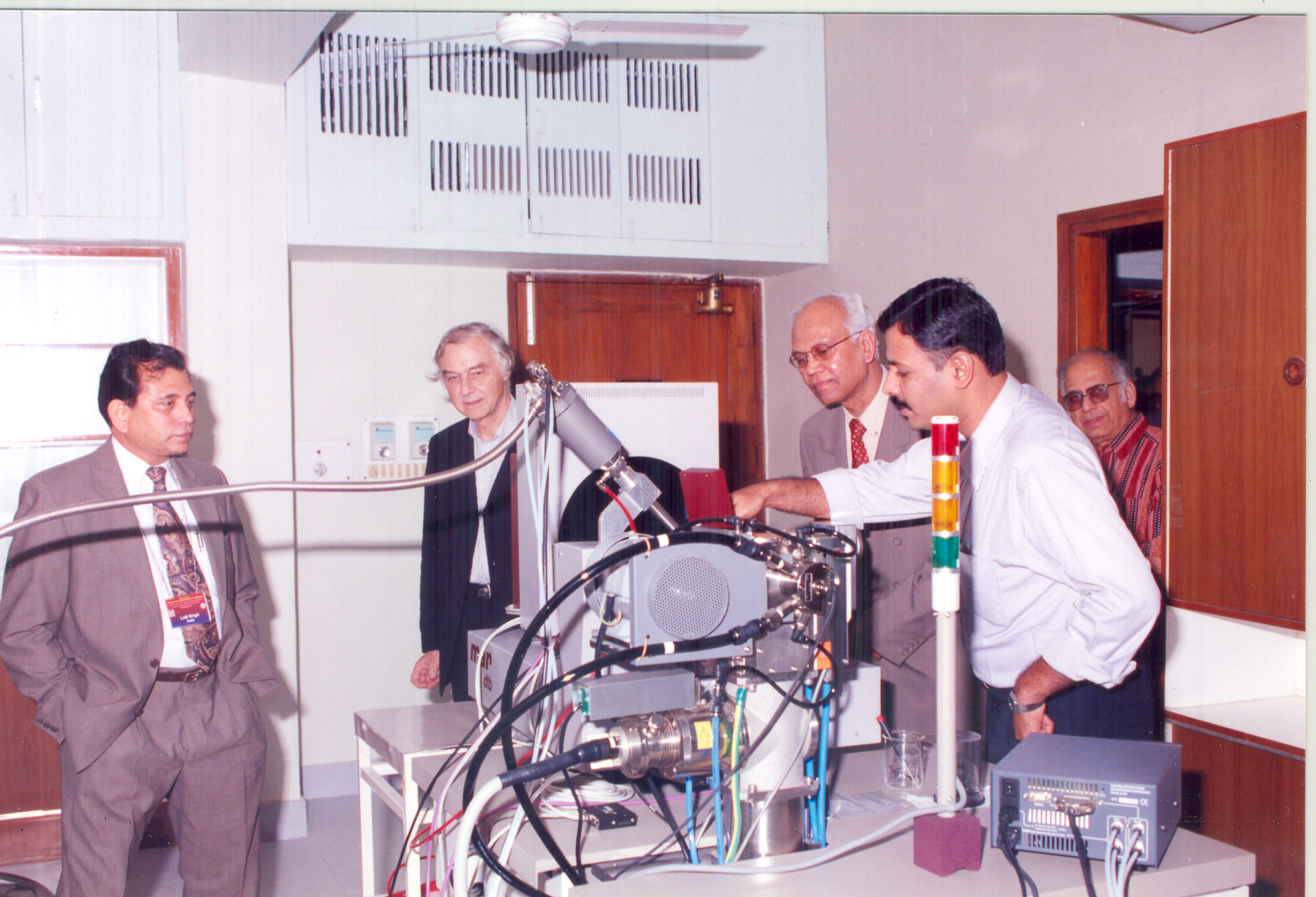
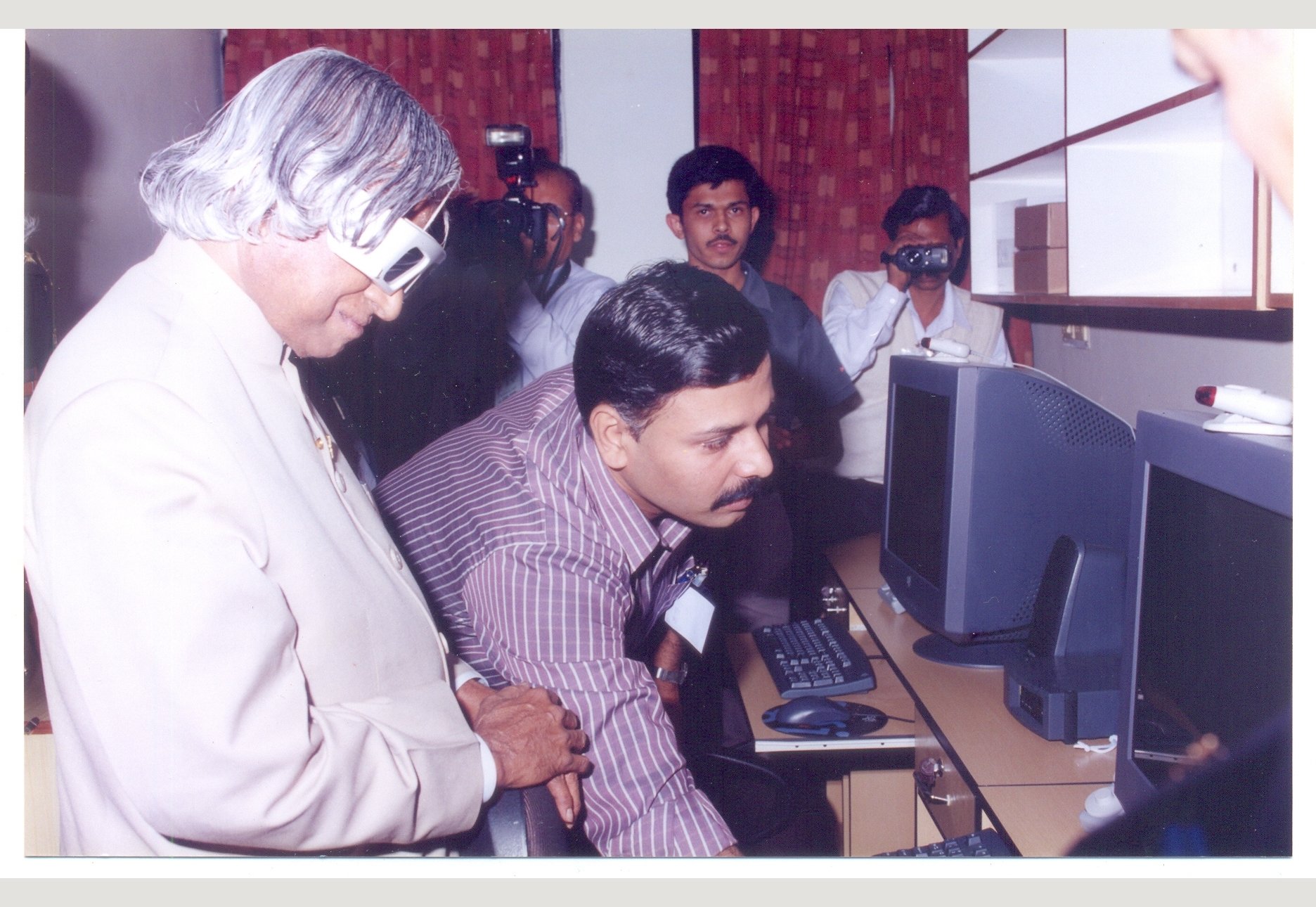
                src="https://cdn.indiabioscience.org/media/articles/SK_DTD_feature-image.png"></a></figure><p dir="ltr">Proteins are the workhorses of living cells, and genes determine how these proteins are faithfully manufactured. Fundamentally, a protein is a string of amino acids (simple organic molecules) arranged in a specific sequence that decides the structure and function of the protein. During protein translation — the process of making proteins — a cell chooses amino acids from a set of twenty chemically distinct ones. Each of them is carried by a specific adaptor molecule called tRNA. Enzymes aid the amino acids in binding to their respective tRNAs. They are then taken to the protein translation site, where they are picked and incorporated into a new protein. </p><p dir="ltr">Sometimes, cells pick the wrong amino acids, as many have only minor chemical differences. But cells also have many proofreading enzymes to correct the mistakes, and such editing abilities have been key to the survival of organisms over millennia. Scientists are actively researching the details of these correction processes. </p><p dir="ltr">Rajan Sankaranarayanan, Outstanding Scientist, <a href="https://indiabioscience.org/orgs/ccmb" target="_blank">CSIR-Centre for Cellular and Molecular Biology</a> (CCMB), Hyderabad, is one of them. As a structural biologist, he studies the structures of enzymes down to their atomic detail and correlates them with their functions in cells. Over the last two decades, he has delved deep into the proofreading and editing enzymes involved in protein translation in bacteria, archaea (the oldest unicellular life forms on earth) and eukaryotes (uni-or- multicellular organisms, evolved from the union of bacterial and archaeal cells). </p><figure><grammarly-extension data-grammarly-shadow-root="true" class="cGcvT"></grammarly-extension><grammarly-extension data-grammarly-shadow-root="true" class="cGcvT"></grammarly-extension><img src="https://cdn.indiabioscience.org/media/articles/SK_Inauguration-of-the-X-ray-diffraction-facility-at-CCMB-in-2002.png" data-image="413308"><figcaption spellcheck="false">Inauguration of the X-ray Diffraction Facility at CCMB, Hyderabad, in 2002. L to R: Lalji Singh, then Director of CCMB; Robert Huber, 1988 Nobel laureate and expert of X-ray diffraction on proteins; RA Mashelkar, then Director-General of CSIR; R Sankaranarayanan; PM Bhargava, Founder Director of CCMB. Photo from CCMB collection </figcaption></figure><p dir="ltr">Sankaranarayanan’s exhaustive work has unravelled a few mysteries of a class of enzymes that play a vital role in the error-free translation of proteins, advancing our knowledge of these life-controlling mechanisms. </p><p dir="ltr">Here is a brief account of his research journey. </p><p dir="ltr"><strong>A serendipitous discovery leads to a deep dive</strong></p><p dir="ltr">In the early 2000s, Sankaranarayanan <a href="https://www.cell.com/fulltext/S0092-8674(00)00191-4" target="_blank">discovered</a> that one of the protein translation enzymes in bacteria performed a dual role: it attached amino acids to their tRNA and corrected the wrong ones (if any). In addition, he found a specific region, called an editing domain, on the enzyme’s molecular structure that was performing the editing function.</p><p dir="ltr">Sankaranarayanan wanted to understand this novel editing mechanism more, so he moved to CCMB in 2002 to start his research group. First, he set up a state-of-the-art X-ray diffraction facility there. Then, the group began making <a href="https://en.wikipedia.org/wiki/Protein_crystallization" target="_blank">crystals</a> of various protein translation and editing molecules and studying their structures. </p><p dir="ltr">When studying a protein translation enzyme in archaea, they found that this enzyme, too, had an editing domain just like in the bacterial enzyme discovered earlier. But the structures of the two were different. Excited, they searched for other enzymes across organisms that might have a structurally similar domain. If they found one, it would give them a clue about the domain’s function. </p><p dir="ltr">The work took an unexpected turn in 2005 when they <a href="https://www.nature.com/articles/nsmb943" target="_blank">found</a> it to be similar to another editing enzyme, called the D-aminoacyl-tRNA Deacylase (DTD) in bacteria.</p><p dir="ltr"><strong>The master selector </strong></p><p dir="ltr">Until then, DTD — a poorly-understood enzyme — was known to be only an amino acid chirality selector. Chirality is a structural feature of amino acids, where the amino acids are found in two mirror-image-like forms, L (for levo) and D (for dextro). Chemically, L and D chiral forms of amino acids are the same, but their 3D molecular arrangements are mirror images of each other. (Just like the structure of our palms). Nineteen amino acids exist in L and D forms except for glycine.</p><p dir="ltr">However, not much experimental evidence of DTD’s functions existed, and scientists were unaware that D-amino acids were present widely inside cells. Over time, reports of D-amino acids’ role as neurotransmitters and hormone regulators came; they were also components of bacterial cell walls and antibiotics, making it clear that cells had copious amounts of D-amino acids but proteins do not contain them. It was evident that cells were fishing out L-amino acids and then incorporating them into proteins.</p><p dir="ltr">Sankaranarayanan thought the likeness in editing domains (in bacterial and archaeal enzymes) hinted that, different organisms used similar mechanisms to remove D-amino acids from tRNA. But the actual enzyme action was in the dark. So, he and his team started looking at crystals of DTD and D-amino acid structures bound to tRNA. </p><p dir="ltr">After screening hundreds of crystals for structure determination, they realized how the two interact.</p><figure><img src="https://cdn.indiabioscience.org/media/articles/SK_APJ-Abdul-Kalam.jpg" data-image="413304"><figcaption spellcheck="false">Sankaranarayanan showing the protein 3D structures to President APJ Abdul Kalam. Photo from CCMB collection</figcaption></figure><p dir="ltr">A <a href="https://elifesciences.org/articles/01519" target="_blank">cleft in the structure of DTD </a> fitted into a matching structure in D-amino acid bound to tRNA. When the two latched, a chemical reaction separated the D-amino acid from the rest of the complex. In contrast, the complex with L-amino acids has a structure that does not fit into the cleft and hence gets selected for protein making. For glycine (the amino acid without chirality), tRNA enters the DTD cleft but stays intact. </p><p dir="ltr">DTD’s fine ability to distinguish between glycine’s tRNA and other amino acids comes from identifying one position on the tRNA – called the <a href="https://elifesciences.org/articles/38232" target="_blank">discriminator base</a>. However, in glycine-tRNA, the discriminator base is structurally different from all other tRNAs and hence, has a separate identity. Thus, Sankaranarayanan deciphered the mechanistic details of how DTD selects one of the mirror images for protein translation in cells.</p><p dir="ltr">“There are other chiral checkpoints too in the protein translation machinery in a cell. But DTD is unique because it selectively rejects binding to L-amino acids; all others known choose binding to L-amino acids,” says Sankaranarayanan. </p><p dir="ltr">By now, it was also evident that every living organism has DTD enzymes. Although they differ structurally, their function is common — to remove D-amino acids from the selection. Sankaranarayanan’s team saw enough examples to infer that DTD and tRNA have co-evolved in unexpected scenarios.</p><p dir="ltr"><strong>The molecule’s multiple roles in the evolution of life</strong></p><p dir="ltr">They found that DTD in eukaryotic organisms evolved from bacterial DTD. The <a href="https://www.science.org/doi/10.1126/sciadv.abj7307" target="_blank">difference</a> lay in their choice of discriminator base on glycine tRNAs. This difference allows the modified bacterial DTD to work with archaeal tRNA. This change in DTD was necessary for protein synthesis in eukaryotic cells formed from the symbiosis of bacteria and archaea.</p><p dir="ltr">As the eukaryotes evolved into multicellular organisms, they noted the chances of <a href="https://www.nature.com/articles/s41467-017-02204-w" target="_blank">mismatch</a> were more between amino acids and tRNAs. Also, they <a href="https://elifesciences.org/articles/58118" target="_blank">found that ATD</a>, an animal-specific DTD-like enzyme, minimized such mistakes. “Evolution of ATD and the start of multicellularity happened around the same time. So, it looks like ATD helped organisms overcome the challenges in protein translation caused by multicellularity,” says Sankaranarayanan. </p><p dir="ltr">In plants, the team found another enzyme called <a href="https://indiabioscience.org/news/2021/study-finds-gene-transfer-from-early-microbes-might-have-helped-the-evolution-of-land-plants" target="_blank">DTD2</a> (which had a different structure). It played the part of DTD, helping the plant roots survive underground in low-oxygen conditions by removing the detrimental effects of acetaldehyde in root cells. Acetaldehyde disrupts protein translation machinery’s function.</p><p dir="ltr">Sankaranarayanan’s studies compelled biologists to think of the role of DTD enzymes in the broader context of evolution. “tRNA is considered important in the evolution of life because it can pick amino acids and build proteins. Our studies now show DTD enzymes have worked with tRNA in key evolutionary steps – for the success of eukaryotes, multicellular organisms and land plants – a feat not known for any other enzyme,” remarks Sankaranarayanan. </p><p dir="ltr">LS Shashidhara, Distinguished Professor of Biology and Dean of Research at Ashoka University, Delhi NCR, says: “Sankaranarayanan’s work in protein quality control, with a special focus on chiral selection, is elegant, pathbreaking and qualifies to enter classical textbooks on foundations of biology.”<br></p>
              ]]></content><category term="molecular-biology" label="Molecular Biology" /><category term="research" label="Research" /></entry><entry><title>Diverse communities of bacteria and humans – lessons learnt</title><link
                  rel="alternate"
                  href="https://indiabioscience.org/columns/general-science/diverse-communities-of-bacteria-and-humans-lessons-learnt"
                  type="text/html"
                  /><summary type="html"><![CDATA[
                <p>Do bacteria derive benefits by living in diverse communities? How is this important for ecological balance? <a href="https://www.linkedin.com/in/jithin-s-sunny-116a71129/">Jithin Sunny</a>, a PhD scholar in the Department of Biotechnology, SRM Institute of Science and Technology, Kattankulathur, Tamil Nadu, has often wondered about the philosophical takeaways from his research on bacterial population study. Together with <a href="https://sites.google.com/view/binssebastian/">Bins Sebastian</a>, assistant professor in the Department of Philosophy, Madras Christian College, Chennai, he discusses a vital question ‘Can an invisible yet significant group of living organisms give us lessons on our society and the interactions within?’</p>              ]]></summary><id>tag:indiabioscience.org,2022-02-14:/columns/general-science/diverse-communities-of-bacteria-and-humans-lessons-learnt</id><published>2022-02-14T12:30:00+05:30</published><updated>2022-02-14T12:34:07+05:30</updated><author><name>Jithin Sunny</name><uri>https://indiabioscience.org/authors/8XNQKeb8eZ1oy6l</uri></author><content type="html"><![CDATA[
                
<p>Do bacteria derive benefits by living in diverse communities? How is this important for ecological balance? <a href="https://www.linkedin.com/in/jithin-s-sunny-116a71129/">Jithin Sunny</a>, a PhD scholar in the Department of Biotechnology, SRM Institute of Science and Technology, Kattankulathur, Tamil Nadu, has often wondered about the philosophical takeaways from his research on bacterial population study. Together with <a href="https://sites.google.com/view/binssebastian/">Bins Sebastian</a>, assistant professor in the Department of Philosophy, Madras Christian College, Chennai, he discusses a vital question ‘Can an invisible yet significant group of living organisms give us lessons on our society and the interactions within?’</p><figure><a href="https://indiabioscience.org/columns/general-science/diverse-communities-of-bacteria-and-humans-lessons-learnt"><img
                width="720"
                height="440"
                style="max-width: 100%; height: auto"
                src="https://cdn.indiabioscience.org/media/articles/Bacteria.png"></a></figure><p><strong>What is a community?</strong></p><p>A community is a group of co-occurring and interacting species at a given time and place. It is a dynamic entity, with members interacting within the population as well as with their surroundings. A community has some <a href="https://www.yourarticlelibrary.com/society/13-most-important-characteristics-or-elements-of-community/6231">chief characteristic elements</a>. It comprises a group of individuals, has a defined boundary, has a level of similarity amongst the members, uses various communication methods, and possesses skills and resources that can be utilised by its members. </p><p><strong>Behaviours in a bacterial community</strong></p><p>The qualities of a community also apply to bacterial communities. Bacterial species are the most diverse organisms. They are found everywhere, even in the most extreme environments such as glaciers, ice caps, thermal springs, hydrothermal vents, and ocean floors. Bacterial species are <a href="https://www.sciencedirect.com/science/article/pii/S151783821631036X">rarely</a> found in isolation. Often, they survive as part of a population which comprises multiple species. Interactions occur between various species through <a href="https://bmcsystbiol.biomedcentral.com/articles/10.1186/s12918-015-0188-5">behaviours</a> such as neutralism, commensalism, amensalism, mutualism, parasitism, and competition. Years of co-evolution has led to a large variety of these relationships.</p><p>These interactions have been <a href="https://bmcsystbiol.biomedcentral.com/articles/10.1186/s12918-015-0188-5">studied</a> in a pairwise setup. However, a stable community is the result of all the collective behaviours. In other words, the aggregate activity of individual cells determines the ability of a community to accomplish a particular function. It is a very difficult process to observe community dynamics in real time. However, computer simulations have often been performed on two-species systems, which have shed light on changes in population structures. Under identical parameter conditions such as nutrients and space, it has been observed that behaviours such as neutralism and mutualism show balanced population structures. These so-called symmetrical interactions have almost the same abundance of both species. Co-operation is thus seen as a fundamental requirement in bacterial communities, and such communities can have several positive effects. </p><p><strong>Is a diverse community better?</strong></p><p>The co-operation within a diverse community has far-reaching consequences. Bacterial diversity has proved important for ecological balance. Soil nutrient cycling is important for maintaining crop growth, and studies have shown that diverse bacterial populations are a necessary requirement for a good crop yield. A higher enzyme activity and increased mineralization are some <a href="https://besjournals.onlinelibrary.wiley.com/doi/full/10.1111/1365-2435.12445">characteristics</a> of a bacterial community, which can lead to better plant growth. In fact, a <a href="https://www.sciencedirect.com/science/article/pii/S0013935120313220">study</a> points out that plant species richness is directly proportional to the soil bacterial diversity. A <a href="https://sfamjournals.onlinelibrary.wiley.com/doi/abs/10.1111/j.1462-2920.2005.00695.x">strong relationship</a> exists between bacterial diversity and stability of the environment. The impact of a diverse community on several ecological processes is more significant than previously thought. </p><p>When it comes to human health, research on the positive effects of bacterial diversity has brought out interesting observations. In a recent <a href="https://www.mdpi.com/1420-3049/26/18/5659">study</a> by Rebecca M. Rodriguez et al., a higher bacterial diversity shows correlation with the overall survival of cancer patients. The highly-diverse bacterial community that inhabits our body has a positive effect on inflammation and immune responses. A <a href="https://ashpublications.org/blood/article/124/7/1174/33620/The-effects-of-intestinal-tract-bacterial">study</a> by Ying et al. shows the effect of a diverse community on the mortality rate in hematopoietic stem cell transplantation. A substantial disturbance in these communities can <a href="https://www.sciencedirect.com/science/article/pii/B9780128148495000290">disturb</a> the maintenance of a healthy state and directly increase the risk of diseases. </p><p>Thus, the aggregate of positive interactions in a bacterial community can be seen as beneficial, not only for the community itself but also the surroundings it interacts with. </p><p><strong>Our takeaway </strong></p><p>The observations from these micro-level environments can be representative of higher order functioning. Our understanding of community functioning leads us to believe that ‘diversity’ can be an innate social virtue and perhaps bacterial communities are not the only ones benefiting from it. </p><p><strong>What exactly is the benefit?</strong></p><p>Similar to bacteria, humans too have inherited many traits, leading to the current social structure. <a href="https://www.ncbi.nlm.nih.gov/pmc/articles/PMC2781880/">Studies</a> show that in the last one million years, humans have evolved the ability to learn from each other to promote a cumulative society. The natural selection of pro-social motives has built an inclusive architecture. The process of cooperation involves reframing one’s perceptions and thought processes, being open to critiques and alternative explanations, performing better as a moral agent, and being tolerant and peace-loving in challenging situations. This can be seen from the fact that humans spend a great amount of time and energy in coping with challenging emotions and challenging others. It helps (in an ideal set-up, it should) individuals to become better persons – intellectually and morally (by practicing and cultivating virtues). In comparison, in a homogenous society, there would be less number of such challenges and hence, less scope for improvement. </p><p>This is similar to results from studies on micro-level cooperative traits in bacterial populations. In this regard, there are many lessons yet to be learned from our microscopic friends.</p>
              ]]></content><category term="research" label="Research" /><category term="interdisciplinarity" label="Interdisciplinarity" /></entry><entry><title>Free-floating DNA in precision medicine</title><link
                  rel="alternate"
                  href="https://indiabioscience.org/columns/general-science/free-floating-dna-in-precision-medicine"
                  type="text/html"
                  /><summary type="html"><![CDATA[
                <p>The levels of nucleic acids are enhanced in the blood of individuals affected by certain diseases. This understanding can be used for non-invasive diagnosis of neurodegenerative diseases, cancers, genetic conditions in the fetus, and neurological disorders. In this article, Ambika Kurbet gives an overview of the use of cell-free circulating DNA in diagnosis.</p>              ]]></summary><id>tag:indiabioscience.org,2022-01-10:/columns/general-science/free-floating-dna-in-precision-medicine</id><published>2022-01-10T00:30:00+05:30</published><updated>2022-01-10T10:00:01+05:30</updated><author><name>Ambika Kurbet</name><uri>https://indiabioscience.org/authors/Pl0y1Nm0mBKpo3d</uri></author><content type="html"><![CDATA[
                
<p>The levels of nucleic acids are enhanced in the blood of individuals affected by certain diseases. This understanding can be used for non-invasive diagnosis of neurodegenerative diseases, cancers, genetic conditions in the fetus, and neurological disorders. In this article, Ambika Kurbet gives an overview of the use of cell-free circulating DNA in diagnosis.</p><figure><a href="https://indiabioscience.org/columns/general-science/free-floating-dna-in-precision-medicine"><img
                width="720"
                height="439"
                style="max-width: 100%; height: auto"
                src="https://cdn.indiabioscience.org/media/articles/Ambika.png"></a></figure><p>Early morning on a Sunday, my grandfather went for a walk. He realized that his right leg was stiffer and less flexible when he wanted to move fast. He has been suffering from this condition for quite a long time. He became very tired and returned home worrying about his problem. He was confused about whom to approach for getting it screened and diagnosed. We consulted doctors, who suspected arthritic joint disease – a type of autoimmune disease. They based their diagnosis on a recent, advanced diagnostic method that uses cell-free circulating deoxyribonucleic acid (DNA) in the blood.</p><p>Diagnosis, using such cell-free molecules, is non-invasive. Neurodegenerative diseases and cancers can be detected using this technique even before the onset, primarily by using blood samples. An interesting <a href="https://pubmed.ncbi.nlm.nih.gov/21329459/">study</a> by Vishnu Swarup and team from the All India Institute of Medical Sciences, New Delhi discovered that in Friedreich's ataxia, which is a type of neurodegenerative disease, there was a three-fold increase in the plasma DNA levels in suspected individuals compared to the normal category. This reinforces the fact that these cell-free DNA molecules are crucial biomarkers.</p><p>The novel discoveries of many years of effort by researchers have played a pivotal role in revolutionizing advanced diagnostic techniques. Multiple groups of scientists have <a href="https://www.frontiersin.org/articles/10.3389/fgene.2020.00844/full">demonstrated</a> that the levels of nucleic acids such as DNA, ribonucleic acid (RNA), micro RNAs (miRNAs), mitochondrial RNAs and long non-coding RNAs are enhanced in the blood of affected individuals. These molecules, referred to as cell-free DNAs and RNAs, are not detected in healthy tissues.</p><p>Often, these nucleic acids are modified by the addition of specific molecules (called methyl marks) on their surfaces. These are like crowns on the king and queen that visually signify their importance. This is scientifically termed as epigenetic modification. Adding an extra methyl group to DNA on specific genes regulates the protein expression, resulting in altered levels of proteins in the tissues. The addition of methyl groups is performed by an enzyme known as DNA methyl transferase (DNMT) present inside the nucleus of the cell where DNA is located. Specifically, the cytosine (C) base of DNA gets <a href="https://www.ncbi.nlm.nih.gov/pmc/articles/PMC6322410/">modified into different forms</a> such as 5-methylcytosine (5mC), 5-hydroxymethylcytosine (5hmC), 5-formylcytosine (5fC) and 5-carboxylcytosine (5caC). The type of modification varies based on the tissue of origin and the type of disease. Based on this, the severity of the disease is known and accordingly, the treatment regimen can be planned for patients.</p><p>The methyl marks on DNA surfaces are identified using laboratory-based assays such as methylLight, methyl-specific polymerase chain reaction (PCR), methylation-sensitive high-resolution melting and MIRA (methylated CpG island recovery assay). Here, DNA is isolated from the collected tissue sample and subjected to PCR following bisulfite treatment. This treatment can only convert unmethylated cytosine in DNA to uracil (one of the four nucleobases in the nucleic acid RNA). The regions that are methylated remain unchanged during PCR-based sequencing and can be easily detected. In methylLight, which is a fluorescence-based technique, methylation-specific fluorescent antibodies are used to detect modified DNA marks. Such techniques have resulted in ease of diagnosis for health care providers, which ultimately help in efficient disease management. </p><p>This diagnostic method—using cell-free DNA—has recently shown promise for <a href="https://www.frontiersin.org/articles/10.3389/fgene.2020.00844/full">prenatal diagnosis</a> as well. Such diagnosis is important in detecting early signs of abnormal pregnancy, including genetic diseases such as Down’s syndrome, Edward’s syndrome and Turner’s syndrome. <a href="https://pubmed.ncbi.nlm.nih.gov/19650061/">Fetal-specific DNA marks</a> can be easily distinguished, even though maternal blood is used for clinical testing.</p><p>In addition to autoimmune diseases and prenatal diagnosis, the method can be used to diagnose diabetes, inflammation, stroke, trauma, neurological disorders such as Alzheimer’s and Parkinson’s diseases, mitochondrial disorders and metabolic syndromes. Moreover, with the advancement in technologies such as artificial intelligence and machine learning, large-scale data-rich repositories such as The Cancer Genome Atlas (TCGA), BLUEPRINT, and the Encyclopedia of DNA Elements (ENCODE) provide the necessary computational platforms to support relevant diagnostic techniques. These tools and databases will help the future growth of precision medicine and personalized care for patients. The simultaneous developments in molecular diagnostics and disease-specific database repositories will benefit the healthcare system, ultimately creating patient awareness for early prevention and healthy living.</p>
              ]]></content><category term="molecular-biology" label="Molecular Biology" /><category term="research" label="Research" /></entry></feed>