<?xml version="1.0" encoding="UTF-8"?><feed xmlns="http://www.w3.org/2005/Atom" xml:lang="en"><title>IndiaBioscience - Exploring Science from 2016</title><link
    rel="alternate"
    href="https://indiabioscience.org/columns/general-science/2016"
    type="text/html"
    /><link
    rel="self"
    href="https://indiabioscience.org/columns/general-science/2016/feed"
    type="application/atom+xml"
    /><id>https://indiabioscience.org/columns/general-science/2016/feed</id><updated>2026-06-18T10:23:47+05:30</updated><entry><title>Curiosity, crystals, cockroaches</title><link
                  rel="alternate"
                  href="https://indiabioscience.org/columns/general-science/curiosity-crystals-cockroaches"
                  type="text/html"
                  /><summary type="html"><![CDATA[
                <p>Behind the now-popular story of cockroach milk are ten years' of efforts by researchers to decode the structure of heterogeneous protein micro-crystals taken from the roaches' guts—a technologically difficult exercise that has never been done before. </p>              ]]></summary><id>tag:indiabioscience.org,2016-08-02:/columns/general-science/curiosity-crystals-cockroaches</id><published>2016-08-02T11:59:00+05:30</published><updated>2019-05-09T21:57:57+05:30</updated><author><name>Harini Barath</name><uri>https://indiabioscience.org/authors/harinibarath</uri></author><content type="html"><![CDATA[


              <figure><span class="embed-youtube occupy"><iframe width="1200" height="900" src="https://www.youtube.com/embed/mu0vtRZMuIM?feature=oembed" frameborder="0" allow="accelerometer; autoplay; clipboard-write; encrypted-media; gyroscope; picture-in-picture; web-share" referrerpolicy="strict-origin-when-cross-origin" allowfullscreen title="Crystals spill out from the gut of an embryonic cockroach"></iframe><span class="hidden" itemprop="contentUrl">
            https://youtu.be/mu0vtRZMuIM
          </span></span></figure><p>The phone in S Ramaswamy’s office at the <a href="https://indiabioscience.org/orgs/instem" target="_blank">Institute for Stem Cell Biology and Regenerative Medicine</a> (inStem) has been ringing off the hook. “Normally no-one calls my office,” says the Bangalore-based researcher. Ramaswamy had just talked to a TV channel about his recent research breakthrough. As we settle down for the interview, another reporter from a global news service calls to make an appointment for an interview. The story they were interested in has been 10 years in the making—a story that began when a young undergraduate student, Nathan Coussens, observed some crystals in the gut of an unborn Pacific beetle cockroach.</p><p>Commonly found in the landscapes of Hawaii, the Pacific beetle cockroach (<em>Diploptera punctata</em>) is the only known species of viviparous cockroach. This means that it gives birth to living young, not eggs, and the offspring are nourished by the mother in her brood sac. Studied in laboratories for many years now, these roaches have suddenly shot to stardom as the world’s next superfood source, mere weeks after a <a href="http://journals.iucr.org/m/issues/2016/04/00/jt5013/index.html" target="_blank">study</a> published by Ramaswamy and his colleagues in <em>IUCrJ</em>, an open-access journal published by the International Union of Crystallography.</p><p>In the spring of 2006, Nathan Coussens, now a Senior Research Scientist at the National Institutes of Health (NIH), found a specimen of the Pacific beetle cockroach in the laboratory of Barbara Stay, at the University of Iowa. Stay, dubbed by colleagues as ‘Cockroach Lady’, had the largest collection of the world’s cockroaches during her time in Iowa. Coussens’ interest was piqued by the shiny crystals he saw in the gut of the cockroach. Stay had seen these crystals before. Crystals in the gut, when observed, are assumed to be crystals of urea or waste products that crystallise very readily. Coussens, however, had a hunch that these might be different. He took them to Ramaswamy, then a professor in the Department of Biochemistry at the University of Iowa, who studied crystal structures. Coussens put them in the x-ray beam and found, to everyone’s surprise, that these were proteins, not waste.</p><p>“Once we realised these were proteins, we were hooked,” said Ramaswamy, “we wanted to find out what these crystals are, understand the protein. It is actually nontrivial to get crystals grown <em>in vivo</em> (inside a living organism).” Naturally occurring protein crystals are rare—making proteins crystallise is usually a challenge for crystallographers—the researchers wanted to know what about the structure makes these different and understand their function at a molecular level. At 10-20 microns, the crystals were larger than the few known naturally-occurring protein crystals, but small enough to make structure determination using x-rays difficult.</p><p>When nothing is known about the structure of a protein, researchers resort to a nifty trick, one of the oldest in the book, which makes it possible to effectively use x-ray crystallography and solve the structure. One or more heavy atoms are introduced into specific sites in the crystal without disturbing its perfect repeating pattern. But the researchers were unable to incorporate heavy atoms in these crystals. Efforts at preparing the protein crystals for Nuclear Magnetic Resonance (NMR), a different technique for structure determination, also failed. They even wrote a proposal to NASA, who were conducting experiments to see if protein crystals could be grown better in space, to send the cockroaches to space. “We tried a number of interesting things and did it as a fun, really curious project,” said Ramaswamy.</p><p>With Ramaswamy’s move to inStem, Bangalore, the project took a backseat. However, in early 2013, Leonard Chavas, a scientist who had learnt about the project from Ramaswamy, was eager to initiate it again. With his easy access to SOLEIL, a <a href="https://en.wikipedia.org/wiki/Synchrotron" target="_blank">synchrotron</a> facility near Paris, France, where he manages a beam line named PROXIMA1 and heads the HelioBio section, Chavas was uniquely positioned to help solve the technical challenge of determining the structure of proteins contained in the micro crystals. “I work with new x-ray sources called x-ray free electron lasers. Using these x-ray sources, it is possible to work with very difficult samples,” said Chavas.</p><p>The technique that solved the structure is called Sulphur Single-wavelength Anomalous Diffraction (S-SAD). Chavas explains, “When you have difficulties solving a structure, it is good to work with atoms that are easier to see, that are bigger. For that, you need to introduce heavy atoms into the system, but that didn’t work here. However, sulphur is already present in most, if not all, proteins known so far. So if you are able to find a way to get good signal from the sulphur, then you can use it as a pseudo heavy atom that helps you to solve the structure.” His team built a beam line at the Photon Factory, a synchrotron in Japan, which worked at an energy that could “see” the sulphur atoms. However, that was not the only challenge.</p><p>The packing or arrangement of the molecules in the crystal was, in crystallographer speak, space group P1. This, in Chavas’ words, “is the most difficult space group for structure studies because there is no symmetry between molecules.” Before this, no structure in P1 had been solved using S-SAD. “It helped that the crystals were so good. The data was actually very nice,” said Chavas.</p><p>Sanchari Banerjee, a postdoc in Ramaswamy’s lab worked with the team to analyse the data and solve the structure. They learnt that the crystals were unusual in many ways. These crystals were not made up of one protein, but three—they are heterogeneous, not homogeneous. This was so surprising that the researchers had to double-check their results using a second technique called mass spectrometry. “We crystallographers struggle hard in the lab making homogeneous protein samples to get crystals that will diffract well, and here nature has provided us heterogeneous crystals that diffract so well that we can see the atoms they’re made of. This is extremely fascinating,” said Banerjee. </p><p>Bound to these proteins are sugars called glycans and molecules of fat, a combination of molecules akin to milk. The protein-rich liquid food provided by the mother cockroach, the researchers realised, had crystallised in the embryos’ guts, to be always readily available to the quickly growing offspring. The researchers are now busy expressing the protein in the bacteria, <em>E. coli</em>, and in yeast. The scientists, curious as ever, are keener to use the versatility of yeast as a molecular toolbox to learn more about the remarkable crystals, in particular to test whether their theories about what makes them crystallise so readily are accurate.</p><p>During their investigations, the researchers estimated, among other properties of the crystal, the calorific value. They found that “a single crystal is estimated to contain more than three times the energy of an equivalent mass of dairy milk.” The potential of harvesting the crystals as a source of nutrition has triggered tremendous interest in the popular press, many of them tapping into the “ick factor” that food made from cockroaches would provoke. In the last few weeks, the number of articles, TV stories and even Youtube videos “have multiplied like roaches” jokes Ramaswamy. The team will investigate bioengineered yeast as a possible route to producing and developing energy-rich food supplements fit—and more agreeable—for human consumption. Ramaswamy hopes that this well-liked story will also inspire in its wake, popular support for open-ended, basic science. “The message that I’d like people to take away is that curiosity can make breakthrough discoveries,” he enthuses. How likely is it that someone setting out to make an energy-rich food supplement would go looking in a cockroach’s gut?</p>
              ]]></content><category term="biotechnology" label="Biotechnology" /><category term="molecular-biology" label="Molecular Biology" /><category term="biophysics" label="Biophysics" /><category term="research" label="Research" /></entry><entry><title>Biomaterials research in India: from tissue regeneration to drug targeting technology</title><link
                  rel="alternate"
                  href="https://indiabioscience.org/columns/general-science/biomaterials-research-in-india-from-tissue-regeneration-to-drug-targeting-technology"
                  type="text/html"
                  /><summary type="html"><![CDATA[
                <p>Biomaterials research in India has many potential clinical applications, with success stories like a low-cost artificial heart valve developed in 1990. Translating theory into practise, however, still remains a challenge.</p>              ]]></summary><id>tag:indiabioscience.org,2016-05-26:/columns/general-science/biomaterials-research-in-india-from-tissue-regeneration-to-drug-targeting-technology</id><published>2016-05-26T00:00:00+05:30</published><updated>2019-05-09T21:57:56+05:30</updated><author><name>Anjali Vaidya</name><uri>https://indiabioscience.org/authors/AnjaliVaidya</uri></author><content type="html"><![CDATA[


              <figure><a href="https://indiabioscience.org/columns/general-science/biomaterials-research-in-india-from-tissue-regeneration-to-drug-targeting-technology"><img
                width="1800"
                height="1200"
                style="max-width: 100%; height: auto"
                src="https://cdn.indiabioscience.org/media/articles/art_ES_may25_ChitraValve3.jpg"></a></figure><p>We have the means, today, to transplant entire hands: rather than using prosthetics, individuals who lose their limbs can gain new living ones. Such surgery remains very rare, however, and for a good reason: the risks far outweigh the benefits. The immune system is likely to rebel against the foreign object, and long-term global suppression of the immune response is far more damaging to the body than an artificial replacement limb.</p><p>But what if immunosuppressants could target only affected tissue—as and when an immune response flares up? That degree of precision in medical treatment, drugs riding the bloodstream to hone in on a specific destination, has been the subject of science fiction in the past. But drug delivery systems have improved since pioneering work in the field of biomaterials in the 1980s and 1990s. <a href="http://stm.sciencemag.org/content/6/249/249ra110" target="_blank">Recent collaborative work</a>, for example, that included <a href="http://praveenlab.net/index.html" target="_blank">Praveen Vemula</a>'s lab at the <a href="https://indiabioscience.org/orgs/instem" target="_blank">Institute for Stem Cell Biology and Regenerative Medicine</a> (InStem), Bangalore, has improved the success of limb transplants in animals models, by designing immunosuppressant-laden hydrogel packets which selectively degrade upon contact with the inflammation that signals an immune response. The desired effect, says Vemula, is to have something like a tiny pharmacist within the body, doling out medicine as and when required. </p><p>Biomaterials research covers a wide swathe of disciplines and topics, from nanotechnology to immunology to mechanical engineering. The common thread that binds these together is the study of materials that go inside the body, typically for medical reasons. Surprisingly, the influence of materials research on this area is fairly recent. That particular melding of disciplines was <a href="http://www.ibiology.org/ibioseminars/robert-langer-part-2.html" target="_blank">given an initial impetus by Robert Langer</a> in the late 1970s, who saw the potential that his chemical engineering background could have on design questions in medicine. Prior to that, clinicians had come up with inventive design solutions based on what they saw around them: according to Langer, the flexible material used for artificial hearts were initially based on ladies girdles, for example. But Langer tried tackling medical research questions from the perspective of an engineer: what material properties would be most useful, in terms of facilitating drug delivery or the rebuilding of tissues? He <a href="http://www.nature.com/nature/journal/v263/n5580/abs/263797a0.html" target="_blank">designed polymer structures in the late 1970s</a> that allowed, in theory, the slow release of drugs to localised regions of the body—an idea that <a href="http://news.mit.edu/1996/wafer-1002" target="_blank">has been applied</a> in clinical treatment of brain cancer since 1996, and has been built upon by many other labs across the world in the intervening decades. </p><p>For Vemula, the excitement of biomaterials research comes from finding solutions to unmet clinical needs. Having the clinic as the final destination gives an engineering problem specific constraints: the final product must be safe for the human body; it must scale up well to be both cost-effective and amenable to mass-production. “Anything you take from the concept to clinical level takes multiple years and a lot of effort,” he says. Thus one must keep parameters like biocompatibility in mind from the very beginning. It also helps to have a proven “platform technology” which can be modified for application to multiple areas. </p><p><img src="https://cdn.indiabioscience.org/media/articles/art_ES_may2016_EMhydrogel.jpg" alt="Screen-Shot-2016-05-25-at-3.46.18-PM.png" /><br /></p><p>A platform technology that Vemula's lab at inStem uses is a hydrogel that breaks down in the presence of inflammation. A hydrogel is a network of interlinked polymers or of self-assembled small molecules that absorbs water without dissolving within it, maintaining a gel-like, colloidal state between solid and liquid. The permeability of this network can be tweaked, such that drugs embedded inside might be allowed to diffuse out slowly, or not at all. Here, the injected drugs remain dormant in the absence of an external stimulus—in this case, an inflammation-associated enzyme that degrades the encapsulating structure over time.</p><p>Inflammation is a natural response of the body to multiple kinds of environmental insult, but can be damaging if taken to excess. The applications of a drug delivery system that can specifically target excess inflammation are therefore numerous: Vemula's lab is presently working with clinicians towards improving the success of organ transplants, as well as <a href="http://stm.sciencemag.org/content/7/300/300ra128" target="_blank">developing treatments for ulcerative colitis</a>, which involves inflammation of the lining of the digestive tract. They are also working on the treatment of rheumatoid arthritis, which involves periodic, debilitating inflammation of the joints. </p><p>Although biomaterials research is presently growing in India, with multiple labs working on drug delivery systems and tissue regeneration technologies, the field has a much longer history in the country. In 1974, a biomaterials research centre was established at Trivandrum that would ultimately be known as the <a href="https://indiabioscience.org/orgs/sctimst" target="_blank">Sree Chitra Thirunal Institute for Medical Sciences and Technology</a> (SCTIMST). The institute's first director was <a href="http://www.currentscience.ac.in/volumes/106/09/1315.pdf" target="_blank">M. S. Valiathan</a>, a protege of surgeon Charles Hufnagel, who had in 1952 implanted the first successful artificial heart valve in a human. <a href="http://link.springer.com/article/10.1007/bf02744023" target="_blank">Valiathan worked with others</a> at SCTIMST to develop a heart valve that would serve as a low-cost alternative to foreign imports, and spent twelve years working through multiple iterations with different materials. By 1990, the team developed what is now called the <a href="http://www.ttkhealthcare.com/heart_valve.htm">TTK Chitra Heart Valve</a>, still used today. <a href="http://www.sctimst.ac.in/about%20sctimst/organisation/biomedical%20technology%20wing/r%20&amp;%20d%20activities/technologies%20transferred/" target="_blank">Other devices developed since the 1980s</a> have included a PVC blood bag, a membrane oxygenator that can be used during open heart surgeries, and a hydrocephalus shunt that can be used to drain excess cerebrospinal fluids. </p><p>The diverse kinds of research that have emerged from SCTIMST demonstrate the tricky collaborations required for translating biomaterials research into practical applications. These collaborations are cross-disciplinary to begin with, between researchers sharing insights from separate specialities, but also involve close work with clinicians and finally link-ups with industries capable of marketing and mass-production. <a href="http://www.sctimst.ac.in/about%20sctimst/departments%20and%20divisions/biomedical%20technology%20wing/bioceramic%20laboratory/faculty/loadprofile.php?hideecode=1436&amp;hideecode_s=1&amp;hidename=dr.+harikrishna+varma+p.+r.&amp;hidedeptid=910" target="_blank">Harikrishna Varma</a>, who works at SCTIMST on developing bone graft materials from synthetic calcium phosphates, emphasises that his research is always focused on its ultimate use in the clinic. “You have to work closely with [clinicians], and [see] what type of things they require,” he says. </p><p>Collaboration across widely disparate disciplines does not come naturally to all researchers, however, let alone working together with clinicians and people in industry. “Each step is a completely new way of working,” explains Vemula. “It will keep pushing you out of your comfort zone.” The key to successful translational research is to find the right people to work with, he says, and accept from the start that no one person can be an expert on all topics. Vemula's lab works together now with clinicians at AIIMS and CMC Vellore, as well as with several other labs in the US and Switzerland. The ecosystem for scientists who would like to do translational research in India has improved vastly in the last decade, according to Vemula—at least in pockets—with specialised schemes such as <a href="https://indiabioscience.org/orgs/birac" target="_blank">BIRAC</a>, developed by the <a href="https://indiabioscience.org/orgs/dbt" target="_blank">Department of BioTechnology</a> (DBT). </p><p>But those pockets may be isolated. <a href="http://web.iitd.ac.in/~sghosh08" target="_blank">Sourabh Ghosh</a>, who researches silk-based tissue engineering at <a href="https://indiabioscience.org/orgs/iitd" target="_blank">IIT Delhi</a>, points out that the system in India could be made more streamlined and transparent. Someone just starting out may have difficulty navigating the rules and regulations that lie between developing a technology in the lab and actually seeing it reach human trials, let alone bear fruit in the clinic. The process can take decades, points out Ghosh. In one case, a male infertility gel developed at IIT Delhi by Prof Sujoy Guha has taken thirty years to progress from initial research to the completion of human clinical trials. And in the end, clinics in India may continue to prefer more expensive devices imported from abroad. “The Chitra Heart Valve is a fantastic example of a biomaterial developed in India,” says Ghosh. However, he has spoken to doctors in Delhi who are telling patients to purchase expensive heart valves from Germany and the UK. Ghosh says that stronger links between research, industry and clinics are required. </p><p>In the meantime, the research side of biomaterials is growing in India, expanding technologies that could be platforms for new applications in the future. Kaushik Chatterjee at the <a href="https://indiabioscience.org/orgs/iisc" target="_blank">Indian Institute of Science</a> (IISc), Bangalore works on developing new materials for orthopaedics: materials that could be used to replace joints or fix fractures on the one hand, or that could serve as a scaffold for bone tissue to regrow on the other. If a section of the skeletal structure is lost or needs to be strengthened, one option is to augment it: with a bone-like ceramic material, as in Harikrishna Varma's lab, or with a strong, biocompatible metal like titanium, in Chatterjee's lab. </p><p>Another option, explains Chatterjee, is to create a porous scaffold that mimics the lost structure in shape, and which slowly degrades as cells grow around it. Here, again, one has a complex materials problem: depending on the tissue, the material must be strong enough to be load-bearing and malleable enough that it can take a prescribed shape, with an internal fibrous structure that encourages stem cell growth while discouraging bacteria. The materials must degrade at a rate that matches tissue regeneration, with degradation products that enter the rest of the body without negative effects. </p><p>“You want it tailored,” says Chatterjee, “so we constantly work on new polymers.” One strategy that his lab uses is to develop vegetable oil-based polymers, with the idea that these are more likely to be non-toxic. The material can then be shaped in multiple ways, including 3D printing. </p><p>The field of tissue engineering has far to go, however, emphasises Chatterjee. Today, clinical applications are restricted to skin grafts, due to their relative structural simplicity. But non-clinical applications also exist. Sourabh Ghosh's lab is working to adapt their tissue engineering research to develop 3D bioprinted in vitro disease model systems that can be used for medical research. Such model systems could potentially speed up medical research by producing immediate results that are applicable to humans, while making animal models unnecessary. Ghosh's lab is working with pharmaceutical companies to develop micro-environments for drug testing that mimic osteoarthritis, as well as the skin autoimmune disorder, psoriasis. The lab is also working with Indian cosmetics companies that are searching for alternatives to animal models. Again, this is a nascent field: “In the future, maybe we can also make patient-specific disease model systems by 3D bioprinting,” says Ghosh. </p><p>Vemula feels that translational research has grown more feasible in India in recent years thanks largely to a change in mindset, and to bold steps taken by science and administration leaders. “A decade back, an academician forming a company and taking this further was almost taboo. But now it is a much more welcoming situation where there are many academicians encouraged to take their technologies forward and partner with industries.” The right infrastructure to convert research into practical applications may still only exist in islands, but it has the potential to grow.</p>
              ]]></content><category term="health-and-medicine" label="Health &amp; Medicine" /><category term="biotechnology" label="Biotechnology" /></entry><entry><title>Open Source Synthetic Biology for (Not Just) Undergraduates </title><link
                  rel="alternate"
                  href="https://indiabioscience.org/columns/general-science/open-source-synthetic-biology-for-not-just-undergraduates"
                  type="text/html"
                  /><summary type="html"><![CDATA[
                <p>Chaitanya Athale, Associate Professor at <a href="https://indiabioscience.org/orgs/iiser-pune" target="_blank" rel="noreferrer noopener">IISER Pune</a>, shares his experience as a mentor to a team that participated in iGEM 2015, an international competition for students interested in the field of synthetic biology.</p>              ]]></summary><id>tag:indiabioscience.org,2016-03-17:/columns/general-science/open-source-synthetic-biology-for-not-just-undergraduates</id><published>2016-03-17T15:58:00+05:30</published><updated>2019-05-09T21:57:53+05:30</updated><author><name>Chaitanya Athale</name><uri>https://indiabioscience.org/authors/cathale</uri></author><content type="html"><![CDATA[
                
<p>iGEM—an opportunity for team members to experience the entire cycle of research from conceptualisation, through fund-raising, implementation and peer reviewing of the results.</p><figure><a href="https://indiabioscience.org/columns/general-science/open-source-synthetic-biology-for-not-just-undergraduates"><img
                width="384"
                height="288"
                style="max-width: 100%; height: auto"
                src="https://cdn.indiabioscience.org/media/articles/art_ES_mar2016_igem-iiserp-plates.jpg"></a></figure><p>The genetic principle is arguably unique to biology in the natural sciences. As a result, the closest analogy in terms of general principles of biological function often borrows from engineering. In this view, biological systems have a memory module, implemented in nucleic acid chemistry. The information stored in this (usually DNA based) memory is both in terms of how to make more of the memory module (replication) and how to build and maintain the machinery (transcription, translation). At a higher level of integration, the machinery has information encoded in it, which allows it to interact with other components. This forms many complex, inter-related `devices’ that can sense, respond and perform specific functions (all of cellular physiology). Seen from this perspective, cells are comparable to a complex machine which functions as an adaptive, self-repairing and self-replicating robot. It is not coincidence that despite the sophistication that engineering has achieved, it has still not come close to achieving the ability to manufacture devices from the molecule upwards, and with this degree of functionality. This, at the base, is the premise of the <a href="http://igem.org/Main_Page" target="_blank">International Genetically Engineered Machines (iGEM) competition</a>. </p><p>Begun as an unstructured learning class—<a href="http://www.apple.com" target="_blank">the independent activity period</a> (IAP) at the Massachusetts Institute of Technology (MIT) in Boston, USA—it has grown in proportion to be the most popular (but not the only) synthetic biology contest directed at undergraduates. With its emphasis on real-world problem solving using synthetic biology with a combination of experiments and theory, it has also resulted in some of the results being spun off into start-up companies. In <a href="http://2015.igem.org/Main_Page" target="_blank">2015</a> alone, 280 teams from around the world participated in the contest. </p><p><strong>What is iGEM and how does it work? </strong></p><p>The contest is framed in the mode of a team project involving group-work. Each group needs to be supervised by a principal investigator (PI). Typically groups consist of between 5-15 undergraduates, 1-3 PhD student or postdoctoral supervisors and 1-3 PIs with a record of scientific peer-reviewed publications. A lab to host and facilitate the group can simply be space made in one of the PIs labs or space permitting, even a specialized undergrad lab can be put at the disposal of the team. The PI is typically an independent researcher or professor at some stage. The job of the supervisor is to guarantee the authenticity of the work, its ethical conformity and scientific quality. This is over and above the more practical needs of being able to provide for resources of a standard molecular biology lab—cell culture facilities for bacterial or other organisms such as incubator and laminar air hood, cold storage, and standard molecular biology lab equipment such as PCR machines, centrifuges, glass- and plastic-ware, reagents and standard biochemical reagents. Typically, supervision by more than one PI can help to both engender diversity of thought and spread the supervisory workload. Additionally, PIs typically bring the competence of their trained postdoctoral scholars or PhD students to bear in assisting with the day-to-day supervision of the team. This is in particular essential when team members are inexperienced in working in a research lab, especially with gene cloning and expression. Lest I however leave you with the impression of a `top-down’ approach, many alternative models exist. For instance, students with a concrete idea and a team could just as well approach a PI and propose a concrete project, or the entire exercise could even be conducted as a course within the structure of a college or university.</p><p>The process of fund-raising for additional reagents and resources depends on the creativity of the PI and sometimes even the team members as seen with the <a href="http://www.apple.com" target="_blank">recent efforts at crowd sourcing by an iGEM team</a>. This mode of relying on public charity is however more likely to occur when the work is conducted in a DIY environment. The dangers of genetic engineering without proper management of the inputs and waste products can, however, be a serious issue, yet to be clearly addressed by the community. 2015 saw another first—a presentation by the Federal Bureau of Investigation (FBI), USA on the <a href="http://igem.org/Security" target="_blank">safety aspects of synthetic biology</a>. The reason for this equivalent of the Central Bureau of Investigation (CBI) in India to address an international audience stems from multiple fears in the recent past of directed pathogen development by 'freelance’ researchers, ending up in the wrong hands. So as the Linux dictum (borrowed from Spiderman) goes “With great power comes great responsibility”, the project does demand a sense of responsible working. </p><p><strong>What was our experience participating in iGEM 2015?</strong></p><p>As the team leader and supervisor, it was a hectic summer, which culminated in many last-minute experimental trouble-shooting sessions. Guest lectures from investigators working in aspects of molecular microbiology and genetic engineering for therapeutics helped in the initial stages of project preparation. An intense two months of brainstorming allowed the team to narrow down a feasible, interesting and relevant problem to solve- in our case relating to <a href="http://2015.igem.org/Team:IISER_Pune" target="_blank">tuberculosis diagnostics</a>. In the end, the intensity of the effort and the enthusiasm of the team members, and their willingness to put in that extra bit, brought both some interesting results to light and allowed all of us to see the benefits of time-bound target driven undergraduate research. The results were also posted on social media platforms (e.g.: <a href="https://www.facebook.com/igemiiserpune/" target="_blank">Facebook</a> and <a href="http://2015.igem.org/Team:IISER_Pune" target="_blank">Twitter</a>) and have a <a href="http://2015.igem.org/Team:IISER_Pune" target="_blank">permanent web presence</a>. Additionally, our team participated as a warm-up exercise, in the reproducibility study- the InterLab measurement. </p><p>Fund-raising is an aspect that requires a section of its own. In our experience, companies that manufacture specialty biochemicals and instruments (Merck and Eppendorf) were generous in supporting our team, when approached. Additionally many companies such as MATLAB and IDT provide sponsorship in kind— software and DNA sequences respectively. However, students approaching potential donors did not achieve the desired results, mostly due to their need to see an official tone to the project, and the (understandable) need to hold somebody accountable. The Department of Biotechnology, Government of India, based on a grant proposal by this author, provided timely and generous support, without which much of the project would never have been completed. The lesson there was that fund-raising is not a linear process. A flexible approach to budgets, approaching potential sponsors and a lot of adjusting of budget and expectations is advised. Asking for funding for a high-risk project (with low probability of success) for a short period of time and conducted with students who are in training can be a difficult case to make. So what are the potential benefits to the donors? The obvious attraction is exposure at the biggest international platform in synthetic biology. Additionally, the visible support for local training of research students is part of the corporate social responsibility (CSR) of many corporations. The bonus can come from actual success in possibly developing and prototyping technology, which could be applied to solve a real world problem. The delays in shipment due to miscommunication about customs paperwork did cost us two weeks, but these were only one-time hiccups in an otherwise smooth shipment process from both ends—to us from iGEM foundation and from us to submit the final <a href="http://parts.igem.org/Help:An_Introduction_to_BioBricks">BioBricks</a> to Boston. Certainly receiving the package of multiple DNA parts from iGEM to begin our project was the most exciting start-point, converting the abstract emails and fund transfers into tangible DNA sequences, which could be made to do something! And finally contributing parts at the end of the contest left most of us with a deep sense of fulfilment, at having become a part of a global effort.</p><p>As a prelude to the Giant Jamboree in Boston, the team presented its results at the <a href="http://2015.igem.org/Meetups/NCTU_Formosa/introduction" target="_blank">Asia Meetup organized by NCTU based in Taiwan</a>, through a real-time web-presentation. We also hosted the first <a href="http://2015.igem.org/Team:IISER_Pune/Collaborations">India Meetup</a> in IISER Pune. Both these provided valuable opportunities to take stock and prepare the team in the run-up to the finale in Boston. The Jamboree itself is divided into many parallel sessions and selection was in a tournament style for the final round. </p><p><strong>What do participants gain?</strong></p><p>It goes without saying that successful participation in iGEM demands hard work, logistics, planning, creative thinking, web designing, project management and team-work. These and the sheer joy of doing exciting science, make iGEM an attractive project option. For those fortunate enough to be selected to travel to Boston, USA, this is a remarkable opportunity—everybody from Google down to small startup firms and labs are present in strength. Matching wits with the best of the world is a bonus. Working within submission deadlines, familiar to most students, ensures that unlike many research projects, time to achieve work targets is finite. At the same time, it offers an opportunity for participants to expand their own skill base and work within the framework of international standards—a fabulous hands-on training opportunity for every participant. Through groups on Facebook, initiatives to look at projects from a novel angle and other surveys, technical and other help is always at hand from iGEM teams. In that sense, the competition is less of a simple us vs. them exercise, but more global community effort. More recently (2015 onwards), as a result of a tie-up between iGEM and the journal PLOS ONE, all work presented at the iGEM contest can also be submitted to PLOS ONE either as a part of <a href="http://blogs.plos.org/collections/plos-igem-collection/" target="_blank">PLOS Collections Blog</a>, or if the results are sufficiently novel even as a Research Article to the journal PLOS ONE. While the regular criteria for submission and stringent anonymous peer review will be followed for <a href="http://journals.plos.org/plosone/s/criteria-for-publication" target="_blank">Research Reports submitted to PLOS ONE</a>, for the PLOS Collections Blog, the reports will be reviewed through an open review process. The latter is a novel attempt at an alternative to the single blind anonymous peer-review process. Thus, iGEM provides an opportunity for team members to experience the entire cycle of research from conceptualisation, through fund-raising, implementation and peer reviewing of the results. Additionally, by facilitating DNA submission of completed `parts’, it contributes to the effort at Open Source synthetic biology. The contribution to posterity is an added bonus.</p>
              ]]></content><category term="biotechnology" label="Biotechnology" /><category term="personal-experience" label="Personal Experience" /><category term="undergraduate" label="Undergraduate" /></entry><entry><title>Celebrating a hundred years of bacteriophages</title><link
                  rel="alternate"
                  href="https://indiabioscience.org/columns/general-science/celebrating-a-hundred-years-of-bacteriophages"
                  type="text/html"
                  /><summary type="html"><![CDATA[
                <p>Sankar Adhya from NIH, speaking at a special session on <em>100 years of phage discovery</em>, gives a historical overview of “the discoveries and personalities in bacteriophage research”.</p>              ]]></summary><id>tag:indiabioscience.org,2016-01-02:/columns/general-science/celebrating-a-hundred-years-of-bacteriophages</id><published>2016-01-02T09:06:00+05:30</published><updated>2019-05-09T21:57:49+05:30</updated><author><name>Anusha Krishnan</name><uri>https://indiabioscience.org/authors/AnushaKrishnan</uri></author><content type="html"><![CDATA[


              <figure><a href="https://indiabioscience.org/columns/general-science/celebrating-a-hundred-years-of-bacteriophages"><img
                width="405"
                height="288"
                style="max-width: 100%; height: auto"
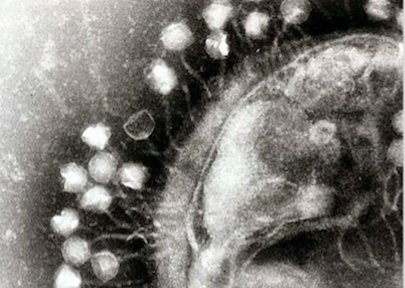
                src="https://cdn.indiabioscience.org/media/articles/art_ES_jan2016_micrograph_phage.jpg"></a></figure><p>Bacteriophages – for the uninitiated – are viruses that are essentially predators of bacteria. Sankar Adhya, Head of the Developmental Genetics Section at the NIH, National Cancer Institute, USA, gave the opening talk at a special session on “100 years of phage discovery” Adhya, who has worked on bacteriophages for almost 50 years began his lecture with a historical overview of what he termed ‘the discoveries and personalities in bacteriophage research’.</p><p>“It all began with F. Twort, of the Brown Institution, who was trying to culture the smallpox virus on bacterial growth medium to obtain ‘non-pathogenic’ strains of the virus for vaccinations”, he said, “and then, there was d’Herelle, who also claimed to be the discoverer of bacteriophages in a paper in 1917”. Unfortunately, history is a bit murky when it comes to who deserves the credit for discovering bacteriophages. Should it be Hankin, who, in 1896, seems to have described the bactericidal action of Ganges water, or Twort, with his vague descriptions of “a minute bacterium, a tiny amoeba, an ultramicroscopic virus, perhaps an enzyme with the power of growth”, or d’Herelle, who did indeed coin the term bacteriophage? What is very interesting, is that d’Herelle also pioneered ‘phage therapy’ against diseases such as cholera, diarrhoea and even plague in India, France, and what was then USSR, before the advent of penicillin antibiotics. </p><p>Through Adhya’s talk, a string of famous names from the history of molecular biology emerged—Delbruck and Luria, Hershey, Joshua and Esther Lederberg, Brenner, Jacob and Monod, Arber, Lwoff, even Watson and Crick. Although this history was not strictly chronological, it did give the audience the feeling that phages were the model organisms that provided insights into some of the most important molecular concepts in biology. The confirmative experiment demonstrating that mutations are random and pre-adaptive was performed by Luria and Delbrück in their famous <a href="https://en.wikipedia.org/wiki/Luria%E2%80%93Delbr%C3%BCck_experiment" target="_blank">fluctuation test</a>. The readout for this test was bacterial resistance (through mutation) to the T1 phage. The <a href="http://profiles.nlm.nih.gov/ps/access/SCBCBJ.pdf" target="_blank">definitive experiments by Hershey and Chase</a> that proved DNA to be the molecular carrier of genetic information also involved bacteriophages. By growing bacteria in media enriched with radio-labelled sulphur (which would be specifically incorporated into proteins) or radio-labelled phosphorous (which would be specifically incorporated into DNA), and then infecting them with T2 phages, Hershey and Chase obtained two unique sets of progeny T2 phages. One set had radio-labelled proteins and the other had radio-labelled DNA. Using these, they were able to show that it was the DNA that entered and infected the bacterial cell to form more phages, hence proving DNA to be the ‘genetic stuff of life’. </p><p>About 10 years after the Hershey-Chase experiment, the discovery of the <a href="http://profiles.nlm.nih.gov/ps/access/SCBCBJ.pdf" target="_blank">triplet nature of codons</a> in the 1960s by Crick, Brenner, Barnett and Watts-Tobin also involved a phage—the T4 bacteriophage. In an autobiographical account, Brenner states that the quartet’s famous discovery came about while they were ‘playing around’ with mutant T4 bacteriophages that were known to have insertion or deletion mutations (arbitrarily named pluses or minuses) in a specific gene. ‘Mixing’ (or recombining) three ‘plus’ mutants or three ‘minus’ mutants could result in normal phages, but mixing 4 or 5 didn’t. This rather nebulous concept of the idea of a ‘triplet code’ using the T4 phage was indisputably confirmed by Nirenberg and Matthaei in a cell-free system in the same year and paved the way towards cracking the genetic code. </p><p>The concept of recombination, the definition of a gene as a cistron, recombination as a mechanism of integration into genomes, the operon model of gene control—the list of biological breakthroughs involving phages simply goes on. The f<a href="https://en.wikipedia.org/wiki/Phi_X_174" target="_blank">irst fully sequenced DNA genome</a> was also that of a phage—the ɸX174 phage (pronounced phi-X-174). This bacteriophage was in some ways, the model organism to usher in the age of synthetic biology since Arthur Kronberg first used it to prove that ‘artificially’ synthesised DNA by purified enzymes and nucleotides could produce all the features of a natural virus. The ɸX174 phage genome was also the first genome to be completely assembled in vitro from synthesised oligonucleotides. </p><p>It feels like bacteriophages have injected their DNA (literally) into every aspect of molecular biology and biotechnology known today. Almost every major discovery or leap of understanding in this field involved phages in some way. The observation by Luria and Human that bacteriophages growing within infected bacteria could be modified such that the growth of subsequent phage progeny in related bacteria were ‘restricted’ was a hallmark discovery. It opened the doors of biology to the world of host-controlled modification, which eventually led to the breakthrough finding of restriction enzymes that could be used for controlled manipulation of DNA. Therefore, the very foundations of genetic engineering essentially rests on the biology of bacteriophage infections. </p><p>After this mildly unordered, yet lively history, the talk turned to current research on bacteriophages. The work discussed at the conference during this session could be broadly classified into two subjects—one, how phages make life-cycle decisions when they first enter their hosts; and the second, the workings of a mechanism that force bacterial hosts to maintain integrated phage genomes. </p><p>When a phage first enters a bacterial cell, it is faced with an important decision: move into the ‘lytic mode’ with massive reproduction and kill the host bacterium, or go into stealth mode with ‘lysogeny', where it quietly inserts its phage DNA into the host’s genome and lies dormant? Although one may think that this is a relatively simple question to answer (based on whether resources in the form of bacterial hosts are abundant or not), the decision is obviously more complex, and can be addressed at several levels. Sandeep Krishna’s group from NCBS explore this question of lytic-lysogenic decision making from the perspective of a predator-prey system, while Adhya’s team address this topic at a more molecular level by examining the DNA-protein interactions during this process. </p><p>Once a phage has made the decision to opt for lysogeny, and the phage integration into the bacterial genome has occurred, some of these intracellular parasites have a devious mechanism (also used by other so-called ‘genomic parasites’) that kill bacterial cells which accidentally lose the phage/parasitic DNA integrated into the bacteria’s genome. This process is driven by a mechanism dubbed the ‘Toxin-Antitoxin’ (TA) system, and is mediated by two genes—one that codes for a stable toxin, and the other, that codes for an unstable antitoxin. The system is also called an addiction module, as once a bacterium gains such a module, it and its subsequent progeny cannot survive without the module. Bacteria that lose their phage-genome insertions containing such modules die because the stable toxin begins its assassination as the relatively unstable antitoxin levels within the bacterium drop. Without the phage genome, the DNA code to create the antitoxin is lost, and these bacteria are selectively culled from the general population. The TA modules have been used in biotechnical and biomedical applications as a method of maintaining plasmids within bacterial hosts without the need for antibiotic pressure for selective maintenance. </p><p>All-in-all, the ‘100 years of bacteriophage research’ session left the impression that even a century spent in probing the inner workings of bacteriophages has not been enough to answer all the questions posed by the abilities of these tiny, ultramicroscopic pieces of life.</p><p><strong>Some interesting reading on the year of the phage</strong></p><p>A hundred years of research on bacteriophages is certainly not going to pass without a celebration honouring the life form and its central role in progressing biology to what it is today. <a href="http://2015phage.org/index.php" target="_blank">The year of the phage website</a> is a must-visit and has some lovely artwork outlining a timeline on phage research. Articles in the journals <a href="http://www.nature.com/nature/journal/v528/n7580/full/528046a.html" target="_blank">Nature</a> and <a href="http://onlinelibrary.wiley.com/doi/10.1002/bies.201400152/abstract" target="_blank">Bioessays</a> and the e-magazine <a href="http://thewire.in/2015/11/26/how-viruses-engineer-their-way-to-bringing-disease-and-also-life-16236/" target="_blank">The Wire</a>, make for pleasant reading and serve to remind us that important, if not always good, things can come in minuscule protein packages.</p>
              ]]></content><category term="microbiology" label="Microbiology" /><category term="science-history" label="Science History" /></entry></feed>