<?xml version="1.0" encoding="UTF-8"?><feed xmlns="http://www.w3.org/2005/Atom" xml:lang="en"><title>IndiaBioscience - SciTales by CCMB</title><link
    rel="alternate"
    href="https://indiabioscience.org/columns/scitales-by-ccmb"
    type="text/html"
    /><link
    rel="self"
    href="https://indiabioscience.org/columns/scitales-by-ccmb/feed"
    type="application/atom+xml"
    /><id>https://indiabioscience.org/columns/scitales-by-ccmb/feed</id><updated>2026-06-19T08:24:39+05:30</updated><entry><title>Are lipids just the boundaries of cells? Fat chance!</title><link
                  rel="alternate"
                  href="https://indiabioscience.org/columns/scitales-by-ccmb/are-lipids-just-the-boundaries-of-cells-fat-chance"
                  type="text/html"
                  /><summary type="html"><![CDATA[
                <p>From the earliest cell membranes to whale echolocation and plant waterproofing, lipids have quietly shaped the evolution of life. This article explores how these versatile molecules enabled containment, communication, adaptation, and survival across diverse organisms, revealing an often-overlooked chemical history that runs alongside the evolution of life itself.<br /></p>              ]]></summary><id>tag:indiabioscience.org,2026-06-04:/columns/scitales-by-ccmb/are-lipids-just-the-boundaries-of-cells-fat-chance</id><published>2026-06-04T10:00:00+05:30</published><updated>2026-05-25T14:57:13+05:30</updated><author><name>Aditya Undru</name><uri>https://indiabioscience.org/authors/gBa9MDDzj0M6j4v</uri></author><content type="html"><![CDATA[
                
<p>From the earliest cell membranes to whale echolocation and plant waterproofing, lipids have quietly shaped the evolution of life. This article explores how these versatile molecules enabled containment, communication, adaptation, and survival across diverse organisms, revealing an often-overlooked chemical history that runs alongside the evolution of life itself.<br /></p><figure><a href="https://indiabioscience.org/columns/scitales-by-ccmb/are-lipids-just-the-boundaries-of-cells-fat-chance"><img
                width="1280"
                height="720"
                style="max-width: 100%; height: auto"
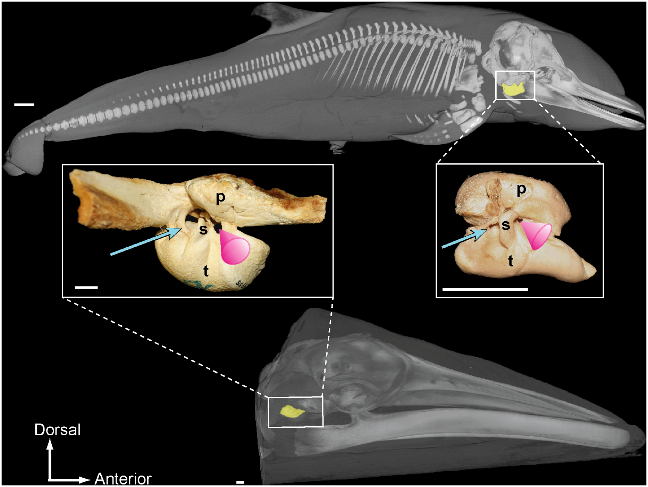
                src="https://cdn.indiabioscience.org/media/articles/WhatsApp-Image-2025-08-04-at-11.51.51_04ce0d28.jpg"></a></figure><p>Any machinery with the best of the designed parts will be damaged due to wear and tear over time. Gears catch, joints stiffen and engines stall unless they are lubricated with oil or grease. It is easy to forget that life, too, needed lubrication to get started.</p><p>In the early history of life, long before genes and proteins took centre stage, lipids may have quietly shaped the very possibility of living systems. <a href="https://link.springer.com/article/10.1007/s00239-011-9428-5" target="_blank" rel="noopener">Certain oily molecules</a>, when placed in water, naturally arrange themselves into bubbles and sheets, forming compartments that can trap other substances inside. These self-organising structures are simple but effective. They offer one of the earliest known solutions to the problem of containment. Life needs a way to keep its chemistry separate from the world outside. Without that, even the most favourable beginnings would simply dissolve away.</p><p>As life evolved, lipids remained central to its workings. But the kinds of lipids that living things use are not all the same. One of the deepest differences among organisms lies in how their cell boundaries are built. Archaea, bacteria and eukaryotes all use lipids, which have a water loving hydrophilic head and a water repelling hydrophobic tail, to form a protective layer around themselves. However, archaeal membranes use chains which are often <a href="https://www.sciencedirect.com/science/article/pii/S0163782723000279" target="_blank" rel="noopener">branched and cyclised</a>while bacteria and eukaryotes use <a href="https://www.mdpi.com/1422-0067/24/21/15693" target="_blank" rel="noopener">straight chain fatty acids</a>. These differences may seem trivial but they come from distinct biosynthetic pathways what cannot be easily switched.</p><figure style="margin-left: auto; margin-right: auto; text-align: center; width: 648px; max-width: 648px;"><img src="https://cdn.indiabioscience.org/media/articles/whale.png" data-image="841086" width="648" height="487"><figcaption style="text-align: center;">CT-based three-dimensional reconstructions of a toothed whale and baleen whale. Yamato and Pyenson (2015)</figcaption></figure><p>These differences go all the way down to the enzymes involved and the raw materials they use. We believe the <a href="https://www.cell.com/trends/biochemical-sciences/fulltext/S0968-0004(04)00157-4" target="_blank" rel="noopener">last universal common ancestor</a> of all life had a kind of mixed membrane, containing both types of lipids, and over time, different groups specialised in one or the other. Interestingly, even though the cells of animals and plants are more closely related to those of archaea, they use the same kind of lipids as bacteria. This is likely because the ancestors of complex cells once absorbed a bacterial partner that provided not just energy but also an extra recipe for building its membranes.</p><p>Lipids, though, do much more than form membranes. Over time, they evolved into an astonishing variety of roles. Some became reservoirs of <a href="https://www.nature.com/articles/s42255-024-01003-0" target="_blank" rel="noopener">stored energy</a>. Others took on <a href="https://www.sciencedirect.com/science/article/pii/S0163782720300527" target="_blank" rel="noopener">signalling duties</a>, helping cells talk to each other or respond to their environment. In animals, lipids became part of thermoregulation, sensory adaptation and <a href="https://onlinelibrary.wiley.com/doi/full/10.1111/brv.12324" target="_blank" rel="noopener">waterproofing</a>. In toothed whales, they took on a particularly striking function called sound shaping. These whales use echolocation to navigate and hunt, and they rely on a region of specialised cranial fat to focus and transmit their clicks. This <a href="https://journals.plos.org/plosone/article?id=10.1371/journal.pone.0118582" target="_blank" rel="noopener">acoustic fat</a> is made from unusual lipids, waxy and branched, layered precisely to conduct sound. Understanding how these lipids work, or how they evolved, <a href="https://onlinelibrary.wiley.com/doi/full/10.1111/mms.13148" target="_blank" rel="noopener">remains difficult</a>. These molecules sit in tissues that are hard to access, and their functions depend on subtle physical interactions with each other that are only just beginning to be mapped.</p><p>Other animals show different innovations. Reptiles and birds, for example, have thick skin that protects them from water loss. This skin contains special lipids that form a kind of barrier. These adaptations allowed their ancestors to move away from water and into <a href="https://onlinelibrary.wiley.com/doi/epdf/10.1002/jez.b.24" target="_blank" rel="noopener">drier habitats</a>. Some of these molecules were once thought to be unique to mammals, but are now known to appear in crocodilians and other reptiles as well. Still, these molecules do not fossilize, so piecing together their history means working backwards from what we find in modern species.</p><p>Plants, meanwhile, adapted differently. Instead of embedding fats within layers of skin, they developed a waxy surface coating made from very <a href="https://www.sciencedirect.com/science/article/pii/S0163782701000133?via%3Dihub" target="_blank" rel="noopener">long-chain molecules</a>, often even longer than those found in animals. While animal skin lipids typically have chains of around sixteen to twenty-four carbon atoms, plant surface lipids can extend beyond thirty, creating a dense, water-resistant layer that protects them from drying out.</p><p>Some algae and simple land plants <a href="https://onlinelibrary.wiley.com/doi/10.1111/tpj.12427" target="_blank" rel="noopener">make compounds</a> that resemble the ones animals use in brain signalling, even though plants do not have the same kinds of receptors as animals do in their brains. In plants, these compounds appear when cells are under stress, and they have been linked to processes like injury response and growth regulation. The fact that they appear in very different groups of organisms suggests that in addition to them being present in a common ancestor, similar evolutionary needs in later species also led to <a href="https://www.sciencedirect.com/science/article/pii/S0163782721000540?via%3Dihub" target="_blank" rel="noopener">similar solutions</a>.</p><p>Still, despite the complexity, some patterns are clear. Across all life, lipids have been shaped by the pressures of the environment. Whether for surviving heat, resisting dryness, storing energy, communicating with other cells or navigating the deep sea, lipids have taken on new roles again and again. They are not just parts of the cell wall. They are flexible, adaptable molecules that keep changing with the needs of the organism.</p><p>What began as a simple oily film in the waters of early Earth has become one of the most versatile tools in biology. They may be harder to study than genes or proteins, but they carry a long and varied history written in the language of chemistry and shaped by the needs of survival. From archaea in hot springs to birds in dry forests and whales in the deep sea, lipids continue to evolve alongside life itself. It is perhaps not wrong to say that evolution is smooth, like a well-oiled machine.</p>
              ]]></content><category term="cell-biology" label="Cell Biology" /><category term="molecular-biology" label="Molecular Biology" /><category term="research" label="Research" /></entry><entry><title>Waking the warrior within: Fighting cancer with immunity</title><link
                  rel="alternate"
                  href="https://indiabioscience.org/columns/scitales-by-ccmb/waking-the-warrior-within-fighting-cancer-with-immunity"
                  type="text/html"
                  /><summary type="html"><![CDATA[
                <p>Cancer is the second leading cause of death worldwide. According to <a href="https://acsjournals.onlinelibrary.wiley.com/doi/full/10.3322/caac.21834" target="_blank" rel="noreferrer noopener">global cancer statistics 2022</a>, nearly 20 million new cases were reported with the disease and almost 10 million lost their lives to it. These numbers are predicted to rise to 35 million by 2050. But why is cancer so fatal? The answer lies within the tiniest functional members of our body: cells.</p>              ]]></summary><id>tag:indiabioscience.org,2026-03-12:/columns/scitales-by-ccmb/waking-the-warrior-within-fighting-cancer-with-immunity</id><published>2026-03-12T10:00:00+05:30</published><updated>2026-03-11T12:27:16+05:30</updated><author><name>Priyadarshini Singh</name><uri>https://indiabioscience.org/authors/PriyadarshiniSingh</uri></author><content type="html"><![CDATA[
                
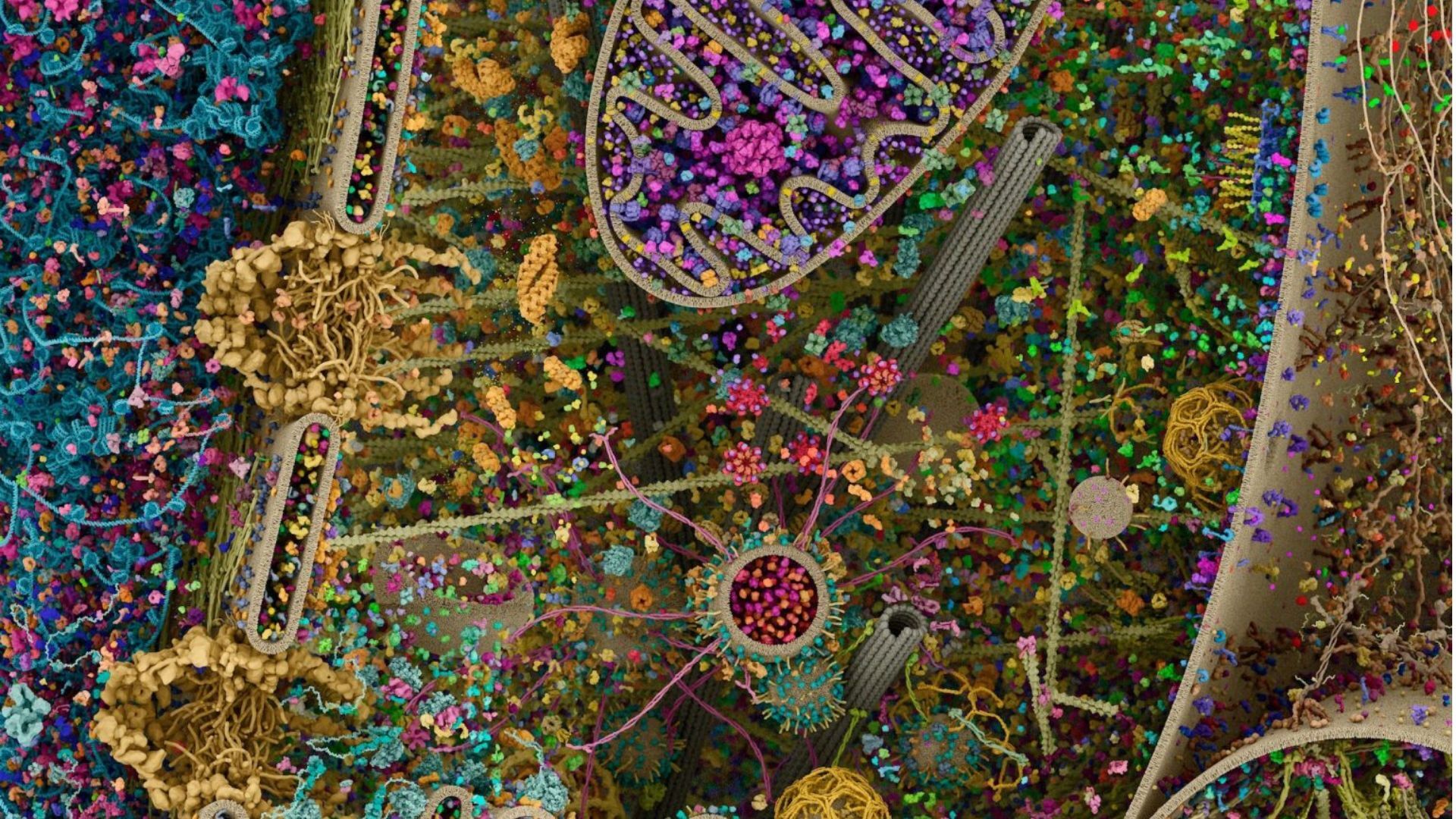
<p>Cancer is the second leading cause of death worldwide. According to <a href="https://acsjournals.onlinelibrary.wiley.com/doi/full/10.3322/caac.21834" target="_blank" rel="noreferrer noopener">global cancer statistics 2022</a>, nearly 20 million new cases were reported with the disease and almost 10 million lost their lives to it. These numbers are predicted to rise to 35 million by 2050. But why is cancer so fatal? The answer lies within the tiniest functional members of our body: cells.<br /></p><figure><a href="https://indiabioscience.org/columns/scitales-by-ccmb/waking-the-warrior-within-fighting-cancer-with-immunity"><img
                width="1920"
                height="1080"
                style="max-width: 100%; height: auto"
                src="https://cdn.indiabioscience.org/media/articles/PCST-and-Biotales_2026-01-19-044448_pbhg.jpg"></a></figure><p><strong>From a healthy cell to a cancer cell</strong></p><p>Every cell holds an instruction manual in the form of DNA — a blueprint that guides it to function, grow, and divide in an orderly fashion by producing the right proteins. However, the very ability of cells to grow and replicate comes with a cost. DNA, though resilient to changes, can sometimes be altered. These changes, or mutations, may result in faulty proteins that disrupt normal cell function.</p><p>The odds of a DNA sequence getting mutated are about 1 in 100,000. Fortunately, our cells are equipped with highly efficient DNA repair systems that quickly fix most errors. Damaged cells are often destroyed by the body’s own defense mechanisms. But on rare occasions, defective cells escape detection, multiply, and form an abnormal mass — a tumour.</p><p>A tumour becomes dangerous when it grows large enough to press on vital organs. If it invades nearby tissues, taking up space and consuming nutrients, and spreads to other parts of the body, it is classified as cancer.</p><p>The primary triggers for changes in the DNA and thus cancer can be environmental, biological, or lifestyle-related. Prolonged exposure to tobacco smoke, harmful radiation, or toxic chemicals can damage the DNA. Certain viral infections can also introduce mutations. An unhealthy lifestyle and chronic stress further strain the body, making DNA more vulnerable. Often, it’s a combination of these factors that sets cancer in motion.</p><p><strong>Immunity against cancer</strong></p><p>Our body is naturally equipped to defend against invading pathogens and other harmful agents, an ability known as immunity. This defense system is a highly coordinated, complex network of cells and molecules that detect and eliminate threats, keeping us healthy. It constantly performs surveillance, scanning for anything unusual. This same immune system is capable of detecting cancer cells. Those with <a href="https://pmc.ncbi.nlm.nih.gov/articles/PMC4026755/" target="_blank" rel="noopener">weak immune systems</a> have a higher risk of developing cancers.</p><p>When a healthy cell turns cancerous, it displays special signals called tumour-associated antigens like ID tags, that warn and activate immune cells. For example, specialized fighter cells such as Natural Killer cells and T cells can recognize and destroy these tagged cells.</p><p>But cancer is a master of trickery. Over time, these sneaky cells evolve and learn multiple tactics to evade detection, hiding from the immune system for years before they resurface. This ability to adapt and survive is a trait rooted in evolution itself, that explains why cancer can recur even after treatments.</p><p><strong>How do cancer cells evade the immune response?</strong></p><p>One way cancer cells <a href="https://www.nature.com/articles/s41392-025-02280-1" target="_blank" rel="noopener">disguise</a> themselves as normal cells, is by producing protein markers of normal cells in abundance. These false cues can confuse immune cells, exhaust them, creating physical barriers that prevent an effective attack.</p><p>Another strategy is the formation of a protective shield known as the <a href="https://www.nature.com/articles/s43018-025-00986-3" target="_blank" rel="noopener">tumour micro-environment</a>. This specialised environment shelters cancer cells and blocks immune cells from infiltrating or recognizing them. As a consequence, immune surveillance is weakened, and tumour cells can thrive unchecked.</p><p>Adding to their defense, <a href="https://www.nature.com/articles/d41586-025-00077-4" target="_blank" rel="noopener">research</a> shows that some cancer cells can steal mitochondria—the energy-producing powerhouses of cells, from T cells. This deprives the T cells of the energy they need, rendering them ineffective and reducing the body’s anti-tumour immunity.</p><p>Such advanced escape mechanisms employed by cancer cells have pushed scientists to develop newer treatment strategies. While traditional approaches such as surgery, radiation, and chemotherapy aim to directly remove or destroy cancer cells, modern immunotherapies are designed to reawaken and empower the immune system, enabling it to combat a wide range of cancers more effectively.</p><p><strong>Choices of Immunotherapies</strong></p><p>Immunotherapy includes a range of strategies to harness the body’s own defenses against cancer.</p><p>One approach is to keep immune cells active for longer by blocking the <a href="https://www.nature.com/articles/s41392-025-02280-1" target="_blank" rel="noopener">checkpoints</a> that normally dampen their activity. This frees them to attack cancer cells more aggressively. Another involves administering highly specific antibodies that act like guided missiles, homing in on cancer cells. In some cases, viruses are genetically modified to infiltrate and destroy cancer cells from within—a method known as <a href="https://www.nature.com/articles/s41571-022-00719-w" target="_blank" rel="noopener">oncolytic virus therapy</a>.</p><p>Despite their promise, immunotherapies also have some caveats. An overstimulated immune system can trigger excessive inflammation, damaging healthy tissues.</p><p>A more advanced option that can circumvent these challenges, effective even when other immunotherapies fail, is <a href="https://www.nature.com/articles/s41392-025-02269-w" target="_blank" rel="noopener">CAR T-cell therapy</a>—short for Chimeric Antigen Receptor T-cell Therapy. In this treatment, a patient’s own T cells are collected and genetically engineered to produce a special chimeric receptor: part of it comes from antibodies that recognize cancer cells, and part from T-cell proteins. This receptor works like a GPS, locking onto tumour-specific antigens and enabling T cells to bind to and destroy only cancer cells. Once modified and tested for efficacy against the patient’s cancer cells, these cells are multiplied in the lab, and infused back into the patient. Inside the body, they continue to replicate, patrol, and eliminate cancer cells. These CAR T-cells can remain active in the body, sometimes, for years.</p><p>CAR technology is not limited to T cells; other immune cells such as dendritic cells and natural killer (NK) cells can also be adapted, leading to CAR-NK therapies. Overall, CAR technology paves a way to highly personalized treatments tailored to individual patients, a hallmark of precision medicine.</p><p>However, CAR-based therapies also come with a few challenges. Unlike many treatments, CAR T-cell therapy cannot be tested in animal models before human use. It is expensive—often costing up to 10 times more than conventional cancer treatments available today. They may still cause severe immune-related side effects in some patients. And, so far, they have no success against solid tumours. Currently, they are approved mainly for certain blood cancers, which are easier for immune cells to access because they circulate throughout the body.</p><p>Nevertheless, CAR T-cell therapy remains a powerful form of immunotherapy. Custom-designed for each patient, it mounts a stronger and more targeted attack against cancer. It typically requires only a single infusion and can offer long-term protection. With ongoing research and advancements, CAR-cell therapy holds great promise and may one day replace conventional chemotherapy as a front line cancer treatment.</p>
              ]]></content><category term="health-and-medicine" label="Health &amp; Medicine" /><category term="science" label="Science" /><category term="personal-experience" label="Personal Experience" /></entry><entry><title>A sneak-peak into the mysteries of the biodiverse Western Ghats</title><link
                  rel="alternate"
                  href="https://indiabioscience.org/columns/scitales-by-ccmb/a-sneak-peak-into-the-mysteries-of-the-biodiverse-western-ghats"
                  type="text/html"
                  /><summary type="html"><![CDATA[
                <p>A June evening in a small town in Kerala’s Palakkad district. There’s not much to entice visitors – a single gym, perhaps two lodges, a juice and milkshake parlour. Yet, a fair share of tourists stops by for a night or two each year, laden with rucksacks, cameras and binoculars. The reason becomes clear if you take a short walk to the outskirts of town. Here, behind the acres of fields spread out in the fading daylight, a blue-green wall rises up to meet the clouds.<br /></p>              ]]></summary><id>tag:indiabioscience.org,2026-02-05:/columns/scitales-by-ccmb/a-sneak-peak-into-the-mysteries-of-the-biodiverse-western-ghats</id><published>2026-02-05T10:00:00+05:30</published><updated>2026-02-12T09:35:23+05:30</updated><author><name>Maya Manivannan</name><uri>https://indiabioscience.org/authors/MayaManivannan</uri></author><content type="html"><![CDATA[
                
<p>A June evening in a small town in Kerala’s Palakkad district. There’s not much to entice visitors – a single gym, perhaps two lodges, a juice and milkshake parlour. Yet, a fair share of tourists stops by for a night or two each year, laden with rucksacks, cameras and binoculars. The reason becomes clear if you take a short walk to the outskirts of town. Here, behind the acres of fields spread out in the fading daylight, a blue-green wall rises up to meet the clouds.<br /></p><figure><a href="https://indiabioscience.org/columns/scitales-by-ccmb/a-sneak-peak-into-the-mysteries-of-the-biodiverse-western-ghats"><img
                width="1920"
                height="1080"
                style="max-width: 100%; height: auto"
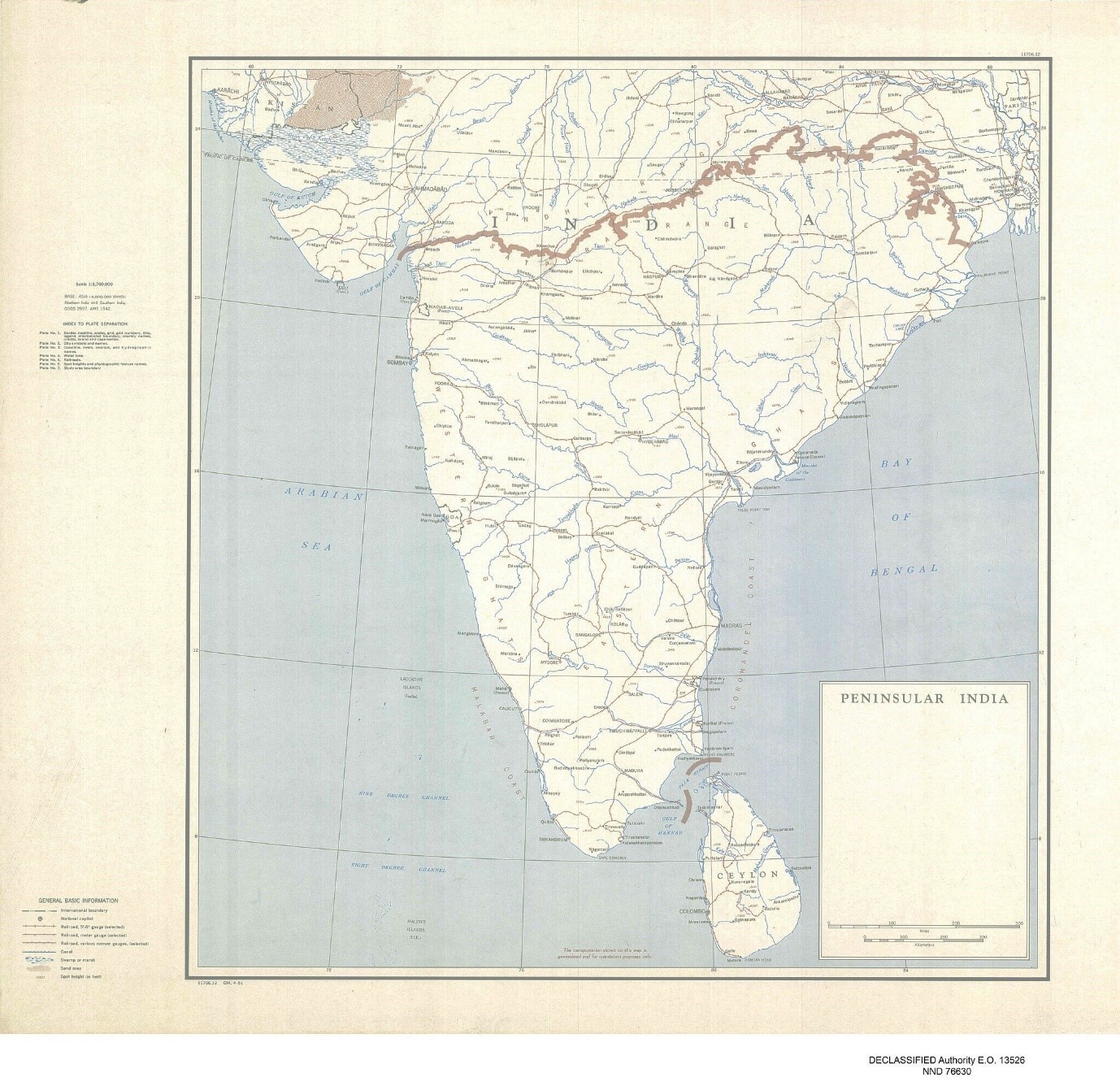
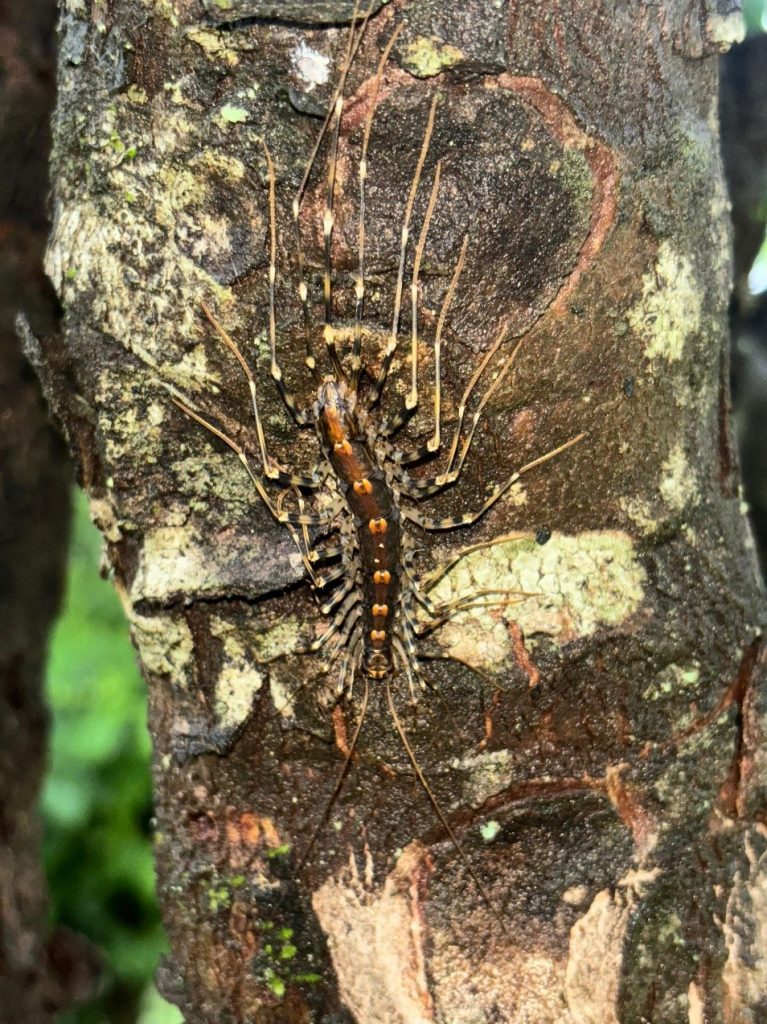
                src="https://cdn.indiabioscience.org/media/articles/SciTales-title-images-2.jpg"></a></figure><p>For that is what the Western Ghats can seem like to those of us used to the gentle curves of the plains – a wall of trees that is eerily silent save for the droning of the cicadas. Every year, thousands of people travel to nondescript towns and villages in Maharashtra, Karnataka, Kerala and Tamil Nadu to trek, birdwatch, film, and in cases like ours, research. What makes the Ghats a haven for nature lovers is also why we study them- it is one of the 36 ‘biodiversity hotspots’ in the world. <a href="https://www.nature.com/articles/35002501" target="_blank" rel="noopener">According to the highly cited original paper</a>, this means that it contains more than 1,500 ‘endemic’ plant species (species that are found nowhere else in the world). Furthermore, more than 70% of its forest cover has been lost, making the region a top priority for conservation biology.</p><p>So how much biodiversity does the Western Ghats really have? The research is ongoing. But, we do have <a href="https://www.researchgate.net/publication/237054462_A_brief_overview_of_the_Western_Ghats_-_Sri_Lanka_biodiversity_hotspot" target="_blank" rel="noopener">estimates</a> for some organisms – approximately 100 species of mammals (of which 11% are endemic), 200 species each of amphibians and reptiles (78 and 62% respectively are endemic), 300 species of freshwater fish (41% are endemic), 500 species of birds (4% are endemic) and 600 species of trees (56% are endemic). But for scientists interested in tropical mountain chains, the real headscratcher is this – why is there so much biodiversity in the Western Ghats, and where did it come from?</p><p>From an evolutionary biology perspective, <a href="https://www.journals.uchicago.edu/doi/10.1086/659883" target="_blank" rel="noopener">three processes</a> ultimately determine the distribution of biodiversity- speciation, dispersal and extinction. Speciation refers to the creation of new species from pre-existing ones, whereas dispersal is the movement of species into an area from others. Both act together to increase the number of species in a region. Alternatively, extinction, which refers to the death of a species, decreases the biodiversity of a region.</p><figure style="margin-left: auto; margin-right: auto; text-align: center; width: 442px; max-width: 442px;"><img src="https://cdn.indiabioscience.org/media/articles/2_2025-10-16-062319_qzzf.jpg" data-image="809096" width="442" height="430"><figcaption style="text-align: center;">Map of Peninsular India with brown line indicating its extent starting from south India. Photo via Wikimedia Commons</figcaption></figure><p><strong>What happened in the Western Ghats:</strong></p><p><a href="https://escholarship.org/uc/item/5wb5p6dt" target="_blank" rel="noopener">Most</a> of the examined animal diversity of Peninsular India (roughly below 23° N latitude), of which the Western Ghats is a part, dispersed into India within the last 65 million years, following which speciation events took place. One example is that of <a href="https://link.springer.com/article/10.1186/1471-2148-9-131" target="_blank" rel="noopener">toads</a>, which likely dispersed from elsewhere in Asia, with subsequent speciation <a href="https://royalsocietypublishing.org/doi/full/10.1098/rspb.2016.1011" target="_blank" rel="noopener">probably</a> promoted by the diverse habitats and heterogenous landform of the Ghats. A well-studied case of how speciation can be facilitated by separating organisms from each other, is the Palghat Gap: a 30-km stretch of land at 200 m elevation that cuts through the mountains (which rise to 2 km on either side). <a href="https://link.springer.com/article/10.1007/s41745-021-00241-5#:~:text=Topographic%20discontinuities%20in%20mountain%20ranges,well%20as%20evolutionary%20history31." target="_blank" rel="noopener">Researchers</a> speculate that the gap has promoted the separation of populations of a single species into different species over time.</p><p>On the other hand, the Western Ghats also contains some groups of animals that have remained there since their origin! A <a href="https://onlinelibrary.wiley.com/doi/10.1111/jbi.14994" target="_blank" rel="noopener">recent study</a> of ours’ shows that an ancient group of long-legged centipedes called scutigeromorphs have existed in the peninsular region of India for approximately 125 million years, eventually evolving into multiple species in the Western Ghats. Such species are called ‘Gondwanan relicts’ as their ancestors were present on Peninsular India back when it was attached to Africa, South America and Australia as part of the supercontinent Gondwana, <em>more than 200 million years ago</em>.</p><figure class="wp-block-image size-large" style="font-size: 16px; font-style: normal; font-variant-caps: normal; font-weight: 400; letter-spacing: normal; text-indent: 0px; text-transform: none; white-space: normal; word-spacing: 0px; -webkit-text-stroke-width: 0px; text-decoration: none; margin: 0px auto; box-sizing: border-box; display: block; caret-color: rgb(34, 34, 34); color: rgb(34, 34, 34); text-align: center; width: 368px; max-width: 368px;" source="" sans="" pro";="" text-align:="" left;"=""><img width="368" height="490" src="https://scitales.ccmb.res.in/wp-content/uploads/2024/10/3-767x1024.jpg" class="wp-image-3036" srcset="https://scitales.ccmb.res.in/wp-content/uploads/2024/10/3-767x1024.jpg 767w, https://scitales.ccmb.res.in/wp-content/uploads/2024/10/3-225x300.jpg 225w, https://scitales.ccmb.res.in/wp-content/uploads/2024/10/3-768x1025.jpg 768w, https://scitales.ccmb.res.in/wp-content/uploads/2024/10/3-696x929.jpg 696w, https://scitales.ccmb.res.in/wp-content/uploads/2024/10/3-315x420.jpg 315w, https://scitales.ccmb.res.in/wp-content/uploads/2024/10/3.jpg 954w" data-image="asy1d8wu16xf"><figcaption style="box-sizing: border-box; display: block; margin: 6px 0px 26px; text-align: center;" segoe="" ui",="" roboto,="" oxygen,="" ubuntu,="" cantarell,="" "open="" sans",="" "helvetica="" neue",="" sans-serif;="" text-align:="" left;="" font-size:="" 11px;="" font-style:="" italic;="" font-weight:="" normal;="" line-height:="" 17px;="" color:="" rgb(68,="" 68,="" 68);"="">A scutigeromorph. Photo Credit: Nehal Gurung</figcaption></figure>Certain favorable environmental conditions may have allowed both dispersers into India as well as Gondwanan relicts to persist in the Western Ghats till date. It is argued that some parts of the region, particularly south of the Palghat gap, served as ‘<a href="https://onlinelibrary.wiley.com/doi/full/10.1002/ece3.603" target="_blank" rel="noopener">refugia</a>’ as the stable environment allowed species to thrive while species elsewhere died out due to fluctuating climate or extreme climatic events. <a href="https://link.springer.com/article/10.1007/s12038-009-0062-y" target="_blank" rel="noopener">Research</a> shows that tropical forests were once widely distributed across Peninsular India, and while they receded from most of the Deccan plateau, they remain in the southern part of the Ghats even today. Speciation, dispersal and extinction are co-occurring processes. It can be hard to tease apart which of the factors, if any, were most influential in driving the species richness of a given group of organisms in a region. Scientists use a rigorous combination of fieldwork, molecular techniques and phylogenetic analyses (techniques to understand evolutionary relationships between organisms) within a hypothesis-testing framework to bring more clarity to our understanding of the evolution of biodiversity in the Western Ghats. However, there is a bleak side to things. <a href="https://www.deccanherald.com/india/karnataka/revenge-tourism-kodagu-mulls-moves-to-beat-footfall-stress-3116619" target="_blank" rel="noopener">Uncontrolled tourism</a>, <a href="https://timesofindia.indiatimes.com/city/kochi/will-tragedy-repeat-itself-in-wayanad-increasingly-as-farce/articleshow/112579648.cms" target="_blank" rel="noopener">ecologically insensitive ‘development’</a> and a <a href="https://link.springer.com/article/10.1007/s00704-020-03321-1" target="_blank" rel="noopener">rapidly warming planet</a> mean that our quest for answers may not be fast enough. We are currently trudging through the <a href="https://onlinelibrary.wiley.com/doi/full/10.1111/brv.12816" target="_blank" rel="noopener">sixth mass extinction</a>, which is the only mass extinction event in the history of the world entirely caused by human activity. Species may go extinct before we have a chance to describe them and determine their distributions, much less understand their ecology and evolutionary biology. The high walls of the Western Ghats are at risk of coming down: literally, because of development activities that carve through the hills, but also metaphorically, as we lose the rich biodiversity that has survived here since millions of years before humans came into being.
              ]]></content><category term="health-and-medicine" label="Health &amp; Medicine" /><category term="science" label="Science" /><category term="personal-experience" label="Personal Experience" /></entry><entry><title>What has taken the malarial vaccines so long?</title><link
                  rel="alternate"
                  href="https://indiabioscience.org/columns/scitales-by-ccmb/what-has-taken-the-malarial-vaccines-so-long"
                  type="text/html"
                  /><summary type="html"><![CDATA[
                <p dir="ltr">In the rise of antimicrobial resistance among pathogens and infectious diseases, vaccines are a potent global health solution. <a href="https://www.ncbi.nlm.nih.gov/pmc/articles/PMC4257029/" target="_blank" rel="noreferrer noopener">Vaccines</a> mimic the pathogens to train the immune system. <a href="https://www.sciencedirect.com/science/article/pii/S009286742031237X" target="_blank" rel="noreferrer noopener">The training</a> allows the immune system to be quickly activated in the event of a real infection by the pathogen. Notable recent examples are vaccines against <a href="https://www.nature.com/articles/s41392-022-00996-y" target="_blank" rel="noreferrer noopener">COVID-19</a>, a disease caused by SARS-CoV-2 viral infection. While this was one of the greatest achievements in the history of vaccine development, the quest for vaccines against many pathogens has been challenging, resulting in little success. Why has that been the case? Srinivas Reddy takes us through one such example that he studies; the <em>Plasmodium</em> parasites that cause <a href="https://onlinelibrary.wiley.com/doi/full/10.1111/joim.12223" target="_blank" rel="noreferrer noopener">malaria</a>.<br /></p>              ]]></summary><id>tag:indiabioscience.org,2026-01-08:/columns/scitales-by-ccmb/what-has-taken-the-malarial-vaccines-so-long</id><published>2026-01-08T10:00:00+05:30</published><updated>2026-02-12T09:36:01+05:30</updated><author><name>G Srinivas Reddy</name><uri>https://indiabioscience.org/authors/GSrinivasReddy</uri></author><content type="html"><![CDATA[
                
<p>In the rise of antimicrobial resistance among pathogens and infectious diseases, vaccines are a potent global health solution. <a href="https://www.ncbi.nlm.nih.gov/pmc/articles/PMC4257029/" target="_blank" rel="noreferrer noopener">Vaccines</a> mimic the pathogens to train the immune system. <a href="https://www.sciencedirect.com/science/article/pii/S009286742031237X" target="_blank" rel="noreferrer noopener">The training</a> allows the immune system to be quickly activated in the event of a real infection by the pathogen. Notable recent examples are vaccines against <a href="https://www.nature.com/articles/s41392-022-00996-y" target="_blank" rel="noreferrer noopener">COVID-19</a>, a disease caused by SARS-CoV-2 viral infection. While this was one of the greatest achievements in the history of vaccine development, the quest for vaccines against many pathogens has been challenging, resulting in little success. Why has that been the case? Srinivas Reddy takes us through one such example that he studies; the <em>Plasmodium</em> parasites that cause <a href="https://onlinelibrary.wiley.com/doi/full/10.1111/joim.12223" target="_blank" rel="noreferrer noopener">malaria</a>.<br /></p><figure><a href="https://indiabioscience.org/columns/scitales-by-ccmb/what-has-taken-the-malarial-vaccines-so-long"><img
                width="1024"
                height="580"
                style="max-width: 100%; height: auto"
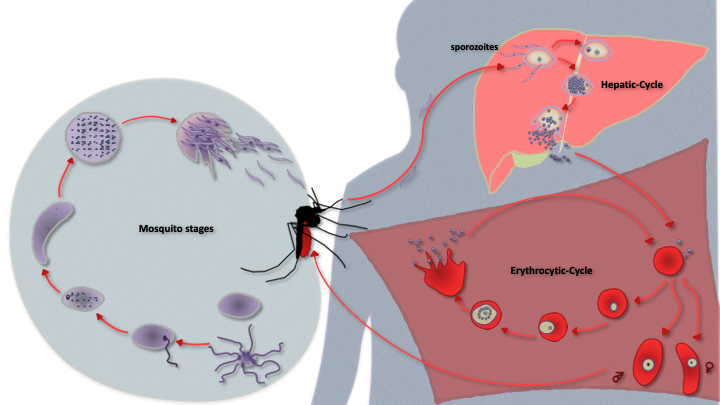
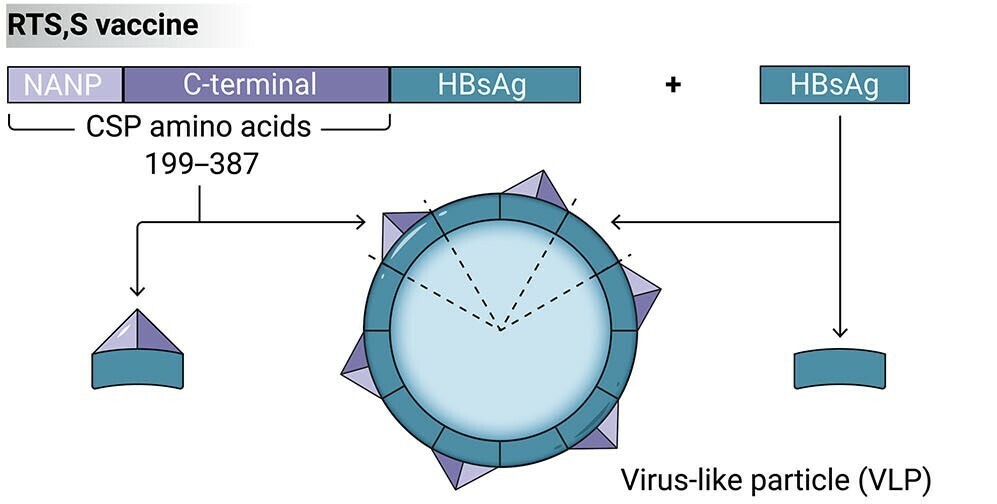
                src="https://cdn.indiabioscience.org/media/articles/WhatsApp-Image-2024-03-18-at-10.49.57-AM.jpeg"></a></figure><p>Despite a century-old battle to eradicate malaria, it remains one of the leading causes of global morbidity and mortality. WHO reported an estimated 247 million cases of malaria and more than 0.6 million malaria-associated deaths in the year 2021 in 84 malaria endemic countries. A majority of these cases are reported in countries of the <a href="https://www.who.int/teams/global-malaria-programme/reports/world-malaria-report-2022" target="_blank" rel="noopener">African</a> region. Within <a href="https://www.pib.gov.in/PressReleasePage.aspx?PRID=1677601" target="_blank" rel="noopener">India</a>, malaria incidence and deaths are higher in the states of Odisha, Chhattisgarh, Jharkhand, Meghalaya and Madhya Pradesh. The disease predominantly affects children under the age of 5 and pregnant women. Patients show symptoms such as irregular fever, chills, headache and malaise. Under severe disease conditions, complications arise, leading to renal failure, cerebral malaria, pulmonary oedema or <a href="https://www.mjhid.org/index.php/mjhid/article/view/2012.026" target="_blank" rel="noopener">haemorrhage</a>.</p><p><strong>The shape-shifting <em>Plasmodium</em> parasites</strong></p><p>To date, more than 200 species of <em>Plasmodium</em> have been described, which cause malaria in a diverse range of vertebrate hosts. 5 strains are known to cause disease in humans. The parasites have a complex <a href="https://jphysiolanthropol.biomedcentral.com/articles/10.1186/s40101-020-00251-9" target="_blank" rel="noopener">life-cycle</a>, both within the mosquito vector, through which the disease is transmitted, and the human host.</p><figure style="margin-left: auto; margin-right: auto; text-align: center; width: 485px; max-width: 485px;"><img src="https://cdn.indiabioscience.org/media/articles/Malaria-image-1.png" data-image="808914" width="485" height="273"><figcaption style="text-align: center;">Life-cycle of Plasmodium depicting transition of various developmental stages in both mosquito and the human host</figcaption></figure><p>The parasite grows in female Anopheles mosquito and in humans, jumping between the two through mosquito bites. Within the human host, sporozoites navigate their way to the liver. They infect liver cells to form thousands of merozoites. These enter the blood stream, infect red blood cells (RBCs) and develop to give rise to ring, trophozoite and schizont forms. Mature schizonts rupture infected RBCs. This allows several merozoites to come out, which then infect fresh RBCs to continue the cycle. During this stage, some of the merozoites also get programmed to form male and female gametes, which are then picked up by mosquitoes.</p><p>Once in the mosquito’s mid-gut, the male and female gametes fuse to form a zygote. It matures to form a motile ookinete, which traverses the epithelial lining of the mosquito to form an oocyst. A single oocyst gives rise to close to a thousand sporozoites, which traverse to the salivary gland of the mosquito, and are now ready to find new hosts.</p><p>Those developing vaccines against the <em>Plasmodium</em> are interested in understanding this complex life-cycle of the parasite. That is because, there is a huge diversity in the proteins on the cell surfaces of the parasite during its developmental stages. And these proteins are the primary target of the immune system.</p><p>For example, PfEMP1 (<em>P. falciparum</em> erythrocytic membrane protein 1) is a protein expressed in at least 60 different combinations and targeted to the surface of parasite infected RBCs. While host immune system can identify one form of the protein, allowing it to clear these parasite infected RBCs, this immunity is lost when the parasites switch to express a different form of <a href="https://www.annualreviews.org/doi/abs/10.1146/annurev.micro.61.080706.093134" target="_blank" rel="noopener">PfEMP1</a>. These complexities make it challenging for the host immune system to keep a check on these enigmatic parasites, unable to target them at the right stage.</p><p><strong>Malarial vaccines – One step at a time</strong></p><p>Out of 133 malaria vaccines that have been in clinical development, <a href="https://scitales.ccmb.res.in/wp-admin/Out%20of%20133%20malaria%20vaccines%20that%20have%20been%20in%20clinical%20development,%20two%20vaccines%20have%20been%20WHO%20prequalified%20and%20recommended%20-%20RTS,S/AS01E%20and%20R21/Matrix-M%20(chart%20A)." rel="noopener" target="_blank">two vaccines</a> have been prequalified and recommended by the WHO – RTS,S/AS01E and R21/Matrix-M. We will focus on these two while others are still in trials or did not meet the WHO-set criteria.</p><p>Vaccine development requires identifying a part or whole of the pathogen, which will not cause an infection but help the immune system in identifying the pathogen quickly in case of a real infection. These are called as antigens.</p><p>Initial efforts of malarial vaccine development used radiation-inactivated sporozoites. They don’t cause infection but still elicit immune responses. But this helped in achieving only partial protection. However, the researchers found that most of the <a href="https://tropmedhealth.biomedcentral.com/articles/10.1186/s41182-023-00516-w" target="_blank" rel="noopener">antibodies</a> produced through this vaccine was against the circumsporozoite protein (CSP), a major surface protein on sporozoites. This showed that the immune system acted the most against this protein, and CSP became the antigen of choice in malarial vaccine development.</p><p>The first effort was in collaboration between GlaxoSmithKline and Walter Reed Army Institute of Research, which resulted in the development of RTS, S vaccine. It is a designed like a virus. It contains 18 copies of a part of the CSP, called the repeat regions. These are attached to a hepatitis viral surface antigen, which helps in presenting CSP on virus-like particle’s surface. More access to CSP ensured better immune response.</p><p>This vaccine also contains adjuvants; substances that promote immune response, decrease the dose of antigen required and prolong the duration of protection. It uses a combination of liposomes and saponins (detergents) obtained from the Chilean soapbark tree, also known as <em>Quillaja saponaria</em> Molina, as its <a href="https://www.sciencedirect.com/science/article/pii/S002075192100117X" target="_blank" rel="noopener">adjuvant</a>.</p><p>Meeting the then WHO set goal of &gt;50% efficacy, RTS, S/AS01 also known as <a href="https://www.who.int/news/item/06-10-2021-who-recommends-groundbreaking-malaria-vaccine-for-children-at-risk" target="_blank" rel="noopener">Mosquirix<sup>TM</sup></a> was the first to be approved in 2021 by the WHO for large scale production and trials.</p><figure style="margin-left: auto; margin-right: auto; text-align: center; width: 496px; max-width: 496px;"><a href="https://www.science.org/doi/10.1126/scitranslmed.abo6646" target="_blank"><img src="https://cdn.indiabioscience.org/media/articles/Malaria-image-2.jpg" data-image="808916" width="496" height="251"></a><figcaption style="text-align: center;">Image source: https://www.science.org/doi/10.1126/scitranslmed.abo6646</figcaption></figure><p>Not all was sorted still. Clinical trials revealed that protection against malaria after administration of this vaccine is partial and wanes over time, leading to the <a href="https://www.nejm.org/doi/10.1056/NEJMoa1207564" target="_blank" rel="noopener">recurrence</a> of the malaria cases. We still needed vaccines with prolonged protection and improved efficacy. </p><p>Next came the R21/Matrix-M<sup>TM</sup> vaccine developed by Oxford University. Similar to the RTS, S vaccine, the R21 vaccine is also a virus-like particle, based on CSP. This, however, had reduced amount of viral antigen used in <a href="https://aiche.onlinelibrary.wiley.com/doi/full/10.1002/btm2.10514" target="_blank" rel="noopener">RTS, S vaccine</a>.</p><p>This vaccine also used an advanced <a href="https://www.tandfonline.com/doi/full/10.1080/21645515.2023.2189885" target="_blank" rel="noopener">Matrix-M<sup>TM</sup></a> adjuvant. Developed by Novavax, it is composed of fractions obtained from the bark of <em>Quillaja saponaria </em>tree, mixed with cholesterol and phospholipids to give rise to unique nanostructures that enhance the host immune responses. It met the revised target of reaching &gt;75% efficacy. And in 2023, WHO approved the vaccine for use in children aged 5 to 36 months.</p><figure style="margin-left: auto; margin-right: auto; text-align: center; width: 279px; max-width: 279px;"><a href="https://www.novavax.com/science-technology/matrix-m-adjuvant-technology" target="_blank"><img src="https://cdn.indiabioscience.org/media/articles/Malaria-image-3.png" data-image="808918" width="279" height="279"></a><figcaption style="text-align: center;">Honeycomb-like nanostructures in Matrix-M adjuvant. Saponins, which are naturally present in the soapbark tree (Quillaja saponaria), mixed with cholesterol and phospholipids result in these unique Matrix-A and Matrix-C structures. Image source: Novavax</figcaption></figure><p>The next obvious step is to produce and distribute the vaccine at a large scale. A cost-effective vaccine will be important for mass-scale vaccination in malaria prevalent countries of Africa. Serum Institute of India Pvt. Ltd. (SIIPL) has now been granted the licensure for production and distribution in <a href="https://www.ox.ac.uk/news/2023-10-02-oxford-r21matrix-m-malaria-vaccine-receives-who-recommendation-use-paving-way-global" target="_blank" rel="noopener">Ghana</a>. Current production capabilities at SIIPL are estimated to be over 200 million vaccine doses <a href="https://www.seruminstitute.com/press_release_sii_130423.php" target="_blank" rel="noopener">annually</a>. They played an important role in developing affordable vaccines against many diseases, including COVID-19. And it remains to be seen if they transform malaria management.</p><p>Until then, mosquito bed nets, anti-mosquito sprays, rapid diagnostic tools for detection, and antimalarial therapies remain our most viable tools to use.</p>
              ]]></content><category term="health-and-medicine" label="Health &amp; Medicine" /><category term="science" label="Science" /><category term="personal-experience" label="Personal Experience" /></entry><entry><title>How to turn your pet into a monster?</title><link
                  rel="alternate"
                  href="https://indiabioscience.org/columns/scitales-by-ccmb/mitochondria-the-guardians-of-immunity-2"
                  type="text/html"
                  /><summary type="html"><![CDATA[
                <p dir="ltr">‘<em>Once upon a time, there lived Frankenstein’s monster, Yeti, Loch Ness monster, Godzilla, dragon, and a goldfish…</em>’ Surprised to see a goldfish in the league of monsters? Then let’s also add that while the others are fictional, a goldfish might be a real threat we are looking at. We are talking of biological invasions.<br /></p>              ]]></summary><id>tag:indiabioscience.org,2025-12-04:/columns/scitales-by-ccmb/mitochondria-the-guardians-of-immunity-2</id><published>2025-12-04T10:00:00+05:30</published><updated>2025-10-14T16:18:49+05:30</updated><author><name>Gopi Krishnan</name><uri>https://indiabioscience.org/authors/GopiKrishnan</uri></author><content type="html"><![CDATA[
                
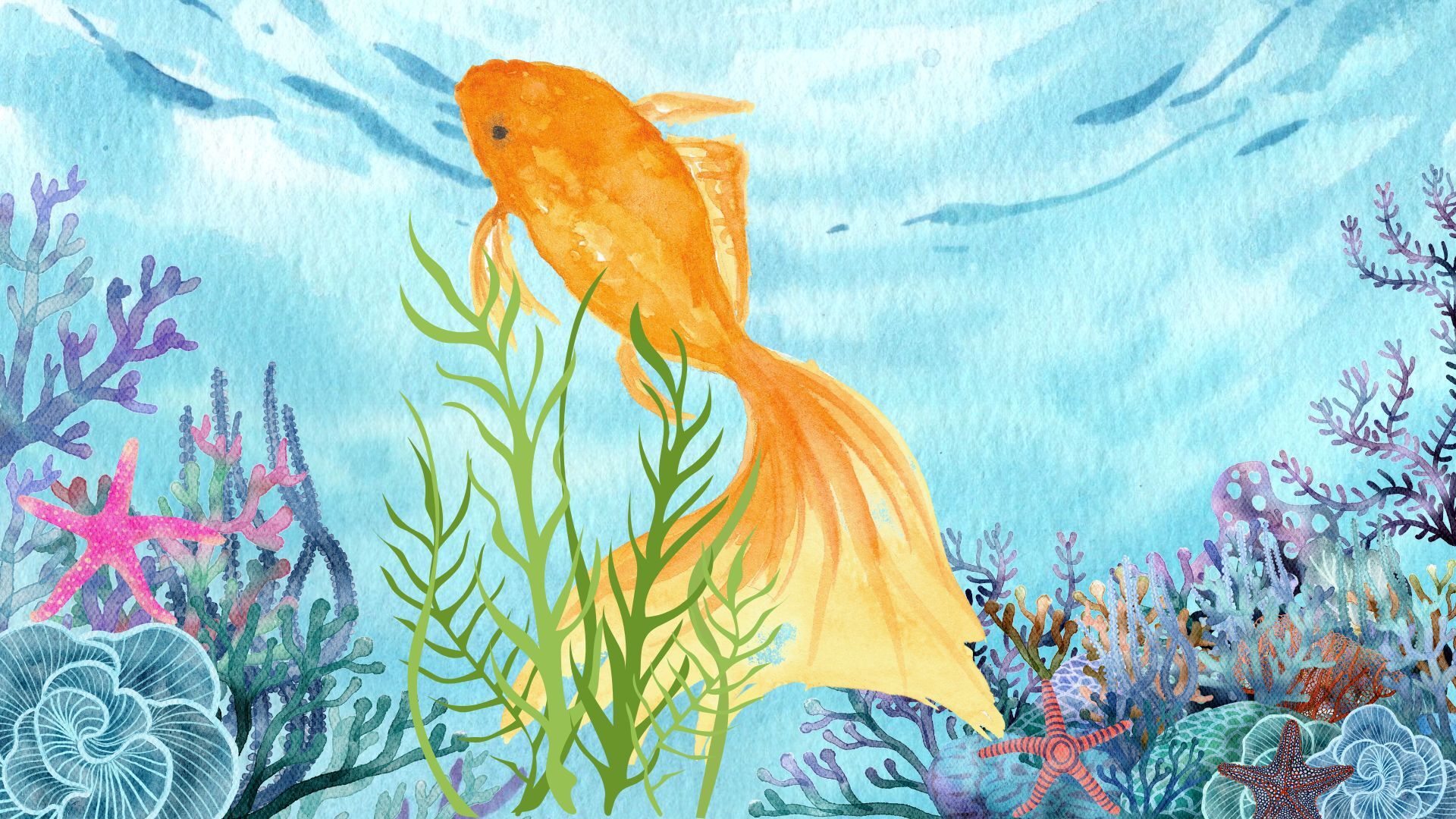
<p>‘<em>Once upon a time, there lived Frankenstein’s monster, Yeti, Loch Ness monster, Godzilla, dragon, and a goldfish…</em>’ Surprised to see a goldfish in the league of monsters? Then let’s also add that while the others are fictional, a goldfish might be a real threat we are looking at. We are talking of biological invasions.</p><figure><a href="https://indiabioscience.org/columns/scitales-by-ccmb/mitochondria-the-guardians-of-immunity-2"><img
                width="1920"
                height="1080"
                style="max-width: 100%; height: auto"
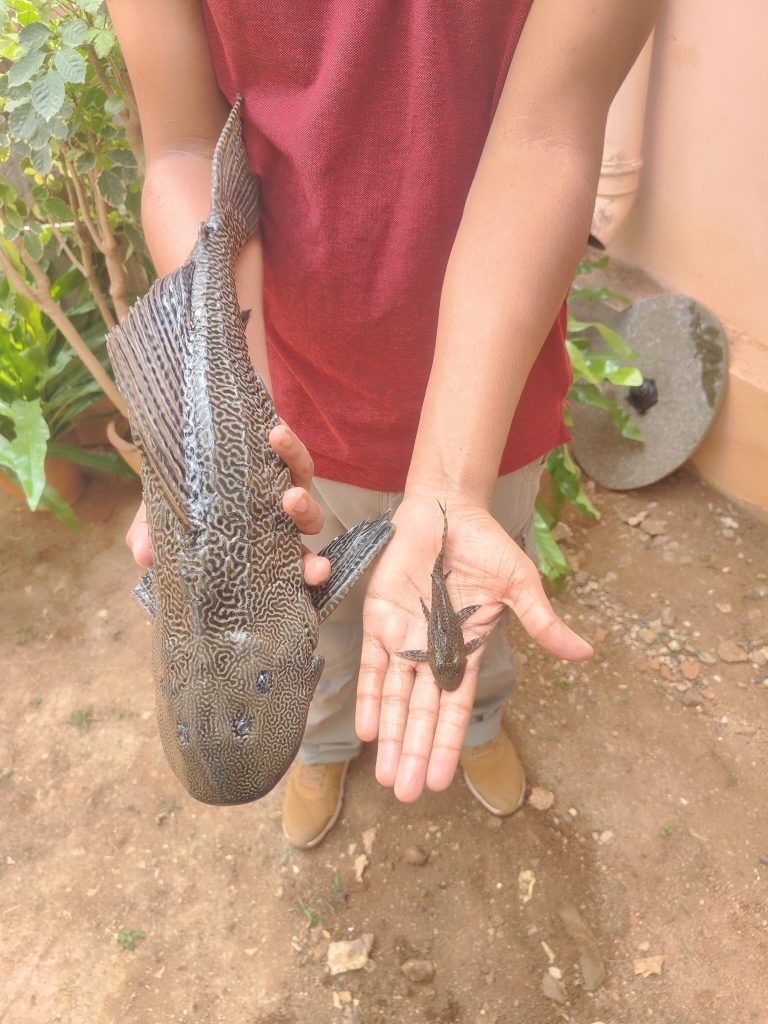
                src="https://cdn.indiabioscience.org/media/articles/SciTales-Goldfish.jpg"></a></figure><p>Biological invasion is a multi-step process that eventually becomes a major threat to biodiversity. First, a species is intentionally or accidentally transported by human activities, and then introduced at a new location outside its natural range. The introduced species may establish a self-sustaining population, and further disperse to other regions. When it negatively impacts the new ecosystem it has entered, it is called an invasive species. The impact could be ecological, environmental, or economic. For example, when just <a href="https://www.theguardian.com/environment/2022/aug/23/australias-rabbit-invasion-traced-back-to-single-importation-of-24-animals-in-1859-study-finds" target="_blank" rel="noopener">24 European rabbits</a> were introduced in Australia for gaming purpose in 1859, they increased to large numbers and spread to the entire continent in less than 50 years. They destroyed the land, crops and also brought a decline to the native biodiversity. The combat to control them in Australia continues till date.</p><p>Similarly, many other species had been introduced globally for reasons such as agriculture, farming, ornamental purpose, and recreation. But often these species spillover into the environment, allowing them to invade the ecosystem. One of the major causes of such spillover incidents are also accidental or intentional release of pets, when they eventually turn into a huge menace of destructive nature. Yes, you read it right! Our beloved pets can become a highly invasive species capable of destroying an entire ecosystem. And that could be one of the least troublesome pets such as a cute looking fish.</p><p>Let’s see an example from our locality. </p><figure class="aligncenter size-large" style="margin: 0px auto; box-sizing: border-box; display: table; clear: both; text-align: center; width: 507px; max-width: 507px;"><img width="507" height="676" src="https://scitales.ccmb.res.in/wp-content/uploads/2023/12/Invasive-sailfin-catfish-768x1024.jpg" class="wp-image-2613" srcset="https://scitales.ccmb.res.in/wp-content/uploads/2023/12/Invasive-sailfin-catfish-768x1024.jpg 768w, https://scitales.ccmb.res.in/wp-content/uploads/2023/12/Invasive-sailfin-catfish-225x300.jpg 225w, https://scitales.ccmb.res.in/wp-content/uploads/2023/12/Invasive-sailfin-catfish-1152x1536.jpg 1152w, https://scitales.ccmb.res.in/wp-content/uploads/2023/12/Invasive-sailfin-catfish-1536x2048.jpg 1536w, https://scitales.ccmb.res.in/wp-content/uploads/2023/12/Invasive-sailfin-catfish-696x928.jpg 696w, https://scitales.ccmb.res.in/wp-content/uploads/2023/12/Invasive-sailfin-catfish-1068x1424.jpg 1068w, https://scitales.ccmb.res.in/wp-content/uploads/2023/12/Invasive-sailfin-catfish-scaled.jpg 1920w, https://scitales.ccmb.res.in/wp-content/uploads/2023/12/Invasive-sailfin-catfish-315x420.jpg 315w" data-image="kazxidcnc7xz"><figcaption style="text-align: center;">The actual size an Armoured-sailfin catfish can grow in a pond (on the left) vs the size when it is sold as an aquarium pet (on the right). PC: Neeldeep Ganguly</figcaption></figure><p><br></p><p>Tank-cleaner fishes <em>aka</em> armoured sailfin catfishes from South America are very popular among aquaculture hobbyists in India. Because they do not need high maintenance and also help in keeping the tank clean by feeding on the algal growth. When the pet owner decides not to keep the fish anymore for some reason, they often release the fish into a nearby pond or a lake. There they grow into huge numbers and cause decline of native fishes through competition for food and other resources. In addition to that, their sharp bony plates provide them protection from any potential predator such as birds and other fishes. They are not a favourite delicacy either, and can damage the nets of fishermen when caught. Generally, these fishes are bought when they are just a couple of inches in size, unaware that they can grow more than two feet in length when released into a pond. This kind of monstrous growth can be seen in other fishes as well, like <a href="https://www.scientificamerican.com/article/monster-goldfish-found-in/" target="_blank" rel="noopener">goldfish</a>, many species of <a href="https://www.nationalgeographic.co.uk/environment-and-conservation/2021/01/enormous-pigeon-eating-catfish-wreaking-havoc-on-europes-ecosystems" target="_blank" rel="noopener">catfishes</a>, <a href="https://india.mongabay.com/2019/08/enormous-alien-fish-spotted-in-keralas-rivers-after-the-2018-floods/" target="_blank" rel="noopener">Alligator gar</a> and <a href="https://news.mongabay.com/2023/03/a-freshwater-giant-is-a-boon-to-bolivian-fishers-but-an-unknown-for-native-species/" target="_blank" rel="noopener">Arapaima</a>, some of which can grow up to five feet in length.</p><p>Pets turning into invasive species is not only restricted to fishes. <a href="https://www.nhm.ac.uk/discover/ring-necked-parakeets-in-london-and-uk.html" target="_blank" rel="noopener">Rose-ringed parakeet</a>, <a href="https://www.history.com/news/burmese-python-invasion-florida-everglades" target="_blank" rel="noopener">Burmese python</a>, <a href="https://india.mongabay.com/2021/06/whats-dangerous-about-these-cute-turtles-which-are-popular-pets-in-india/#:~:text=The%20exotic%2C%20invasive%20turtle%20is%20a%20threat%20to,to%20different%20countries%20around%20the%20world%2C%20including%20India." target="_blank" rel="noopener">Red-eared slider turtle</a> are just a few examples of well-studied invasive species that were initially transported as part of the pet trade. <a href="https://www.theguardian.com/environment/2023/sep/04/invasive-species-no-1-driver-of-biodiversity-loss-in-australia-and-feral-cats-have-biggest-impact-report-finds" target="_blank" rel="noopener">Feral cats</a> and <a href="https://www.conservationindia.org/articles/a-dogged-problem" target="_blank" rel="noopener">dogs</a> as well are considered among the worst invasive species in the world, responsible for the killing of millions of birds and terrestrial animals annually. Invasive species are also responsible for huge economic losses to the tune of <a href="https://india.mongabay.com/2022/05/the-cost-of-invasive-species-bears-heavy-on-indian-economy-finds-study/#:~:text=India%20has%20lost%20%24127.3%20billion%20%28Rs.%208.3%20trillion%29,after%20the%20United%20States%2C%20a%20study%20has%20said." target="_blank" rel="noopener">hundreds of crores</a> of rupees every year in India alone. Yet, combating the impact of these invasive species is extremely difficult due to a combination of various reasons such as lack of natural predators, high reproduction and growth rate, their adaptability and resilience to newer conditions etc. And human mediated activities like the intentional release of pets add more fuel to the already raging fire.</p><p>Let us shift our focus a little bit towards the elephant in the room. How are we going to curb this menace? Government authorities and some non-governmental organizations have already been working towards tackling invasive species through implementing rules, conducting eradication drives, monitoring illegal pet trades etc. But preventing further introduction of exotic species is possible only through collective action from us, the citizens. It starts with being aware of the problem and the existing rules laid out by the government. If you already own an exotic pet, know about the species through a simple Google search or by consulting a biologist and <a href="https://parivesh.nic.in/writereaddata/EXOTIC_LIVE_ANIMALS_SOP_amended_1stJune2020.pdf" target="_blank" rel="noopener">register them with the government</a>. Obtain proper licenses and permissions to house your pets and to install enclosures. And do register your <a href="https://blog.petofy.com/pet-registration-in-india-with-municipal-corporation-full-guide/" target="_blank" rel="noopener">cats and dogs</a> as well. In case you decide to give away your pet, contact animal shelters or animal welfare organizations for further process.</p><p>In contrast, flushing your pet fish or turtle in the toilet or releasing them in the pond, freeing the pet bird, abandoning your pet dog or cat does not only endanger their life, it can also set off a possible biological invasion in future. If you wish to get a pet, discourage wildlife trade by not buying exotic and banned pet species, so that no Marlin needs to desperately seek for his Nemo. Buying exotic pets also promotes the demand and supply feedback which encourages further wildlife trafficking. Displacing any animal from its natural range is not only unethical, but it also disrupts the delicate balance of the ecosystem and poses a huge threat to biodiversity.</p><p>And let’s remember that though we call the non-native species as alien species, in reality they are just species that got displaced to alien ecosystems. They are not inherently invasive. Rather, their introduction to non-native regions triggers the process of biological invasion. By now you would have realised that the title of this piece is misleading, and the blame really lies on humans. So, what can we do? Preserving and protecting biodiversity can start at home, sometimes as simple as not flushing your pet tank-cleaner fish down the toilet.</p>
              ]]></content><category term="health-and-medicine" label="Health &amp; Medicine" /><category term="science" label="Science" /><category term="personal-experience" label="Personal Experience" /></entry><entry><title>Mitochondria: The guardians of immunity!</title><link
                  rel="alternate"
                  href="https://indiabioscience.org/columns/scitales-by-ccmb/mitochondria-the-guardians-of-immunity"
                  type="text/html"
                  /><summary type="html"><![CDATA[
                <p dir="ltr">Who doesn't know that mitochondria is the powerhouse of cells? But an organelle that has its own genes and proteins, it does much more than generating energy for cells. <a href="https://scitales.ccmb.res.in/author/poojitha/" target="_blank" rel="noreferrer noopener">Sai Poojitha</a>, a molecular virologist, studies how mitochondria play key roles in immune responses too.<br /></p>              ]]></summary><id>tag:indiabioscience.org,2025-11-06:/columns/scitales-by-ccmb/mitochondria-the-guardians-of-immunity</id><published>2025-11-06T10:00:00+05:30</published><updated>2026-02-12T09:37:11+05:30</updated><author><name>Sai Poojitha</name><uri>https://indiabioscience.org/authors/SaiPoojitha</uri></author><content type="html"><![CDATA[
                
<p>Who doesn't know that mitochondria is the powerhouse of cells? But an organelle that has its own genes and proteins, it does much more than generating energy for cells. <a href="https://scitales.ccmb.res.in/author/poojitha/" target="_blank" rel="noreferrer noopener">Sai Poojitha</a>, a molecular virologist, studies how mitochondria play key roles in immune responses too.</p><figure><a href="https://indiabioscience.org/columns/scitales-by-ccmb/mitochondria-the-guardians-of-immunity"><img
                width="1920"
                height="1080"
                style="max-width: 100%; height: auto"
                src="https://cdn.indiabioscience.org/media/articles/SciTales-title-images.jpg"></a></figure><p>Mitochondria are not new to us. These organelles are found in all eukaryotic cells (cells with membrane bound nuclei), and are the famed powerhouses of these cells. They convert nutrients into usable chemical energy in the form of adenosine triphosphate (ATP). Mitochondria have a very fascinating origin wherein they were thought to have evolved from a free-living bacterium that teamed up with an early eukaryotic cell some billion years ago. This partnership not only gave rise to mitochondria but also provided eukaryotic cells with the ability to efficiently produce energy.</p><p>Over time, this association became so integral to cellular function that mitochondria retained their own DNA, separate from the cell’s nuclear DNA. Mitochondrial DNA encodes 13 proteins essential for ATP production, thereby enabling mitochondria to power our cells. But is that all they do? The answer is NO! Recent advancements in science and technology reveal that mitochondria play many roles in keeping our bodies healthy, particularly through their involvement in regulating the immune system.</p><p><strong>Mitochondria and Immunity</strong></p><p>Immune system is the body’s defense force that protects us from various infections and diseases caused by bacteria, viruses and other pathogens. It works through two major responses.</p><p>One is the innate immune response. It is the body’s first-line defense against viruses and bacteria. Cells detect unique markers on these pathogens such as proteins, carbohydrates and nucleic acids, and initiate secretion of chemicals like chemokines and cytokines. Mitochondria play a crucial role in this process. For instance, during viral infection mitochondria activate the immune response with the help of protein called <a href="https://www.cell.com/fulltext/S0092-8674(11)00716-1" target="_blank" rel="noopener">MAVS</a> (Mitochondria Anti-Viral Signaling) upon detecting the presence of virus in the cell. Through this protein, it relays the danger signals to the neighboring cells as well as protects the cell from the pathogens by producing a group of cytokines called interferons.</p><p>Additionally, mitochondria release their own DNA and proteins into the cell when damaged, which can trigger the immune response. While mitochondrial DNA and proteins are not inherently foreign to the cell, their presence in the cytoplasm due to mitochondrial damage or stress is interpreted as a threat, prompting an immune response.</p><p>Mitochondria also help in the adaptive immune response, the second line of defense of our bodies. This response takes longer to kick in but is more precise. It not only recognizes but also remembers specific pathogens to fight them more effectively in case of future infections using special immune cells. Mitochondria are essential in the formation and activation of these specialized cells. They provide the necessary environment for immune cells to function properly. <a href="https://www.nature.com/articles/s41467-024-46763-1" target="_blank" rel="noopener">Studies</a>suggest that defective mitochondria in immune cells can lead to a compromised immune response, emphasizing the critical role mitochondria play in immunity.</p><p>Immune systems need to act rapidly and constantly to keep us healthy. And mitochondria enable this through keeping a tight check on their own quality. It is not a mean task for these highly dynamic organelles.</p><p><strong>Quality Control of Mitochondria</strong></p><p>Contrary to the age old static ovoid structure illustrated in many books, mitochondria constantly undergo cycles of splitting to form new ones and fusing with other mitochondria. Splitting helps in regulating their numbers in the cell, and distribute them across the cell according to the local needs inside a cell. Fusion helps in supplementing defective parts of a mitochondrion with effective ones from other mitochondria, adding to its function and life. When a mitochondrion is too damaged to be repaired, the cell breaks it down and recycles its parts.</p><p>If mitochondria are not properly maintained, it can lead to many problems for cells. Decreased energy production is only one of them. If the structural integrity of mitochondria is compromised, it leads to leakage of reactive oxygen species, a rather harmful by-product of energy production in mitochondria, into the cells. These eventually kill cells and contribute to various diseases like neurodegenerative diseases, cardiac diseases and cancer, in addition to the direct impact on immune responses.</p><p><strong>Mitochondria – A target for microbes</strong></p><p>Given that mitochondria are fundamental to regulating immune responses, it is not surprising that many bacteria and viruses target them to evade immune defenses and establish infection. Each pathogen manipulates mitochondria in unique ways to ensure its survival and propagation within the cell. </p><p>For example, viruses like the <a href="https://www.sciencedirect.com/science/article/pii/S1931312816303079?via%3Dihub" target="_blank" rel="noopener">Dengue virus</a> manipulates splitting of mitochondria by cleaving the protein that facilitates the process, while others like <a href="https://www.pnas.org/doi/full/10.1073/pnas.1321114111" target="_blank" rel="noopener">Hepatitis C Virus</a> and <a href="https://www.ncbi.nlm.nih.gov/pmc/articles/PMC9241661/" target="_blank" rel="noopener">Japanese Encephalitis Virus</a> interfere with mitochondrial fusion and promotes excessive splitting and recycling process. This disturbs the dynamic balance of mitochondria to evade antiviral responses and persist in the cell. This disruption alters the distribution and aggregation of MAVS, leading to impaired secretion of interferons, which are crucial for clearing the virus.</p><p>While these are only few examples, scientists are increasingly focusing on understanding the intricate interplay between mitochondria and immunity. These fascinating organelles have thus become the powerful pharmacological target to fight infections. Numerous clinical trials are currently evaluating new experimental drugs designed to target mitochondria.</p><p>All of these newer understanding of mitochondria’s role in our health bring optimism for translating pre-clinical discoveries into clinical treatments. But the journey from discovery to clinical approval is way too long! In the meantime, one can improve mitochondrial health as a potential tool to enhance immunity. Eating a balanced diet, exercising regularly, getting enough sleep, managing stress, avoiding toxins through smoking and by staying hydrated can support and improve the health of your mitochondria and the cell as a whole. Healthy mitochondria mean more energy, better overall health and a stronger ability to fight off infections!</p>
              ]]></content><category term="health-and-medicine" label="Health &amp; Medicine" /><category term="science" label="Science" /><category term="personal-experience" label="Personal Experience" /></entry><entry><title>Will I be healthy? Can genetic testing predict?</title><link
                  rel="alternate"
                  href="https://indiabioscience.org/columns/scitales-by-ccmb/scitales_will-i-be-healthy-can-genetic-testing-predict"
                  type="text/html"
                  /><summary type="html"><![CDATA[
                <p dir="ltr">On a quiet Sunday, while discussing her mother’s struggle with ankylosing spondylitis, <a href="https://scitales.ccmb.res.in/author/sara_sajjadi/" target="_blank" rel="noreferrer noopener">Sara Sajjadi</a> found their conversation drifting toward genetic testing. The exchange, layered with science, uncertainty, and hope, reminded her of how deeply genes and environment intertwine to shape health. Sara recently completed her PhD at CSIR-CCMB, where she studied how early-life nutrition, particularly vitamin D, influences epigenetics and long-term cardiometabolic wellbeing. Now, she works at an IT consultancy, applying AI to accelerate drug discovery and leading projects that integrate genetics and artificial intelligence to advance personalized medicine.<br /></p>              ]]></summary><id>tag:indiabioscience.org,2025-10-09:/columns/scitales-by-ccmb/scitales_will-i-be-healthy-can-genetic-testing-predict</id><published>2025-10-09T10:00:00+05:30</published><updated>2025-10-01T12:53:37+05:30</updated><author><name>Sara Sajjadi</name><uri>https://indiabioscience.org/authors/rZeGMw0lg4Lo8lY</uri></author><content type="html"><![CDATA[
                
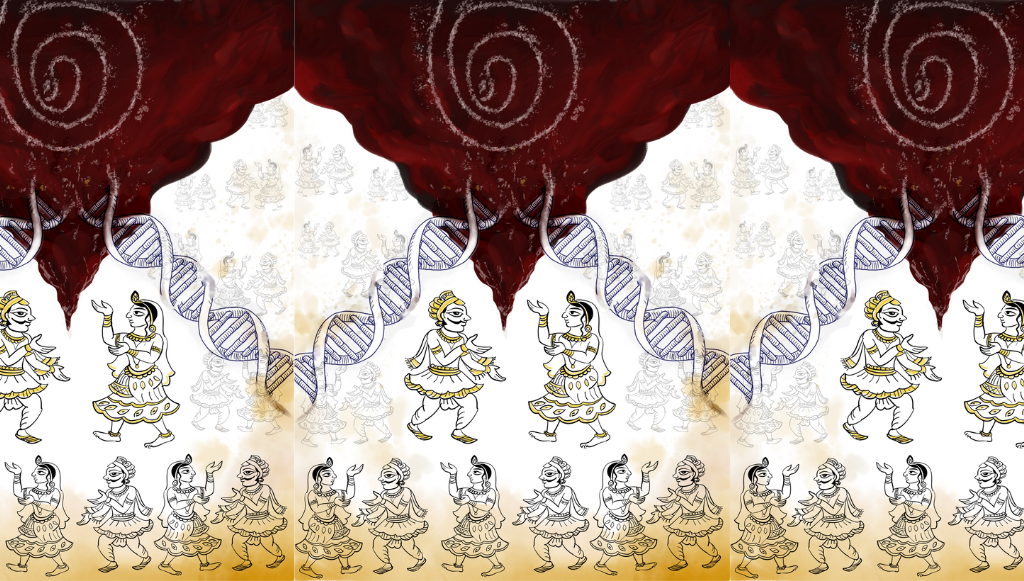
<p>On a quiet Sunday, while discussing her mother’s struggle with ankylosing spondylitis, <a href="https://scitales.ccmb.res.in/author/sara_sajjadi/" target="_blank" rel="noreferrer noopener">Sara Sajjadi</a> found their conversation drifting toward genetic testing. The exchange, layered with science, uncertainty, and hope, reminded her of how deeply genes and environment intertwine to shape health. Sara recently completed her PhD at CSIR-CCMB, where she studied how early-life nutrition, particularly vitamin D, influences epigenetics and long-term cardiometabolic wellbeing. Now, she works at an IT consultancy, applying AI to accelerate drug discovery and leading projects that integrate genetics and artificial intelligence to advance personalised medicine.</p><figure><a href="https://indiabioscience.org/columns/scitales-by-ccmb/scitales_will-i-be-healthy-can-genetic-testing-predict"><img
                width="1024"
                height="581"
                style="max-width: 100%; height: auto"
                src="https://cdn.indiabioscience.org/media/articles/Rishta-do-DNA-ka-The-bond-of-two-DNA.png"></a></figure><p>It was a typical Sunday. My mother and I were engaged in our usual conversations, discussing family matters to office gossip, and making plans for the upcoming week. My mother had recently heard of genetic tests to predict diseases, and thought of bringing that up. Sooner than we knew, our conversation had taken an unexpected educational turn.</p><p>I am the first biologist in a family of chefs, teachers, and businessmen. I am currently pursuing a PhD in human genetics and am often turned to for advice by my family members for anything biology or medicine. My mother is a teacher, and questions everything. She has a medical condition known as ankylosing spondylitis, which is an autoimmune disorder. In this condition, the immune system of the body starts attacking its own cells present in the spine. Despite being in severe chronic pain, she is a warrior and never gives up, she works, goes for yoga and loves to dance in the disco. But she also prays every day that her children should never get this disease.</p><p>Ankylosing spondylitis has been associated with a mutation in the HLA-B27 gene, meaning that the disease has genetic origins. My mother knows that if the gene has already been passed to us, prayers may not be able to fix that! So she wanted to know if the genetic tests can be useful to us.</p><p>Direct-to-consumer genetic testing (DTC GT) has gained a lot of popularity over the past few years. The idea that we can order a genetic test for ourselves online, without even having a doctor’s prescription is quite exciting. Quickly, we were deep into the details of what such genetic tests promise and can deliver. Mom asked if knowing about the genetic information will help us prevent the disease. The question was simple; however, I realised the answer was rather complex.</p><p>Our genetic data is like a manual to our body and just like the ones for IKEA furniture, it might not always be easy to interpret. Some genetic mutations alter protein structures, and hence there is no scope for preventing it. Sickle Cell disease, for instance, is a genetic disorder that occurs due to a specific mutation in the haemoglobin gene. This mutation causes the red blood cells’ haemoglobin to clump together, which changes the cells’ shape from round to sickle-like. This mutation is certain to cause the disease in someone having both diseased copies of the gene and cannot be prevented, as of today, despite having the knowledge that the individual has the mutation.</p><p>Some genetic mutations can cause a protein to be dysfunctional, produced less, or ineffective in processing a substance in the body. Knowing about such a condition can help an individual receive appropriate treatment or take preventive measures. For example, a genetic test can indicate whether an individual is at risk of developing lactose intolerance. Lactose intolerance occurs when the body cannot digest lactose, a sugar found in most dairy products, due to insufficient production of an enzyme called lactase. Although most infants are born with the ability to produce lactase, its production decreases with age. People who produce too little lactase may experience bloating and other stomach issues after consuming lactose-containing products. The solution to this problem is simple: avoid dairy products that contain lactose. </p><p>On the other hand, several illnesses, such as ankylosing spondylitis, type 2 diabetes and certain cancers, are categorized as complex diseases. This means that they can arise due to multiple genes and environmental factors. Therefore, even if a person possesses the genes for the disease, they may not necessarily develop it if they take preventive measures. In such cases, it may be beneficial to determine your genetic predisposition to these diseases.</p><p>Having said this, it’s important to clarify that the genetic risk for complex diseases, as the name suggests, are not easy to find out. The risk of getting a condition like diabetes has been associated with several hundreds of genes. An individual’s risk of diabetes can be assessed by summing up the effect of both risk and protective mutations, this metric is referred to as a polygenic risk score. To find these genes, enormous studies involving participation of several lakhs of people are required; most of these have been conducted in European populations. The genetic risk scores derived from European populations are capable of predicting diseases in different ancestries only to some extent. Their accuracy reduces depending on how genetically diverse the population is from the Europeans.</p><p>In a study of more than 1000 <a href="https://www.nature.com/articles/s41586-019-1793-z" target="_blank" rel="noopener">Asian genomes</a>, researchers found that 23% of the protein-affecting genetic variants they identified were previously unreported in existing genomic databases with majority European and Non-Asian representation. Hence, a genetic score that may predict the risk of a disease in Europeans may not necessarily be accurate in Indians. To date, information on other populations such as Asians and Africans remain scarce, and hence, results provided from DTC GT reports must be taken with caution, if you are an Indian. It is crucial to inquire with the DTC GT company you choose about the origin of their data, and if their conclusions are drawn from the population you identify with. By doing so, you can gain a better understanding of the significance of the information provided in their report.</p><p>Phew! My mom sighed and stopped me mid-way indicating that she got the gist and instantly popped the next question. “So”, she said, “I have little control over some genetic disorders and may not be able stop the disease from occurring in myself. However, could I have prevented passing the diseased genes to my children? Also, now since the damage might already have been done, can I know what genetic risks I have passed on to my children?”</p><p>I continued to explain – If you have taken a genetic test and discovered that you are genetically predisposed to a particular disease, it is possible to have your children tested to determine if they also carry the genetic risk. Some disorders, such as sickle cell disease and thalassemia, manifest when an individual acquires faulty genes from both parents. If you possess only one copy of the faulty gene, you will not develop the disease and may not be aware that you are a carrier. However, if your partner also carries the same faulty gene, there is a 1 in 4 chance that your child will inherit both copies, resulting in the disease. In such cases, it is advisable to determine if you and your partner carry the risk mutations before having children to prevent the possibility of having a child with a severe, sometimes lethal disorder. However, similar preventative testing before pregnancy for complex diseases that are caused by a combination of genetic and environmental factors is not yet feasible.</p><p>Curious about the experiences of others who had undergone genetic testing, she started pondering what they had gained from it. I took to the internet and discovered a variety of responses. Many individuals who have discovered that they are at an increased genetic risk of developing a particular disease have adopted preventive measures, such as lifestyle changes, to reduce their risk. Others become anxious when they learn that they have a high risk of developing a disorder like breast cancer. Some people are also dissatisfied with the language used in genetic testing reports, which often include terms like probabilities and relative risks, and struggle with interpreting the results they receive. Clearly, there is a still a lot to understand how these tests can become more useful and user-friendly.</p><p>Nevertheless, according to an <a href="https://www.ama-assn.org/delivering-care/patient-support-advocacy/protect-sensitive-individual-data-risk-dtc-genetic-tests#:~:text=Use%20of%20direct%2Dto%2Dconsumer,November%202021%20AMA%20Special%20Meeting." target="_blank" rel="noopener">article</a> on the American Medical Association website, about 100 million people had been estimated to have taken a DTC genetic test in 2021. So, the popularity of these tests is definitely on a rise.</p><p> “How safe would it be to hand over the information of your genes to these companies, could they misuse it?,” my mom asked with some scepticism. Some digging into the policy documentation of various companies told me that each DTC GT company has its own privacy policy that clearly specifies and obtains consent regarding the data the client is willing to share. Hence if opting for such a service, it is critical to thoroughly read and understand the policy before enrolling in the service. Also, it’s important to take note that this field is still in its nascent stages and these companies may not be well regulated by medical agencies in <a href="http://www.iamg.in/PS2.html" target="_blank" rel="noopener">India</a>.</p><blockquote class="pull-quote">With some trepidation, I asked her, “Mom, now that you have a better understanding of these tests, do you think you would consider getting one?” In response, she delighted me by singing her all-time favourite song –<br><em>“Qué será, será<br></em><em>Whatever will be, will be<br></em><em>The future’s not ours to see<br></em><em>Qué será, será<br></em><em>What will be, will be”</em></blockquote>
              ]]></content><category term="health-and-medicine" label="Health &amp; Medicine" /><category term="science" label="Science" /><category term="personal-experience" label="Personal Experience" /></entry></feed>